Museum of the Imperial Palace of Manchukuo, Historical museum in Changtong Subdistrict, China
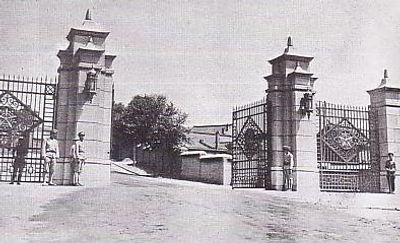
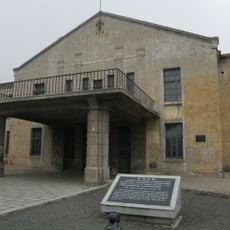
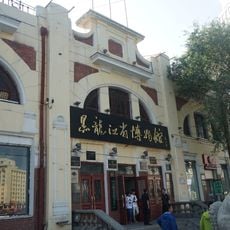
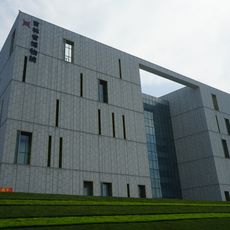
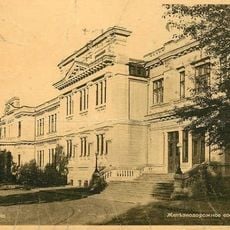
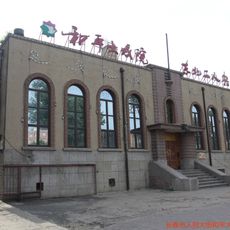
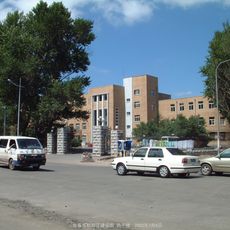
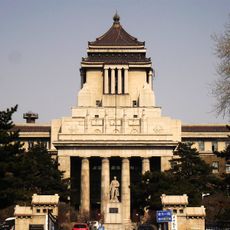
The Museum of the Imperial Palace of Manchukuo occupies ten connected buildings housing multiple exhibition halls with objects from the Manchukuo period. The collections display personal belongings, furniture, and documents that show daily life at the imperial court.
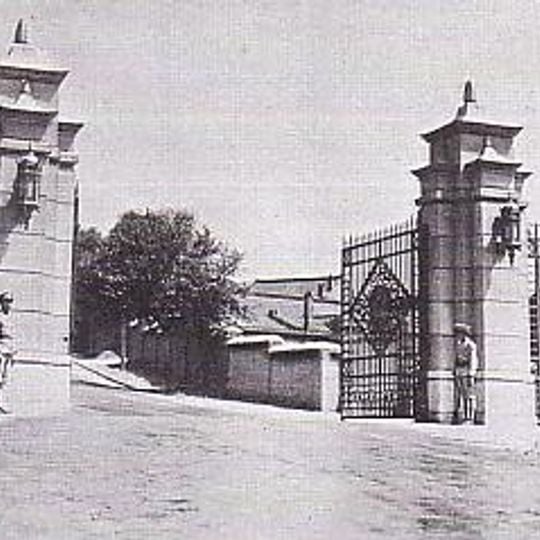
From 1932 to 1945, this palace served as the residence of Puyi, the last Chinese emperor, during the Japanese-controlled state of Manchukuo. The complex reveals how external political forces shaped an imperial family's life for more than a decade.
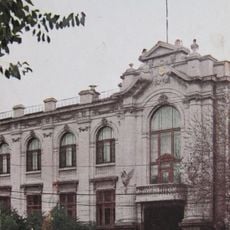
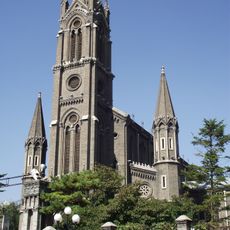
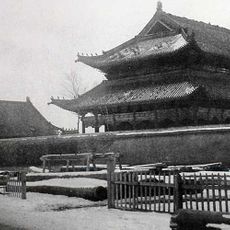
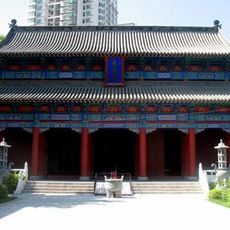
The palace design blends Chinese, Japanese, and European architectural styles, showing how different cultures influenced daily life at the imperial court. Walking through the rooms, you notice how various traditions were woven together in the decoration and layout of the spaces.
The complex is large, so it helps to wear comfortable shoes and plan for several hours to see the main buildings and exhibitions. Audio guides are available to learn more about the displayed objects and the history of the site.
The Qinmin Building preserves the original office of Emperor Puyi with his personal items and documents from his administration under Japanese control. These rooms offer a rare glimpse into the private side of imperial rule during exceptional circumstances.
The community of curious travelers
AroundUs brings together thousands of curated places, local tips, and hidden gems, enriched daily by 91,759 contributors worldwide.