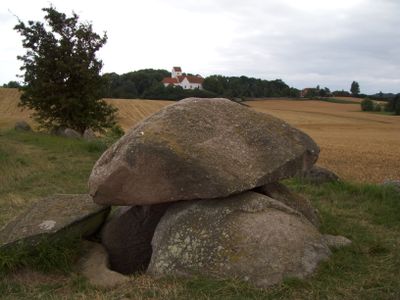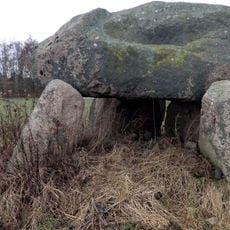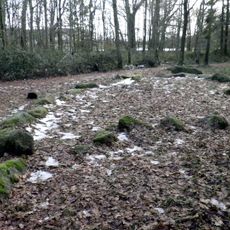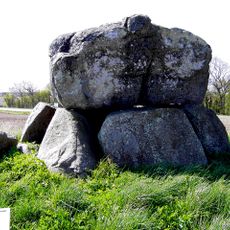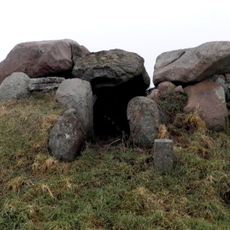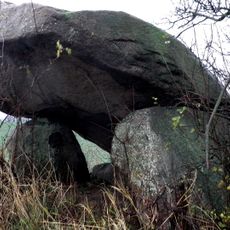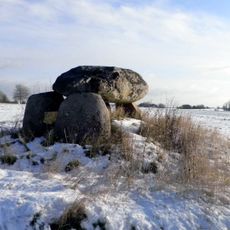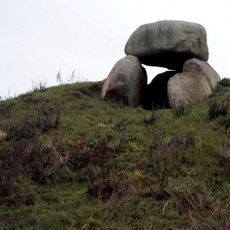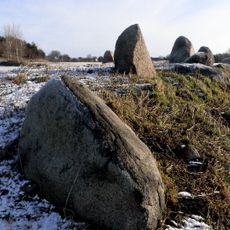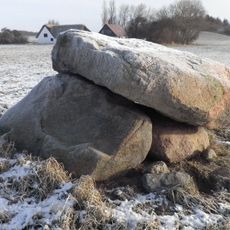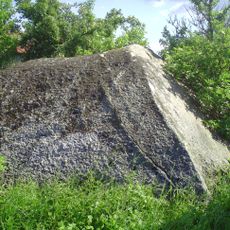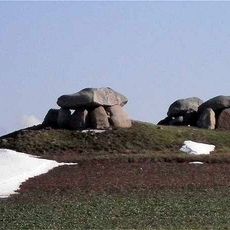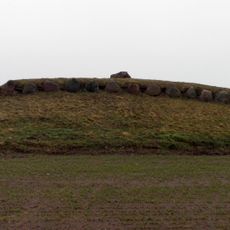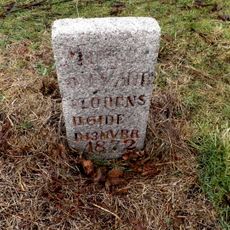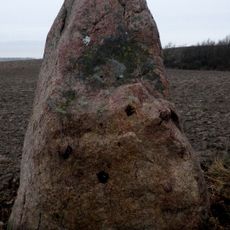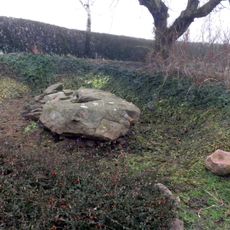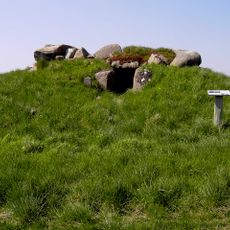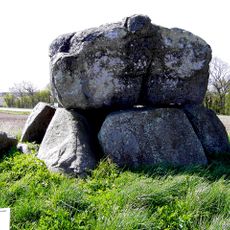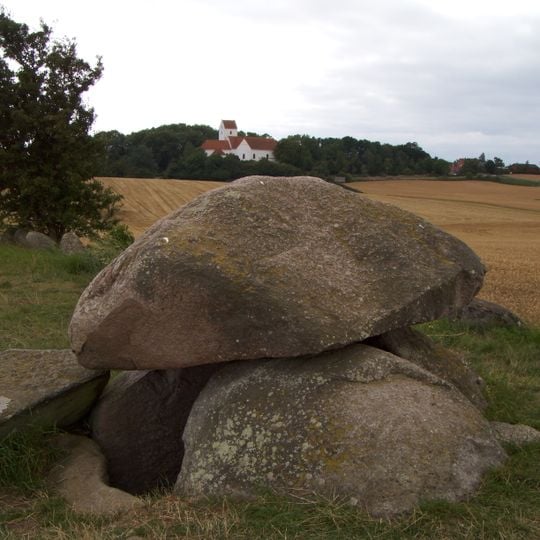
Kong Humbles grav, Neolithic dolmen in Langeland Municipality, Denmark
Kong Humbles grav is a Neolithic long barrow on the Danish island of Langeland, one of the largest stone monuments of its kind in the area. The burial mound is about 48 meters long and 8 meters wide, surrounded by around 77 border stones that frame an underground burial chamber.
The monument was built by people of the Funnel Beaker culture, who lived in this region roughly between 3500 and 2800 BCE. These farming communities raised large stone structures to bury their dead, leaving behind some of the oldest visible traces of organized society in Denmark.
The name of this monument refers to a king, which shows how later generations came to associate such places with power and legend. Visitors today can walk around the border stones and get a sense of how carefully the people who built it arranged every element.
The site is freely accessible throughout the year and no entry fee or permit is required to visit. A short walk is enough to go around the full length of the monument, and the stones can be seen up close without any restrictions.
When workers dug into the mound in the 1700s, they found large bones that were first believed to belong to a giant. The bones turned out to be from cattle, not a human of unusual size.
The community of curious travelers
AroundUs brings together thousands of curated places, local tips, and hidden gems, enriched daily by 60,000 contributors worldwide.