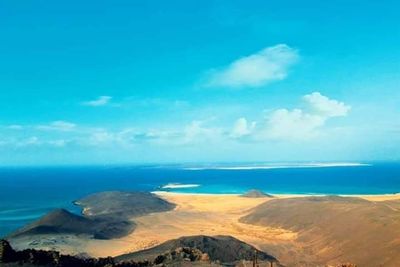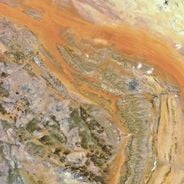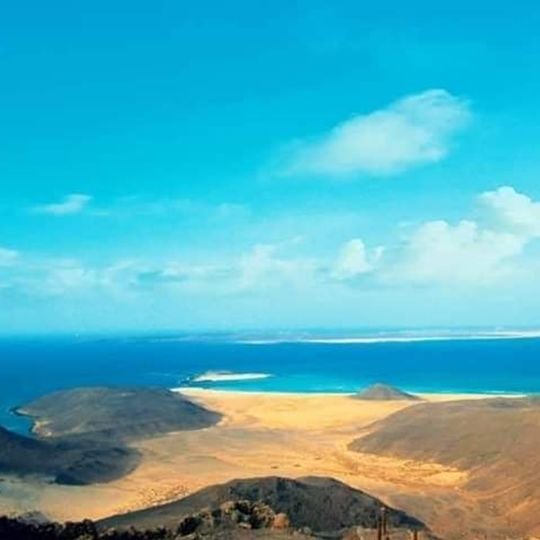
Bab al-Mandab Strait, Strait between the Red Sea and the Gulf of Aden
The Bab al-Mandab Strait is a narrow waterway between the Red Sea and the Gulf of Aden, running between the southern coast of Yemen and the northern coasts of Djibouti and Eritrea. A small volcanic island called Perim splits the passage into two lanes, with the deeper and wider channel on the Yemeni side used by most large vessels.
This waterway has been used since ancient times by traders moving between the Mediterranean, the Arabian Peninsula, East Africa, and India, and grew even more important when the Ottoman Empire controlled the region. The opening of the Suez Canal in 1869 greatly increased traffic and made control of the strait a central concern for European powers, particularly Britain and France.
The area is difficult to access due to the ongoing conflict in Yemen and occasional security incidents at sea, and travelers should check current government travel advisories before approaching any coastal areas. The shores on the Djiboutian and Eritrean sides are generally more reachable, but the climate is very hot and dry year-round, so light clothing and enough water are essential.
The name Bab al-Mandab means "Gate of Tears" in Arabic, most likely reflecting the dangers of past crossings, when storms and currents regularly put ships in difficulty. This passage is today used by more oil tankers than almost any other strait in the world, which means that even brief disruptions to shipping can quickly affect energy prices globally.
The community of curious travelers
AroundUs brings together thousands of curated places, local tips, and hidden gems, enriched daily by 91,895 contributors worldwide.