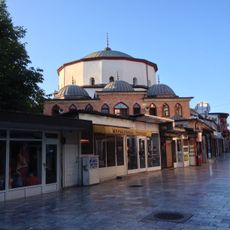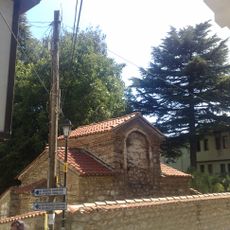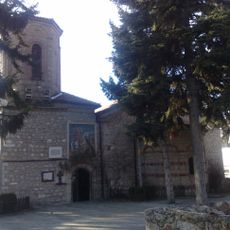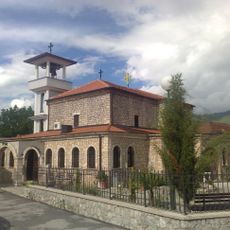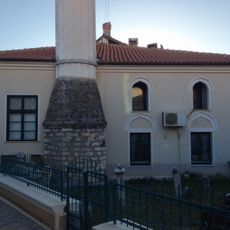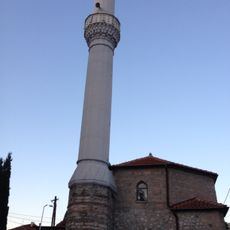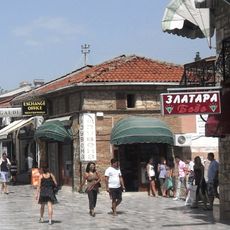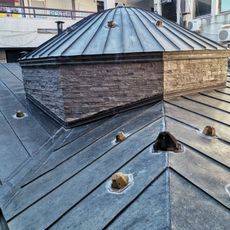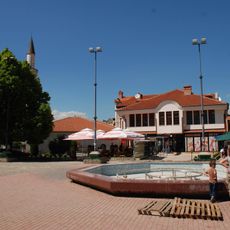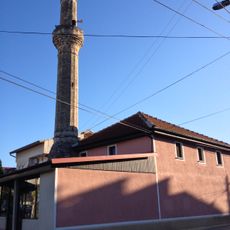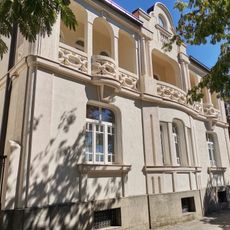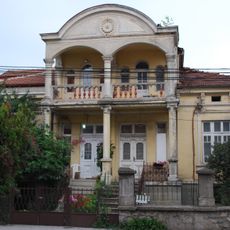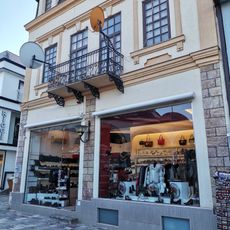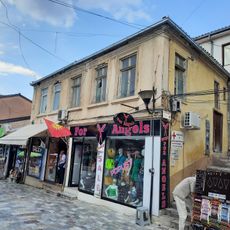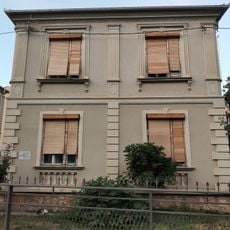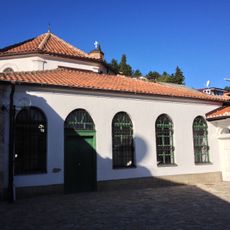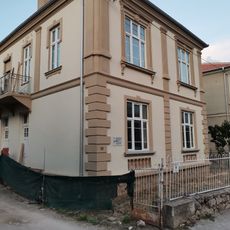
Natural and Cultural Heritage of the Ohrid region, UNESCO World Heritage Site in the Ohrid lake region, Albania and North Macedonia
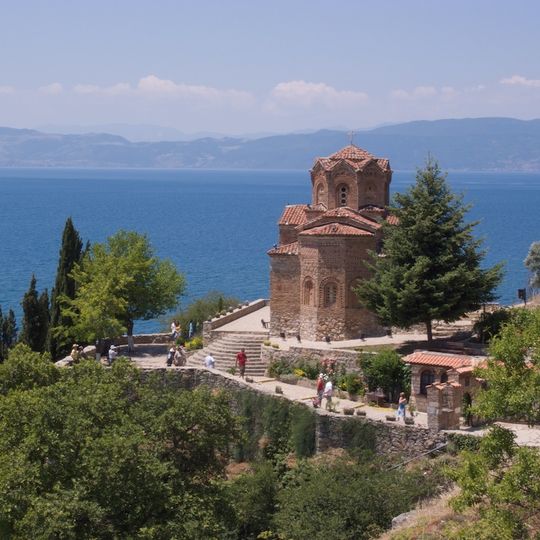
The Natural and Cultural Heritage of the Ohrid region covers 94,728.6 hectares plus a 15,944.4-hectare buffer zone, about three quarters in North Macedonia and the rest in Albania. At its centre lies Lake Ohrid, a tectonic lake 695 m above sea level, 286 m deep and 348 km2 in area, bordered by the Galičica range and the karst springs of Sveti Naum and Drilon.
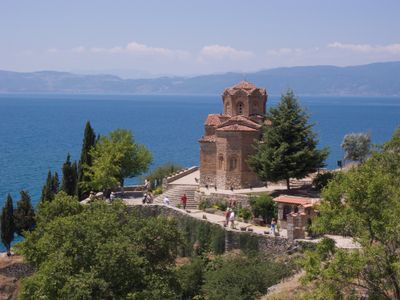
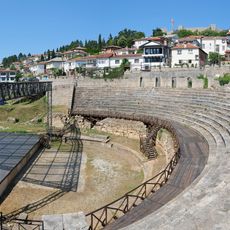
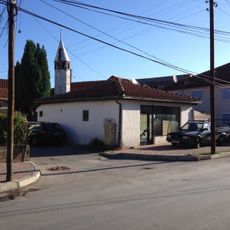
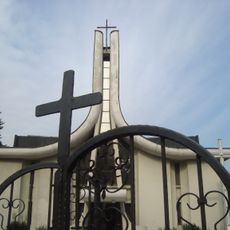
People settled here from the Bronze Age onward and left their mark through thousands of years. The area became an important religious center, particularly during the Middle Ages when many churches were built.
The region has served as a center for religious art and craftsmanship for centuries. Walking through the old churches, you encounter religious paintings and carved decorations that shaped how people here expressed their faith.
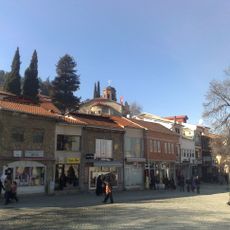
The region is large and covers several locations that you can explore on foot or with local transportation. It helps to plan time for visiting multiple churches and to wear comfortable shoes, especially when wandering through Ohrid's old town.
The lake holds more than 200 species of animals found only here, including special fish types and creatures without backbones. This isolated setting has allowed life to develop in completely different ways over millions of years compared to the rest of the world.
The community of curious travelers
AroundUs brings together thousands of curated places, local tips, and hidden gems, enriched daily by 92,626 contributors worldwide.