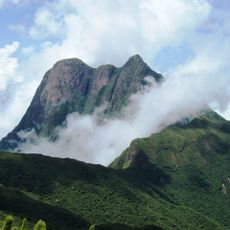
Pico Paraná, Granite mountain in Serra do Ibitiraque, Brazil
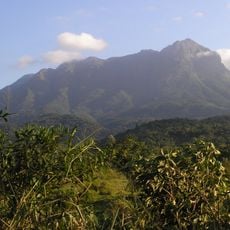
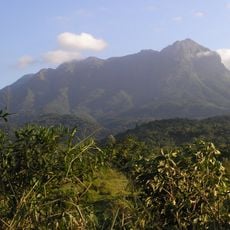
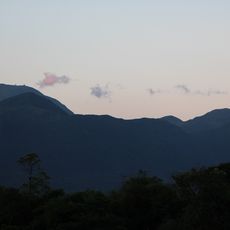
Pico Paraná is a granite and gneiss massif in the Serra do Ibitiraque, in the municipality of Antonina, Paraná. Its main rocky massif has five summits: Pico Paraná, União, Ibitirati, Camelos and Tupipiá. The Ibitirati forms Brazil's highest granite wall, 1,050 metres high, with slopes from 70° to 90°.
The first documented ascent took place in 1941 when German explorer Reinhard Maack reached the summit with companions. This expedition contributed significantly to scientific knowledge of the region.
The name Ibitiraquire comes from Tupi and means "green mountain range". The massif's five summits are named Paraná, União, Ibitirati, Camelos and Tupipiá; the Ibitirati wall is Brazil's highest granite face, 1,050 m high with slopes of 70° to 90°.
The summit is reached via a trail from the Caratuva side, following the route opened by the Armstrong family for collecting erva-mate. The final stretch runs along a narrow crest between Caratuva and the slope of Pico Paraná, where the stone shelter ruins stand. Allow two days and plan for sudden storms.
During winter months, temperatures at the summit drop below minus 10 degrees Celsius, creating frost formations on the granite surfaces. This contrast with the tropical surroundings surprises many visitors.
The community of curious travelers
AroundUs brings together thousands of curated places, local tips, and hidden gems, enriched daily by 94,246 contributors worldwide.