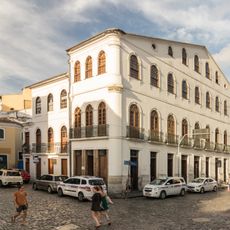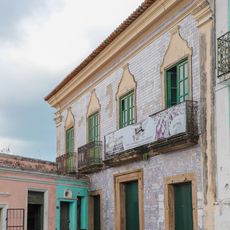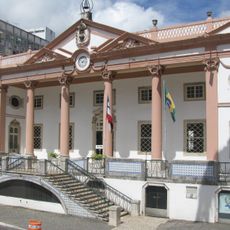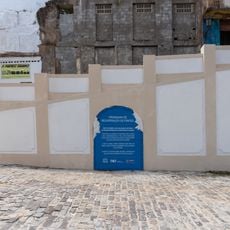
Colonial Brazil, Former Portuguese colony in South America
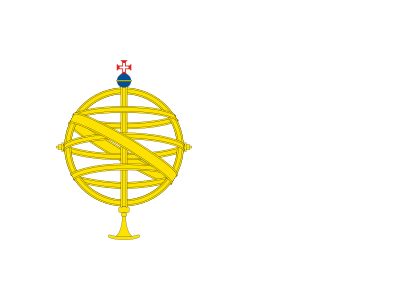
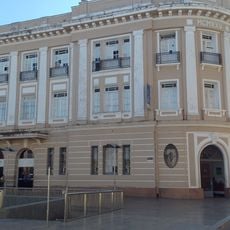
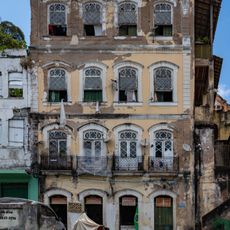
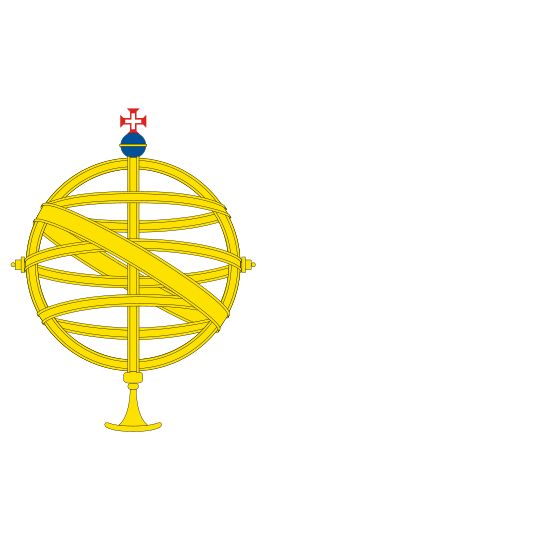
Colonial Brazil was a Portuguese-controlled territory in South America stretching from the Amazon River to the Río de la Plata. The land included rainforests, mountains, and coastal areas that offered different resources and ways of living for those who inhabited it.
The land was claimed by Portuguese explorers in 1500 and then ruled under colonial administration. By 1815, it gained the status of a kingdom and changed from being a simple colony.
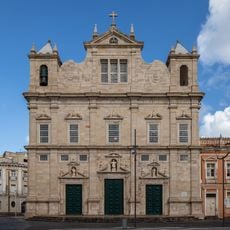
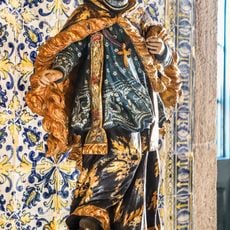
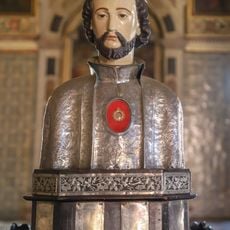
The meeting of Portuguese, Indigenous, and African people shaped daily life through language, customs, and religious practices that blended together. This mixing remains visible in local traditions and how communities in the region still practice their beliefs and celebrate together.
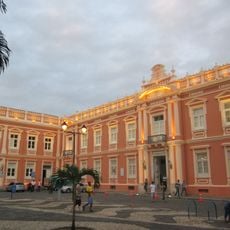
Salvador served as the capital in the early period, then Rio de Janeiro took over as the economic center shifted. Knowing about these two main cities helps you understand where power and trade moved during this time.
The discovery of diamonds in Minas Gerais during the 1720s made this place the world's largest diamond producer at the time. This attracted thousands of migrants from Portugal and elsewhere, changing the population and economy.
The community of curious travelers
AroundUs brings together thousands of curated places, local tips, and hidden gems, enriched daily by 91,924 contributors worldwide.