Lorentz National Park, Protected natural reserve in Papua, Indonesia.
Lorentz National Park covers 25,056 km2 across Central Papua, Highland Papua and South Papua, from Puncak Jaya's equatorial glaciers at 4,884 m down to mangroves and the Arafura Sea. It is the only Asia-Pacific reserve with a full altitudinal series of ecosystems: marine, mangrove, swamp forest, lowland and montane rainforest, subalpine shrub, alpine tundra and ice.
The Dutch colonial government declared a 3,000 km² core area the Lorentz Nature Monument in 1919. In 1956 this status was revoked amid conflict with local communities and land disputes; a strict nature reserve of 21,500 km² followed in 1978. The national park was established in 1997 at 25,056 km², and UNESCO listed it in 1999, excluding about 1,500 km² covered by mining exploration titles.
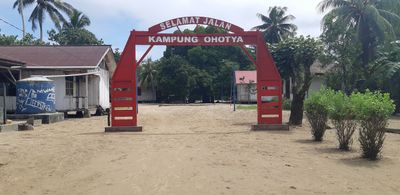
The park overlaps the traditional lands of eight indigenous groups, among them the Asmat, Amung, Dani, Sempan and Nduga; the population is estimated at between 6,300 and 10,000. Their ethnobotanical and ethnozoological knowledge of the park's plants and animals is still poorly documented. Conservation plans are meant to take their needs into account.
Access to the park requires permits and experienced guides, particularly for remote regions. The terrain is challenging, and thorough preparation is necessary before planning any visits or activities.
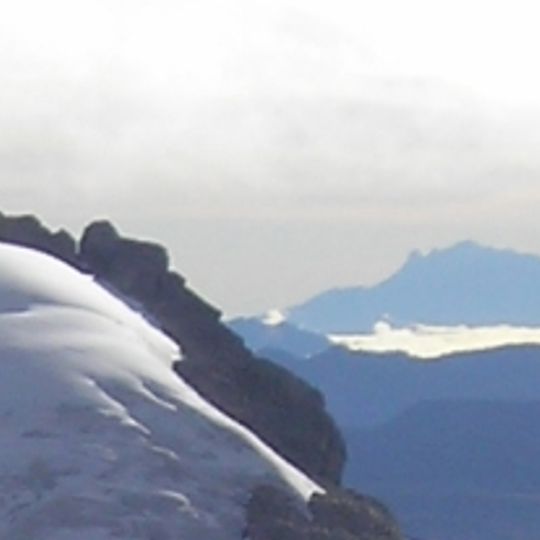
The park contains Puncak Jaya, one of the highest peaks in the southern hemisphere with equatorial glaciers still visible today. This combination of extreme altitude near the equator makes the ice there an unusual natural occurrence.
The community of curious travelers
AroundUs brings together thousands of curated places, local tips, and hidden gems, enriched daily by 94,230 contributors worldwide.