Emberá-Wounaan Comarca, Indigenous comarca in Darién Province, Panama.
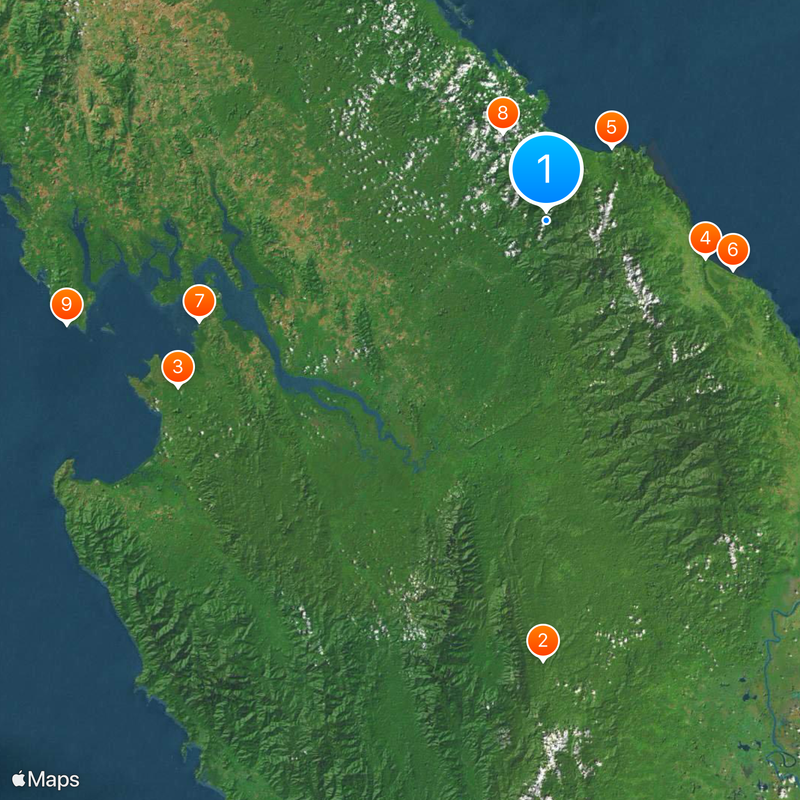
This administrative region follows the courses of the Chucunaque, Sambú, and Tuira rivers through dense rainforest in eastern Panama. The territory covers more than 4,000 square kilometers (1,500 square miles) of lowlands and hills with scattered villages connected by waterways.
Families from Colombia's Chocó region settled along the riverbanks starting in the late 1700s, building stilt houses for protection from flooding. The Panamanian government granted official recognition as an autonomous comarca in 1983.
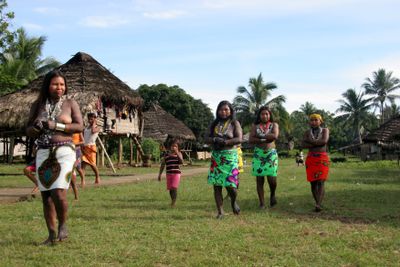
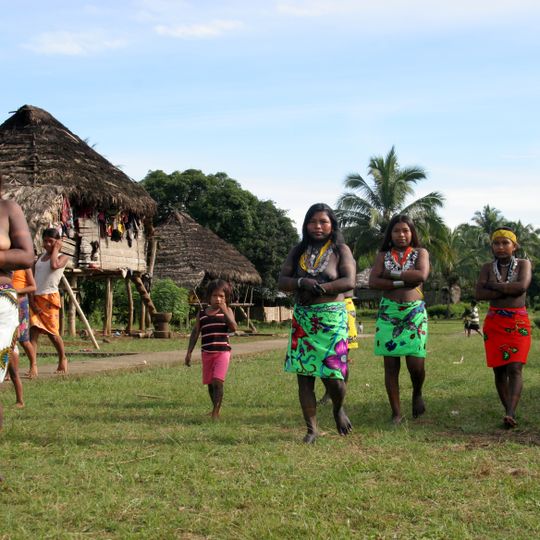
The inhabitants maintain matrilineal family structures and traditional practices, including body painting with natural dyes, while men wear loincloths and women wrap garments.
Travel in this region requires canoes or small motorboats as roads are few and trails become impassable during the rainy season. Conversations with village residents in advance help arrange transport and local companions who know the waterways.
Houses stand on wooden poles about two meters (six to seven feet) above the ground and have no walls, allowing air to flow freely. Families sleep in hammocks strung between the posts while kitchens sit in separate structures along the riverbank.
The community of curious travelers
AroundUs brings together thousands of curated places, local tips, and hidden gems, enriched daily by 60,000 contributors worldwide.