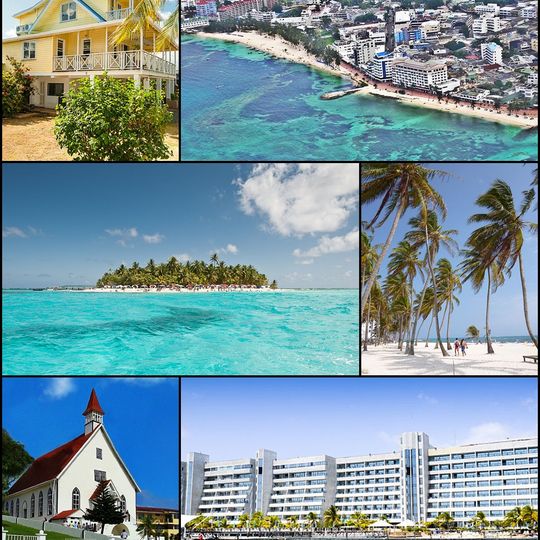
Saint Andrew, Caribbean island with coral reefs in Colombia
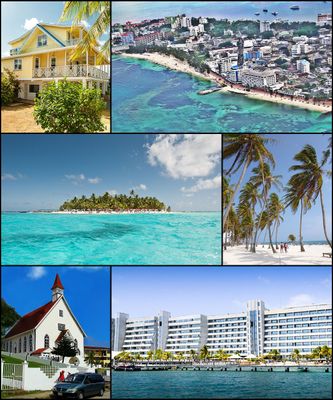
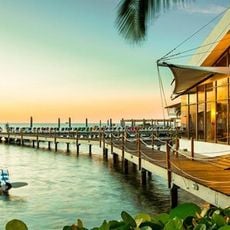
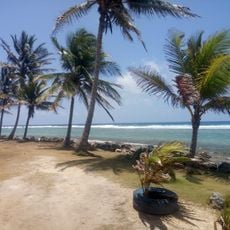
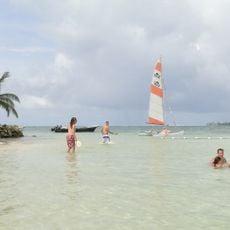
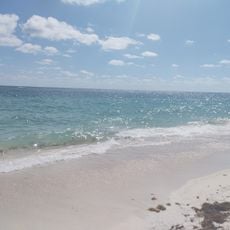
Saint Andrew is an island in the western Caribbean Sea, ringed by pale sand and shallow water that stretches over reefs and lagoons. The island is flat, covered with tropical vegetation, and small bays alternate with rocky sections along the coast, while palms and mangrove zones shape the interior landscape.
British colonists arrived from Barbados in the 17th century and built sugarcane and cotton plantations based on the labor of enslaved Africans. Control later shifted between Spain and Britain until Colombia took charge in the 19th century and began the administration that continues today.
Locals speak Spanish, English and a Creole language that mixes Caribbean and African influences, and you hear this blend in conversation, music and street names. People go to church on Sundays, cook seafood stews with coconut and plantain, and gather for reggae concerts and traditional dances that reflect both British and Latin roots.
Most travelers arrive by plane and pay an entry fee right after landing at the airport. Snorkeling and diving work year-round, but the calmest sea appears between December and April, when wind and waves ease off.
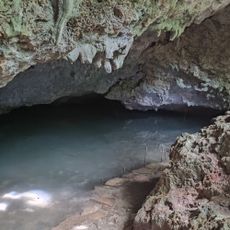
A large part of the surrounding water belongs to a biosphere reserve that holds more coral species than many other Caribbean zones and covers an area three times the size of Jamaica. Divers find rare sponges and gorgonians growing in deeper sections, and few places in the region offer such conditions.
The community of curious travelers
AroundUs brings together thousands of curated places, local tips, and hidden gems, enriched daily by 91,332 contributors worldwide.