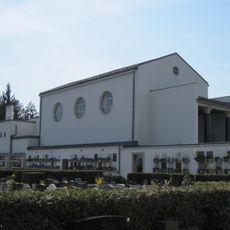
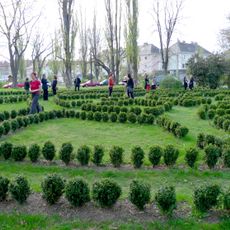
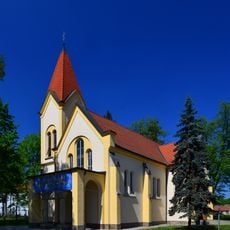
Zentralfriedhof Graz, Central cemetery in Graz, Austria.
Zentralfriedhof Graz is a large cemetery featuring graves, monuments, and sculptures organized into sections for different religious communities. The grounds extend across wide spaces with marked pathways that guide visitors through the various areas.
The cemetery was founded in 1896 and later received protected monument status. Its graves and memorial sites document how burial practices and grave design traditions changed over more than a century in Graz.
The grounds display monuments and tombstones reflecting different artistic movements and craftsmanship from various periods. Visitors can observe how burial art and memorial design evolved through the tastes and techniques of successive generations.
The grounds lie in the Gries district between Triester Straße and Alten Poststraße, with the access road from the east named Lauzilgasse after the architect. The path network runs over 6.5 kilometres, so allow time to walk between the church, the war memorials in the southeast and the Islamic burial field in the northeast. The urn cemetery with its crematorium lies just northwest, separated only by the Josef-Hyrtl-Gasse.
The memorial to political victims of 1938–1945, redesigned in 1961, was drawn by Slovenian architect Boris Kobe, himself deported to Dachau and then to the Überlingen-Aufkirch subcamp. Its 20-metre stele and bridge arch carry a gas-fired offering bowl, and 2,510 names of executed prisoners are engraved in gold on the sheltered underside.
The community of curious travelers
AroundUs brings together thousands of curated places, local tips, and hidden gems, enriched daily by 94,457 contributors worldwide.