Little Hungarian Plain, Plain and geographic region between Hungary and Austria
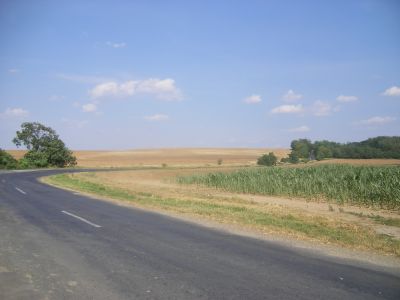
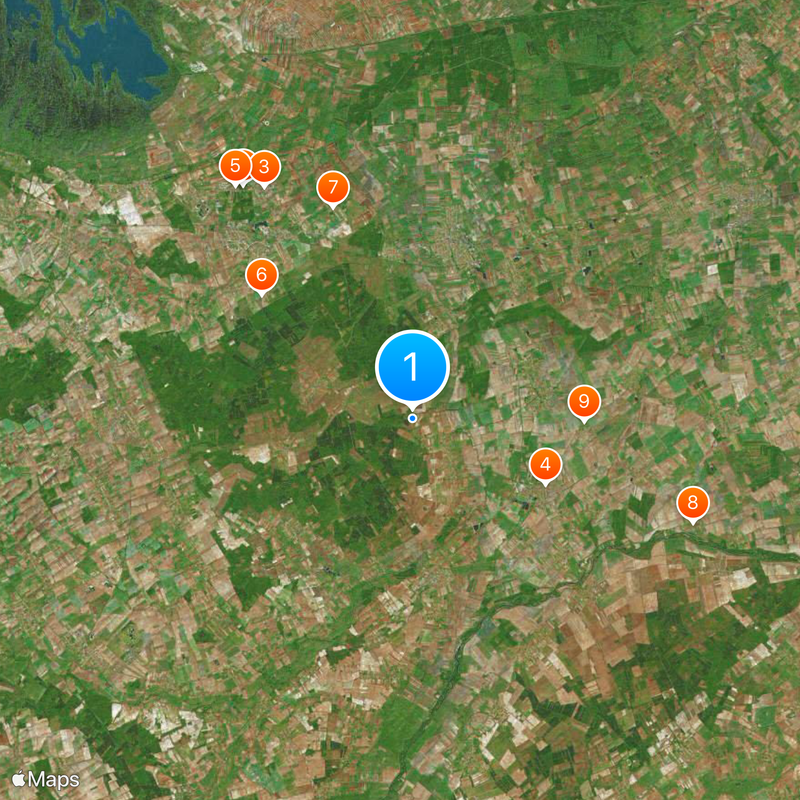
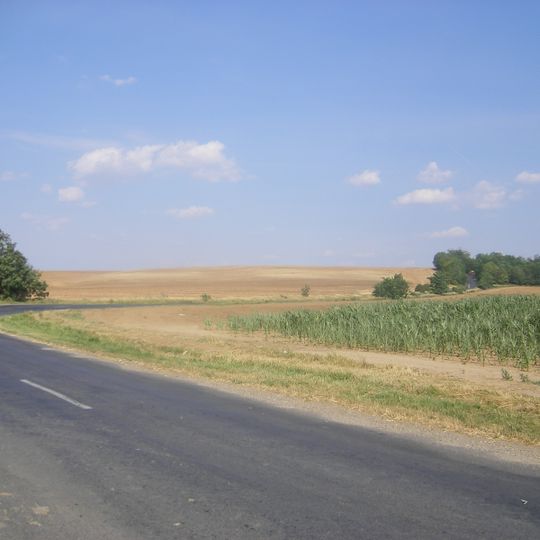
The Little Hungarian Plain spreads across northwestern Hungary and eastern Austria, forming a low-lying landscape within the Pannonian Basin. Multiple rivers including the Danube, Váh, Rába, Rábca, and Marcal flow through the region, creating fertile soils that support extensive farming.
Celtic and Roman settlements flourished here in ancient times, later developing into a key medieval trading crossroads. After World War I, this area became divided among several nations, shaping its modern character as a borderland region.
Agriculture has shaped daily life across this plain for centuries, connecting communities on both sides of the border through shared farming traditions. Local residents and visitors alike witness the rhythms of seasonal work and regional celebrations rooted in the land.
This plain is easily accessible by road and rail connections linking major cities, and the flat terrain makes travel straightforward. Visitors should prepare for changing weather conditions, as the open landscape offers little shelter and conditions can shift quickly.
Where the Danube splits between Bratislava and Komárno, large islands and side channels create a distinctive patchwork landscape. These natural divisions form separate territories with their own local character and geography.
The community of curious travelers
AroundUs brings together thousands of curated places, local tips, and hidden gems, enriched daily by 90,875 contributors worldwide.