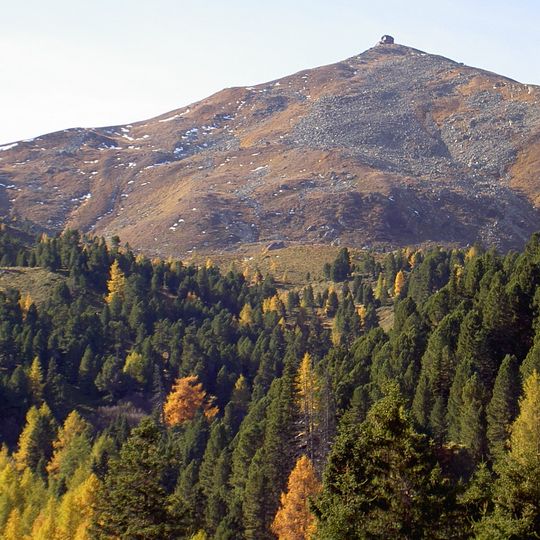
Zirbitzkogel, Summit and mountain peak in Styria, Austria
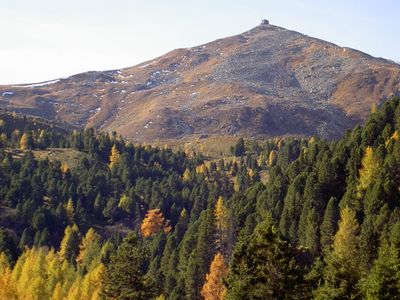
Zirbitzkogel is a mountain peak that forms the highest point of the Seetal Alps in Styria. Its rocky structure shows layers of slate, gneisses, and granites that are exposed on the steep slopes and rugged summit area.
The name does not come from the Swiss pines (Zirben) growing here, as is often assumed, but from Croatian čьrvenica, "red area", referring to the rust-leaved alpenrose (Rhododendron ferrugineum) common on the slopes. Locals call this plant Almrausch. The summit block is crystalline rock, mainly slate, gneiss and granite, shaped by ice-age glaciers and later slope movements.
The name Zirbitzkogel does not come from the Swiss pines (Zirben) growing here, as is often assumed, but from a Slavic root meaning "red area", referring to the rust-leaved alpenrose (Rhododendron ferrugineum) that colours the slopes; locals call this plant Almrausch. Since 2006 the area has been a Natura 2000 European protected area. Each summer the Zirbitzkogel mountain race runs 11.2 km from Sankt Anna am Lavantegg via the Waldheimhütte to the Zirbitzkogel-Schutzhaus, climbing 1106 m.
This area is best visited on foot during the dry months from June through September when trails are clear of snow. Sturdy footwear and weatherproof clothing are essential, as conditions at altitude can change quickly.
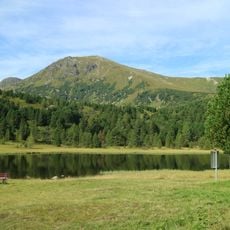
The Winterleitenseen tarns lie in the spring-rich terrain northeast of the summit, within the Seetaler Alpe military training area, not on the summit itself. The summit plateau was a regular breeding site for dotterel until 1995, with no broods recorded since. Butterfly researchers come for the endemic moth Elophos zirbitzensis.
The community of curious travelers
AroundUs brings together thousands of curated places, local tips, and hidden gems, enriched daily by 93,067 contributors worldwide.