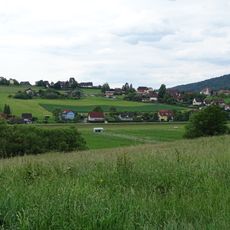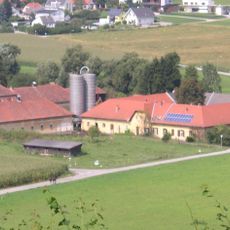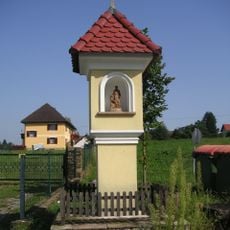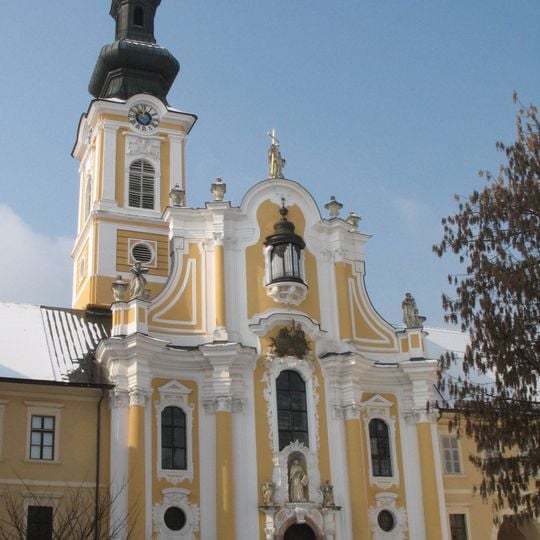
Rein Abbey, Cistercian monastery in Gratwein-Straßengel, Austria
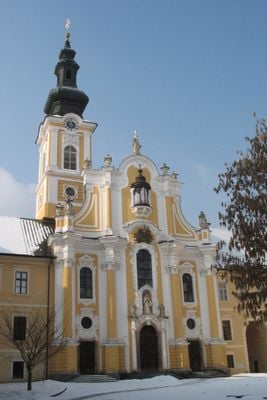
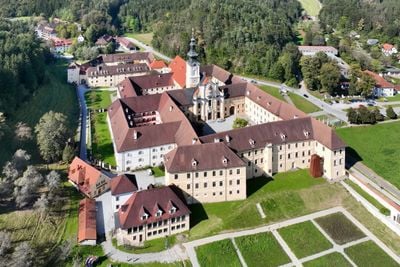
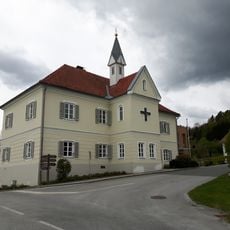
Rein Abbey is a Cistercian monastery in Gratwein-Straßengel featuring a church with Romanesque foundations alongside other structures rebuilt in Baroque style between 1738 and 1747. The complex also houses a chapel with Gothic vaults completed in the early 1400s and a library building containing thousands of medieval manuscripts and early printed books.
Founded in 1129 by Margrave Leopold the Strong as the 38th Cistercian monastery, Rein was settled by monks from Ebrach Abbey under Abbot Gerlacus. On 19 September 1276 the Styrian and Carinthian nobility swore the Rein Oath here, siding with Rudolf of Habsburg against Ottokar II of Bohemia and opening 640 years of Habsburg rule. The monks were expelled by the Nazis during World War II and returned in 1945.
The name "Rein" derives from the Slovene word rauna, meaning "valley plain"; a link to the river Rhine is not supported. The abbey is called the "Cradle of Styria". Since 1786 the abbey church has also served as the parish church, and the monks still run the site, lending rooms to Bundesgymnasium Rein.
Visitors can explore the complex through guided tours that include the chapel, church, and some courtyards. It is helpful to check in advance which areas are open to tourists, as parts of the monastery remain in active use by the resident monks.
Excavations in 2006 revealed the foundations of the original Romanesque chapter house buried beneath current structures. These discoveries showed how the monastery was rebuilt multiple times while remaining in the same location across centuries.
The community of curious travelers
AroundUs brings together thousands of curated places, local tips, and hidden gems, enriched daily by 92,913 contributors worldwide.