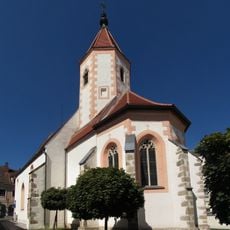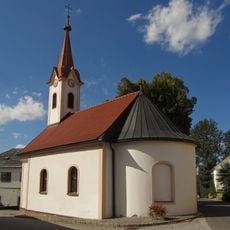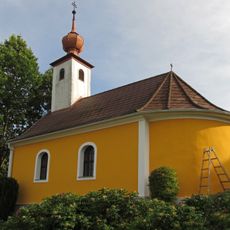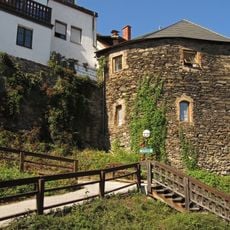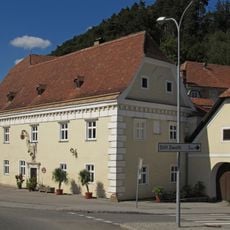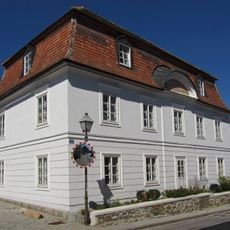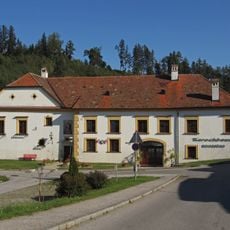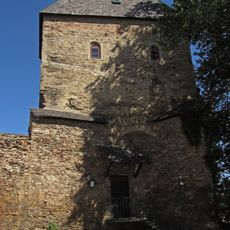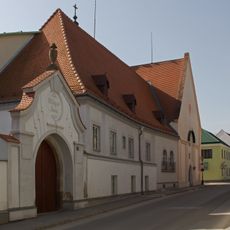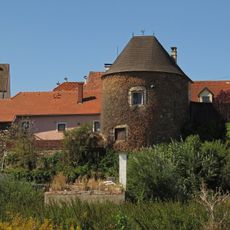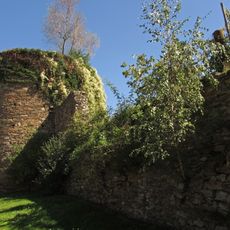
Zwettl Abbey, Cistercian monastery in Zwettl, Austria.
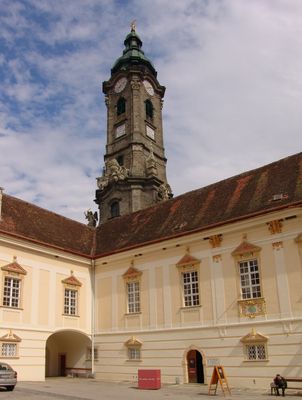
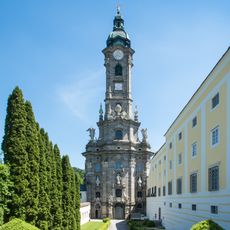
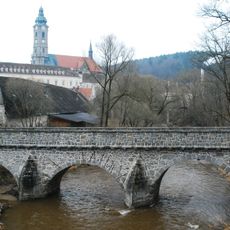
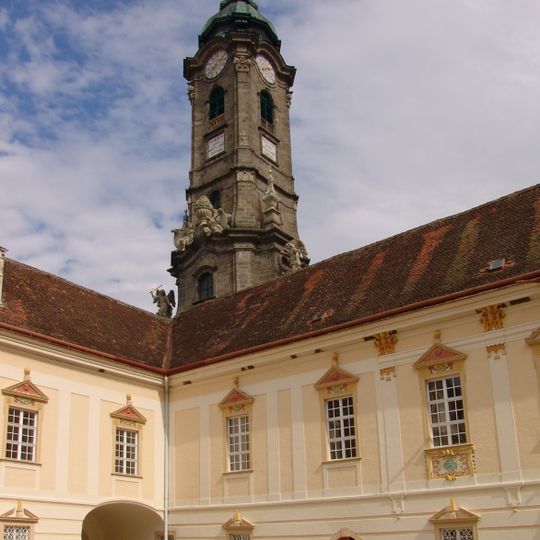
Zwettl Abbey is a Cistercian monastery built in a bend of the Kamp River in Lower Austria. Its buildings span Romanesque to Baroque styles, with a 13th-century cloister, a Romanesque chapter house, and an 18th-century west tower designed by Matthias Steinl and built by Joseph Munggenast, which rises 82 metres.
The abbey was founded in 1137 and quickly gained recognition from both church and secular authorities. It was expanded and reshaped several times over the centuries, with major work carried out during the 17th and 18th centuries giving it much of its current appearance.
The library at Zwettl Abbey holds a collection of medieval manuscripts and early printed books that visitors can see displayed in the historical rooms. The bindings and illustrations of these works give a direct sense of how knowledge was treated as part of daily monastic life.
Guided tours are the best way to see the different parts of the compound, as many rooms are not accessible without a guide. Allow a couple of hours for a full visit and wear comfortable shoes, since the route covers a lot of ground including outdoor garden areas.
The abbey's late Romanesque and early Gothic cloister surrounds a courtyard read as Paradise, like all monastic cloister gardens. The chapter house beside it has a single central column, and the early Gothic fountain house also survives. The cloister is the element of greatest art-historical importance in the complex.
The community of curious travelers
AroundUs brings together thousands of curated places, local tips, and hidden gems, enriched daily by 93,841 contributors worldwide.