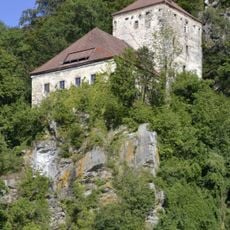
Burg Vichtenstein, Medieval castle in Vichtenstein, Austria.
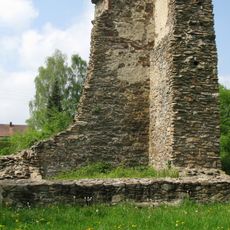
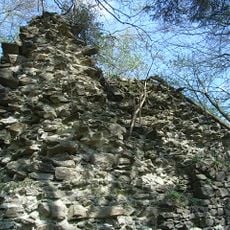
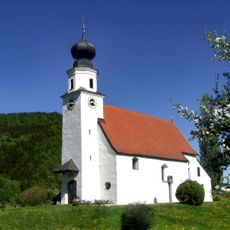
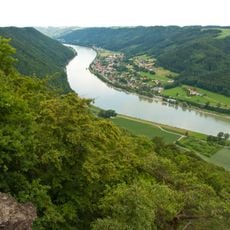
Burg Vichtenstein is a medieval hilltop castle perched above the Danube valley in Upper Austria, close to the border with Bavaria. It consists of a gatehouse, an inner courtyard, a chapel, and a defensive tower arranged in the compact layout typical of a fortified high castle.
The castle's construction date is not documented; it is thought to have been built around 1100 and belonged to the County of Formbach. It is first mentioned in 1116 with a Count of Formbach who also called himself 'von Vichtenstein'. In 1218 Count Konrad of Wasserburg and Vichtenstein mortgaged the castle to Bishop Ulrich II of Passau for 1000 marks of silver to fund his crusade, and after a dispute it passed to the Bishopric of Passau, which had it administered by caretakers or burgraves.
The castle's name comes from the Formbach counts who called themselves "von Vichtenstein" from 1116. In 1218 Count Konrad of Wasserburg and Vichtenstein pawned the castle to Bishop Ulrich II of Passau for 1000 marks of silver to fund his crusade to Damiette, then transferred it to his wife Kunigunde.
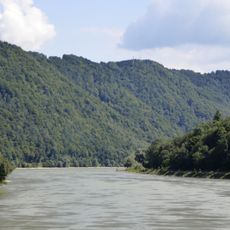
The castle stands on a hill above the river and is clearly visible from the valley below, though reaching it requires a short uphill walk. Once at the top, it helps to move through the different parts of the site one by one to get a sense of how the whole place fits together.
In 1218 Count Konrad of Wasserburg and Vichtenstein borrowed 1,000 marks of silver from Prince-Bishop Ulrich II of Passau to fund his crusade to Egypt and pledged the castle as security. A dispute over the transfer followed, and in 1222 the castle's ministerials raided church property until King Henry VII imposed the imperial ban.
The community of curious travelers
AroundUs brings together thousands of curated places, local tips, and hidden gems, enriched daily by 94,462 contributors worldwide.