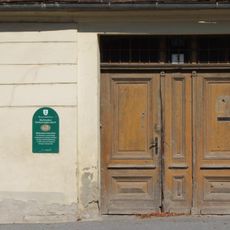
Anabaptist Museum, Religious heritage museum in Sulz im Weinviertel, Austria.
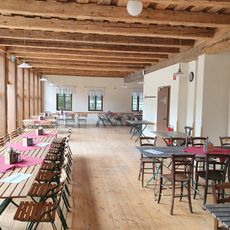
The Anabaptist Museum is housed in a former farmhouse that was relocated from Wilfersdorf to the open-air museum complex at Museumsdorf Niedersulz in 2007. Inside, the building displays objects and spaces that show how a religious community managed household tasks, religious observance, and craft production.
The movement that this museum documents emerged in the 16th and 17th centuries, when groups following this faith found shelter in the Weinviertel and nearby southern Moravia under the protection of the Liechtenstein family. Their presence shaped local crafts and farming practices for generations.
The exhibits show how Anabaptist communities practiced their faith and organized daily life through handicrafts and household routines. The displayed pottery and objects reveal the practical and spiritual priorities of these groups who made this region their home.
The museum sits within a larger open-air complex, so plan for several hours and wear comfortable shoes to explore the grounds. Visiting hours are seasonal, so check the opening dates before you go to ensure you can visit.
Behind the museum building, a Hutterite vegetable garden was planted in 2017. It grows crops the Hutterites cultivated in the Weinviertel and southern Moravia, such as the vegetables behind their Habaner pottery and brother-house economy. The garden is the newest part of the site, added nine years after the museum opened on 5 October 2008.
The community of curious travelers
AroundUs brings together thousands of curated places, local tips, and hidden gems, enriched daily by 92,836 contributors worldwide.