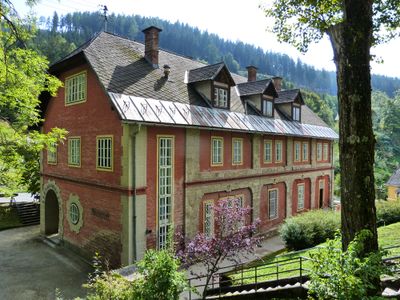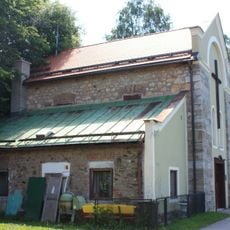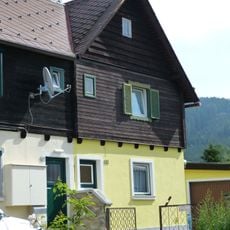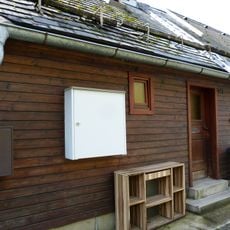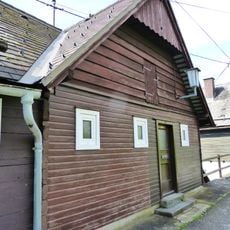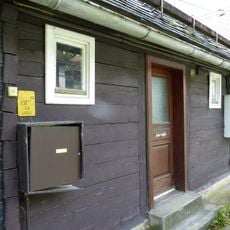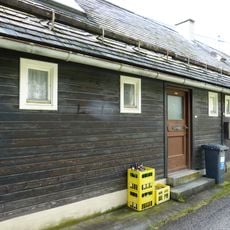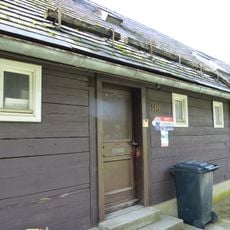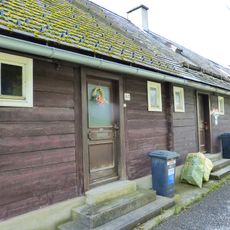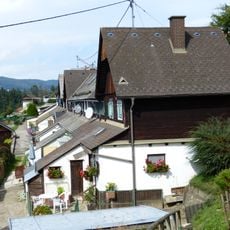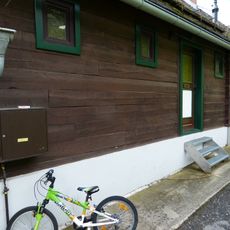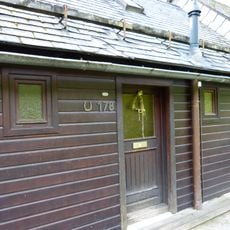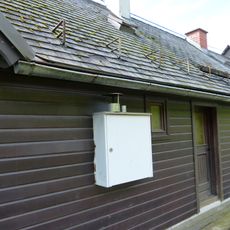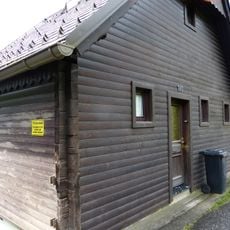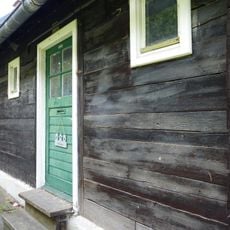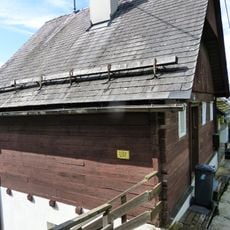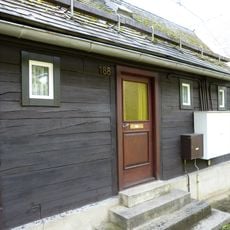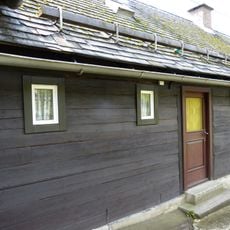
Bergbaumuseum, Knappenberg, Mining museum in Knappenberg, Austria.
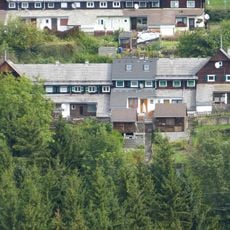
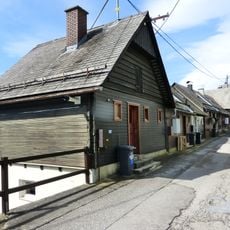
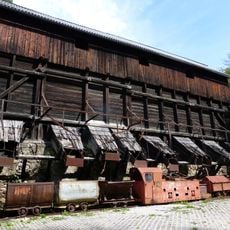
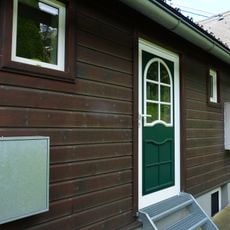
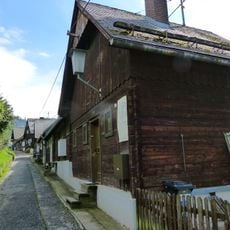
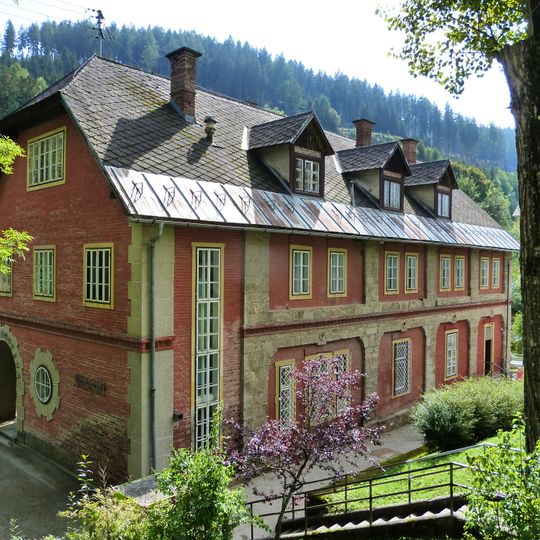
The Bergbaumuseum Knappenberg is housed in the former Grubenhaus at the mouth of the Erbstollen, a 900-metre drainage tunnel driven in 1567. The freely accessible museum documents miners' life and work with pit lamps, ore and coal rakes and work clothing, and a first-floor mineral display shows over 200 mineral species plus the office of mineralogist Heinz Meixner. The Grubenhaus and tunnel mouth are protected monuments.
Iron ore mining in the region was central to the local economy until extraction ended in 1978. After the mines closed, the site was converted into a museum to preserve and share the history of ore extraction that had spanned thousands of years.
The mining museum documents the Hüttenberger Reiftanz, a miners' dance tradition, alongside miners' clothing, pit lamps and ore and coal rakes. On the first floor a mineral display shows over 200 mineral types and the office of the mineralogist Heinz Meixner.
The Erbstollen, a drainage tunnel begun in 1567, runs 900 metres and is entered at its preserved mouth, the Mundloch, next to the former Grubenhaus that now houses the museum. Guided tours lead through the tunnel and explain mining methods, simple tools, technology and ore haulage. The mine lies in Knappenberg, part of the municipality of Hüttenberg in Carinthia.
The museum holds the Hüttenberger Bergwerksordnung, a historical document issued by Empress Maria Theresa that established rules for mining in the region. This document reveals how important the mining industry was to the Habsburg Empire and how centrally controlled resource extraction had become.
The community of curious travelers
AroundUs brings together thousands of curated places, local tips, and hidden gems, enriched daily by 92,845 contributors worldwide.