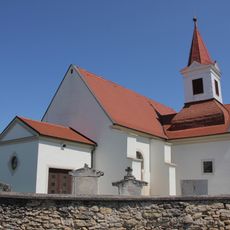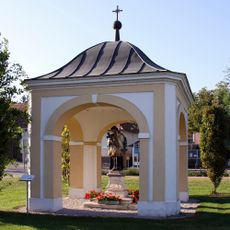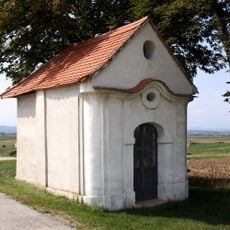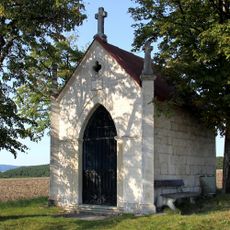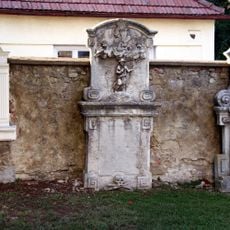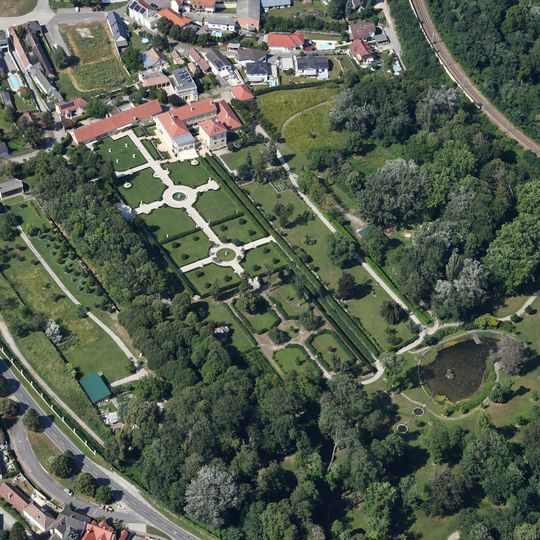
Schloss Draßburg, Renaissance castle in Draßburg, Austria.
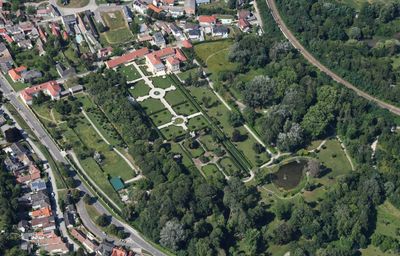
Schloss Draßburg is a three-winged complex on a horseshoe-shaped plan in Untergut, Draßburg. Its oldest part is a three-storey, tower-like central tract with a tent roof, dating back to the Romanesque period. The courtyard sides of the wings have arcades, and the west wing carries 19th-century facade decoration.
The estate was first documented in 1546, when the Archbishop of Esztergom granted it to Count Thomas Nádasdy, whose family attached it to their Sárvár domain. His brother Christoph expanded the noble court, and in 1591 Franz (II) Nádasdy pledged it to Emmerich Megyery. Franz (III) Nádasdy had the building converted into a castle in the 17th century; after his execution in 1671 it was confiscated, passing to the Zichy in 1672.
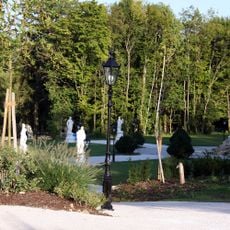
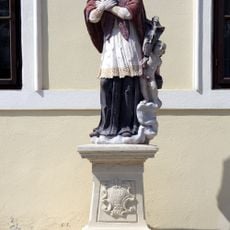
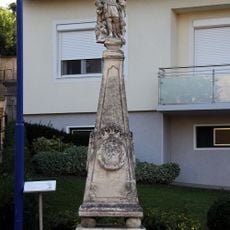
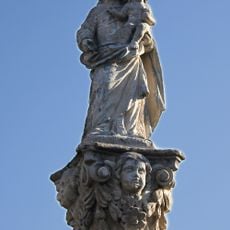
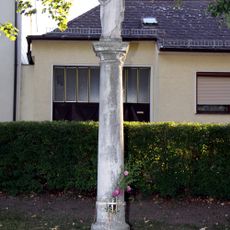
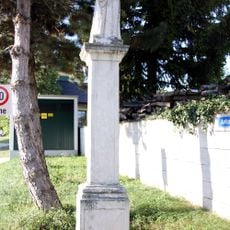
The twelve sandstone figures in the park were carved by Jakob Christoph Schletterer and depict the nine Muses together with Apollo, Diana and Athene. The garden itself was laid out around 1750 under Eva Maria Meskó and mixes French and English styles across ten hectares of terraces.
The castle functions as a private residence and is not open to tourists, so visitors should note the posted signs around the property. Respecting the privacy of the residents is essential when viewing the exterior from a distance.
The twelve sandstone figures in the park, carved by Jakob Christoph Schletterer, depict the nine Muses together with Apollo, Diana and Athene. They stand in a garden laid out around 1750 and partly redesigned in the English style, which is listed as a protected garden monument.
The community of curious travelers
AroundUs brings together thousands of curated places, local tips, and hidden gems, enriched daily by 94,046 contributors worldwide.