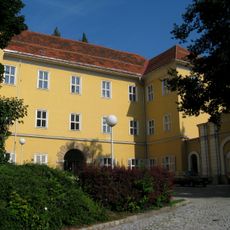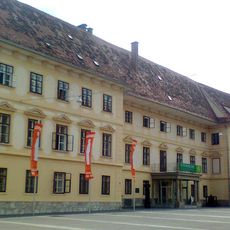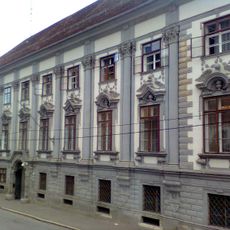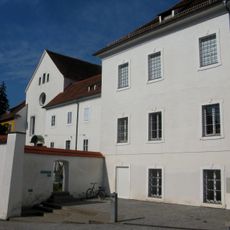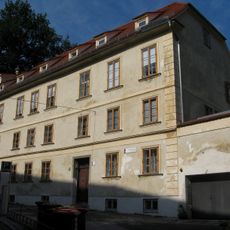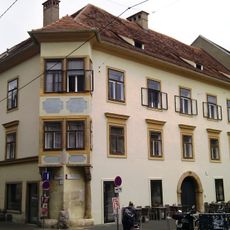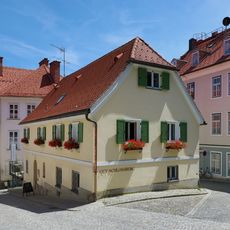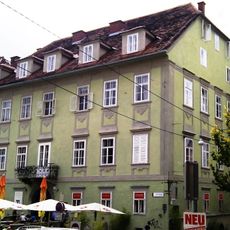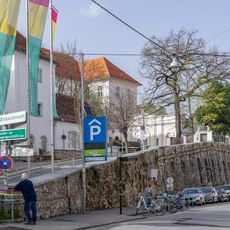
Steirisches Volkskundemuseum, Ethnographic museum in Graz, Austria.
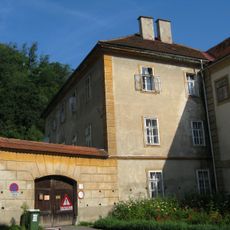
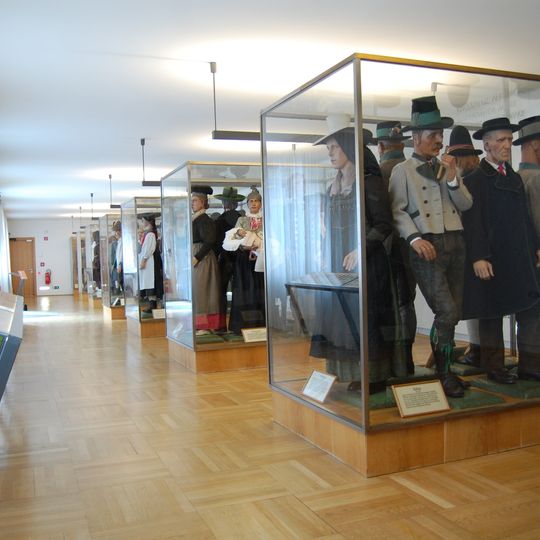
The Steirisches Volkskundemuseum occupies the former Capuchin monastery on Paulustorgasse, where Viktor Geramb founded the folklore department in 1913. Two rooms from that period survive: a smoke kitchen from a farm on the Packalpe, in use since 1520 and moved into the building in 1914, and the costume hall with 42 life-size figures by Alexander Silveri and Hans Mauracher. The collection holds around 95,000 objects.
The museum grew out of a folklore collection begun by the Landesmuseum Joanneum in 1895. In 1913 Viktor Geramb founded the folklore department in the former Capuchin monastery on Paulustorgasse, arranging objects to bring rural Styrian life into the city. In the 1930s a new wing with exhibition and event rooms was added through Geramb's ties to governor Karl Maria Stepan. After renovation for the Steiermark Schau, it reopened in 2021.
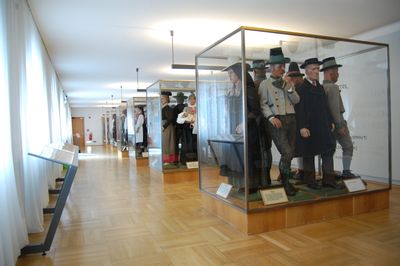
The Trachtensaal holds 42 life-size figures made by Alexander Silveri and Hans Mauracher, arranged to show Viktor Geramb's idea of a Styrian dress tradition running from Roman times to the late 19th century. The room was designed in the 1930s and opened in August 1938; in 2003 it became a museum within the museum, reached by a glass walkway, and in November 2022 it reopened after revision.
The museum sits in the former Capuchin monastery on Paulustorgasse, and the 2020–2021 renovation reopened the Heimatsaal hall, which now seats around 150 people for events. The preserved rooms from 1913, the Rauchstube and the Trachtensaal, are reached through a glass walkway added in 2003. Allow time to move between the individual exhibition modules, each of which works as a separate display.
The Rauchstube, a farmhouse smoke kitchen from the Packalpe documented as in use since 1520, was moved into the museum and rebuilt there in 1914. The Trachtensaal holds 42 life-size figures made by Alexander Silveri and Hans Mauracher, arranged to show Viktor Geramb's idea of a Styrian costume history from Roman times to the late 19th century. The room opened in August 1938; in 2003 it became a museum within the museum, reached by a glass walkway, and in November 2022 it reopened after revision.
The community of curious travelers
AroundUs brings together thousands of curated places, local tips, and hidden gems, enriched daily by 94,167 contributors worldwide.