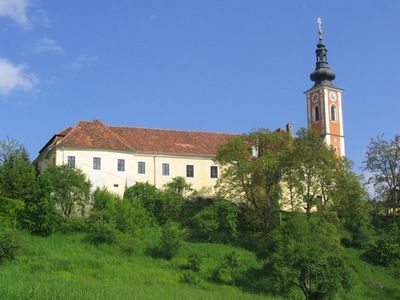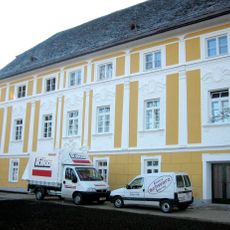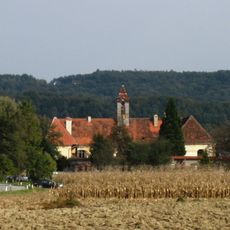
Schloss St. Georgen an der Stiefing, Medieval castle in Sankt Georgen an der Stiefing, Austria
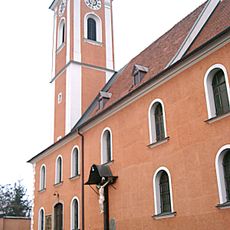
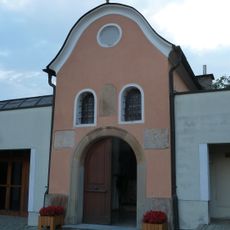
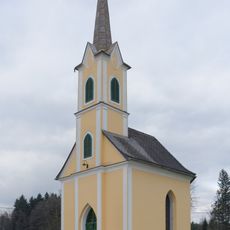
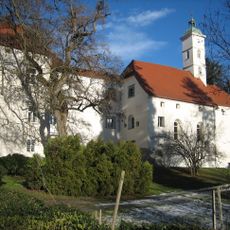
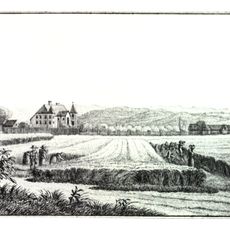
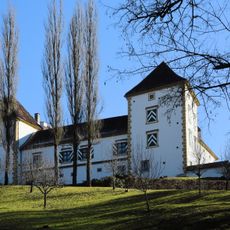
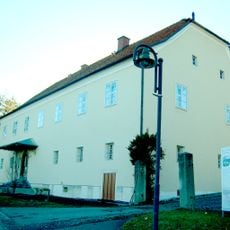
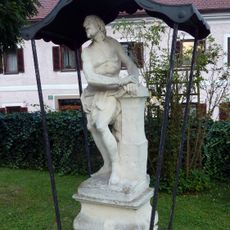
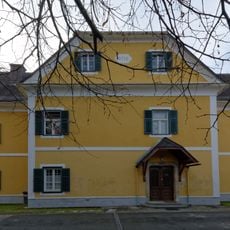
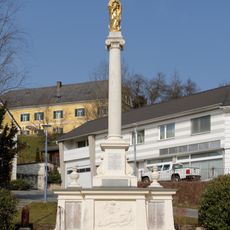
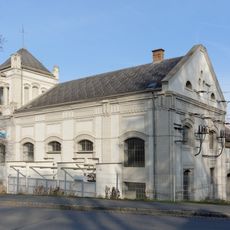
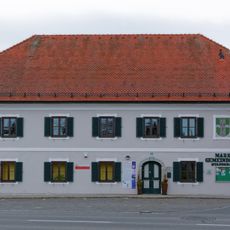
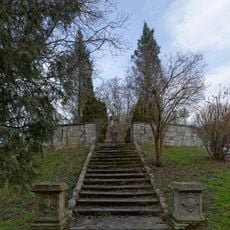
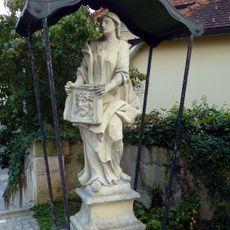
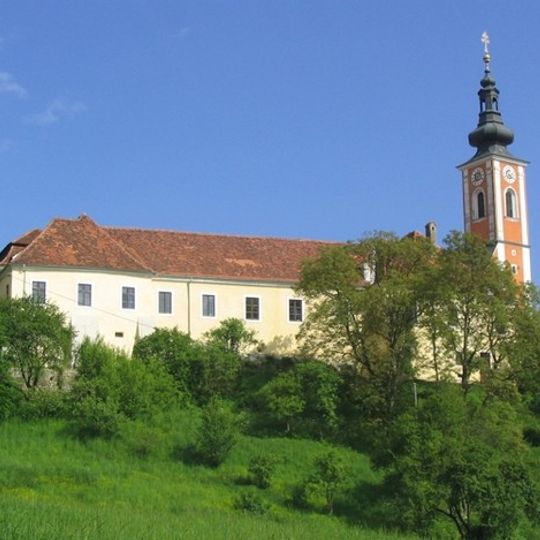
Schloss St. Georgen an der Stiefing is a Styrian castle in Sankt Georgen an der Stiefing that forms a structural unit with the parish church of St. Georgen, originally a castle church. Its present appearance is shaped by Renaissance work carried out after 1555 under Andre von Glojach, including the stone open-air staircase in the courtyard. The Rittersaal was remodelled in late Baroque style in 1755, and statues from Veit Königer's workshop, made in 1769, stand in the courtyard and on the Johannishügel.
The castle was first documented in 1147, when Rupertus of St. Georgen donated vineyards on the nearby Aframberg to Admont Abbey. Count Luitold I of Plain (1122–1164) is regarded as the founder of the castle and church. After the Counts of Plain died out in 1253, the estate passed to the Bishops of Seckau. In 1480 Matthias Corvinus's troops occupied it, and in 1481 Frederick III's forces retook it.
The Rittersaal was refitted in late Baroque style in 1755 under Joseph Egkh von Hungerspach and his wife Maria Anna, whose coat of arms still marks the main portal. Since 2011 the castle has served entirely the massage school founded by Franz and Christine Reinisch, who bought it in 1981.
Visitors can explore the castle through guided tours that provide access to Renaissance elements and Baroque interiors. It is best to check ahead about opening times and current activities before planning a visit.
The castle forms a historic structural unit with the parish church of St. Georgen, originally its castle church. In 1925 the writer Paul Ernst bought the castle; he and his wife Else were buried on the Johannishügel in front of it, where statues by Veit Königer's workshop stand.
The community of curious travelers
AroundUs brings together thousands of curated places, local tips, and hidden gems, enriched daily by 95,341 contributors worldwide.