Kammerhofmuseum Bad Aussee, museum in Bad Aussee, Austria
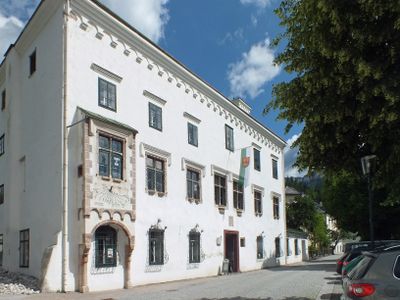
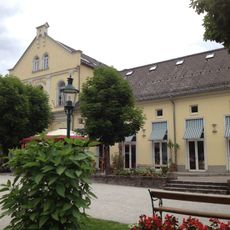
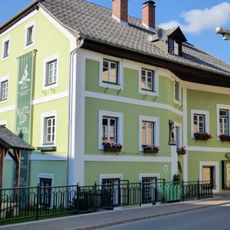
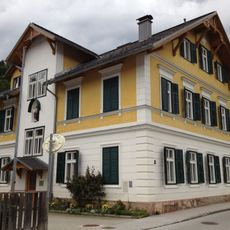
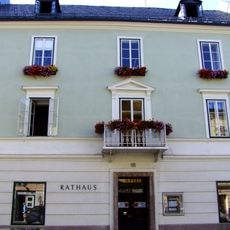
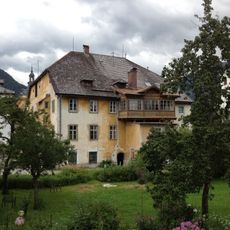
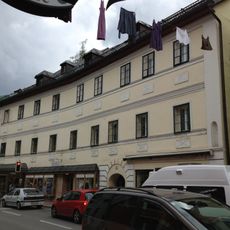
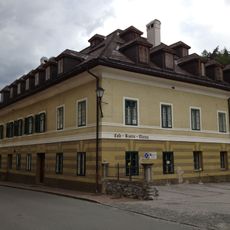
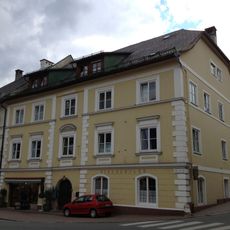
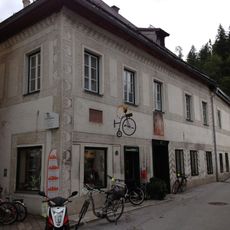
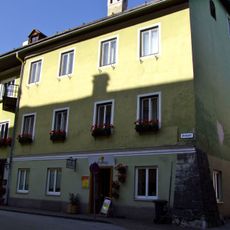
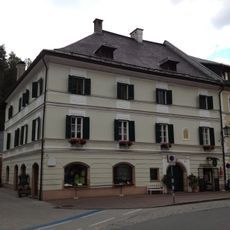
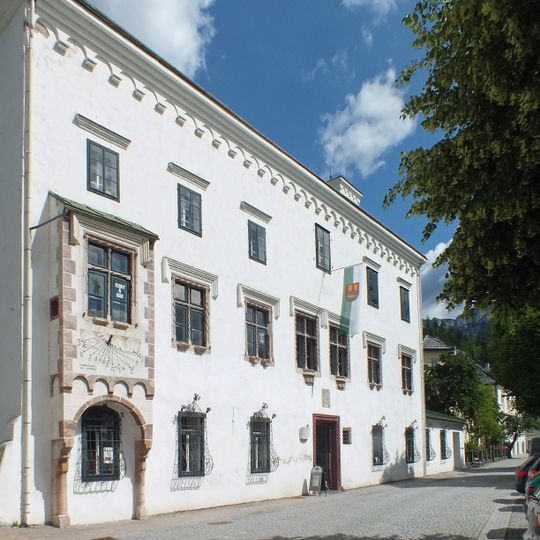
Kammerhofmuseum Bad Aussee is a museum housed in a late medieval building with a pointed roof located in the town center's old quarter. The collection displays objects related to local salt production, archaeological finds from prehistoric sites including ancient animal bones, traditional musical instruments, folk costumes, and historical photographs documenting regional life and development.
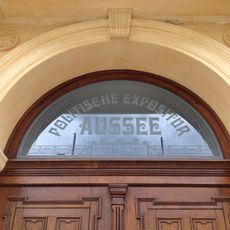
The building was first documented in 1395 and dates to that period, with windows and door frames from around 1530 still visible. It served as the salt master's office until 1926, was purchased by the town in 1971, and opened as a museum in 1978.
The building reflects the area's deep connection to salt production, which operated here until 1926 and shaped local life for centuries. Visitors see traditional musical instruments, festival masks and costumes from the Flinserlfasching celebration that has existed for over 250 years, and displays organized around seasonal customs and life events.
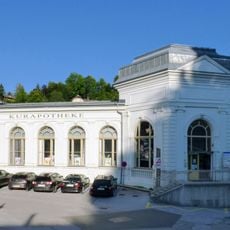
The Kammerhof stands in the centre of Bad Aussee, in the Salzkammergut; the museum occupies the historic building itself, so visitors should look for the Kammerhof rather than a separate museum entrance. Parts of the original structure survive, though the former courtyard wall, the outbuildings and the northern staircase were removed in 1971 when the spa centre was rebuilt. The Kaisersaal with its landscape frescoes is on the upper floor.
The Kaisersaal frescoes, painted between 1740 and 1756, show landscapes of Bad Aussee, Altaussee and Grundlsee; Emperors Frederick III and Maximilian are said to have stayed in this hall. The museum also holds finds from the Salzofenhöhle, a Palaeolithic hunting station in the Totes Gebirge, along with Bronze and Iron Age relics from the Ausseerland.
The community of curious travelers
AroundUs brings together thousands of curated places, local tips, and hidden gems, enriched daily by 94,045 contributors worldwide.