Tumulus Großmugl, Archaeological burial site in Lower Austria, Austria
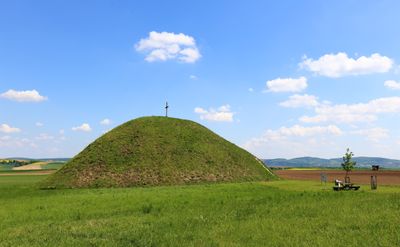
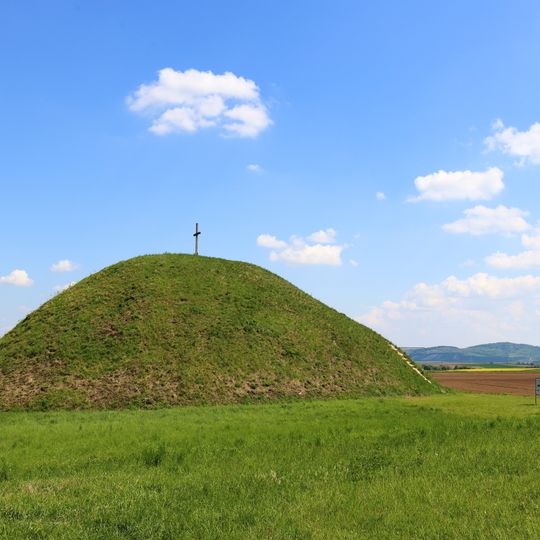
The Großmugl tumulus is an Iron Age burial mound that rises about 16 meters above the surrounding plain and represents the largest Hallstatt-period grave mound in Central Europe. The structure has remained largely unexcavated since its discovery and stands as one of the few completely preserved examples of this type.
The mound was built between 750 and 450 BC during a period when powerful rulers controlled territories from fortified centers. This era shaped Iron Age society and left structures that survived more than 2000 years.
The name of the nearby village Großmugl comes from this mound and appears in records from 1298 as Grassemugl, meaning large steep hill. The prominence shaped how people understood and named their landscape for generations.
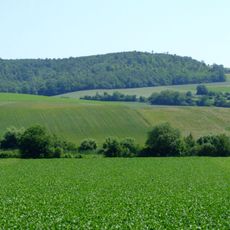
The mound sits in open countryside and is visible from various angles but is best explored on foot. Visitors should note that on-site facilities are minimal and interpretive signage is limited.
Modern survey methods without excavation revealed an extensive ritual site near the mound with additional structures. The main burial mound itself was deliberately left untouched, offering a rare view of an intact Iron Age grave site.
The community of curious travelers
AroundUs brings together thousands of curated places, local tips, and hidden gems, enriched daily by 60,000 contributors worldwide.