Stolin, city in Belarus
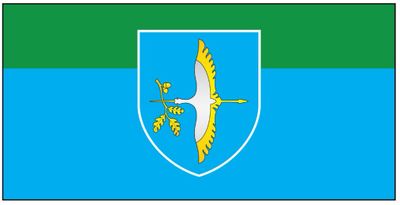
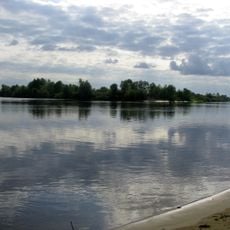
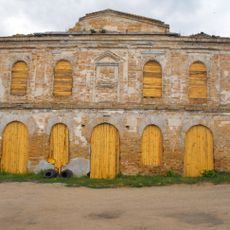
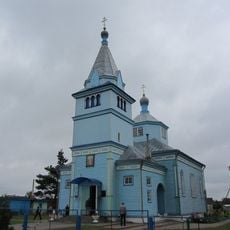
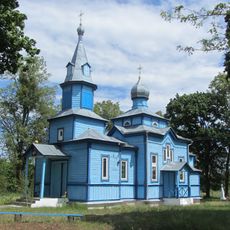
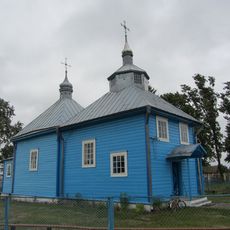
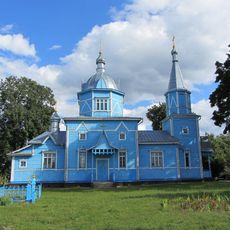
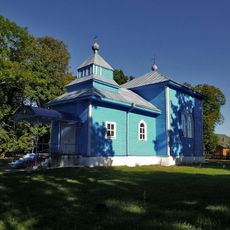
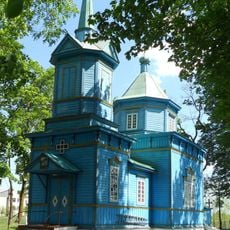
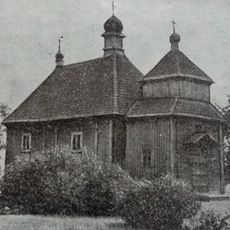
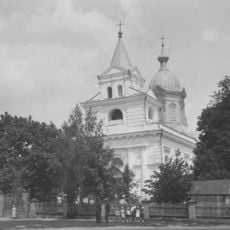
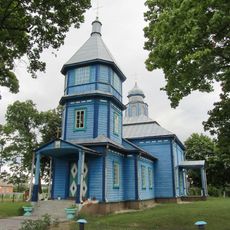
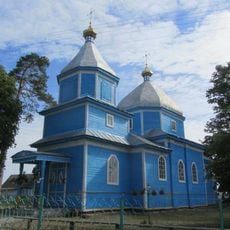
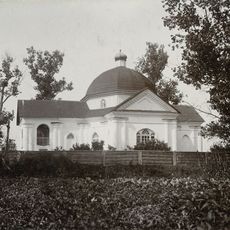
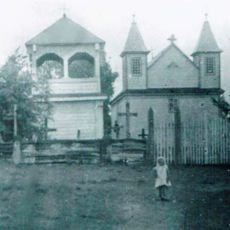
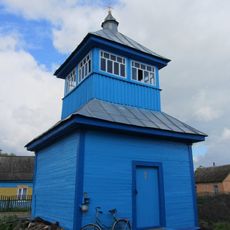
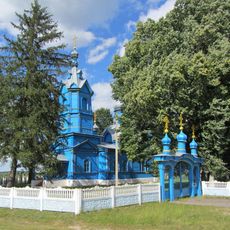
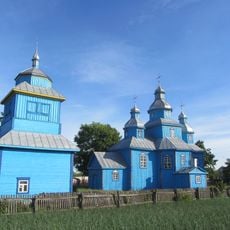
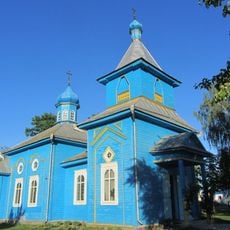
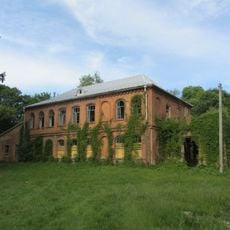
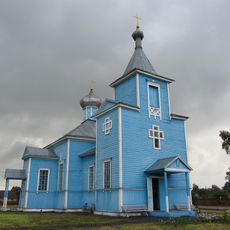
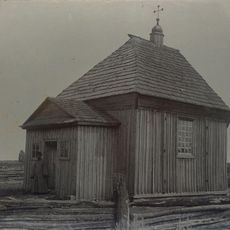
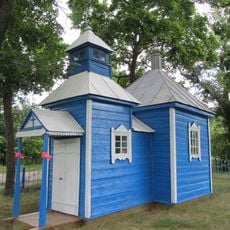
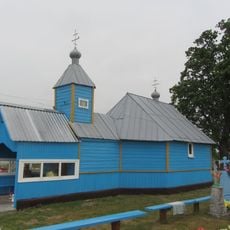
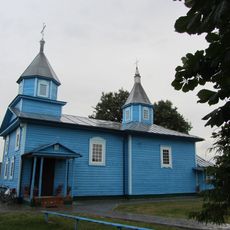
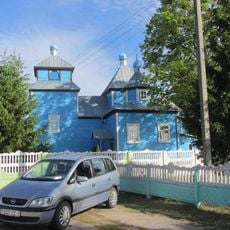
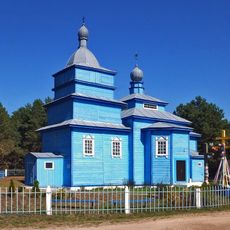
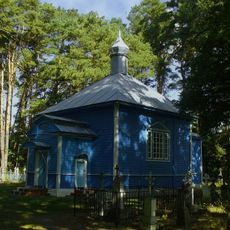
Stolin is a small city in Belarus' Brest Region, situated near the Ukrainian border along the Horyn River. It stands at a crossroads of important roads and features buildings from the late 1800s and early 1900s, including a wooden Orthodox church from 1938 and the remains of a synagogue built in 1793.
The place was first documented in 1555 and served as an important crossroads for trade routes between Pinsk, Davyd-Haradok, and Kyiv. The name may derive from local fishermen catching 100 fish or from twelve brothers who met there, making Stolin a center for the region.
Stolin has a mixed linguistic culture where Russian dominates daily life, while locals speak dialects combining Belarusian and Ukrainian elements. On market days, many Ukrainians visit, making the town a place where different cultures meet.
The city is accessible by bus or train, with the station slightly outside the center and buses connecting to the town center. The place moves at a relaxed pace with open streets best explored on foot, offering parks and squares for rest, plus accommodation and dining options for visitors.
During German occupation in World War II, a Jewish ghetto was established in 1942 holding about 7000 people before being destroyed in September 1942. A memorial in the central square today recalls the town's first mention in 1555 and its complex past.
The community of curious travelers
AroundUs brings together thousands of curated places, local tips, and hidden gems, enriched daily by 91,269 contributors worldwide.