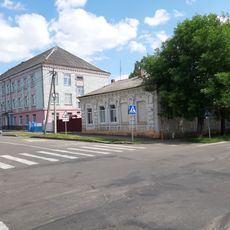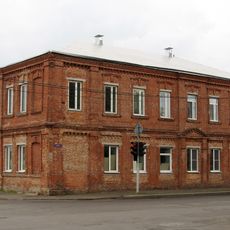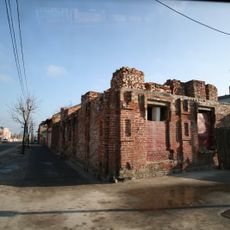
Hlusk Castle, Medieval castle in Hlusk, Belarus.
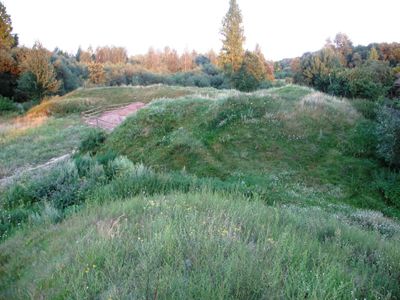
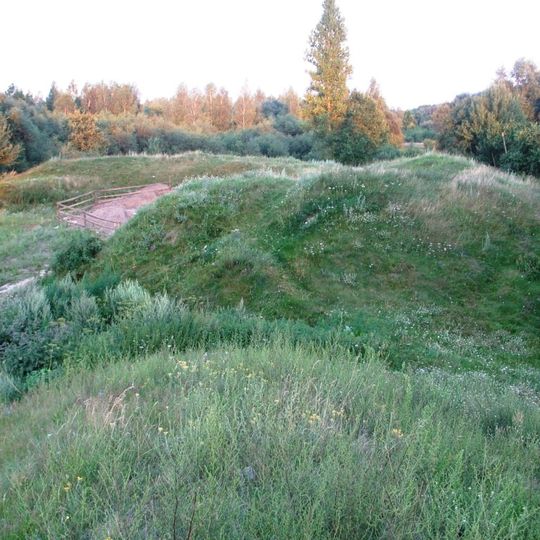
Hlusk Castle is a bastion fortress built between 1670 and 1675 on the right bank of the Ptich River, on the site of an earlier wooden castle. Its pentagonal inner yard is enclosed by sand-and-clay curtains and five bastions rising 5–7 m above the yard, surrounded by a moat fed from the river. A three-tiered stone gate tower with an iron-clad gate, portcullis and drawbridge stood on the town side, and a two-tiered Water Gate faced the river.
Prince Yuri Holshansky-Dubrovitsky built a wooden castle here in the early 16th century on the right bank of the Ptich. Cossacks of Ivan Zolotarenko burned it in March 1655; after tax exemptions, Aleksander Hilary Połubiński raised a bastion fortress between 1670 and 1675. In 1690 it passed through his daughter Anna Maria to Dominik Radziwiłł.
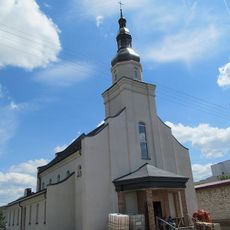
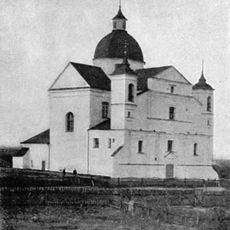
The castle's name comes from Hlusk-Dubrovitsky, the town founded around it by Yuri Holshansky-Dubrovitsky. A 1667 privilege reserved ground inside the fortifications for a Bernardine church, monastery and garden, and the monks' land rights were still disputed in court by Albrecht Radziwill in 1784. The Bernardine church was blown up in 1944.
Visitors can reach the castle site by taking regional bus services from Mogilev to Hlusk, which operate regularly throughout the day. The journey provides access to the fortress from the regional transportation hub.
The bastion fortress was built in the Old Dutch school of fortification: an inner pentagonal courtyard ringed by ramparts and five bastions of sand and clay rising 5–7 m, linked by an underground passage used during shelling. The three-tiered stone gate tower had iron-clad doors, a portcullis and a drawbridge.
The community of curious travelers
AroundUs brings together thousands of curated places, local tips, and hidden gems, enriched daily by 94,607 contributors worldwide.