Кагальный колодец, Spring at Castle Hill, Mscislaŭ, Belarus
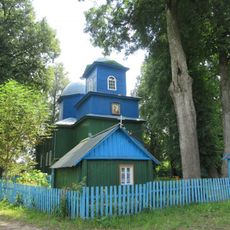
Kahalny Well sits at the base of Castle Hill and features a chapel, covered shelters, and a bathing platform with safety railings for visitors. The water comes from a natural spring that remains accessible year-round within a protective structure.
The spring was historically called Zdorovets and served as Mstislavl's main source of drinking water, also filling the town's defensive moat. Its modern name reflects Jewish roots: kahalny means "public", and Jewish carters once delivered its water to townspeople's homes. A path beside the well is where the Nazis led Jews to their execution in 1941. In August 2014 improvement works began; a chapel dedicated to the Tupichev Icon of the Mother of God was built over the spring and consecrated in December 2014 by Archpriest Timofey, and a baptismal font was added nearby.
The name "Kagalny" comes from the Yiddish word for "public": Jewish carters once drew water here and delivered it to the town's homes. Since 2014 a chapel dedicated to the Tupichev Icon of the Mother of God stands over the spring, consecrated in December 2014 by Archpriest Timofey, and a path beside the well is the route along which Nazis drove Mstislavl's Jews to their execution in 1941.
Water can be collected directly from the spring throughout the year, and bathing facilities are available regardless of the season. The site is fully equipped with handrails and protective structures to ensure safe access for all visitors.
The well's historical name was Zdorovets, and its water once filled the defensive moat of Mstislavl. Nearby runs the path along which Nazis led Jews to execution in 1941. In August 2014 a chapel dedicated to the Tupichev Icon of the Mother of God was built over the spring, and in December 2014 it was consecrated by Archpriest Timofey.
The community of curious travelers
AroundUs brings together thousands of curated places, local tips, and hidden gems, enriched daily by 94,426 contributors worldwide.