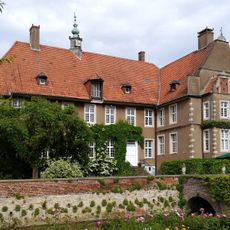
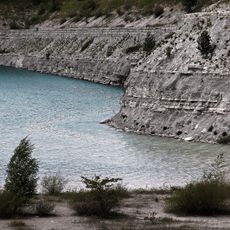
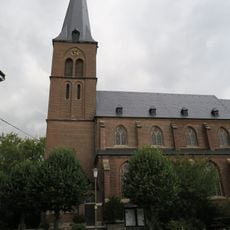
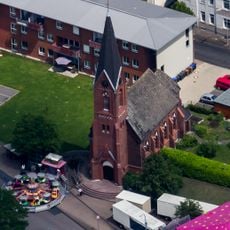
Westphalie-Lippe, Administrative territory in North Rhine-Westphalia, Germany.
Westphalie-Lippe is an administrative territory in North Rhine-Westphalia that spreads across a broad area and is home to about 7.9 million people. The region is divided into three governmental districts: Arnsberg, Detmold, and Münster, each with its own administrative structure.
This territory formed in 1947 from the merger of the Province of Westphalia and Lippe following the British military administration's reorganization of northwestern German regions after World War II. This combination shaped the region's political and administrative structure for decades to come.
The Westphalian dialect, a Low German variant, shapes how people in this region speak in everyday life. Catholic and Protestant traditions have left their mark on local communities and how they celebrate together.
The territory is made up of 26 districts and independent cities, each with its own local government responsible for different services. Visitors should know that services and infrastructure can vary from place to place, so it helps to learn about your specific destination beforehand.
The white horse on a red field, known as the Westphalian Steed, is the regional coat of arms symbol that appears on official emblems throughout the area. This symbol carries a long tradition and continues to shape the sense of regional identity today.
The community of curious travelers
AroundUs brings together thousands of curated places, local tips, and hidden gems, enriched daily by 91,652 contributors worldwide.