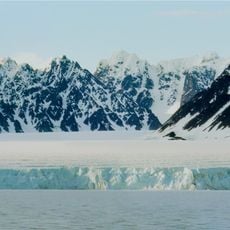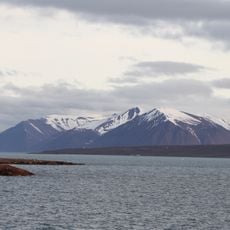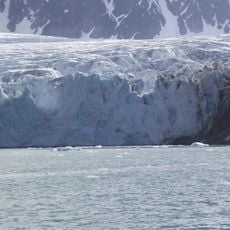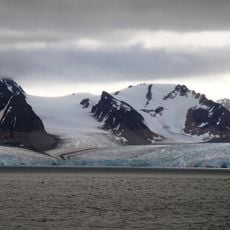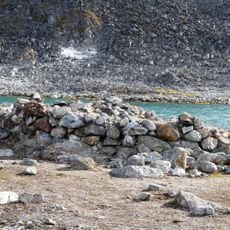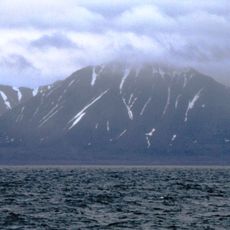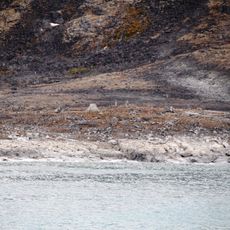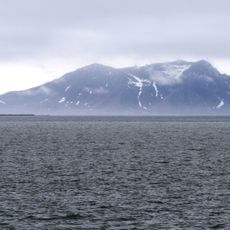
Fram Strait, Deep water strait between Greenland and Svalbard, Norway
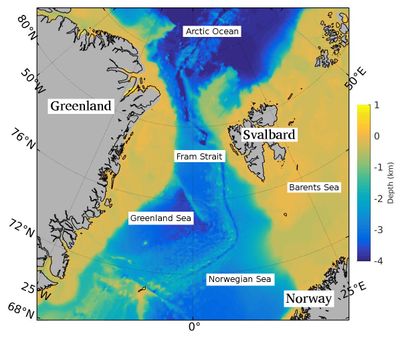
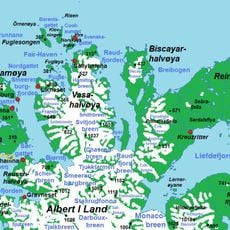
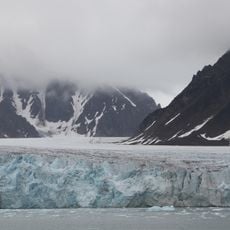
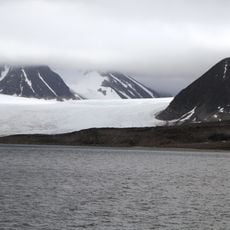
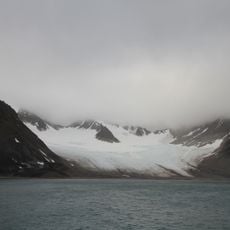
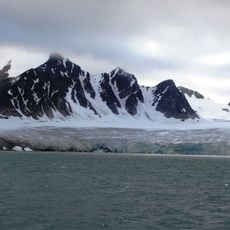
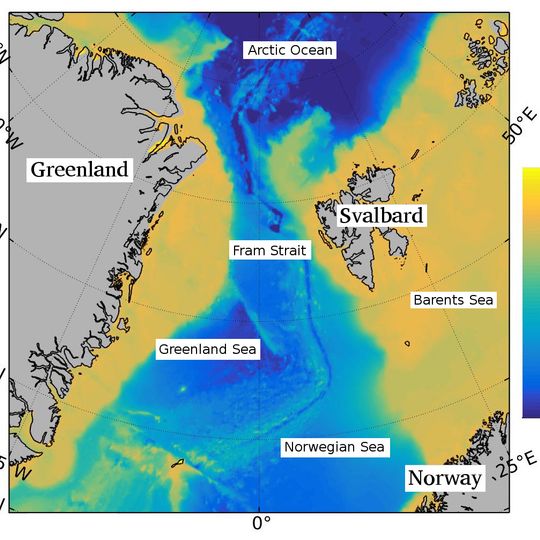
The Fram Strait is a deep water passage between Greenland and Svalbard that connects the Arctic Ocean to the Greenland and Norwegian Seas. It stretches across approximately 450 kilometers and is dominated by vast ice fields that constantly drift southward from the north.
The strait was named after the Norwegian vessel Fram, which drifted through the region in 1893 during Fridtjof Nansen's Arctic exploration. This expedition became a turning point in understanding how Arctic ice and ocean currents move and interact.
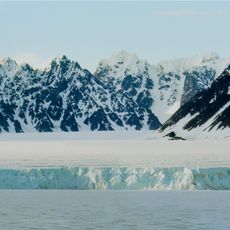
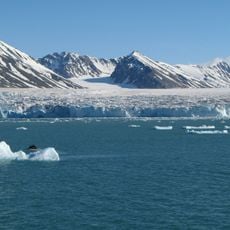
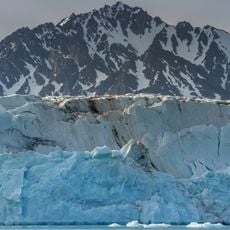
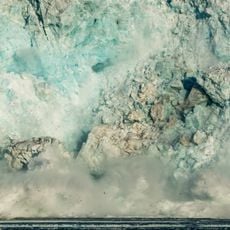
The strait serves as a critical observation point for the Arctic climate system, drawing scientists from multiple nations who study ice movements and ocean currents in this region. Visitors aboard research vessels can witness how ice and water interact to shape this dynamic environment.
Vessels navigating the strait must account for constant ice drift moving at speeds between 10 and 15 kilometers per day. The best time for visits is the brief Arctic summer when ice concentration decreases, though conditions remain unpredictable year-round.
The Molloy Deep within the strait reaches 5,550 meters, marking the deepest point of the entire Arctic Ocean. This underwater canyon reveals the tectonic activity at work beneath the seemingly frozen surface.
The community of curious travelers
AroundUs brings together thousands of curated places, local tips, and hidden gems, enriched daily by 91,915 contributors worldwide.