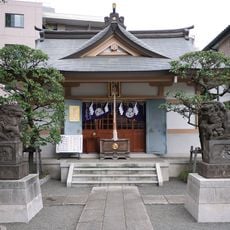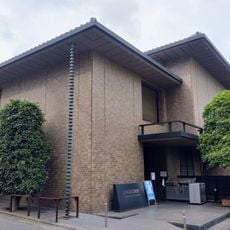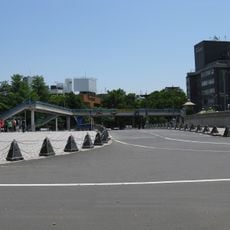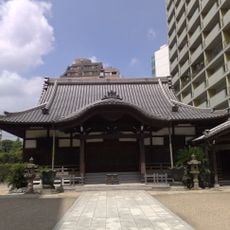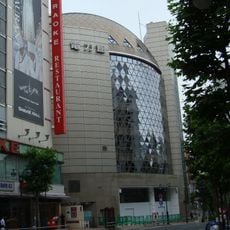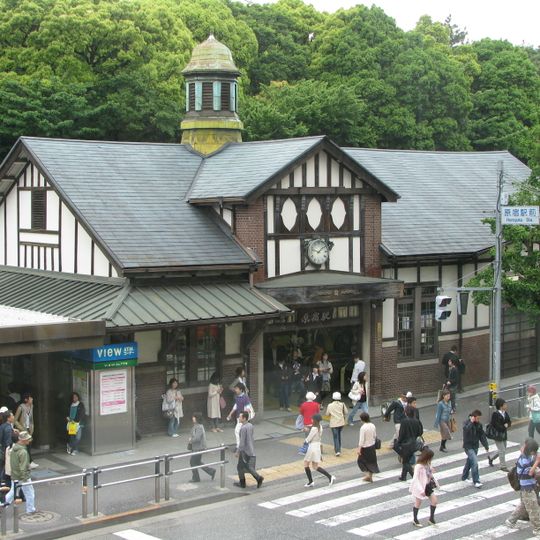
Harajuku, Fashion district in Tokyo, Japan
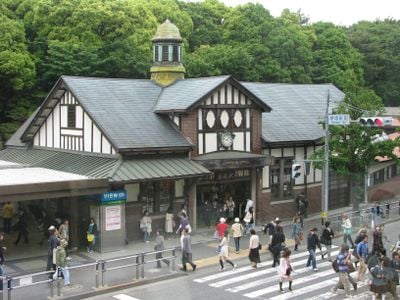
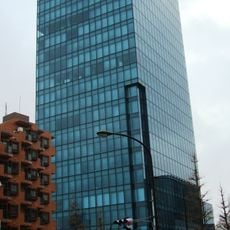
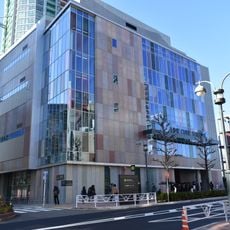
Harajuku is a neighborhood in Jingūmae in central Tokyo that became known chiefly for fashion boutiques and youth culture. The streets are narrow, lined with low buildings and often full of people moving between shops and food stalls.
The area served as a rest stop for travelers during the Edo period and transformed into a center for fashion and youth culture from the 1960s onward. Development accelerated after the 1964 Olympics, when new shops and cafés opened.
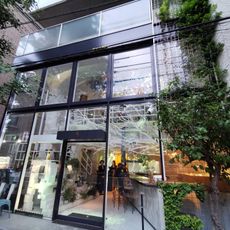
The name comes from a historic outpost and today refers to a district that has drawn young people for decades who want to wear or buy unusual clothing. Many small shops show handmade accessories and uncommon outfits often visited by teenagers from across Japan.
The JR station sits right on the main road and offers access to surrounding neighborhoods as well as the park and shrine nearby. Weekends are usually crowded, while weekdays are calmer.
A curved parallel lane called Cat Street runs away from the main axis and shows a different side of the neighborhood with calmer shops. International brands mix with independent designers there at a more relaxed pace.
Location: Jingūmae
Shares border with: Onden
GPS coordinates: 35.67017,139.70269
Latest update: December 4, 2025 19:02
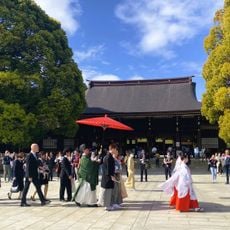
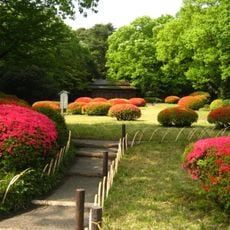
Tokyo offers photographers a wide range of subjects, from centuries-old temples to modern skyscrapers and maintained gardens. The city combines traditional Japanese architecture with contemporary urban design, creating environments that shift throughout the day. Sites like Senso-ji Temple in Taito and Meiji Shrine in Shibuya present religious structures amid urban settings, while Tokyo Skytree in Sumida and Tokyo Tower in Minato provide elevated city views. The city's different districts showcase varied aspects of Japanese culture. Harajuku and Akihabara Electric Town in Chiyoda represent modern youth culture and technology, while Omoide Yokocho in Shinjuku offers a glimpse of postwar dining alleys. Parks including Shinjuku Gyoen National Garden, Yoyogi Park, and Chidorigafuchi Park provide seasonal photo opportunities, particularly during cherry blossom season. Shibuya Crossing demonstrates urban movement, Nakameguro Canal offers waterway perspectives, and locations like Hamarikyu Gardens and Imperial Palace East Gardens show traditional Japanese landscaping. From the observation decks of Roppongi Hills Mori Tower and Tokyo Metropolitan Government Building to the street scenes of Takeshita Street and Ginza District, Tokyo serves different photographic interests.
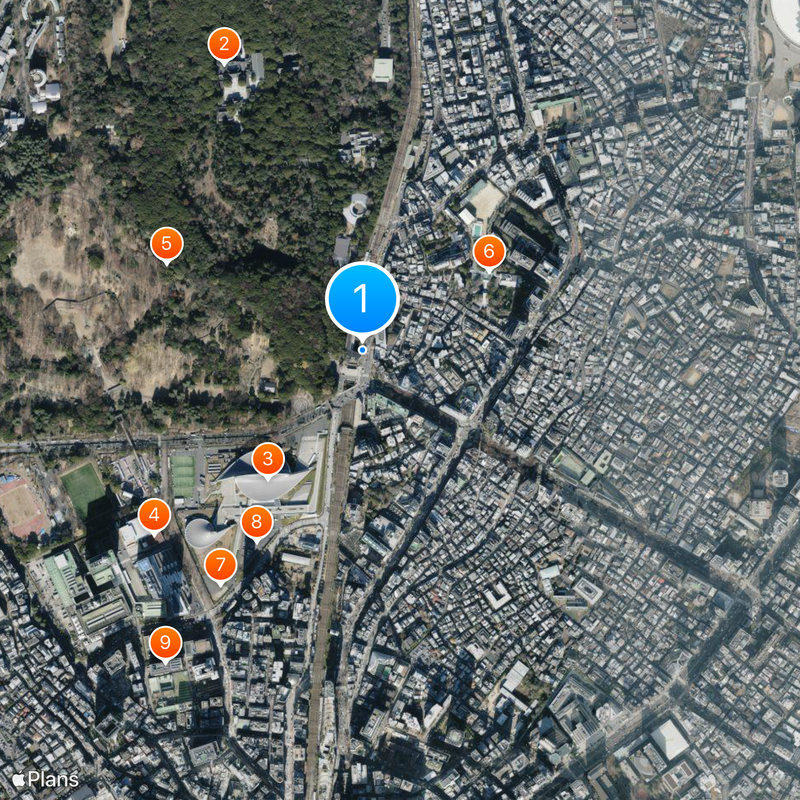
Meiji Shrine
734 m
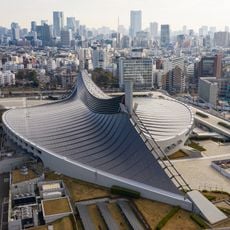
Yoyogi National Gymnasium
369 m
NHK Hall
642 m
Yoyogi Park
495 m
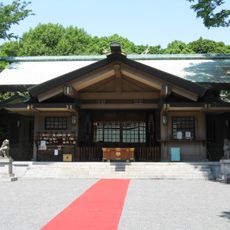
Tōgō Shrine
345 m
AiiA Theater Tokyo
633 m
Shibuya-AX
504 m
Shibuya City Hall
852 m
Aoyama Apartments
708 m
Jingumae Tower Building
337 m
Aoyama Saint Grace Cathedral
874 m
大家的廣場,讓我們連結在一起(大廳)
657 m
Jesus Lifehouse International Church
621 m
原宿站前STAGE
205 m
Aoyama Park Tower
901 m
Shibuya Cast
842 m
Onden Shrine
590 m
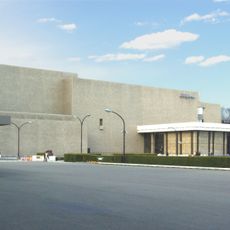
Ōta Memorial Museum of Art
226 m
Jingu Bashi
63 m
Chōsen-ji
449 m
住友不動産原宿ビル
621 m
Meiji Shrine Inner Garden
360 m
Shibuya Public Hall
799 m
妙円寺
815 m
Louis Vuitton
707 m
Yoyogi Park
639 m
TEPCO museum
779 m
Takeshita Street
229 mReviews
Visited this place? Tap the stars to rate it and share your experience / photos with the community! Try now! You can cancel it anytime.
Discover hidden gems everywhere you go!
From secret cafés to breathtaking viewpoints, skip the crowded tourist spots and find places that match your style. Our app makes it easy with voice search, smart filtering, route optimization, and insider tips from travelers worldwide. Download now for the complete mobile experience.
A unique approach to discovering new places❞
— Le Figaro
All the places worth exploring❞
— France Info
A tailor-made excursion in just a few clicks❞
— 20 Minutes