Tauragė, city in Lithuania
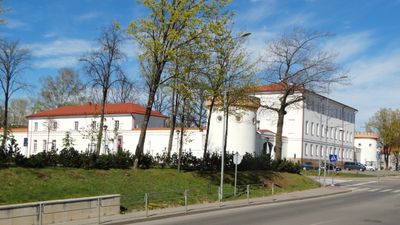
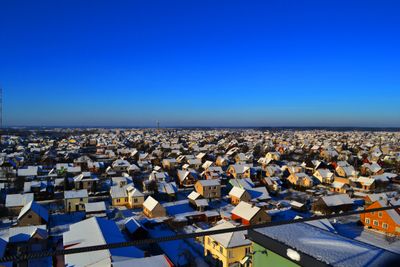
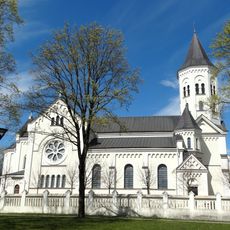
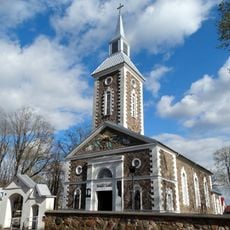
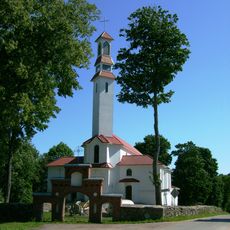
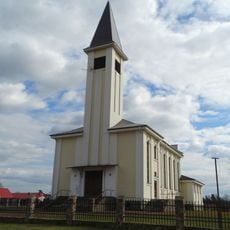
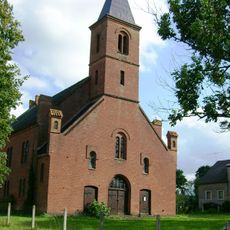
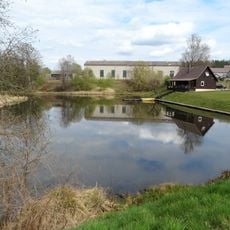
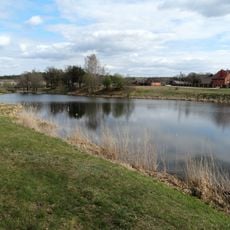
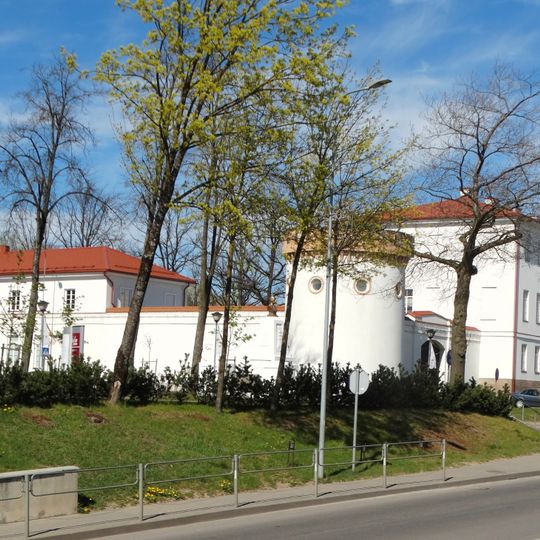
Tauragė is a small city in southwestern Lithuania situated near the Jūra River, featuring a blend of traditional houses with simple ornaments and tiled roofs alongside newer functional buildings. The town center includes a 19th-century church, a main square where locals gather, shops, cafes, and green spaces that form the core of everyday activity.
Tauragė was first mentioned in a map in 1539 and originally served as a trading place along important routes, developing around local industries and river transport over the centuries. The town experienced multiple rulers, suffered significant damage during World War I, was rebuilt afterward, and later played a role in Lithuania's independence movement.
Tauragė has been a meeting point for different cultures over centuries, with its name coming from the Lithuanian word meaning 'horn of an aurochs', an animal that once roamed the region. The town is known by different names in various languages, reflecting its position as a crossroads where Baltic traditions and other influences have mingled.
The town is small enough to explore on foot or by bicycle, with flat simple streets that encourage a leisurely pace and make navigation straightforward. Buses connect the city to nearby towns and villages, while improving cycling paths make it increasingly practical for visitors to travel by bike for shorter journeys within the area.
The city is pursuing ambitious environmental goals and is being developed as one of Lithuania's greenest places, with electric buses for public transport and extensive plans for solar energy and tree planting. Local farmers also practice sustainable farming without chemical fertilizers, forming part of the broader commitment to climate neutrality.
The community of curious travelers
AroundUs brings together thousands of curated places, local tips, and hidden gems, enriched daily by 91,919 contributors worldwide.