Bâc, River tributary in Călărași District, Moldova
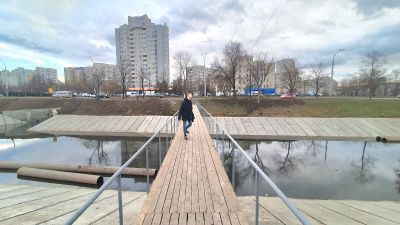
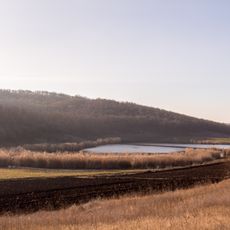
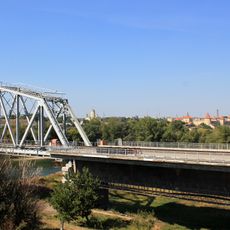
The Bâc River flows approximately 155 kilometers through central Moldova, connecting multiple districts before emptying into the Dniester near Gura Bâcului village. Its water is tested regularly for contamination, with current assessments showing it is unsafe for swimming or recreational use.
The river formed through natural geological processes in the Moldovan landscape and played an important role in irrigation and transport for the region over time. During the Soviet period, authorities built the Ghidighici Dam to create the Chișinău Sea reservoir, controlling recurring floods in surrounding areas.
Local residents share traditional stories about the river's source, which they say comes from a giantess's tears, while pointing to certain rock formations as failed construction attempts by devils.
Access to the river is possible from many points along its course, but it is important to check current conditions and safety information before approaching the water. The best time to explore the riverbanks is during warmer months, when paths are more accessible and the landscape features are clearer to see.
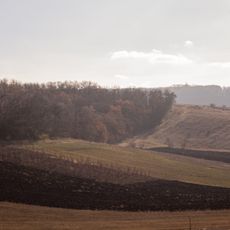
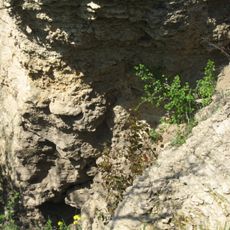
The river cuts deeply through the Codri Hills in its upper section, creating striking geological formations that shape the Moldovan landscape. This canyon formed gradually over thousands of years through water erosion and represents one of the most geologically interesting features of the region.
The community of curious travelers
AroundUs brings together thousands of curated places, local tips, and hidden gems, enriched daily by 60,000 contributors worldwide.