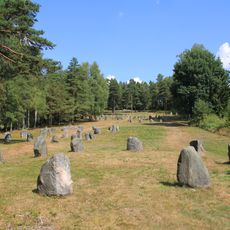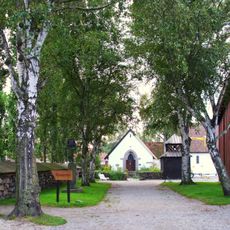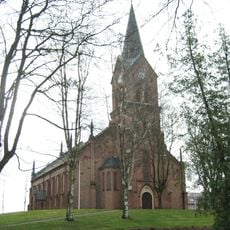
Tune stone, Norse runestone at Historical Museum and Tune Church, Norway
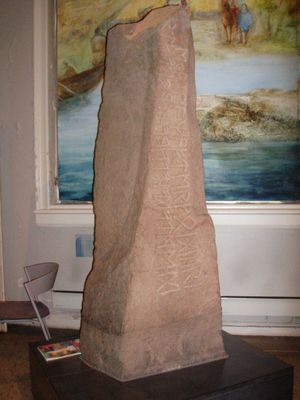
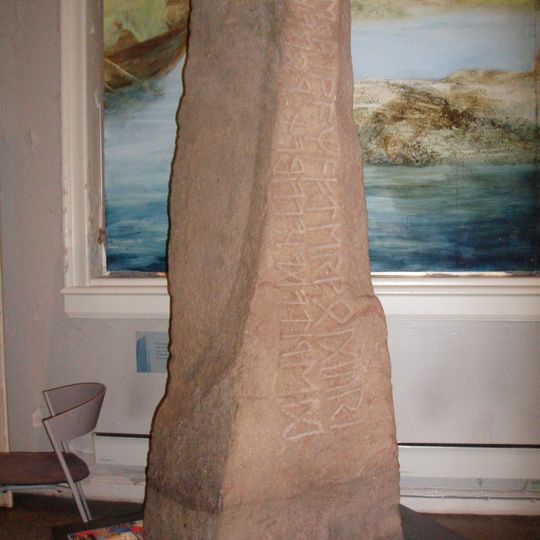
The Tune stone is an early medieval artifact with runic inscriptions on both sides, featuring two lines on the front and three lines on the back. The object is housed at the Norwegian Museum of Cultural History in Oslo for viewing and study.
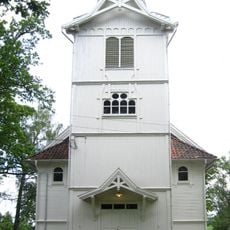
The stone was discovered in 1627 embedded in the churchyard wall of Tune Church in Østfold, with inscriptions dating to around 200-450 AD. The find shows how such monuments remained buried for centuries until rediscovered during church renovations.
The inscriptions mention Woduride and three daughters who organized funeral ceremonies, showing how Norse families marked important moments and passed down property. These details reveal what mattered most to the people who created this stone.
You can view this early medieval stone at the Norwegian Museum of Cultural History in Oslo during regular opening hours. The object is relatively small and easy to miss, so ask staff if you need help locating it.
The stone features text written in boustrophedon style, where lines alternate direction, allowing readers to follow them from left to right and right to left. This unusual writing method was rare in early runic tradition and makes this stone a remarkable example of ancient Norse writing practices.
The community of curious travelers
AroundUs brings together thousands of curated places, local tips, and hidden gems, enriched daily by 60,000 contributors worldwide.