Viking Ship Museum, Maritime research museum in Bygdøy peninsula, Oslo, Norway
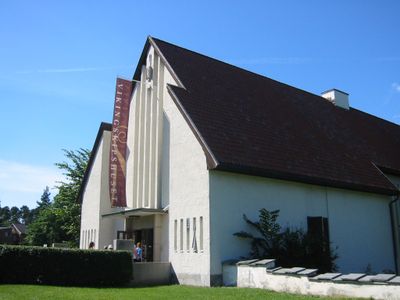
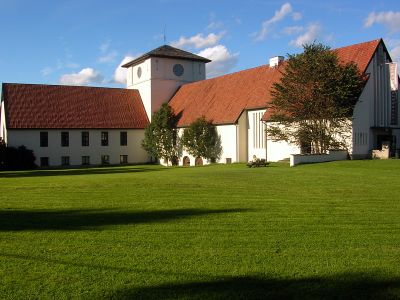
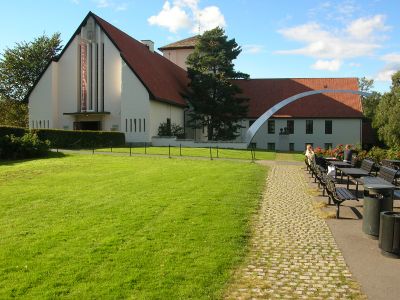
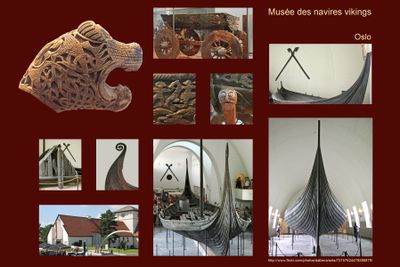
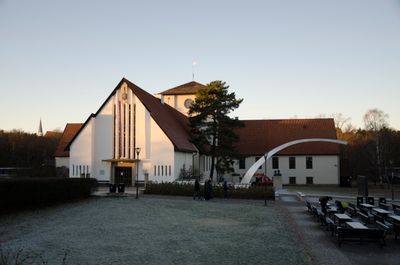
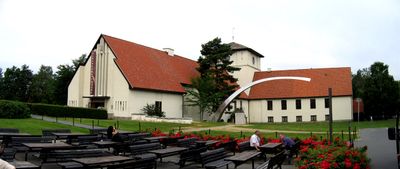
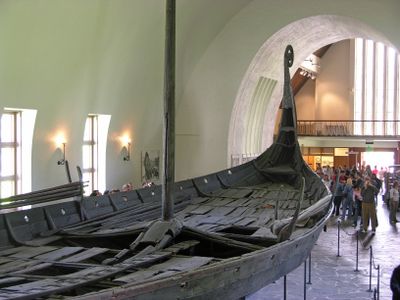
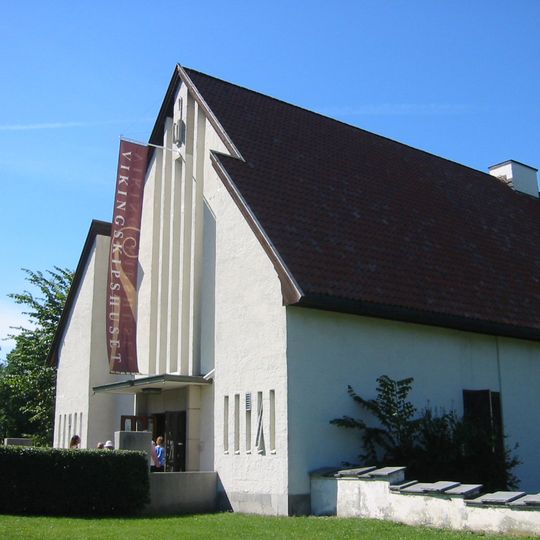
The Viking Ship Museum is a maritime research institution and exhibition space on the Bygdøy peninsula in Oslo, Norway, focused on Scandinavian shipbuilding from the early medieval period. The halls display three longships from different centuries, each with preserved planks, oars, and anchors recovered from burial mounds along the Norwegian coast.
Swedish researchers proposed the museum in 1913 after Norwegian farmers uncovered burial mounds containing complete Viking ships on their land. Architect Arnstein Arneberg won the design competition and opened the building on Bygdøy a few years later.
Visitors see how Viking ships served different roles, from ocean crossings to funeral ceremonies where families buried their leaders with valuable goods. The objects placed in the graves include tools, textiles, and animal bones, offering insight into Norse beliefs about life after death.
The museum undergoes a major renovation until 2027 and remains closed during this period. Viking finds can be seen at the Historical Museum in central Oslo instead, reachable by foot or public transport.
The Oseberg ship, excavated in 1904, ranks as the largest known ship burial worldwide and shows carved animal heads with intertwined Norse patterns. The burial chamber inside the vessel held two women, raising ongoing questions about their identity.
The community of curious travelers
AroundUs brings together thousands of curated places, local tips, and hidden gems, enriched daily by 92,015 contributors worldwide.