Tjuvholmen, Neighborhood in Oslo, Norway
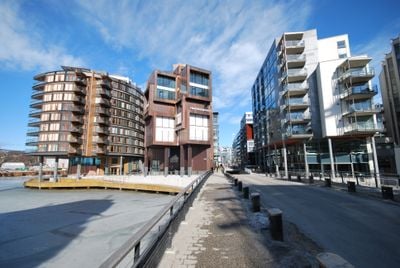
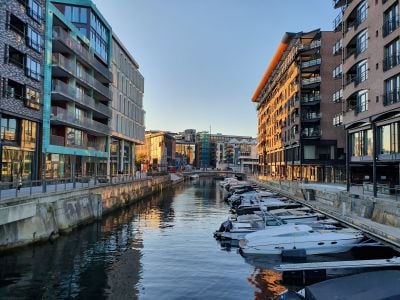
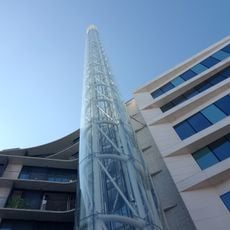
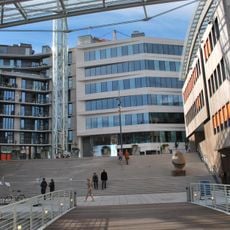
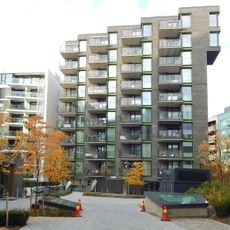
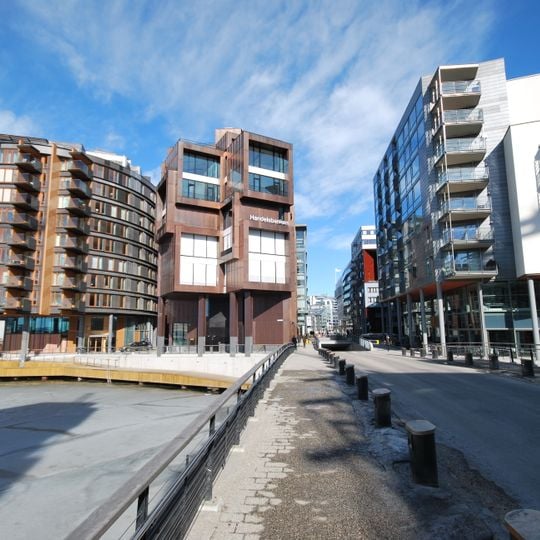
Tjuvholmen is a waterfront district at the tip of a small peninsula extending from Aker Brygge into the Oslofjord, made up of three parts separated by narrow canals: Akerodden, Tjuvholmen proper, and the artificial island of Skjæret. This redeveloped port area now holds contemporary apartment blocks, offices, galleries, and a small beach, with a broad promenade curving along the water's edge.
The name comes from tjuv, meaning thief, because executions of thieves took place on the islet in the 18th century. The port authority built docks here starting in the 1920s, and after years of shipping and office use, the area was sold for redevelopment in 2005 and rebuilt as housing and cultural space.
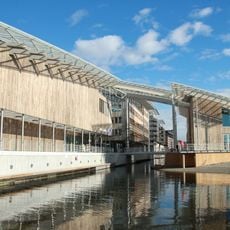
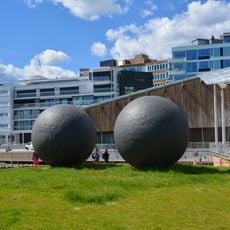
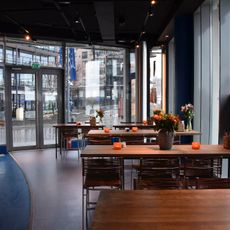
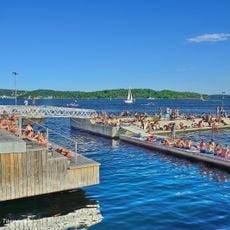
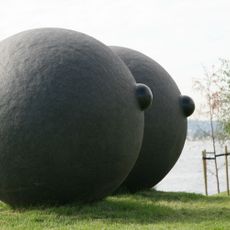
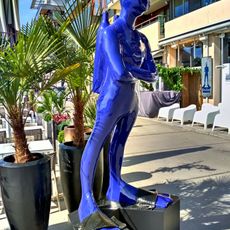
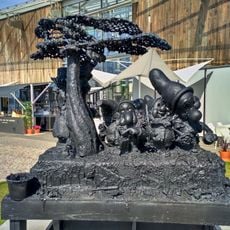
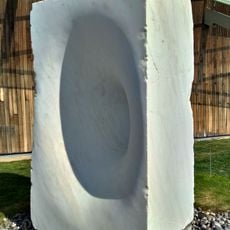
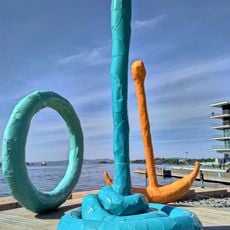
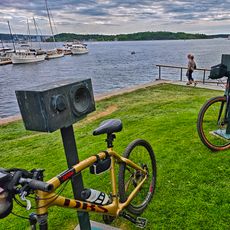
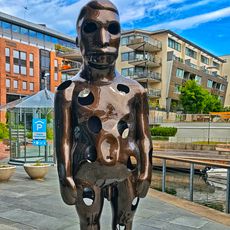
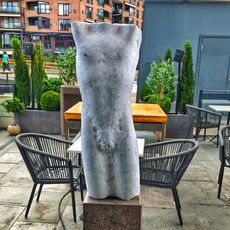
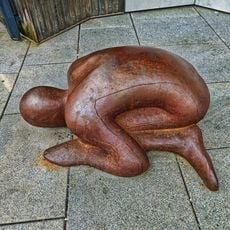
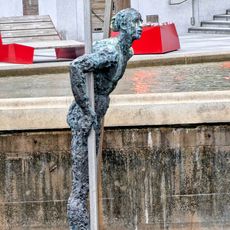
The outdoor sculpture park spreads on both sides of the Astrup Fearnley Museum, with large contemporary pieces placed across lawns and quays where visitors wander freely. Along the inner canals, people sit on public steps with coffee, and in summer the small beach near the museum fills with swimmers and sunbathers.
The area is mostly flat and accessible, with ramps and smooth surfaces that make walking easy for wheelchairs and strollers. It connects directly to Aker Brygge and the wider harbor promenade, so comfortable shoes and extra time are useful for continuing along the waterfront on foot.
The rock beneath the former islet is where the geologist Leopold von Buch first identified and named rhomb porphyry during a visit in the early 1800s. A narrow band of this lava rock can still be traced through the city, from this waterfront site to the hills north of Oslo.
The community of curious travelers
AroundUs brings together thousands of curated places, local tips, and hidden gems, enriched daily by 91,519 contributors worldwide.