Bukovina, Historical region between Romania and Ukraine
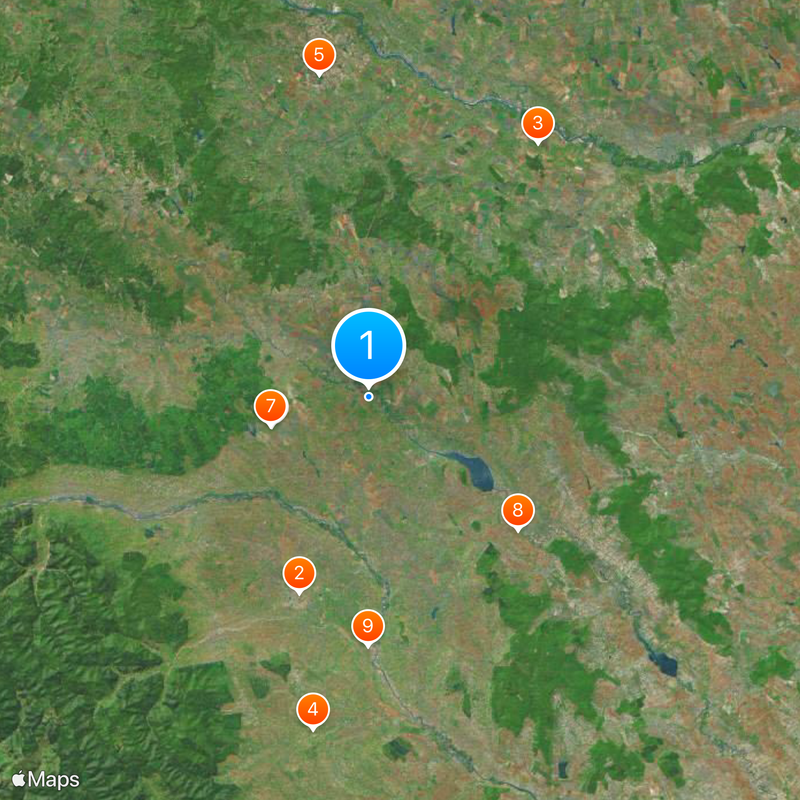
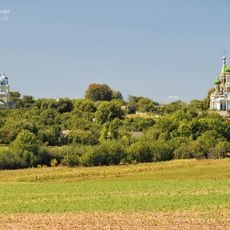
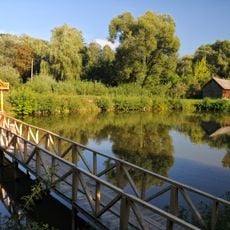
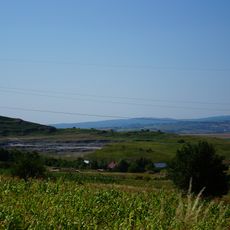
Bukovina is a historical region in the northeastern Carpathians and the surrounding lowlands, stretching across northeastern Romania and southwestern Ukraine. The landscape shifts between forested mountain slopes, rolling hills and flat farmland, with rivers such as the Prut and Siret marking borders.
The area came under Habsburg rule in 1774 after the Ottoman Empire ceded it through diplomatic agreement. Following the First World War, it was divided between Romania and the Soviet Union, with the present-day border in place since 1947.
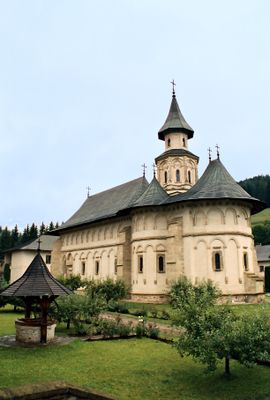
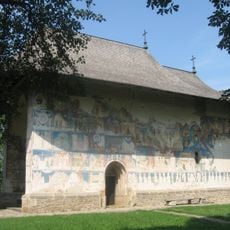
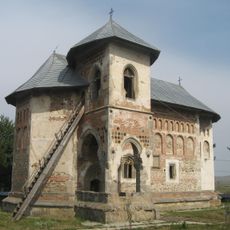
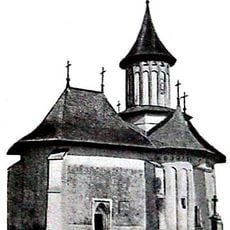
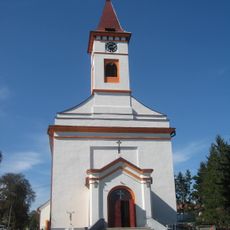
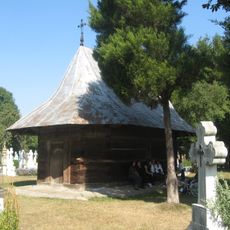
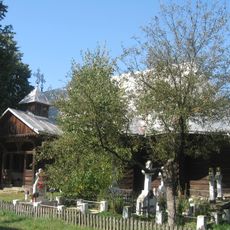
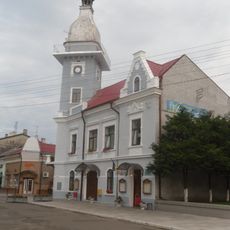
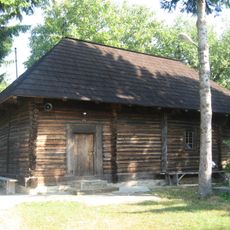
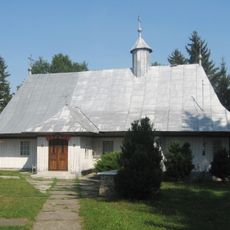
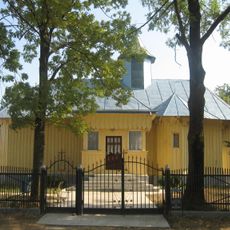
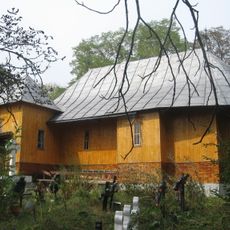
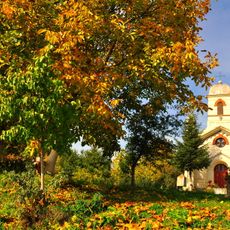
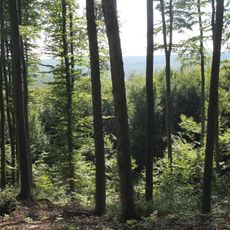
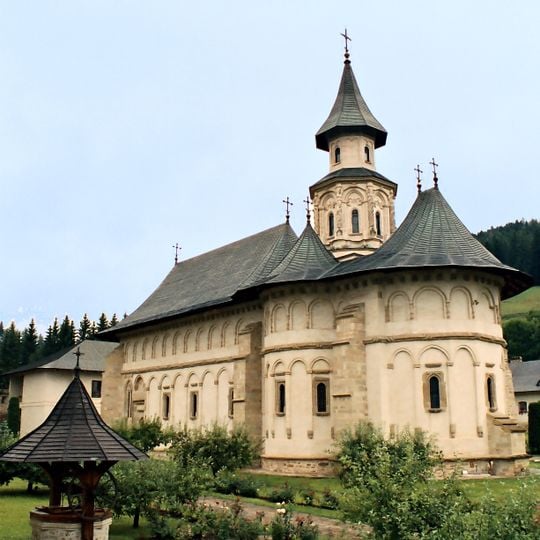
The region takes its name from the Slavic word for beech forest, a reference to the dense woodlands that still cover much of the landscape. In villages and small towns today, you can see wooden churches, painted monasteries and traditional houses reflecting the different communities that settled here.
The northern part lies in the Ukrainian Chernivtsi Oblast, while the southern part forms the Romanian Suceava County, with the border between them involving different visa requirements. Travelers should use border crossings open to pedestrians or vehicles and allow extra time for formalities.
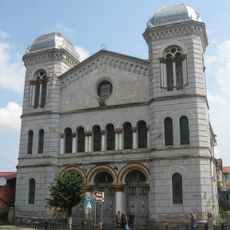
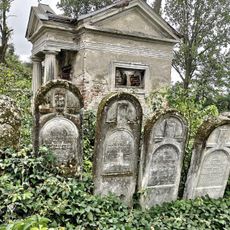
During the Habsburg period, the first state-funded Jewish school in Central Europe was established here, teaching both religious and secular subjects. In some villages, old Jewish cemeteries with headstones in Hebrew and German script remain visible today.
The community of curious travelers
AroundUs brings together thousands of curated places, local tips, and hidden gems, enriched daily by 91,398 contributors worldwide.