Bear Island, Remote island in Arctic Ocean, Norway.
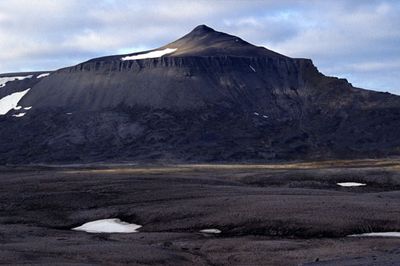
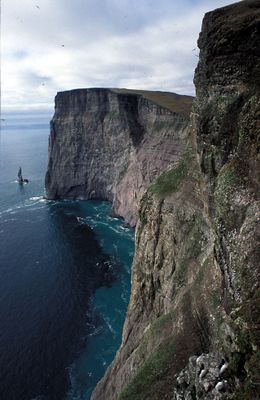
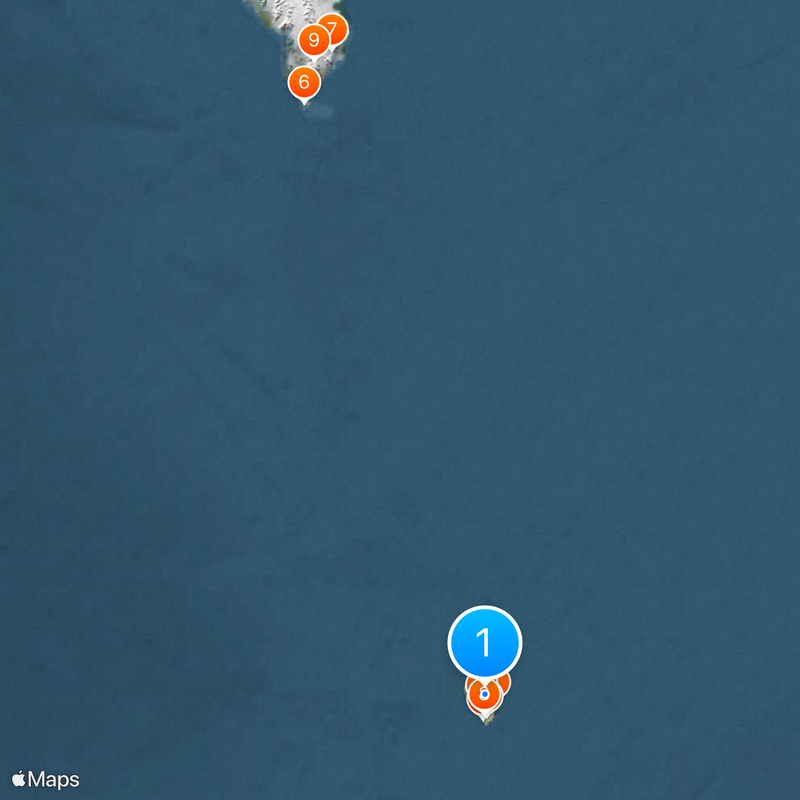
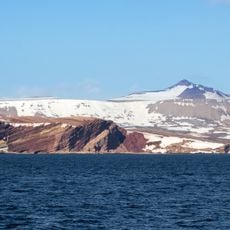
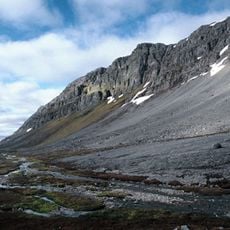
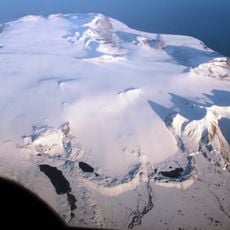
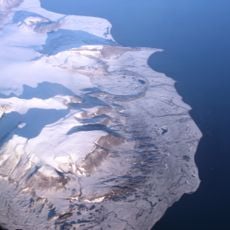
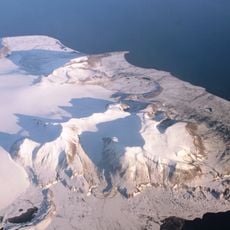
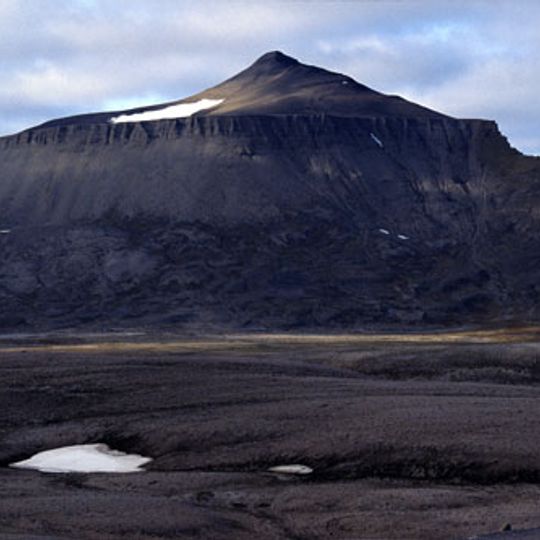
Bear Island is a remote island in the Arctic Ocean between mainland Norway and Spitsbergen, part of the Svalbard archipelago. The landscape shows sharp contrasts: steep cliffs in the south rising to 536 meters (about 1,760 feet) at Miseryfjellet, and a flat plain dotted with lakes in the northern section of the island.
Willem Barentsz discovered the island in 1596 during a Dutch Arctic expedition and named it after a polar bear he saw swimming in the coastal waters. Later, Norwegian companies ran coal mining operations here from 1916 to 1925, but these were abandoned due to harsh conditions and limited profitability.
The name comes from Willem Barentsz, who saw a polar bear in the surrounding waters in 1596 and chose this simple reference for his maps. The abandoned remains of Tunheim settlement with its small steam locomotive recall the coal mining years that ran from 1916 to 1925.
Strong winds and frequent fog make travel difficult, so access to the island remains very limited and irregular. A Norwegian weather station with a few staff is the only permanent facility on site.
The southern cliffs of the island host one of the Northern Hemisphere's largest seabird colonies, with guillemots, kittiwakes, and northern fulmars. These nesting grounds draw millions of birds during the short Arctic summer months.
The community of curious travelers
AroundUs brings together thousands of curated places, local tips, and hidden gems, enriched daily by 91,851 contributors worldwide.