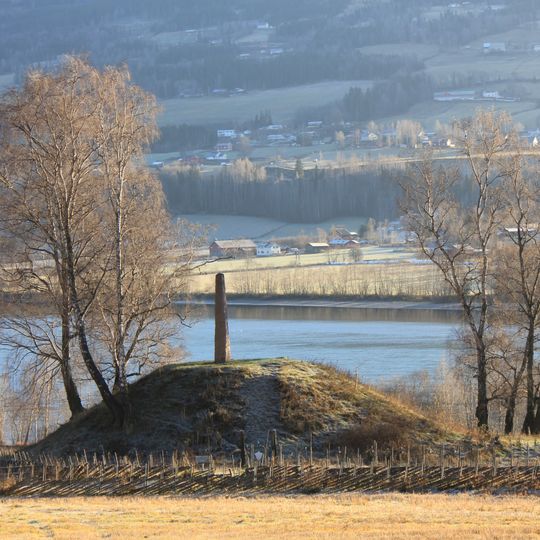
Dale-Gudbrand's farm, Archaeological site with Iron Age burial mounds in Hundorp, Norway
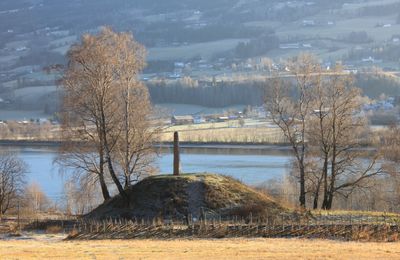
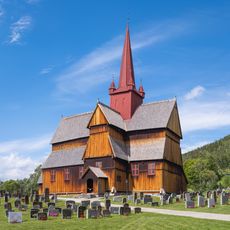
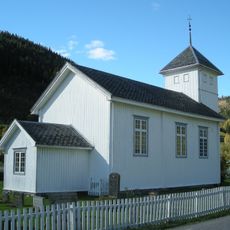
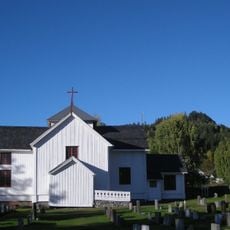
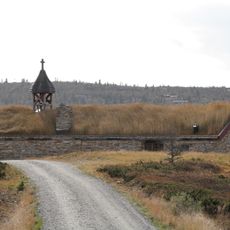
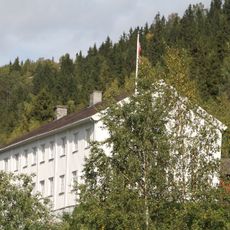
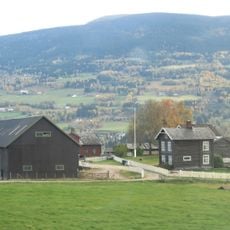
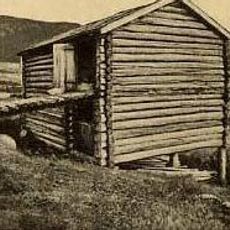
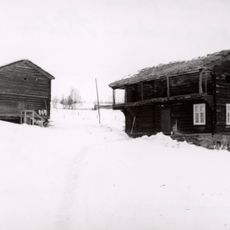
Dale-Gudbrand is an archaeological site featuring four large burial mounds measuring between 23 and 32 meters in diameter, standing on ancient farmland in the Gudbrand Valley. The property now contains a hotel, function spaces, museums, and a Pilgrim Centre alongside the earthen mounds.
The site gained prominence in 1021 when King Olaf II met with Dale-Gudbrand, an event that led to the region's conversion from Norse religion to Christianity. This encounter marked a turning point in the valley's religious and cultural history.
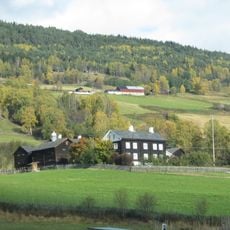
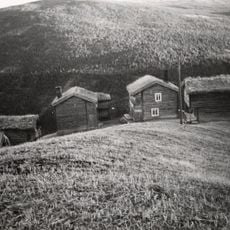
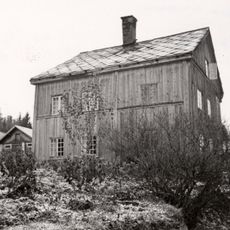
Skrivargarden, built in 1840, displays wall paintings by artist Ragavald Einbu on its restored upper floor. These works reflect how local craftspeople decorated their homes and the artistic tastes of that era.
The grounds are best explored on foot with sturdy shoes, as the burial mounds sit on open fields with walking paths. Plan for variable weather and bring layered clothing, as the valley location means exposure to the elements.
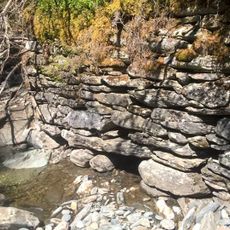
Stone circles remain on the grounds, including a square formation and remnants of a round arrangement from ancient Nordic ceremonial practices. These geometric patterns reveal how early inhabitants structured their spiritual rituals.
The community of curious travelers
AroundUs brings together thousands of curated places, local tips, and hidden gems, enriched daily by 60,000 contributors worldwide.