See the monuments around you in AROpen chests in the app
Around Us is built for your phone — point your camera at the streets and discover the monuments and places around you in augmented reality.Around Us is built for your phone — chests unlock when you walk, explore and capture nearby places.
Jazz in New Orleans: musical journey, historic sites, and cultural heritage
New Orleans, the birthplace of jazz, reveals its musical history through its neighborhoods and concert halls. The French Quarter features wrought-iron balconies and Creole buildings facing St. Louis Cathedral, while Bourbon Street is home to jazz clubs and music venues. Preservation Hall has upheld the jazz tradition since 1961 in a building from the 18th century, and Jackson Square hosts musicians and street performers in the city center.
The musical heritage extends from the Marigny district, with its Creole houses and clubs, to Congo Square, once a gathering place for African music in the 19th century. The Garden District showcases its 19th-century homes surrounded by gardens, while City Park offers 500 hectares of century-old oaks and botanical gardens. The Louisiana State Museum completes this exploration with its regional history and art collections.
Jazz in New Orleans: musical journey, historic sites, and cultural heritage
New Orleans, the birthplace of jazz, reveals its musical history through its neighborhoods and concert halls. The French Quarter features wrought-iron balconies and Creole buildings facing St. Louis Cathedral, while Bourbon Street is home to jazz clubs and music venues. Preservation Hall has upheld the jazz tradition since 1961 in a building from the 18th century, and Jackson Square hosts musicians and street performers in the city center.
The musical heritage extends from the Marigny district, with its Creole houses and clubs, to Congo Square, once a gathering place for African music in the 19th century. The Garden District showcases its 19th-century homes surrounded by gardens, while City Park offers 500 hectares of century-old oaks and botanical gardens. The Louisiana State Museum completes this exploration with its regional history and art collections.
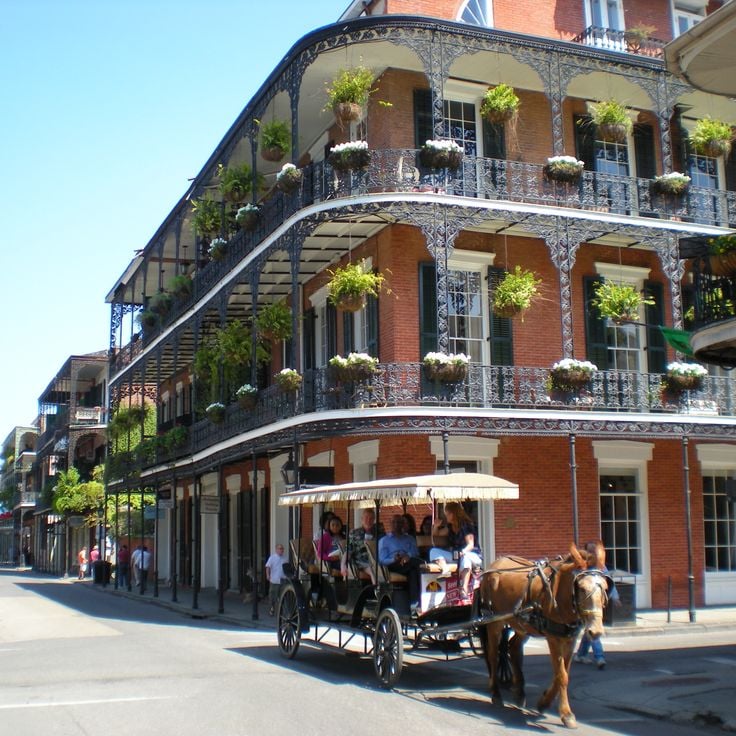
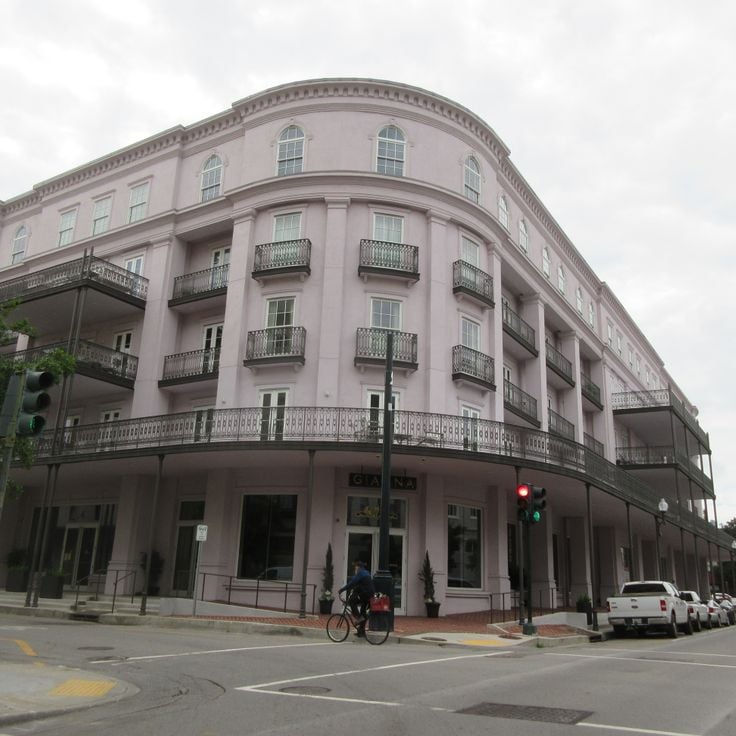
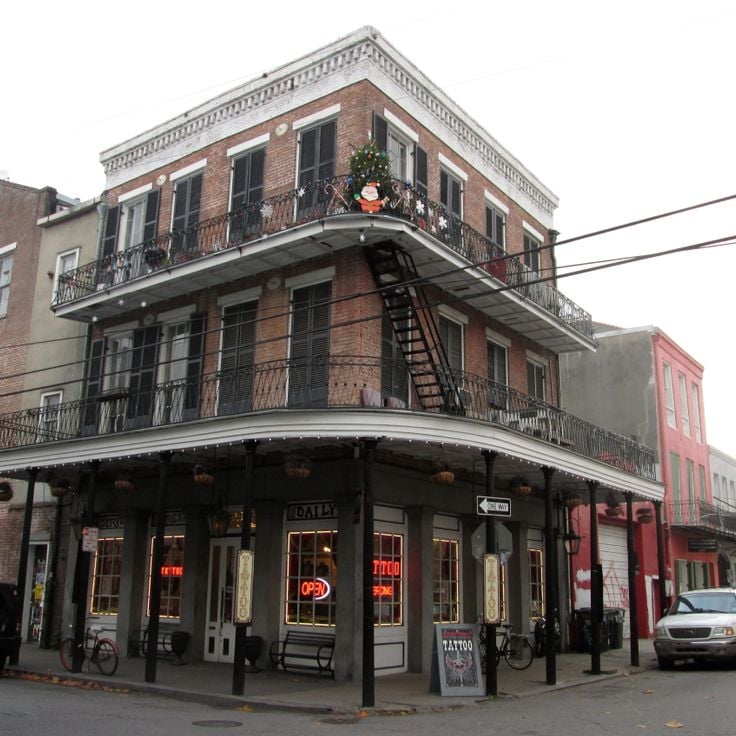
The French Quarter is the oldest part of New Orleans and features wrought iron balconies in the Spanish style, shaded courtyards, and buildings with Creole and French architectural elements. The streets are lined with two-story houses whose balconies extend over the sidewalks. In the courtyards, banana plants and palms grow. The architecture dates mainly from the 18th and 19th centuries. In the evenings, jazz music plays in the streets and clubs. During the day, cafés, galleries, and small shops open their doors. The neighborhood sits between the Mississippi River and Rampart Street. People gather in the bars and squares. The atmosphere combines French, Spanish, and African influences. Musicians perform on street corners and in the traditional jazz halls.
The Saint Louis Cathedral has stood since 1789 at the heart of the French Quarter and continues to welcome worshipers without interruption, where they experience the Catholic tradition that has shaped the city for over two centuries, while outside the sounds of jazz musicians performing on Jackson Square regularly drift through its main entrance.
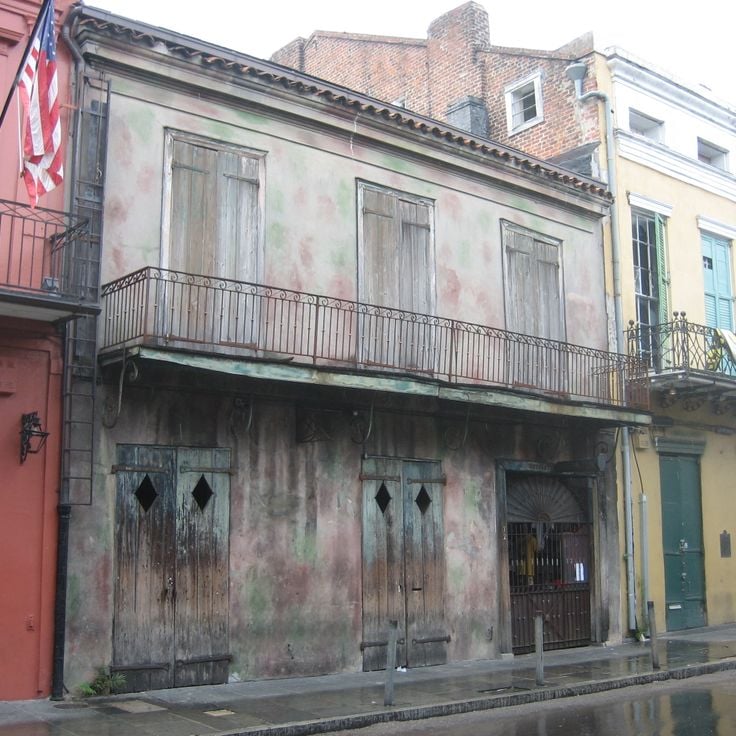
This music hall has presented traditional New Orleans jazz since 1961. The concerts take place in a building from the 18th century. Musicians still play the old style here with banjo, clarinet and trumpet. The audience sits on simple wooden benches, the walls show wear, and the atmosphere focuses on the music. On most evenings older musicians play alongside younger generations learning the craft from them. The rules are straightforward: no drinks, no talking during sets, just listening.
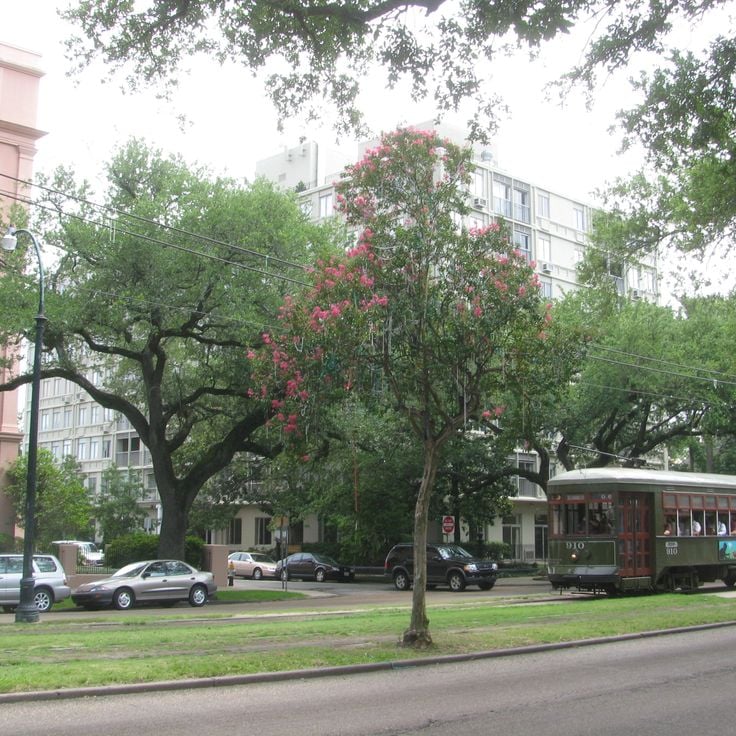
The Garden District displays houses from the 19th century with wrought-iron fences and large gardens filled with old trees. Streets pass by villas in Greek and Italian styles, with wide porches and tall columns. Oaks cast shade on the sidewalks, and magnolias bloom in the front yards. The neighborhood lies west of downtown and preserves the architecture from before the Civil War. You walk here through quiet avenues, past wooden houses with bay windows and garden gates that open views to lawns and flower beds.
City Park extends over several hundred hectares in the northern part of the city and combines old oak trees with botanical gardens and the New Orleans Museum of Art. Established in the 19th century, the park offers green spaces, walking paths, and ponds used by locals for recreation and leisure. The avenues are lined with trees draped in Spanish moss, giving the place a quiet atmosphere. In addition to the gardens, there are sculptures and open lawns that invite visitors to linger.
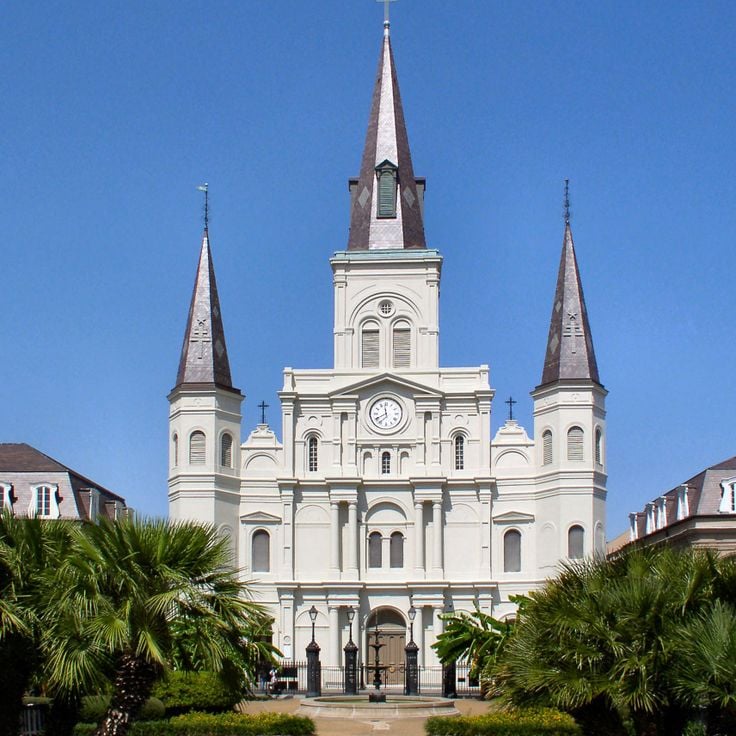
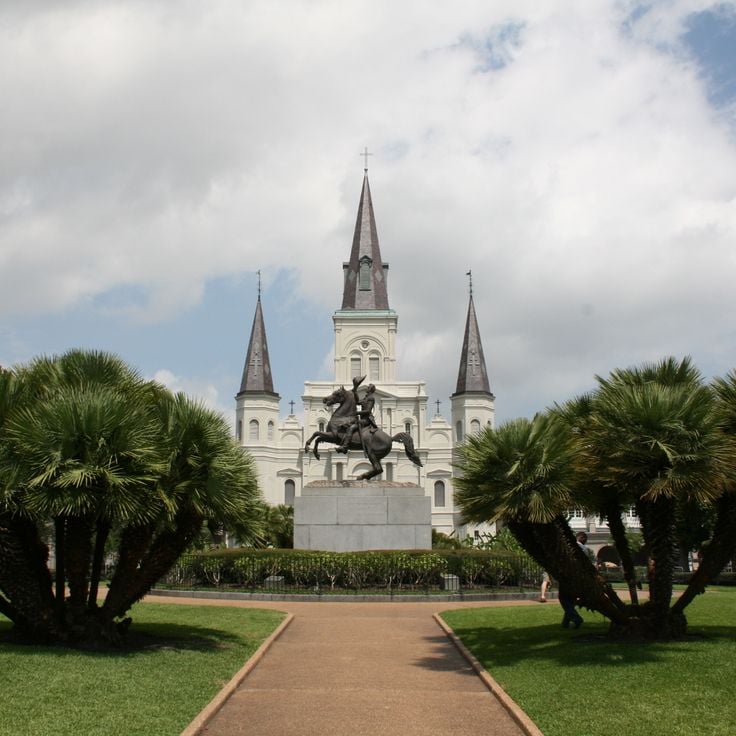
This central plaza in the French Quarter shows the St. Louis Cathedral and its gardens. Street musicians play jazz and traditional melodies while portrait artists and painters set up under the colonnades. The 18th-century cathedral stands between two older administration buildings with red tile roofs. The plaza serves as a gathering spot for locals and visitors and marks the historic center of the city. Iron fences surround the paved paths and lawn areas.
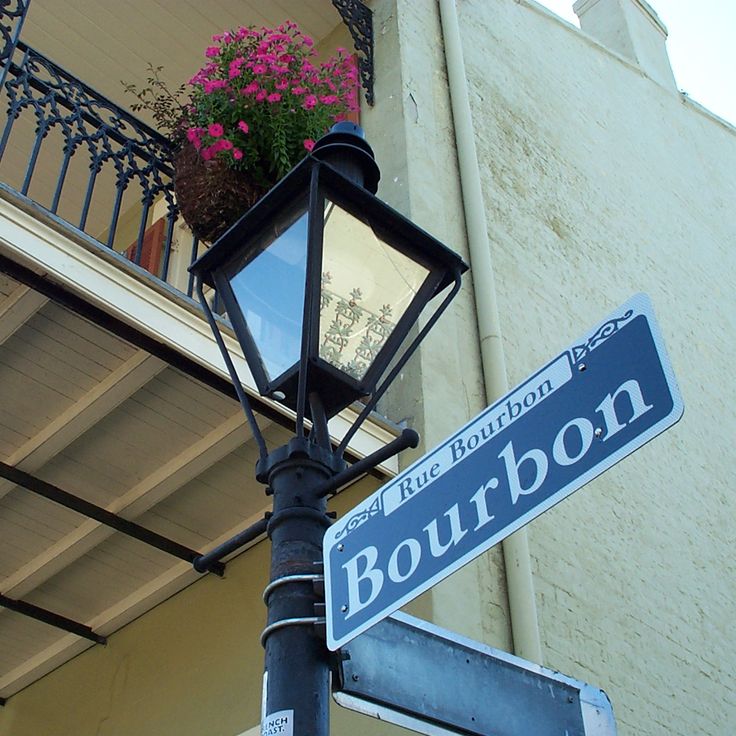
Bourbon Street has gathered bars, restaurants, jazz clubs, and music venues in the heart of the French Quarter since the 18th century. The street concentrates the musical life of New Orleans within its historic buildings, where traditional jazz and modern interpretations mix. During the day, wrought-iron balconies and Creole facades show the colonial architecture, while at night music streams from the open doors of clubs. Musicians play on the street between venues, and visitors wander from one spot to another in an atmosphere that has shaped the city's nightlife for generations.
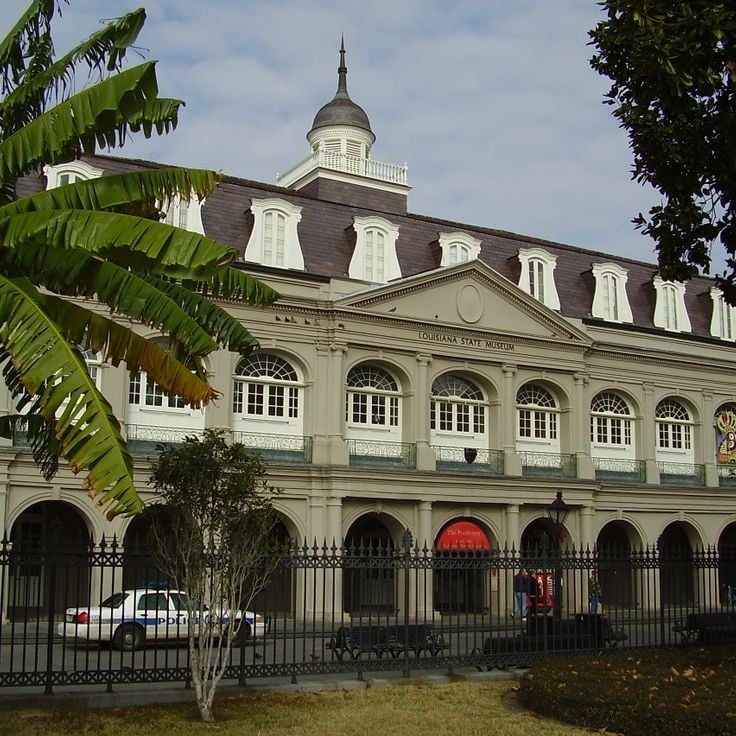
The Louisiana State Museum preserves documents and objects related to the region's history across several historic buildings in the French Quarter. Exhibits trace the development of the city and state through paintings, furniture, clothing, and items from different periods. The rooms offer insight into daily life, musical traditions, and the cultural influences that shaped New Orleans.
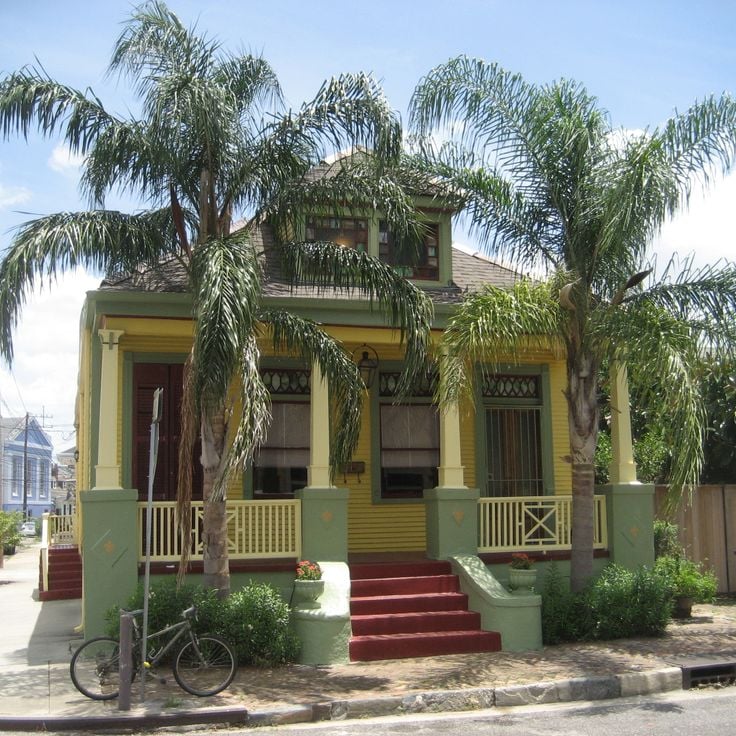
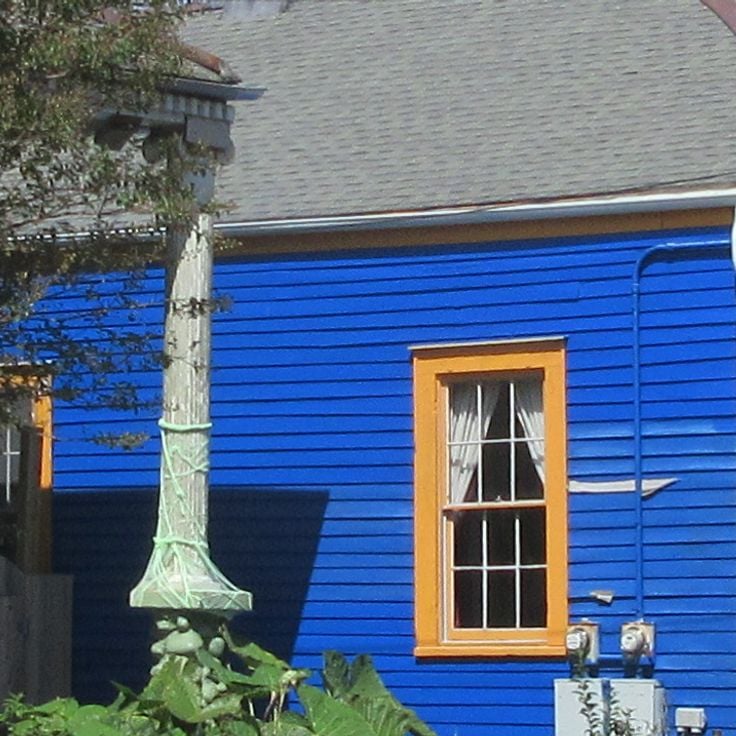
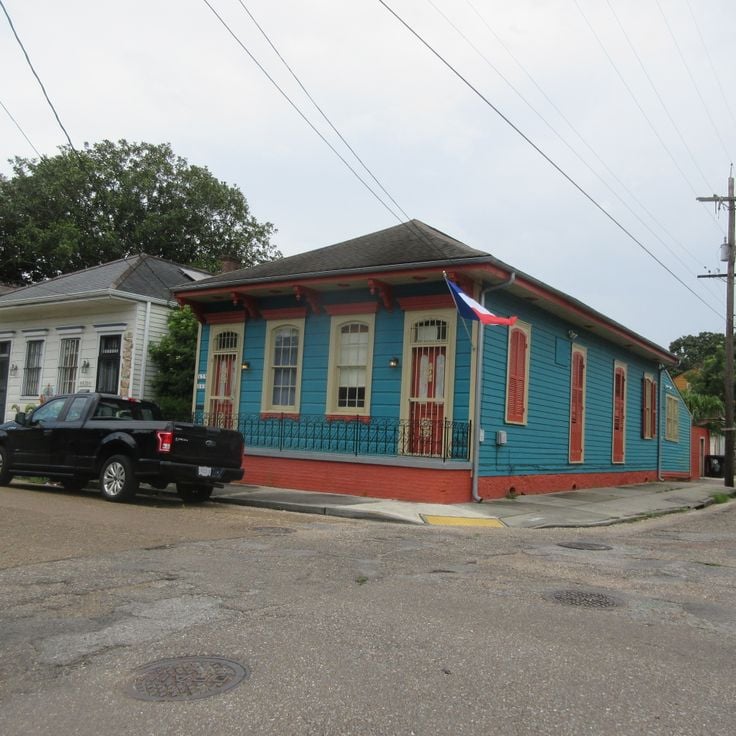
The Faubourg Marigny sits just east of the French Quarter and shows its 19th-century Creole cottages painted in bright colors, with iron galleries and wooden porches. The streets connect small music clubs, bars and restaurants where jazz, funk and blues are played every night. Frenchmen Street gathers musicians and listeners in a relaxed atmosphere, where you can hear concerts through open doors. The neighborhood keeps the Creole architecture and musical tradition that have shaped New Orleans for two centuries. During the day, the facades display their pastel shades under the balconies, and in the evening the venues fill with locals and travelers following the live music.
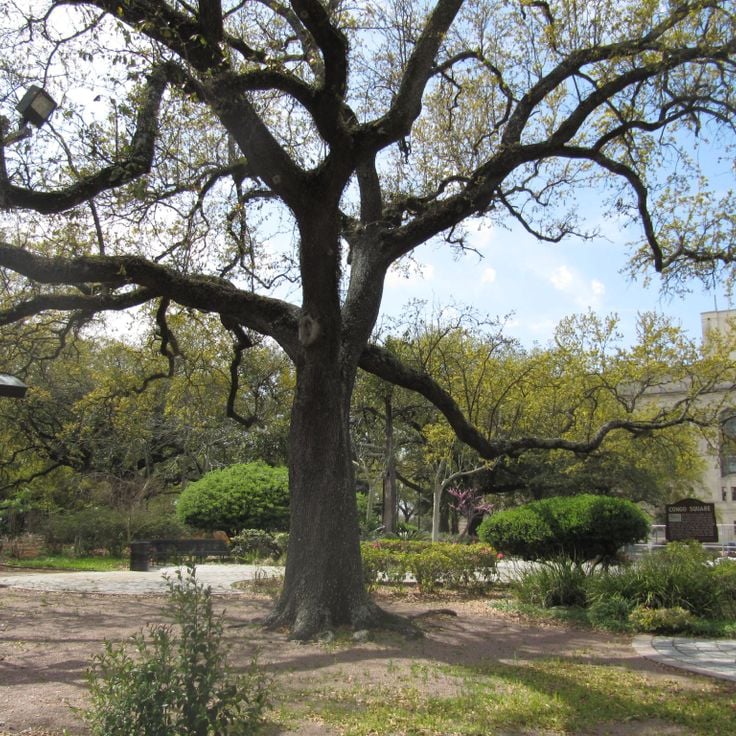
This square served as a gathering place in the 19th century where enslaved Africans played music and performed dances. The site was located within the city before it later gave way to other urban developments. People met here to share African rhythms and traditions that would later influence the birth of jazz in New Orleans. The gatherings typically took place on Sundays, when enslaved people had time off. The atmosphere was marked by drumming, singing and movement. Although the original square no longer exists, its importance to the city's musical history remains.
Magazine Street runs for nearly six miles through several neighborhoods, connecting different historic sections of the city with its jazz heritage. Antique shops alternate with restaurants and cafes in buildings from the 19th century, while small boutiques display local art and crafts. Many of the stores occupy converted warehouses and homes, their wooden facades and wide porches echoing the architecture of the Garden District. You see people strolling along the sidewalks, browsing shop windows, or pausing at street cafes. This street passes through residential and commercial areas, with the appearance shifting every few blocks to offer a glimpse into different eras and ways of life.
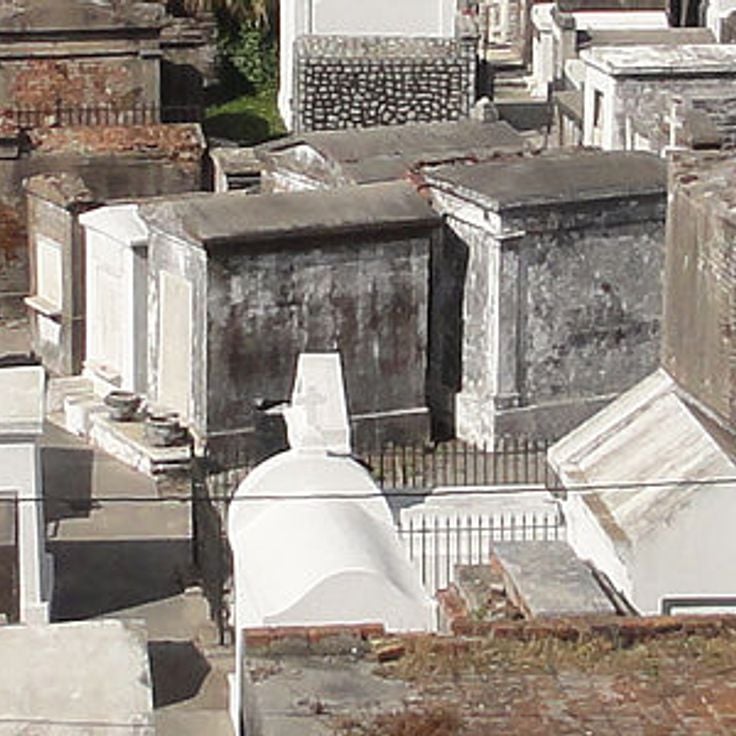
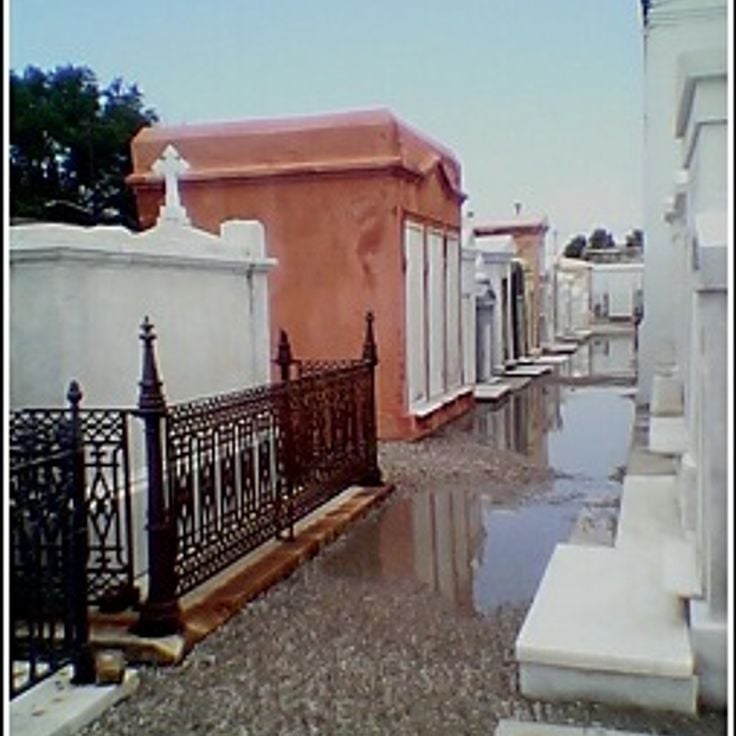
The cemetery on Basin Street opened in 1789 and is the oldest surviving cemetery in the city. Behind its walls, around 700 graves and mausoleums are arranged in several layers, built one above another. Creole families, free people of African descent, and immigrants from various backgrounds were laid to rest here. The burial chambers are built of brick and covered with light plaster. Some carry blackened iron grilles, others display inscriptions in faded paint. The climate and time have left their mark on the surfaces. Many jazz musicians were buried here, including Marie Laveau, a voodoo priestess known in the 19th century. The graves are packed tightly together, separated by narrow passages. Visitors may enter the cemetery only on guided tours, which take place during the day and explain more about the history of those buried here.
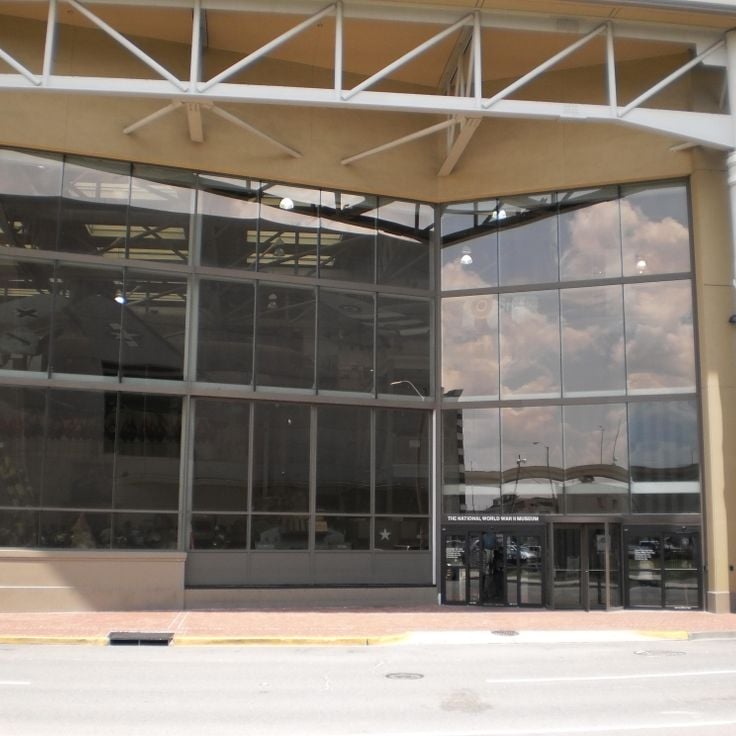
This museum spreads across five buildings and presents objects, documents and exhibits about World War II, focusing on the role of the United States. The collections include personal items from soldiers, military equipment and testimonies about daily life during the conflict. Visitors walk through rooms organized in chronological order, covering different theaters of war and topics such as the Pacific, Europe and the home front. The museum sits near the Garden District and displays the historical events through its exhibit halls from an American perspective.
Frenchmen Street offers live musical activity every evening. This street gathers numerous bars and clubs where jazz bands, blues musicians, and funk groups perform. The audience moves from one door to the next, follows the sounds through the street, and discovers different interpretations of local music. The atmosphere is relaxed, musicians often play late into the night, and the street itself becomes a meeting place between locals and visitors, all drawn by the rhythms.
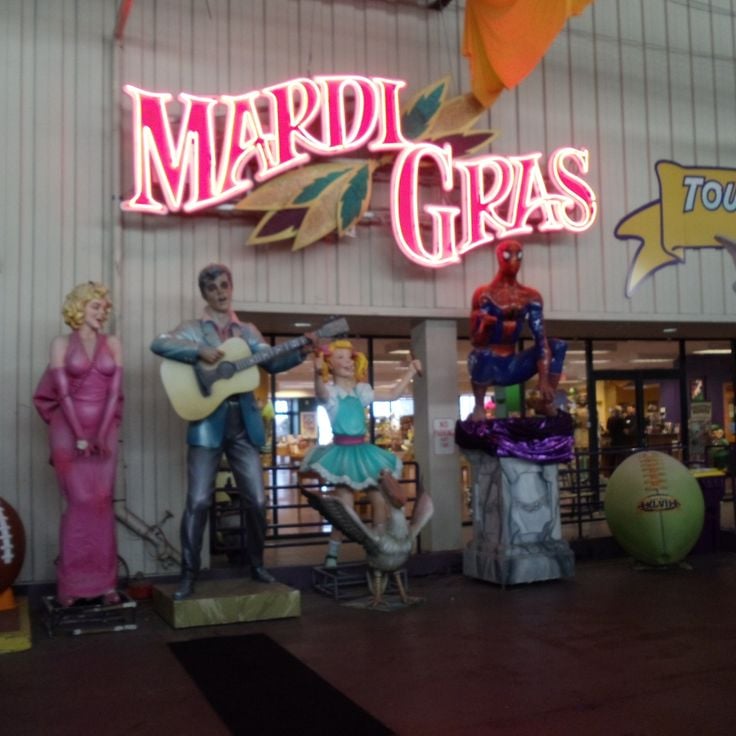
Mardi Gras World displays the making of floats and costumes used in the annual parades of New Orleans Carnival. The workshops allow visitors to observe the work of artists and craftspeople who spend the year building decoration elements in papier-mâché, fiberglass and paint. Inside, life-size figures, sculptures and pieces from past parades rest among the production areas. The building sits along the Mississippi River and connects to the musical and festive tradition of this city where Carnival holds an important place in cultural life. Visitors can dress up and explore the backstage of the celebrations that take place each year in February.
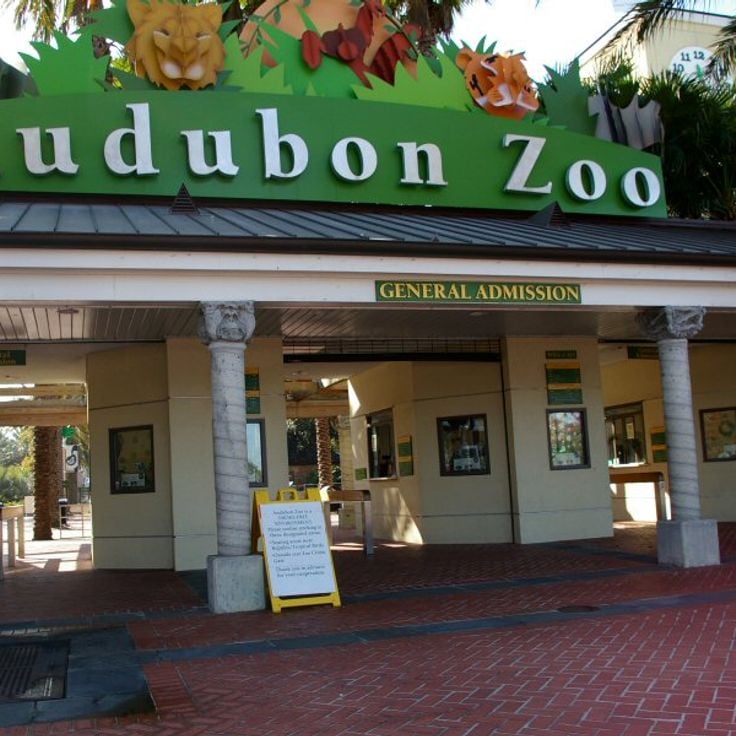
The Audubon Zoo presents a collection of animals from different regions in areas filled with tropical plants. The grounds stretch along the Mississippi River and fit into the historic neighborhood. Visitors follow paths through recreated habitats with vegetation from various climates. The zoo connects natural history with the cultural landscape of the city and complements the musical discoveries with a look at biological diversity. The enclosures group by geographic zones and allow encounters with species from Africa, Asia and the American continents.
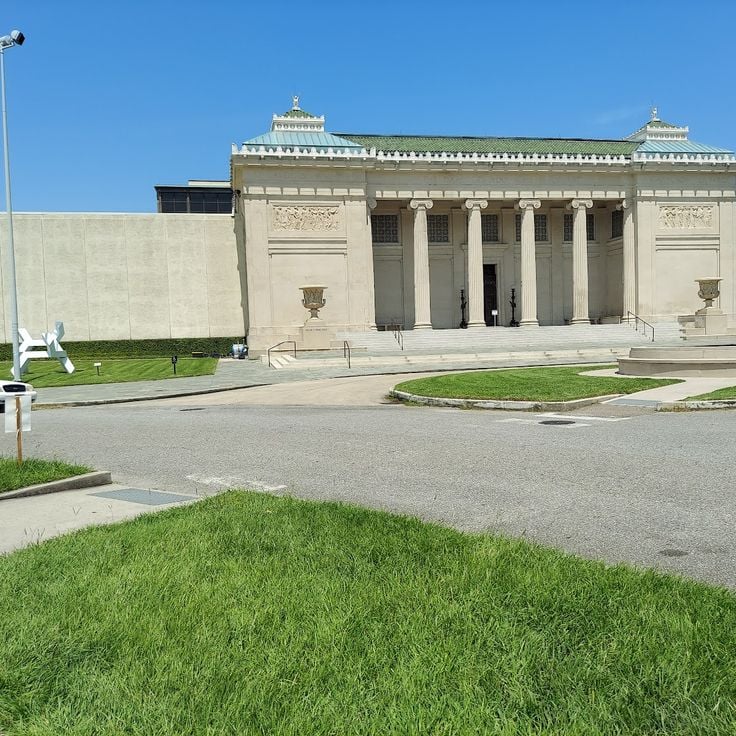
The museum in the city center displays French and American paintings from different centuries, along with photographs and glassworks. The halls present works by regional artists alongside European pieces. Visitors find an overview of the artistic movements that shaped New Orleans, from colonial heritage to the contemporary scene.
The Bywater Historic District is a 19th-century neighborhood along the Mississippi River, located east of the French Quarter. Creole cottages with wide porches and wooden shutters line the streets, where murals on building walls reflect the local cultural scene. Cafés, restaurants, and galleries occupy former warehouses and storefronts, while daily neighborhood life unfolds along the streets and side lanes. The district connects the creole architecture with the contemporary art and music scene of the city.
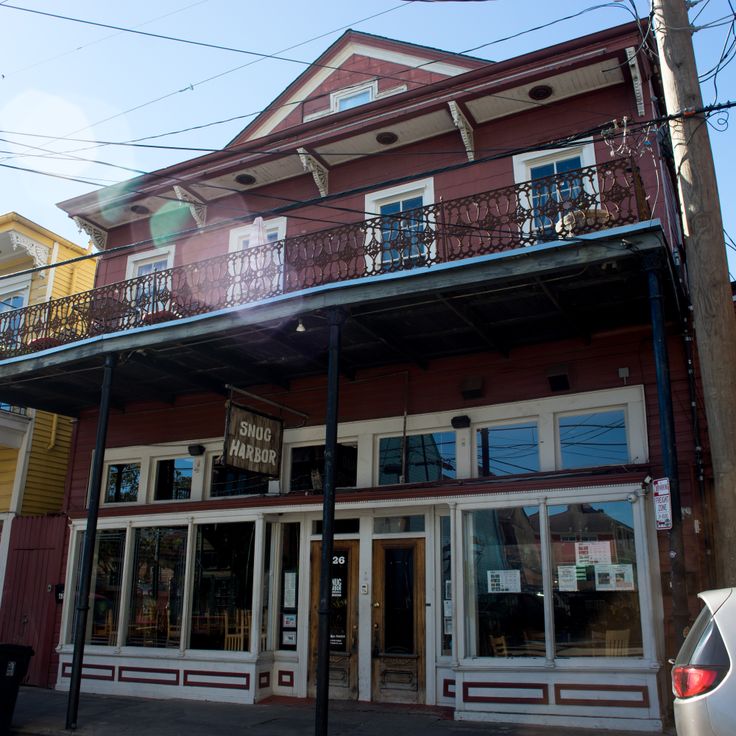
This jazz venue features local and international musicians and offers two concerts each evening along with restaurant service. The stage attracts an audience that values both the music and Creole cuisine. Snug Harbor Jazz Bistro sits in the Faubourg Marigny neighborhood and contributes to the city's musical tradition by hosting live performances daily. The atmosphere combines the intimacy of a concert room with the comfort of a bistro, where visitors can dine between sets.
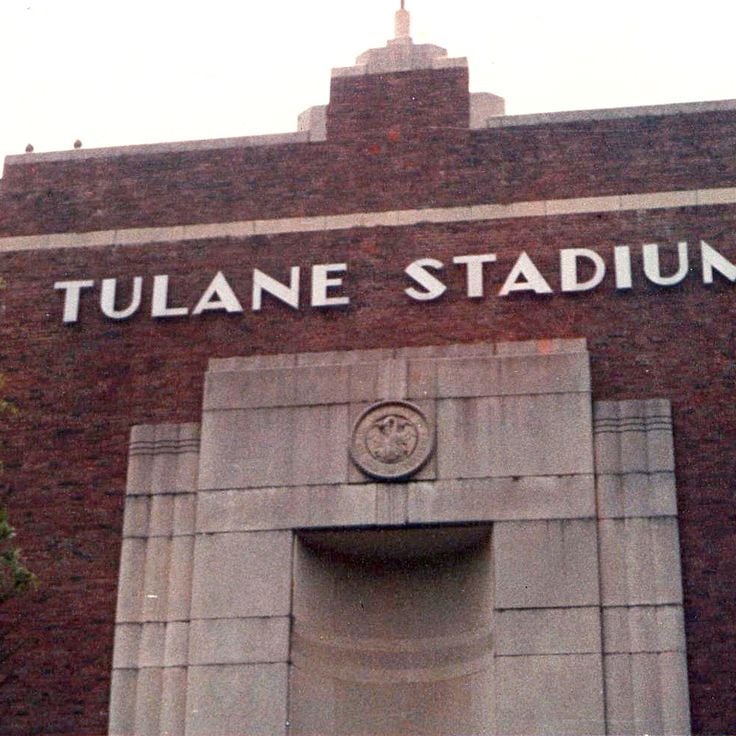
Tulane University connects teaching, research, and the city's rich musical tradition. The campus includes the Newcomb Art Museum with its regional art collections and the Louisiana Research Center, which documents the cultural history and music of the South. The architecture features buildings from different eras, surrounded by old trees and open lawns. Students and visitors walk daily between lecture halls, libraries, and exhibition spaces. The university is located in Uptown, where academic life intersects with the musical heritage of New Orleans.
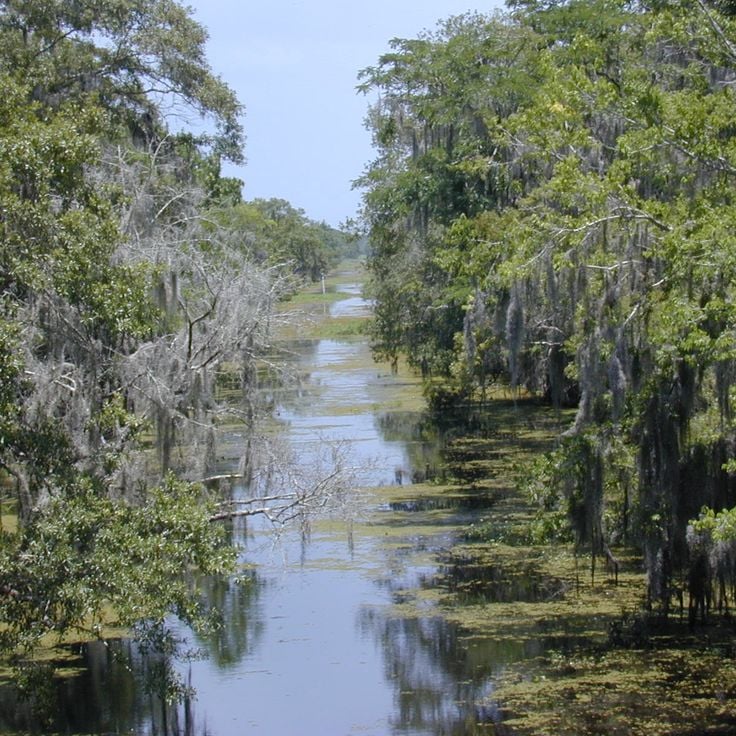
This national park protects six different areas representing the marshes and waterways south of New Orleans. The park makes the wetlands of Louisiana accessible and explains how the landscape formed and how people settled here. A network of boardwalks crosses swamps with cypress trees and water lilies, where alligators, herons, and turtles live. The visitor center presents the history of French and Spanish settlers, the music and cooking of the Cajuns, and how residents adapted to life surrounded by water. Visitors can also take boat tours through the bayous or explore settlements dating from the 18th and 19th centuries.
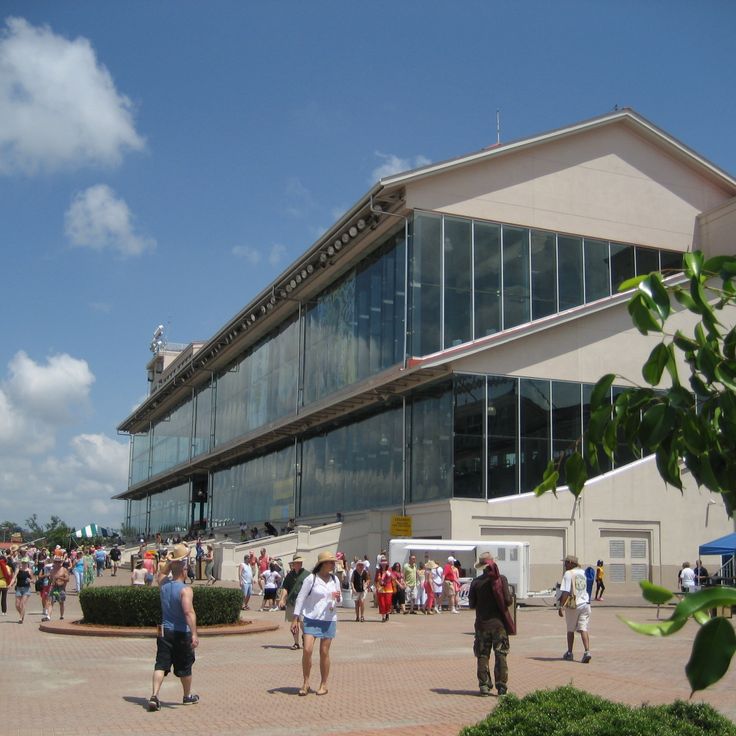
The Fair Grounds Race Course has hosted horse racing since 1872 on its oval track. The complex consists of the racetrack itself and the grandstands, which are surrounded by palm trees. Inside the facility you will find a casino with slot machines and several areas for betting and events. On race days, visitors gather in the covered grandstands or in the air-conditioned indoor spaces. The large grounds are located in the Gentilly neighborhood, where residential areas mix with commercial zones. The venue opens its gates for the traditional racing season from November through March and for other events throughout the year.
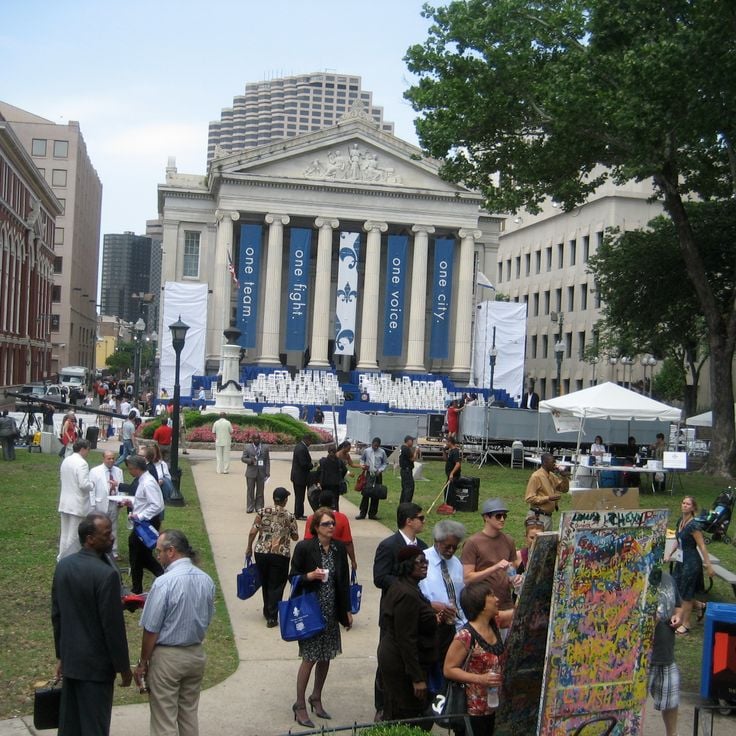
Lafayette Square has been a public park since 1788, with fountains and benches under trees. From March to November, free concerts take place here every Wednesday, continuing the musical tradition of New Orleans. Locals come here to sit during lunch breaks, eat sandwiches, or simply listen to musicians. The park sits among government buildings and serves as a meeting point for office workers and visitors. Trees provide shade while small groups gather on the lawn.
This commercial street in the French Quarter runs from the Mississippi River to Esplanade Avenue and displays 19th-century buildings with wrought-iron balconies and interior courtyards. The street is home to antique shops, art galleries, and small hotels housed in old Creole townhouses. During the day, visitors stroll between storefronts, while in the evening gas lamps light up the ornate facades.
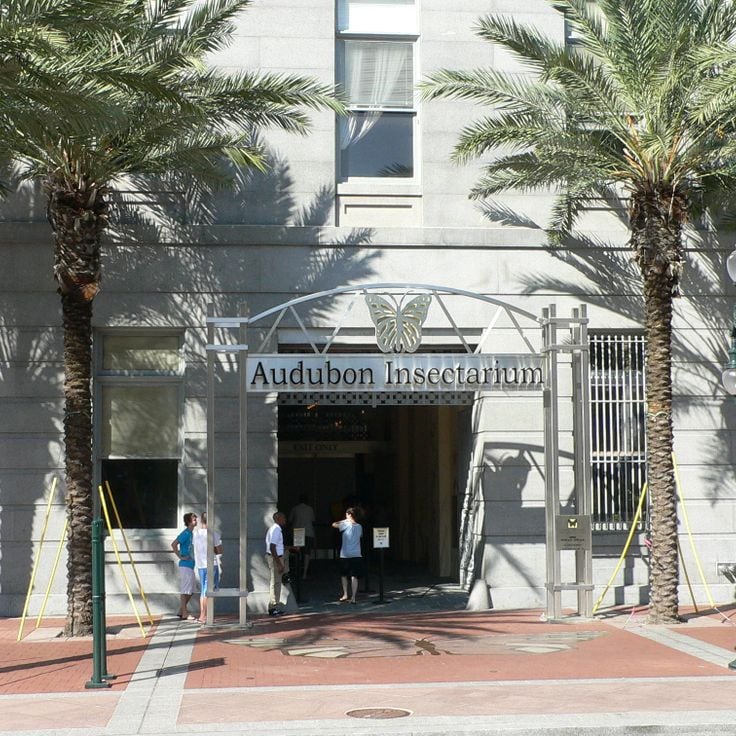
The Audubon Butterfly Garden and Insectarium displays live insects and butterflies in recreated habitats. The exhibition rooms inside a converted 19th-century customs building guide visitors through different climate zones, from wetlands to tropical forests. Visitors can watch fluttering butterflies in the walk-through greenhouse, while other sections present beetles, ants, and stick insects behind glass. The museum combines natural science collections with interactive stations explaining the role of insects in the environment. It stands in the city center near the French Quarter.
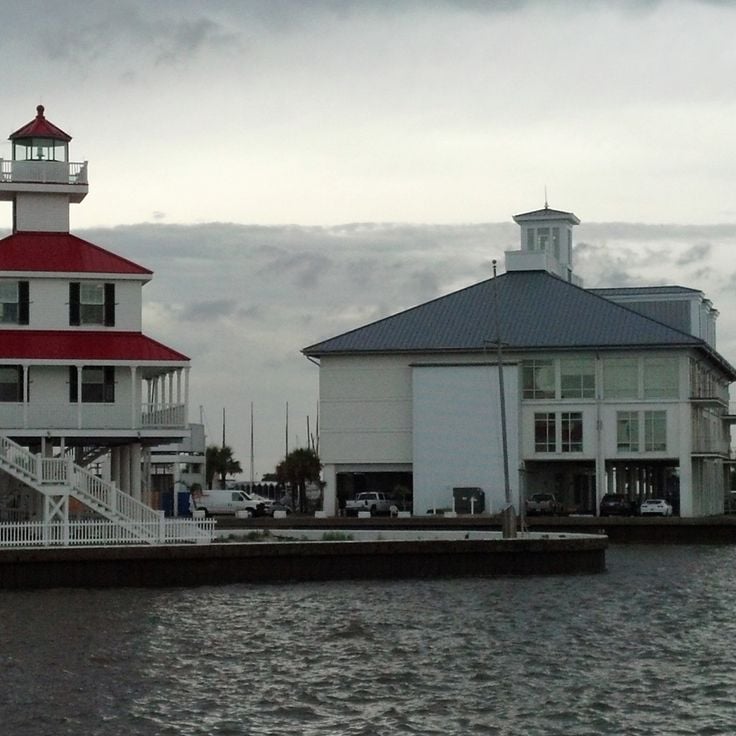
This lighthouse from 1890 shows objects from seafaring and photographs that tell the story of navigation in New Orleans. The exhibition connects the maritime tradition of the city with its musical history, because people who brought different rhythms and instruments once came across the water. The lighthouse stood at the New Basin Canal, which until 1950 connected Lake Pontchartrain with downtown and made trade between the harbor and the neighborhoods possible.
The Treme neighborhood dates from the 19th century and brings together the origins of several musical traditions. Congo Square served as a meeting point for African communities, where rhythms and songs were passed down that later shaped jazz. Along the streets, wooden houses from that era stand beside clubs where live music plays in the evenings. Restaurants serve Creole cuisine that reflects the city's culinary heritage. The neighborhood keeps its atmosphere where history and daily life are closely woven together.
The French Quarter is the oldest part of New Orleans and features wrought iron balconies in the Spanish style, shaded courtyards, and buildings with Creole and French architectural elements. The streets are lined with two-story houses whose balconies extend over the sidewalks. In the courtyards, banana plants and palms grow. The architecture dates mainly from the 18th and 19th centuries. In the evenings, jazz music plays in the streets and clubs. During the day, cafés, galleries, and small shops open their doors. The neighborhood sits between the Mississippi River and Rampart Street. People gather in the bars and squares. The atmosphere combines French, Spanish, and African influences. Musicians perform on street corners and in the traditional jazz halls.
The Saint Louis Cathedral has stood since 1789 at the heart of the French Quarter and continues to welcome worshipers without interruption, where they experience the Catholic tradition that has shaped the city for over two centuries, while outside the sounds of jazz musicians performing on Jackson Square regularly drift through its main entrance.
This music hall has presented traditional New Orleans jazz since 1961. The concerts take place in a building from the 18th century. Musicians still play the old style here with banjo, clarinet and trumpet. The audience sits on simple wooden benches, the walls show wear, and the atmosphere focuses on the music. On most evenings older musicians play alongside younger generations learning the craft from them. The rules are straightforward: no drinks, no talking during sets, just listening.
The Garden District displays houses from the 19th century with wrought-iron fences and large gardens filled with old trees. Streets pass by villas in Greek and Italian styles, with wide porches and tall columns. Oaks cast shade on the sidewalks, and magnolias bloom in the front yards. The neighborhood lies west of downtown and preserves the architecture from before the Civil War. You walk here through quiet avenues, past wooden houses with bay windows and garden gates that open views to lawns and flower beds.
City Park extends over several hundred hectares in the northern part of the city and combines old oak trees with botanical gardens and the New Orleans Museum of Art. Established in the 19th century, the park offers green spaces, walking paths, and ponds used by locals for recreation and leisure. The avenues are lined with trees draped in Spanish moss, giving the place a quiet atmosphere. In addition to the gardens, there are sculptures and open lawns that invite visitors to linger.
This central plaza in the French Quarter shows the St. Louis Cathedral and its gardens. Street musicians play jazz and traditional melodies while portrait artists and painters set up under the colonnades. The 18th-century cathedral stands between two older administration buildings with red tile roofs. The plaza serves as a gathering spot for locals and visitors and marks the historic center of the city. Iron fences surround the paved paths and lawn areas.
Bourbon Street has gathered bars, restaurants, jazz clubs, and music venues in the heart of the French Quarter since the 18th century. The street concentrates the musical life of New Orleans within its historic buildings, where traditional jazz and modern interpretations mix. During the day, wrought-iron balconies and Creole facades show the colonial architecture, while at night music streams from the open doors of clubs. Musicians play on the street between venues, and visitors wander from one spot to another in an atmosphere that has shaped the city's nightlife for generations.
The Louisiana State Museum preserves documents and objects related to the region's history across several historic buildings in the French Quarter. Exhibits trace the development of the city and state through paintings, furniture, clothing, and items from different periods. The rooms offer insight into daily life, musical traditions, and the cultural influences that shaped New Orleans.
The Faubourg Marigny sits just east of the French Quarter and shows its 19th-century Creole cottages painted in bright colors, with iron galleries and wooden porches. The streets connect small music clubs, bars and restaurants where jazz, funk and blues are played every night. Frenchmen Street gathers musicians and listeners in a relaxed atmosphere, where you can hear concerts through open doors. The neighborhood keeps the Creole architecture and musical tradition that have shaped New Orleans for two centuries. During the day, the facades display their pastel shades under the balconies, and in the evening the venues fill with locals and travelers following the live music.
This square served as a gathering place in the 19th century where enslaved Africans played music and performed dances. The site was located within the city before it later gave way to other urban developments. People met here to share African rhythms and traditions that would later influence the birth of jazz in New Orleans. The gatherings typically took place on Sundays, when enslaved people had time off. The atmosphere was marked by drumming, singing and movement. Although the original square no longer exists, its importance to the city's musical history remains.
Magazine Street runs for nearly six miles through several neighborhoods, connecting different historic sections of the city with its jazz heritage. Antique shops alternate with restaurants and cafes in buildings from the 19th century, while small boutiques display local art and crafts. Many of the stores occupy converted warehouses and homes, their wooden facades and wide porches echoing the architecture of the Garden District. You see people strolling along the sidewalks, browsing shop windows, or pausing at street cafes. This street passes through residential and commercial areas, with the appearance shifting every few blocks to offer a glimpse into different eras and ways of life.
The cemetery on Basin Street opened in 1789 and is the oldest surviving cemetery in the city. Behind its walls, around 700 graves and mausoleums are arranged in several layers, built one above another. Creole families, free people of African descent, and immigrants from various backgrounds were laid to rest here. The burial chambers are built of brick and covered with light plaster. Some carry blackened iron grilles, others display inscriptions in faded paint. The climate and time have left their mark on the surfaces. Many jazz musicians were buried here, including Marie Laveau, a voodoo priestess known in the 19th century. The graves are packed tightly together, separated by narrow passages. Visitors may enter the cemetery only on guided tours, which take place during the day and explain more about the history of those buried here.
This museum spreads across five buildings and presents objects, documents and exhibits about World War II, focusing on the role of the United States. The collections include personal items from soldiers, military equipment and testimonies about daily life during the conflict. Visitors walk through rooms organized in chronological order, covering different theaters of war and topics such as the Pacific, Europe and the home front. The museum sits near the Garden District and displays the historical events through its exhibit halls from an American perspective.
Frenchmen Street offers live musical activity every evening. This street gathers numerous bars and clubs where jazz bands, blues musicians, and funk groups perform. The audience moves from one door to the next, follows the sounds through the street, and discovers different interpretations of local music. The atmosphere is relaxed, musicians often play late into the night, and the street itself becomes a meeting place between locals and visitors, all drawn by the rhythms.
Mardi Gras World displays the making of floats and costumes used in the annual parades of New Orleans Carnival. The workshops allow visitors to observe the work of artists and craftspeople who spend the year building decoration elements in papier-mâché, fiberglass and paint. Inside, life-size figures, sculptures and pieces from past parades rest among the production areas. The building sits along the Mississippi River and connects to the musical and festive tradition of this city where Carnival holds an important place in cultural life. Visitors can dress up and explore the backstage of the celebrations that take place each year in February.
The Audubon Zoo presents a collection of animals from different regions in areas filled with tropical plants. The grounds stretch along the Mississippi River and fit into the historic neighborhood. Visitors follow paths through recreated habitats with vegetation from various climates. The zoo connects natural history with the cultural landscape of the city and complements the musical discoveries with a look at biological diversity. The enclosures group by geographic zones and allow encounters with species from Africa, Asia and the American continents.
The museum in the city center displays French and American paintings from different centuries, along with photographs and glassworks. The halls present works by regional artists alongside European pieces. Visitors find an overview of the artistic movements that shaped New Orleans, from colonial heritage to the contemporary scene.
The Bywater Historic District is a 19th-century neighborhood along the Mississippi River, located east of the French Quarter. Creole cottages with wide porches and wooden shutters line the streets, where murals on building walls reflect the local cultural scene. Cafés, restaurants, and galleries occupy former warehouses and storefronts, while daily neighborhood life unfolds along the streets and side lanes. The district connects the creole architecture with the contemporary art and music scene of the city.
This jazz venue features local and international musicians and offers two concerts each evening along with restaurant service. The stage attracts an audience that values both the music and Creole cuisine. Snug Harbor Jazz Bistro sits in the Faubourg Marigny neighborhood and contributes to the city's musical tradition by hosting live performances daily. The atmosphere combines the intimacy of a concert room with the comfort of a bistro, where visitors can dine between sets.
Tulane University connects teaching, research, and the city's rich musical tradition. The campus includes the Newcomb Art Museum with its regional art collections and the Louisiana Research Center, which documents the cultural history and music of the South. The architecture features buildings from different eras, surrounded by old trees and open lawns. Students and visitors walk daily between lecture halls, libraries, and exhibition spaces. The university is located in Uptown, where academic life intersects with the musical heritage of New Orleans.
This national park protects six different areas representing the marshes and waterways south of New Orleans. The park makes the wetlands of Louisiana accessible and explains how the landscape formed and how people settled here. A network of boardwalks crosses swamps with cypress trees and water lilies, where alligators, herons, and turtles live. The visitor center presents the history of French and Spanish settlers, the music and cooking of the Cajuns, and how residents adapted to life surrounded by water. Visitors can also take boat tours through the bayous or explore settlements dating from the 18th and 19th centuries.
The Fair Grounds Race Course has hosted horse racing since 1872 on its oval track. The complex consists of the racetrack itself and the grandstands, which are surrounded by palm trees. Inside the facility you will find a casino with slot machines and several areas for betting and events. On race days, visitors gather in the covered grandstands or in the air-conditioned indoor spaces. The large grounds are located in the Gentilly neighborhood, where residential areas mix with commercial zones. The venue opens its gates for the traditional racing season from November through March and for other events throughout the year.
Lafayette Square has been a public park since 1788, with fountains and benches under trees. From March to November, free concerts take place here every Wednesday, continuing the musical tradition of New Orleans. Locals come here to sit during lunch breaks, eat sandwiches, or simply listen to musicians. The park sits among government buildings and serves as a meeting point for office workers and visitors. Trees provide shade while small groups gather on the lawn.
This commercial street in the French Quarter runs from the Mississippi River to Esplanade Avenue and displays 19th-century buildings with wrought-iron balconies and interior courtyards. The street is home to antique shops, art galleries, and small hotels housed in old Creole townhouses. During the day, visitors stroll between storefronts, while in the evening gas lamps light up the ornate facades.
The Audubon Butterfly Garden and Insectarium displays live insects and butterflies in recreated habitats. The exhibition rooms inside a converted 19th-century customs building guide visitors through different climate zones, from wetlands to tropical forests. Visitors can watch fluttering butterflies in the walk-through greenhouse, while other sections present beetles, ants, and stick insects behind glass. The museum combines natural science collections with interactive stations explaining the role of insects in the environment. It stands in the city center near the French Quarter.
This lighthouse from 1890 shows objects from seafaring and photographs that tell the story of navigation in New Orleans. The exhibition connects the maritime tradition of the city with its musical history, because people who brought different rhythms and instruments once came across the water. The lighthouse stood at the New Basin Canal, which until 1950 connected Lake Pontchartrain with downtown and made trade between the harbor and the neighborhoods possible.
The Treme neighborhood dates from the 19th century and brings together the origins of several musical traditions. Congo Square served as a meeting point for African communities, where rhythms and songs were passed down that later shaped jazz. Along the streets, wooden houses from that era stand beside clubs where live music plays in the evenings. Restaurants serve Creole cuisine that reflects the city's culinary heritage. The neighborhood keeps its atmosphere where history and daily life are closely woven together.
The French Quarter is the oldest part of New Orleans and features wrought iron balconies in the Spanish style, shaded courtyards, and buildings with Creole and French architectural elements. The streets are lined with two-story houses whose balconies extend over the sidewalks. In the courtyards, banana plants and palms grow. The architecture dates mainly from the 18th and 19th centuries. In the evenings, jazz music plays in the streets and clubs. During the day, cafés, galleries, and small shops open their doors. The neighborhood sits between the Mississippi River and Rampart Street. People gather in the bars and squares. The atmosphere combines French, Spanish, and African influences. Musicians perform on street corners and in the traditional jazz halls.
The Saint Louis Cathedral has stood since 1789 at the heart of the French Quarter and continues to welcome worshipers without interruption, where they experience the Catholic tradition that has shaped the city for over two centuries, while outside the sounds of jazz musicians performing on Jackson Square regularly drift through its main entrance.
This music hall has presented traditional New Orleans jazz since 1961. The concerts take place in a building from the 18th century. Musicians still play the old style here with banjo, clarinet and trumpet. The audience sits on simple wooden benches, the walls show wear, and the atmosphere focuses on the music. On most evenings older musicians play alongside younger generations learning the craft from them. The rules are straightforward: no drinks, no talking during sets, just listening.
The Garden District displays houses from the 19th century with wrought-iron fences and large gardens filled with old trees. Streets pass by villas in Greek and Italian styles, with wide porches and tall columns. Oaks cast shade on the sidewalks, and magnolias bloom in the front yards. The neighborhood lies west of downtown and preserves the architecture from before the Civil War. You walk here through quiet avenues, past wooden houses with bay windows and garden gates that open views to lawns and flower beds.
City Park extends over several hundred hectares in the northern part of the city and combines old oak trees with botanical gardens and the New Orleans Museum of Art. Established in the 19th century, the park offers green spaces, walking paths, and ponds used by locals for recreation and leisure. The avenues are lined with trees draped in Spanish moss, giving the place a quiet atmosphere. In addition to the gardens, there are sculptures and open lawns that invite visitors to linger.
This central plaza in the French Quarter shows the St. Louis Cathedral and its gardens. Street musicians play jazz and traditional melodies while portrait artists and painters set up under the colonnades. The 18th-century cathedral stands between two older administration buildings with red tile roofs. The plaza serves as a gathering spot for locals and visitors and marks the historic center of the city. Iron fences surround the paved paths and lawn areas.
Bourbon Street has gathered bars, restaurants, jazz clubs, and music venues in the heart of the French Quarter since the 18th century. The street concentrates the musical life of New Orleans within its historic buildings, where traditional jazz and modern interpretations mix. During the day, wrought-iron balconies and Creole facades show the colonial architecture, while at night music streams from the open doors of clubs. Musicians play on the street between venues, and visitors wander from one spot to another in an atmosphere that has shaped the city's nightlife for generations.
The Louisiana State Museum preserves documents and objects related to the region's history across several historic buildings in the French Quarter. Exhibits trace the development of the city and state through paintings, furniture, clothing, and items from different periods. The rooms offer insight into daily life, musical traditions, and the cultural influences that shaped New Orleans.
The Faubourg Marigny sits just east of the French Quarter and shows its 19th-century Creole cottages painted in bright colors, with iron galleries and wooden porches. The streets connect small music clubs, bars and restaurants where jazz, funk and blues are played every night. Frenchmen Street gathers musicians and listeners in a relaxed atmosphere, where you can hear concerts through open doors. The neighborhood keeps the Creole architecture and musical tradition that have shaped New Orleans for two centuries. During the day, the facades display their pastel shades under the balconies, and in the evening the venues fill with locals and travelers following the live music.
This square served as a gathering place in the 19th century where enslaved Africans played music and performed dances. The site was located within the city before it later gave way to other urban developments. People met here to share African rhythms and traditions that would later influence the birth of jazz in New Orleans. The gatherings typically took place on Sundays, when enslaved people had time off. The atmosphere was marked by drumming, singing and movement. Although the original square no longer exists, its importance to the city's musical history remains.
Magazine Street runs for nearly six miles through several neighborhoods, connecting different historic sections of the city with its jazz heritage. Antique shops alternate with restaurants and cafes in buildings from the 19th century, while small boutiques display local art and crafts. Many of the stores occupy converted warehouses and homes, their wooden facades and wide porches echoing the architecture of the Garden District. You see people strolling along the sidewalks, browsing shop windows, or pausing at street cafes. This street passes through residential and commercial areas, with the appearance shifting every few blocks to offer a glimpse into different eras and ways of life.
The cemetery on Basin Street opened in 1789 and is the oldest surviving cemetery in the city. Behind its walls, around 700 graves and mausoleums are arranged in several layers, built one above another. Creole families, free people of African descent, and immigrants from various backgrounds were laid to rest here. The burial chambers are built of brick and covered with light plaster. Some carry blackened iron grilles, others display inscriptions in faded paint. The climate and time have left their mark on the surfaces. Many jazz musicians were buried here, including Marie Laveau, a voodoo priestess known in the 19th century. The graves are packed tightly together, separated by narrow passages. Visitors may enter the cemetery only on guided tours, which take place during the day and explain more about the history of those buried here.
This museum spreads across five buildings and presents objects, documents and exhibits about World War II, focusing on the role of the United States. The collections include personal items from soldiers, military equipment and testimonies about daily life during the conflict. Visitors walk through rooms organized in chronological order, covering different theaters of war and topics such as the Pacific, Europe and the home front. The museum sits near the Garden District and displays the historical events through its exhibit halls from an American perspective.
Frenchmen Street offers live musical activity every evening. This street gathers numerous bars and clubs where jazz bands, blues musicians, and funk groups perform. The audience moves from one door to the next, follows the sounds through the street, and discovers different interpretations of local music. The atmosphere is relaxed, musicians often play late into the night, and the street itself becomes a meeting place between locals and visitors, all drawn by the rhythms.
Mardi Gras World displays the making of floats and costumes used in the annual parades of New Orleans Carnival. The workshops allow visitors to observe the work of artists and craftspeople who spend the year building decoration elements in papier-mâché, fiberglass and paint. Inside, life-size figures, sculptures and pieces from past parades rest among the production areas. The building sits along the Mississippi River and connects to the musical and festive tradition of this city where Carnival holds an important place in cultural life. Visitors can dress up and explore the backstage of the celebrations that take place each year in February.
The Audubon Zoo presents a collection of animals from different regions in areas filled with tropical plants. The grounds stretch along the Mississippi River and fit into the historic neighborhood. Visitors follow paths through recreated habitats with vegetation from various climates. The zoo connects natural history with the cultural landscape of the city and complements the musical discoveries with a look at biological diversity. The enclosures group by geographic zones and allow encounters with species from Africa, Asia and the American continents.
The museum in the city center displays French and American paintings from different centuries, along with photographs and glassworks. The halls present works by regional artists alongside European pieces. Visitors find an overview of the artistic movements that shaped New Orleans, from colonial heritage to the contemporary scene.
The Bywater Historic District is a 19th-century neighborhood along the Mississippi River, located east of the French Quarter. Creole cottages with wide porches and wooden shutters line the streets, where murals on building walls reflect the local cultural scene. Cafés, restaurants, and galleries occupy former warehouses and storefronts, while daily neighborhood life unfolds along the streets and side lanes. The district connects the creole architecture with the contemporary art and music scene of the city.
This jazz venue features local and international musicians and offers two concerts each evening along with restaurant service. The stage attracts an audience that values both the music and Creole cuisine. Snug Harbor Jazz Bistro sits in the Faubourg Marigny neighborhood and contributes to the city's musical tradition by hosting live performances daily. The atmosphere combines the intimacy of a concert room with the comfort of a bistro, where visitors can dine between sets.
Tulane University connects teaching, research, and the city's rich musical tradition. The campus includes the Newcomb Art Museum with its regional art collections and the Louisiana Research Center, which documents the cultural history and music of the South. The architecture features buildings from different eras, surrounded by old trees and open lawns. Students and visitors walk daily between lecture halls, libraries, and exhibition spaces. The university is located in Uptown, where academic life intersects with the musical heritage of New Orleans.
This national park protects six different areas representing the marshes and waterways south of New Orleans. The park makes the wetlands of Louisiana accessible and explains how the landscape formed and how people settled here. A network of boardwalks crosses swamps with cypress trees and water lilies, where alligators, herons, and turtles live. The visitor center presents the history of French and Spanish settlers, the music and cooking of the Cajuns, and how residents adapted to life surrounded by water. Visitors can also take boat tours through the bayous or explore settlements dating from the 18th and 19th centuries.
The Fair Grounds Race Course has hosted horse racing since 1872 on its oval track. The complex consists of the racetrack itself and the grandstands, which are surrounded by palm trees. Inside the facility you will find a casino with slot machines and several areas for betting and events. On race days, visitors gather in the covered grandstands or in the air-conditioned indoor spaces. The large grounds are located in the Gentilly neighborhood, where residential areas mix with commercial zones. The venue opens its gates for the traditional racing season from November through March and for other events throughout the year.
Lafayette Square has been a public park since 1788, with fountains and benches under trees. From March to November, free concerts take place here every Wednesday, continuing the musical tradition of New Orleans. Locals come here to sit during lunch breaks, eat sandwiches, or simply listen to musicians. The park sits among government buildings and serves as a meeting point for office workers and visitors. Trees provide shade while small groups gather on the lawn.
This commercial street in the French Quarter runs from the Mississippi River to Esplanade Avenue and displays 19th-century buildings with wrought-iron balconies and interior courtyards. The street is home to antique shops, art galleries, and small hotels housed in old Creole townhouses. During the day, visitors stroll between storefronts, while in the evening gas lamps light up the ornate facades.
The Audubon Butterfly Garden and Insectarium displays live insects and butterflies in recreated habitats. The exhibition rooms inside a converted 19th-century customs building guide visitors through different climate zones, from wetlands to tropical forests. Visitors can watch fluttering butterflies in the walk-through greenhouse, while other sections present beetles, ants, and stick insects behind glass. The museum combines natural science collections with interactive stations explaining the role of insects in the environment. It stands in the city center near the French Quarter.
This lighthouse from 1890 shows objects from seafaring and photographs that tell the story of navigation in New Orleans. The exhibition connects the maritime tradition of the city with its musical history, because people who brought different rhythms and instruments once came across the water. The lighthouse stood at the New Basin Canal, which until 1950 connected Lake Pontchartrain with downtown and made trade between the harbor and the neighborhoods possible.
The Treme neighborhood dates from the 19th century and brings together the origins of several musical traditions. Congo Square served as a meeting point for African communities, where rhythms and songs were passed down that later shaped jazz. Along the streets, wooden houses from that era stand beside clubs where live music plays in the evenings. Restaurants serve Creole cuisine that reflects the city's culinary heritage. The neighborhood keeps its atmosphere where history and daily life are closely woven together.