City Park, Urban park in New Orleans, United States.
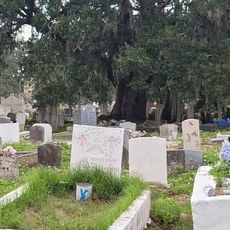
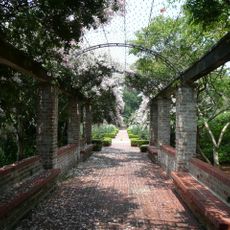
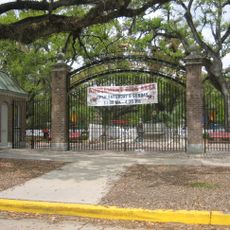
City Park is a large green space with walking paths, gardens, and playgrounds shaded by ancient oak trees that form natural canopies. The park also offers biking, paddle boating, and athletic facilities for different activities.
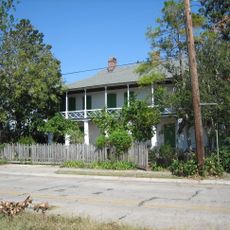
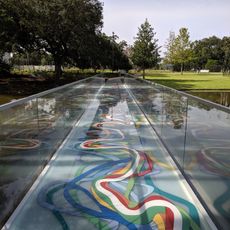
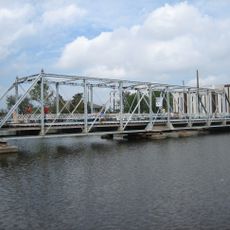
The land was the Allard Plantation along Bayou Metairie; John McDonogh's will transferred it to the city in 1850 for park purposes, and in 1854 the 4th District Court declared it a public park. The City Park Improvement Association was founded in 1891, when the property was formally established as "City Park". A $12 million Works Progress Administration grant in the 1930s funded bridges, roads and sculptures by Enrique Alférez.
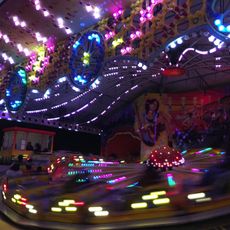
The park hosts the Voodoo Experience music festival each year around Halloween, a tradition dating to 1999. The Casino building, opened in 1913 for refreshments, now houses a Café du Monde. The Peristyle, built in 1907, and the Popp Bandstand, dedicated on July 4, 1917, still stand as early gathering places; John Philip Sousa performed at the bandstand in 1928.
The park offers multiple parking areas and direct access to public transportation for visitors from different neighborhoods. Most sections are easy to navigate, with rental stations available for bikes and paddle boats.
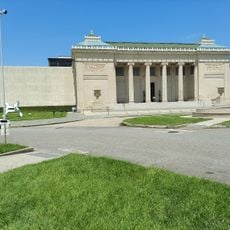
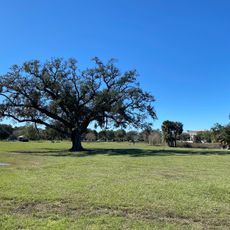
The Dueling Oak still stands where Dueling Oaks Drive meets Dreyfous Drive, between the Besthoff Sculpture Garden and the New Orleans Museum of Art, marked by a small sign. A second dueling oak was lost to a hurricane in 1949. In 1805 Micajah Green Lewis, private secretary and brother-in-law of Governor William C.C. Claiborne, was killed here by Robert Sterry.
The community of curious travelers
AroundUs brings together thousands of curated places, local tips, and hidden gems, enriched daily by 92,810 contributors worldwide.