Pitot House, human settlement in Louisiana, United States of America
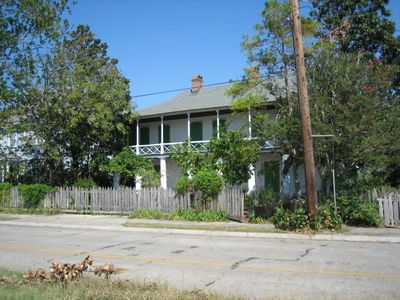
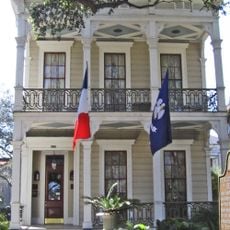
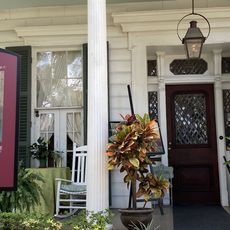
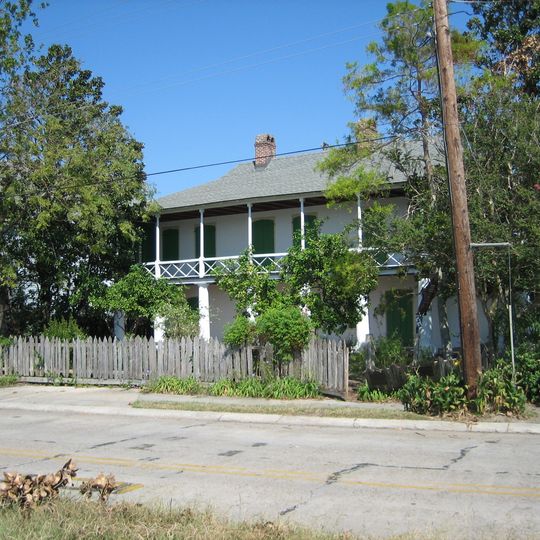
The Pitot House is a plantation in New Orleans that was built in 1799 as a country home for a Spanish merchant named Bartholome Bosque. The structure shows early Louisiana architecture with three front rooms opening onto a wide gallery, and two smaller rooms with a recessed porch behind them.
The house was built in 1799 by a Spanish merchant when Louisiana was under Spanish rule. James Pitot purchased the property in 1810 and made it his residence, before it later served as a convent for the Missionary Sisters of the Sacred Heart.
The house takes its name from James Pitot, who lived here from 1810 to 1819 and served as the first elected mayor of New Orleans. The rooms and wide front gallery reflect how wealthy families lived on the edge of the city during the early French and Spanish colonial period.
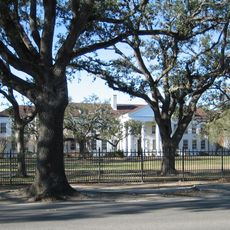
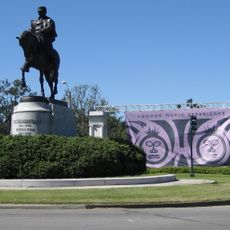
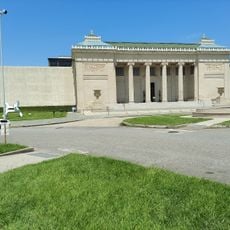
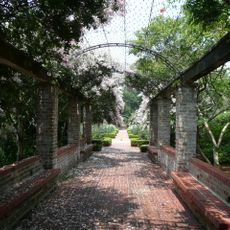
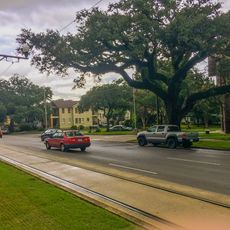
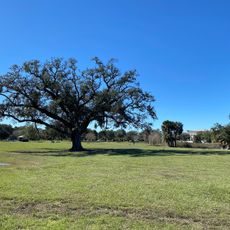
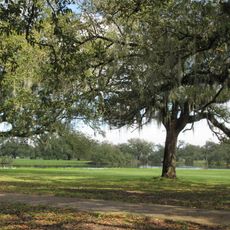
The site sits near Bayou St. John, a quiet waterway that is easy to walk around. The grounds are flat and offer paths around the property to view the architecture and garden from outside.
The house was physically moved about 220 feet in sections to save it from demolition when the Missionary Sisters planned to build a school on the land. This relocation effort shows how the community worked to preserve this piece of early history.
The community of curious travelers
AroundUs brings together thousands of curated places, local tips, and hidden gems, enriched daily by 91,376 contributors worldwide.