Louisiana, Southern U.S. state in North America
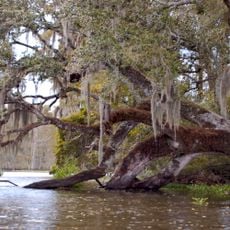
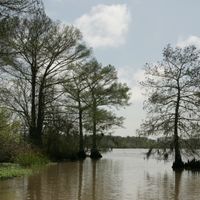
This state stretches from the Gulf of Mexico through wetlands, bayous, and river deltas up to farming plains in the north. The landscape shifts between cypress swamps, wide river branches, and shallow coastal zones where fresh water meets salt water.
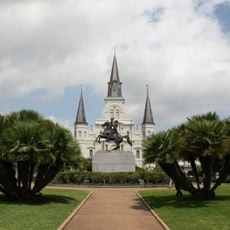
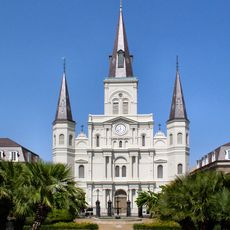
A French explorer claimed this territory in 1682 for King Louis XIV, before Napoleon sold it to the United States in 1803. A long period of Spanish and French administration followed, still visible today in place names and legal traditions.
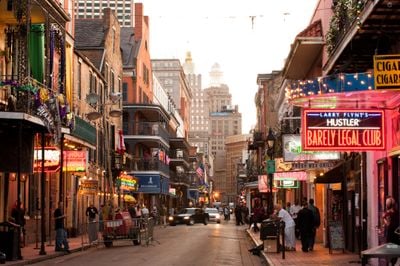
Cajun and Creole communities keep their own cuisine alive, serving gumbo, jambalaya, and fried catfish in small neighborhood restaurants. Accordion-driven zydeco music fills dance halls and local gatherings, while shrimp boats and crawfish traps mark the rhythm of daily life along the waterways.
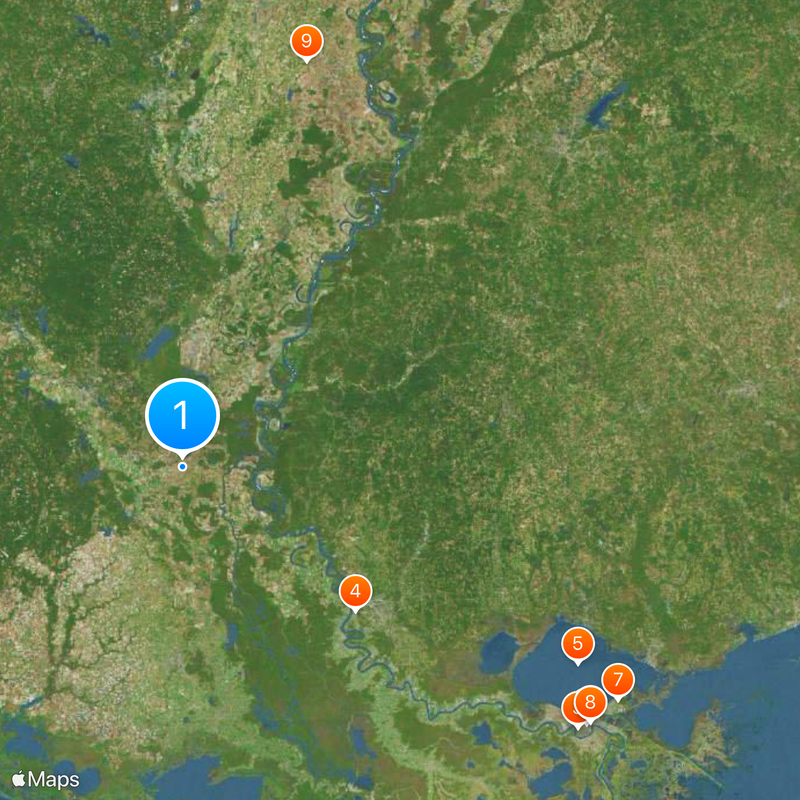
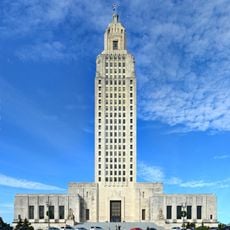
The territory divides into 64 parishes instead of counties, with Baton Rouge as the capital and New Orleans as the main economic hub. Drivers should expect toll bridges and occasional flooding on secondary roads during the rainy season.
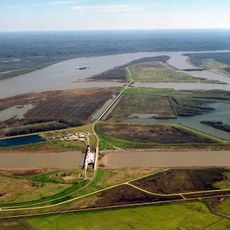
The Mississippi River forms the eastern border, while extensive wetlands in the south shelter rare species like paddlefish and American green tree frogs. Some communities in the southwest still speak a French dialect that has changed little since the 18th century.
The community of curious travelers
AroundUs brings together thousands of curated places, local tips, and hidden gems, enriched daily by 90,800 contributors worldwide.