See the monuments around you in AROpen chests in the app
Around Us is built for your phone — point your camera at the streets and discover the monuments and places around you in augmented reality.Around Us is built for your phone — chests unlock when you walk, explore and capture nearby places.
Louisiana museums: historic plantations, archaeological sites, and botanical gardens
Louisiana preserves a diverse heritage through its plantations, museums, and natural areas. This collection includes sites where French colonial architecture can be seen along the Cane River, plantation buildings like Melrose and Frogmore that reflect cotton farming and African-American history, and the archaeological site of Poverty Point with its mounds dating to 1700 BC. Museums record the settlement of German communities in Germantown, Acadian culture, and the political history of the state at the old Capitol in Baton Rouge.
Gardens and parks provide access to the region's characteristic landscapes. Avery Island Botanical Garden features 70 hectares of vegetation on a natural salt dome, while the bayou wetlands host a variety of wildlife. Places like the Chauvin Art Garden add a modern aspect with sculptures along a waterway. This route allows exploration of different periods in Louisiana's history, from pre-Columbian cultures to developments in the 20th century.
Louisiana museums: historic plantations, archaeological sites, and botanical gardens
Louisiana preserves a diverse heritage through its plantations, museums, and natural areas. This collection includes sites where French colonial architecture can be seen along the Cane River, plantation buildings like Melrose and Frogmore that reflect cotton farming and African-American history, and the archaeological site of Poverty Point with its mounds dating to 1700 BC. Museums record the settlement of German communities in Germantown, Acadian culture, and the political history of the state at the old Capitol in Baton Rouge.
Gardens and parks provide access to the region's characteristic landscapes. Avery Island Botanical Garden features 70 hectares of vegetation on a natural salt dome, while the bayou wetlands host a variety of wildlife. Places like the Chauvin Art Garden add a modern aspect with sculptures along a waterway. This route allows exploration of different periods in Louisiana's history, from pre-Columbian cultures to developments in the 20th century.
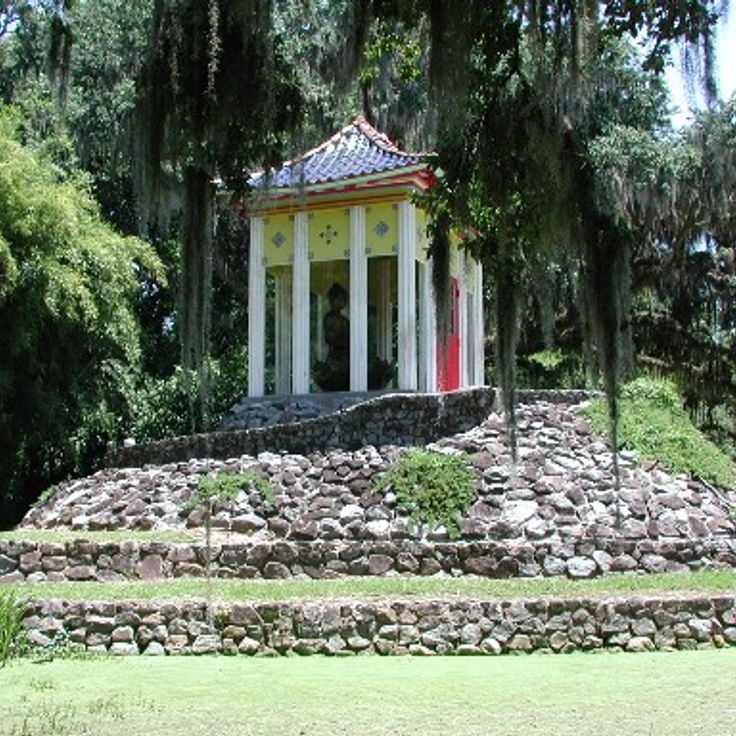
Jungle Gardens on Avery Island is a botanical garden that spans 170 acres on a natural salt dome formation. This place displays the characteristic vegetation of Louisiana through bamboo groves, native plant species, and alligators. The garden sits within a subtropical habitat that provides shelter to migratory birds during their seasonal movements. As part of this collection, Jungle Gardens documents the diverse landscapes of the region and complements the historic plantations and archaeological sites with a botanical view of Louisiana's natural heritage.
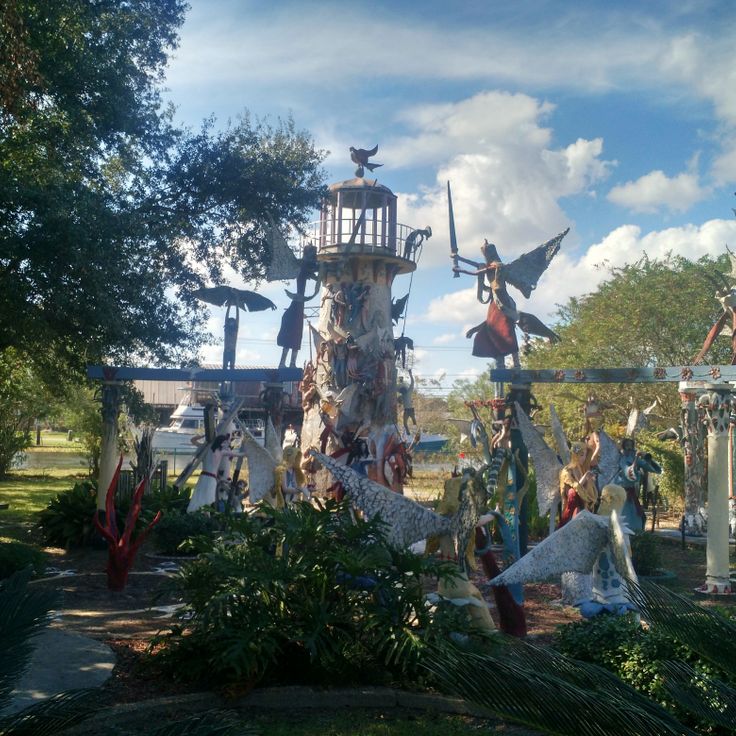
The Chauvin Art Garden contributes a modern artistic voice to Louisiana's diverse heritage documented in this collection. Over 100 concrete sculptures created by artist Kenny Hill between 2000 and 2013 line a bayou path, depicting religious themes, prophets, angels, and personal representations. Hill shaped this site as an expression of his spiritual beliefs before leaving the property. Today volunteers maintain the sculptures, which remain open to visitors.
The Germantown Settlement Museum preserves the history of German immigrants who established a religious community here in 1835. This museum maintains several original buildings from that period and displays personal belongings, tools, documents, and photographs of the settlers. The collection shows daily life and social structures of this German-speaking community in rural Louisiana during the 19th century.
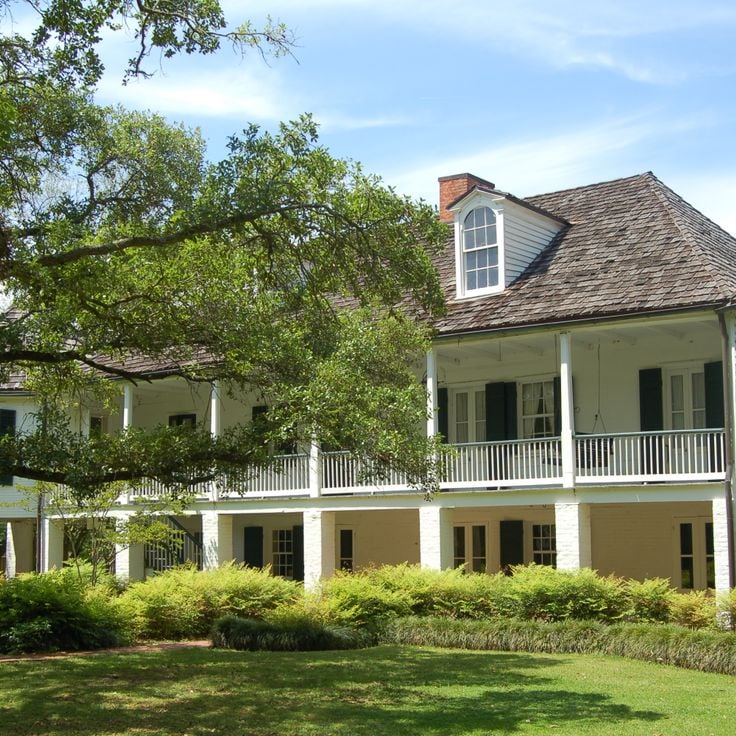
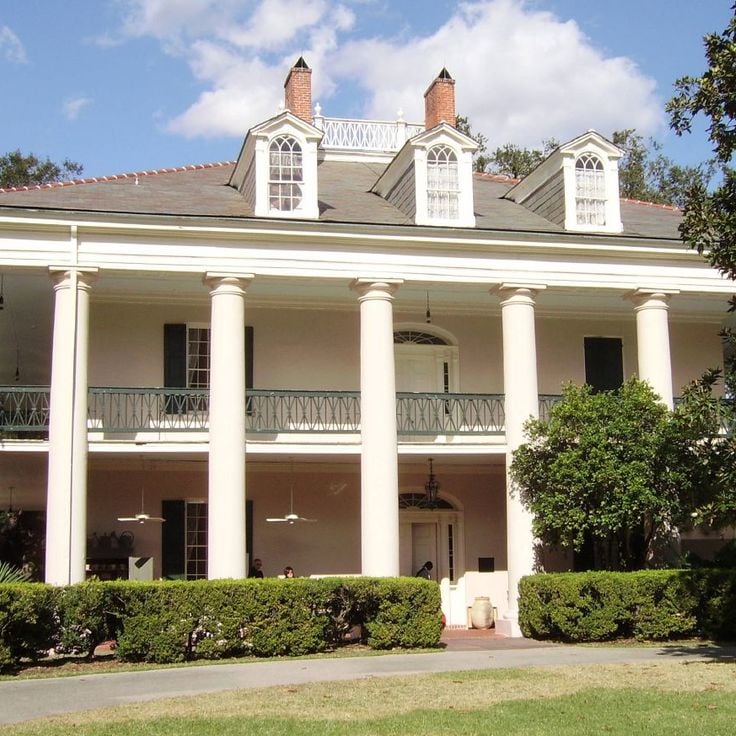
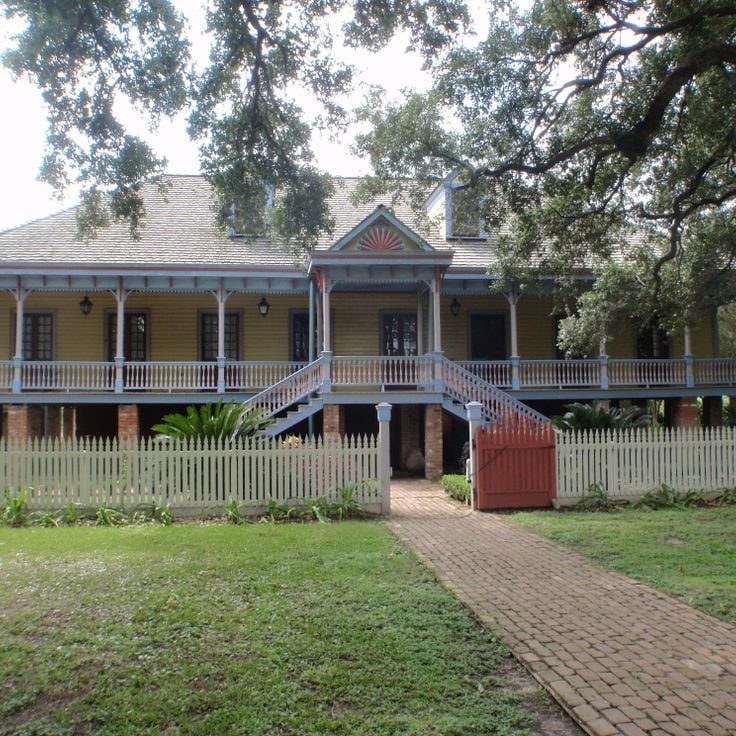
The Cane River Heritage Site is part of this collection documenting Louisiana's diverse heritage. It comprises two preserved plantations with original buildings from the 1700s and 1800s. These properties showcase French colonial architecture, agricultural methods, and the daily life of Creole communities in this region of Louisiana.
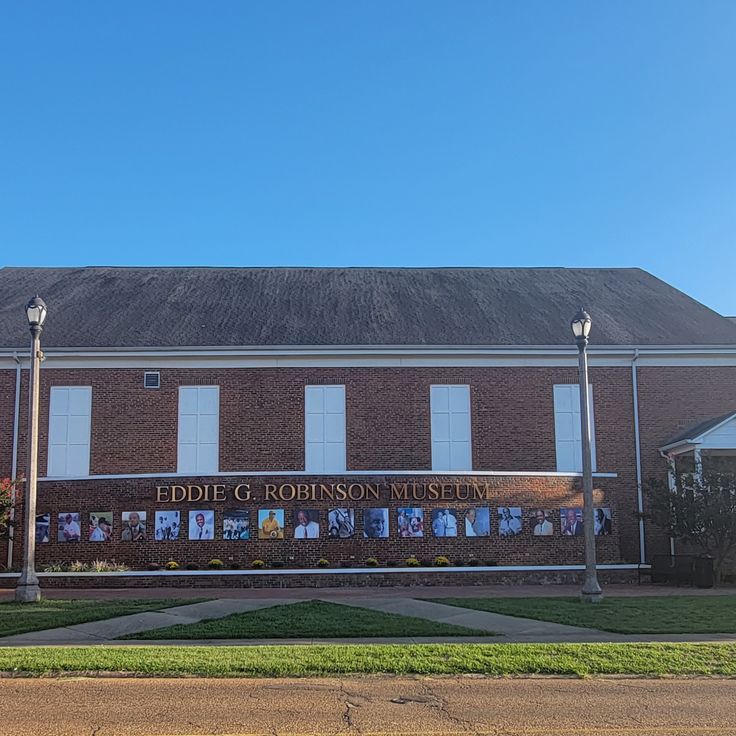
The Eddie G. Robinson Museum is located on the campus of Grambling State University and documents the life and career of legendary football coach Eddie G. Robinson. The museum displays trophies, photographs, personal items, and memorabilia from his coaching career, as well as information about the many players he mentored. The collection shows his influence on college football and his role in developing numerous athletes, highlighting his legacy in sports history.
Frogmore Plantation is an active cotton plantation that demonstrates the various processing methods used in cotton production. Visitors can observe the complete production cycle, from traditional hand picking techniques to modern automated processing systems. This working plantation is part of Louisiana's collection of historic sites and provides insight into both historical and contemporary cotton farming practices in the state.
The Longfellow-Evangeline State Historic Site preserves an 18th-century estate and documents the French colonial period and Acadian settlement in Louisiana. The exhibits display authentic buildings, agricultural tools, and everyday objects used by residents of that era. The grounds include a Creole plantation and present the history of French-speaking communities in the region.
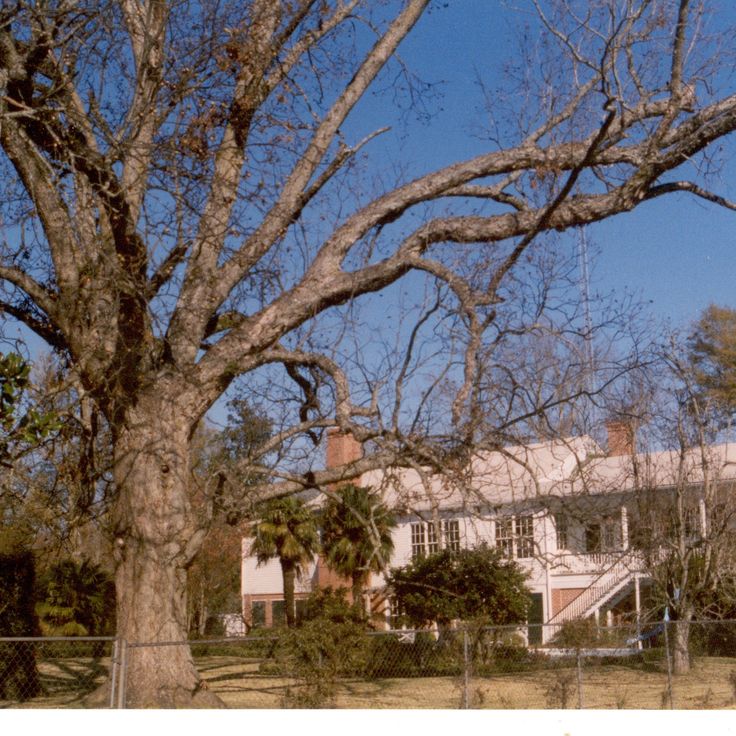
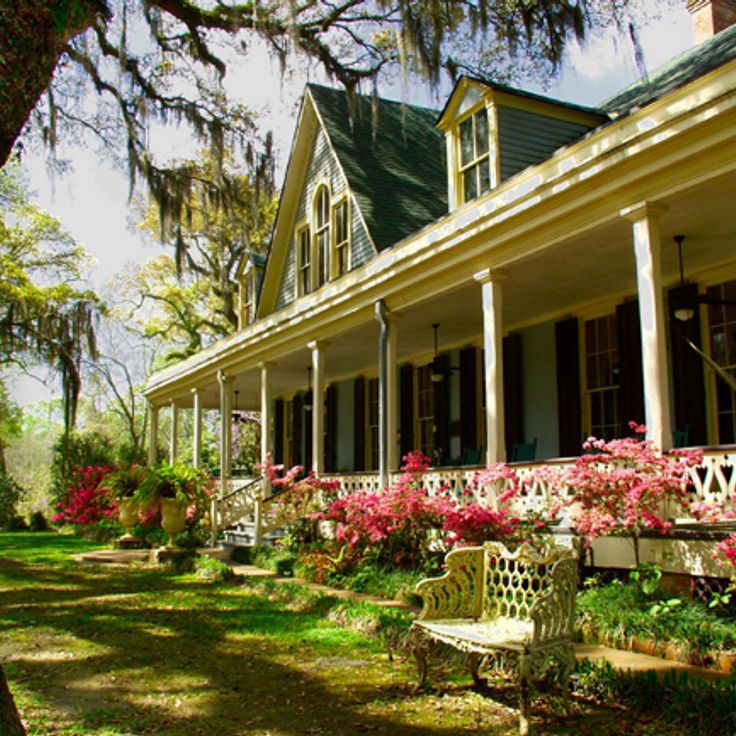
Melrose Plantation is part of this collection and documents the history of Creole culture in Louisiana. The estate was established in the 18th century and now houses an important collection of African American artworks and traditional crafts. The buildings and exhibits tell the stories of cotton farming and the people who lived and worked on the plantation.
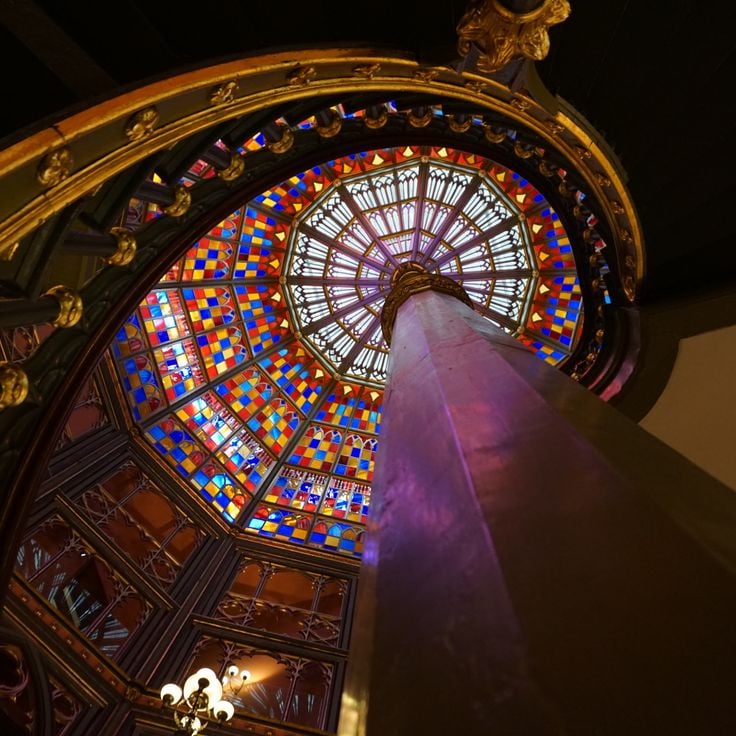
The Old State Capitol in Baton Rouge was built in 1847 in neo-Gothic style and served as Louisiana's seat of government until 1932. Today, the building houses a museum where visitors can learn about the political history of the state, the development of local government institutions, and the major events that shaped Louisiana. This site offers a direct way to explore the political past of the state.
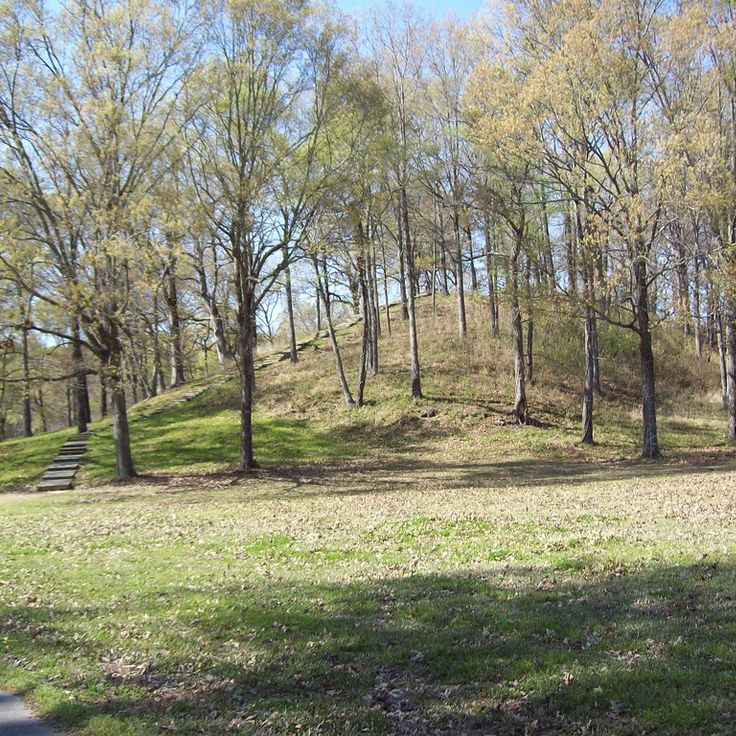
Poverty Point is home to one of North America's oldest settlements, where hunter-gatherer communities lived between 1700 and 1100 BCE. Six curved earthen ridges form a distinctive pattern across the site, showing careful planning and skilled construction. The archaeological evidence reveals that people here traded goods across long distances and lived in organized societies. This location offers visitors a window into Louisiana's ancient past and helps explain how early communities shaped their environment.
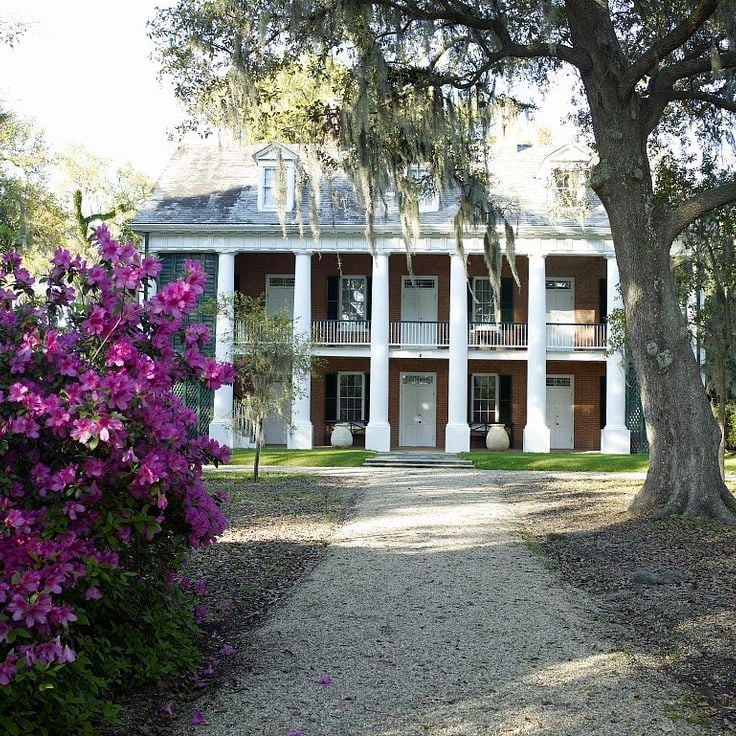
Rosedown Plantation is a cotton plantation established in 1835, included in this collection to preserve Louisiana's diverse heritage. The estate features a Greek Revival mansion and 28 hectares of gardens designed in the style of 19th century French and English landscape gardens. The plantation documents the lives of plantation owners and enslaved workers during the period before the American Civil War.
Shadows-on-the-Teche is a sugar cane plantation built in 1834 by David Weeks and remained in the family until 1958. The main house preserves original furniture and personal belongings from 4 generations of the Weeks family. The collection includes letters, photographs, and household documents that record life on a Louisiana plantation and connect to the state's broader heritage of colonial settlement and agricultural history.
The St. Francisville Heritage Area preserves residential buildings, churches and gardens built between the 1810s and 1860s. This collection of antebellum structures documents nineteenth-century architecture and community development in rural Louisiana. This heritage area contributes to the collection by showing how French colonial architecture blended with local traditions and how rural communities were shaped during this period.
This museum in Patterson displays historic racing aircraft from the 1930s alongside machinery and equipment that document the cypress lumber industry, which operated throughout Louisiana during the early 20th century. It contributes to the broader collection preserving Louisiana's varied heritage through plantations, museums, and natural areas.
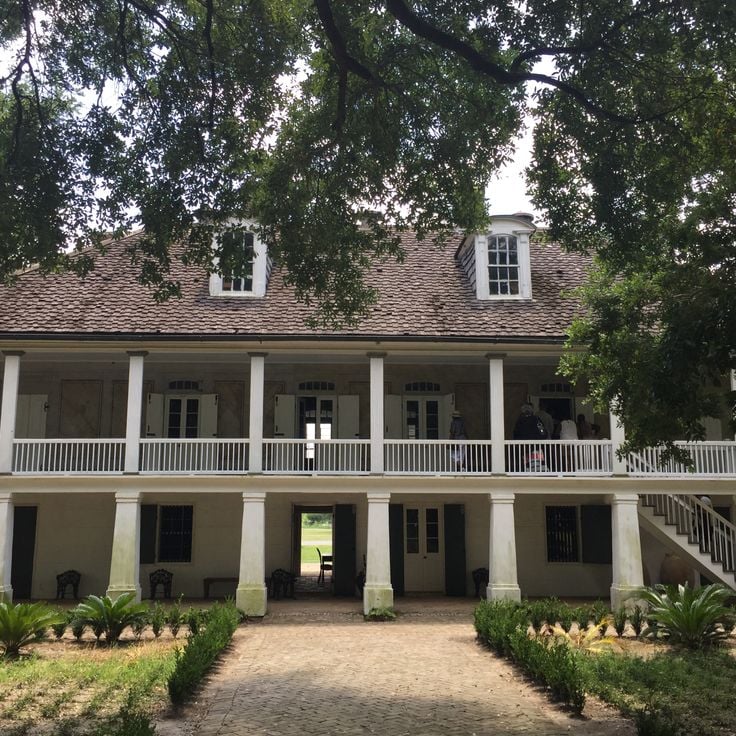
Within this collection of Louisiana's heritage sites, Whitney Plantation serves as an educational center and memorial that documents the history of slavery. The property preserves original slave quarters, historic work buildings, and exhibits about plantation life between 1750 and 1865.
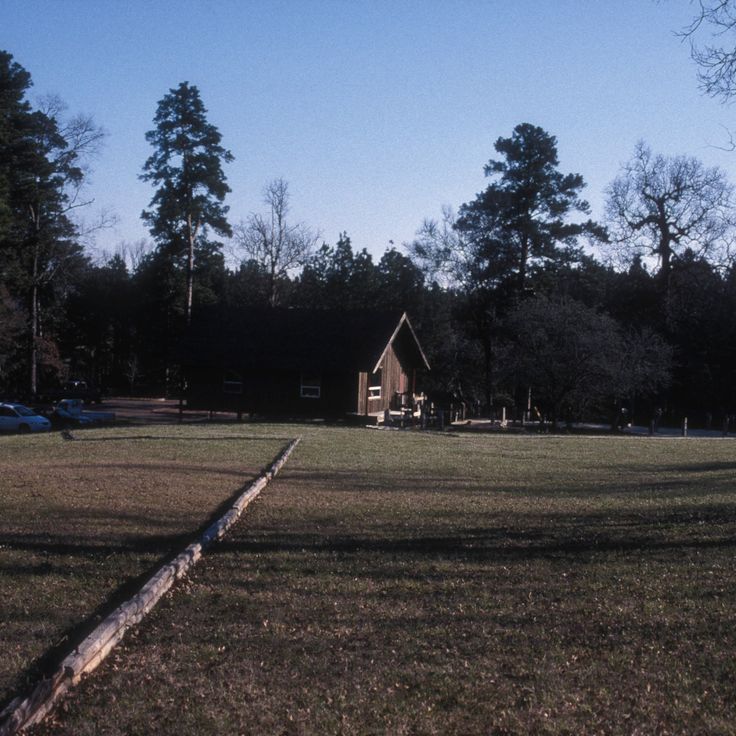
Los Adaes State Historic Site preserves the archaeological remains of an 18th-century Spanish colonial settlement. This location served as the capital of Spanish Texas from 1721 to 1773 and contains fort foundations, administrative buildings, and cultural artifacts from this period. The site documents Spanish presence in the region and contributes to understanding Louisiana's diverse heritage, which includes French colonial architecture, plantations, and archaeological sites alongside natural landscapes.
The Port Hudson State Historic Site preserves the remains of a 48-day siege from 1863, a significant event of the American Civil War. This site displays preserved defense trenches, earthworks, and fortifications built by both Confederate and Union forces. The visitor center documents the military operations and presents archaeological findings from this period.
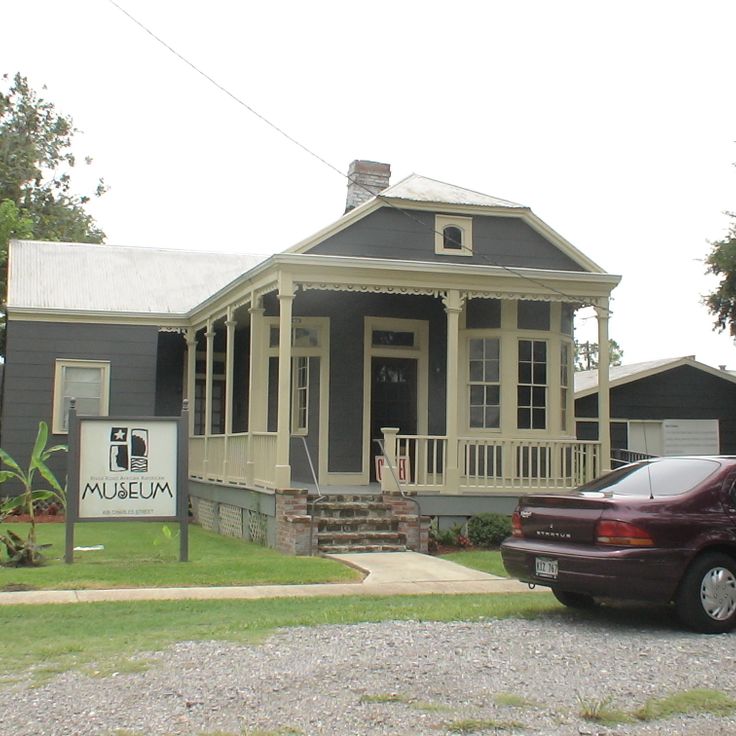
The River Road African American Museum documents the history of African American communities along the Mississippi River from 1700 to the present day. The museum explores the lives, labor, and cultural contributions of African Americans in this region of Louisiana, serving as a key site within the collection that preserves the diverse heritage of the state across plantations, archaeological sites, and natural areas.
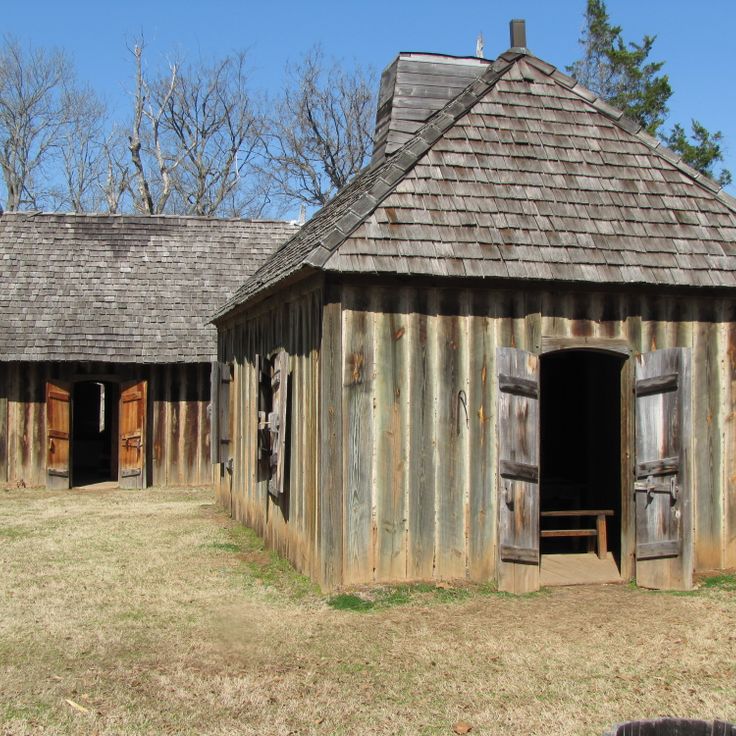
Fort St. Jean Baptiste State Historic Site is a reconstruction of an 18th-century French military installation that shows what colonial life was like during France's time in Louisiana. Visitors can watch historical demonstrations of how soldiers lived and worked, and see traditional crafts and techniques from that period. The fort helps you understand the French colonial presence in the region and fits into the broader story of Louisiana's history, from its earliest settlements through the centuries that followed.
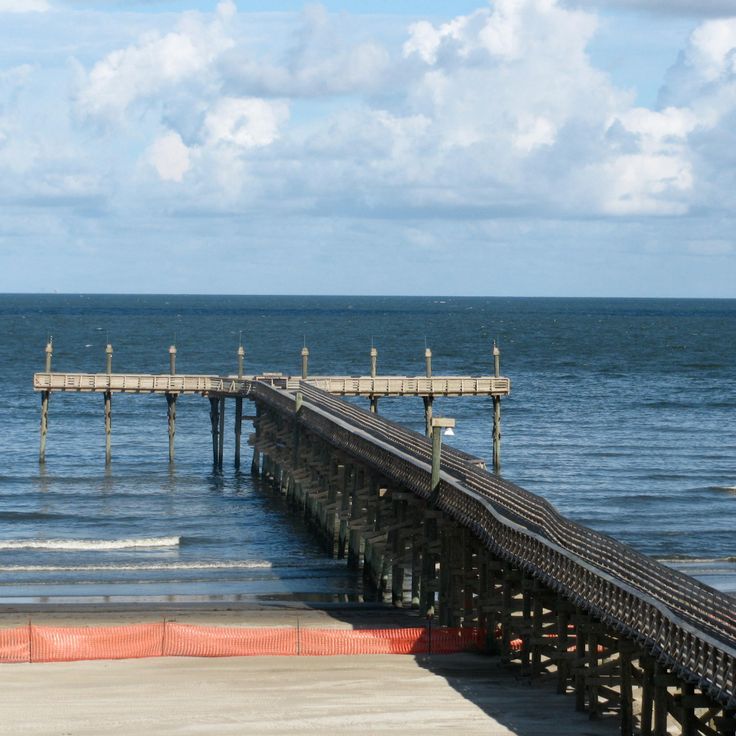
Grand Isle State Park is part of this collection exploring Louisiana's diverse landscapes and heritage. The park sits on a barrier island in the Gulf of Mexico and features 2 kilometers of sandy beach. It offers designated fishing areas and several observation stations for bird watching during migration seasons. The island lies on an important migratory route for various bird species traveling between North and South America. The park showcases the coastal landscapes that shape Louisiana's character.
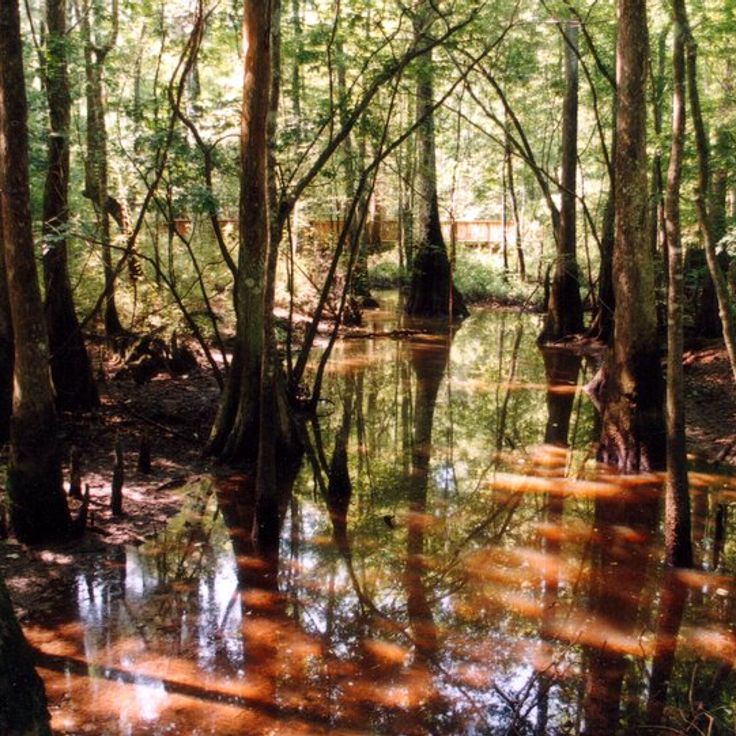
Tickfaw State Park within this collection represents Louisiana's characteristic wetland landscapes. The park covers wetlands featuring bald cypress and water tupelo trees. Visitors can observe native wildlife from elevated wooden boardwalks that traverse different habitats throughout the preserve.
The Louisiana State Arboretum in Ville Platte is the first arboretum established in the state and serves this collection by showcasing the region's native plant life. The grounds cover 300 acres of forest and house 150 plant species native to Louisiana. Marked trails lead visitors through different vegetation zones, offering chances to observe local flora up close. This site complements other natural areas in the collection, such as the Avery Island Botanical Garden and the bayou wetlands, while representing the state's botanical heritage.
The Jean Lafitte National Historical Park and Preserve protects six separate sites across Louisiana within this collection showcasing the state's diverse heritage. The park documents French colonial history and Cajun culture through its wetlands with swamps and bayous, historic neighborhoods in New Orleans, and prairie landscapes that reveal the natural ecosystems and cultural development of the region.
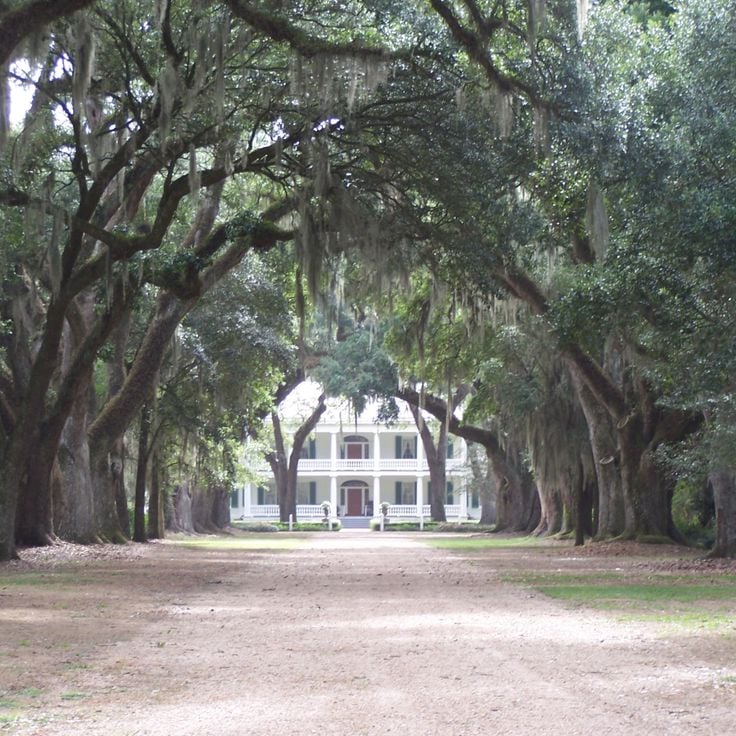
Oak Alley Plantation tells the story of Louisiana's past through a plantation established in 1839 for sugar cane farming. The main house displays Greek Revival architecture typical of the American South before the Civil War. A tree-lined avenue of about 28 mature oak trees leads to the mansion. Guided tours take visitors through the main residence and former slave quarters, revealing details about plantation life and the labor system that supported it.
The Louisiana State Cotton Museum in Lake Providence documents the history of cotton production in the region. The exhibition displays agricultural tools and machinery from different periods and explains how cotton was harvested and processed. The museum also tells the story of the economic and social changes that shaped the region between 1800 and today. It is part of a collection of museums and historic sites that explores Louisiana's diverse heritage.
The Biedenharn Museum in Monroe documents the early history of Coca-Cola bottling in the United States. Built in 1913, the building houses a collection of historical Coca-Cola bottles and original bottling equipment from the soft drink industry's pioneering days. The adjoining gardens feature roses and a variety of other plants, offering a view into how people created and maintained gardens in Louisiana during the early 20th century. Within the context of this collection, the museum preserves an important chapter of regional industrial and cultural development.
Laura Plantation was established in 1805 as a sugarcane estate and documents the history of Creole society in Louisiana and the lives of enslaved people who worked on the property. The museum preserves original buildings and presents authentic records from several generations of Creole plantation owners and their workers. This plantation contributes to the collection by offering insight into Creole culture and the often overlooked history of enslaved people, reflecting Louisiana's diverse past.
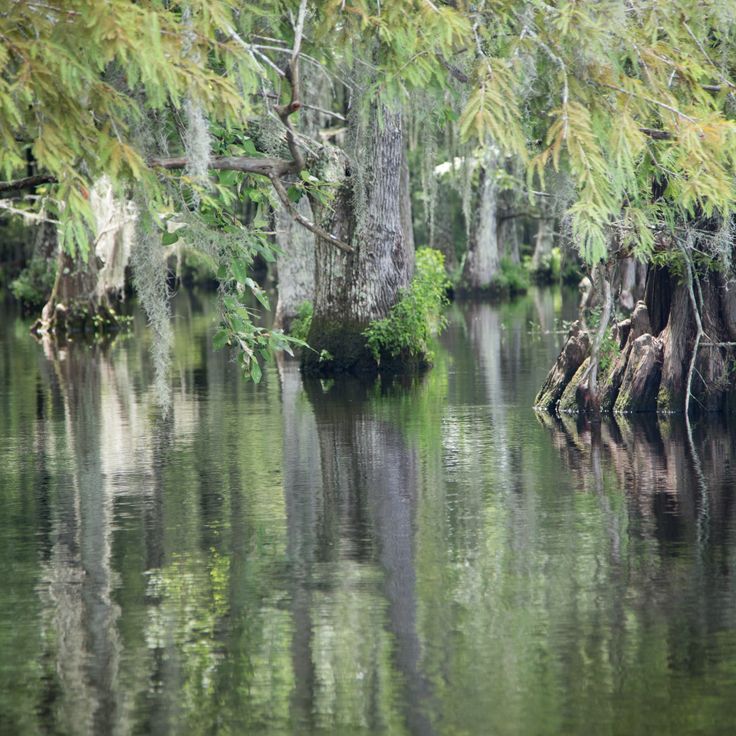
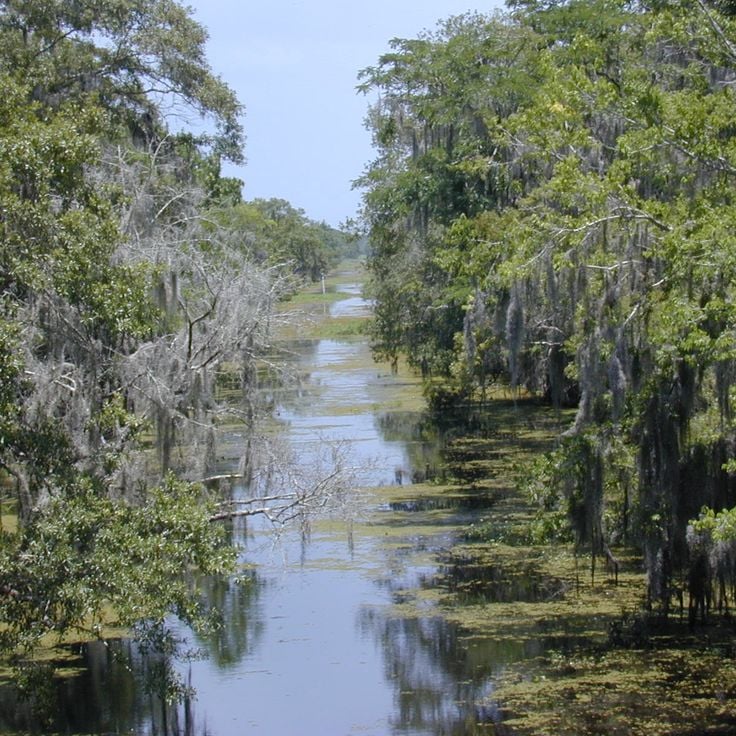
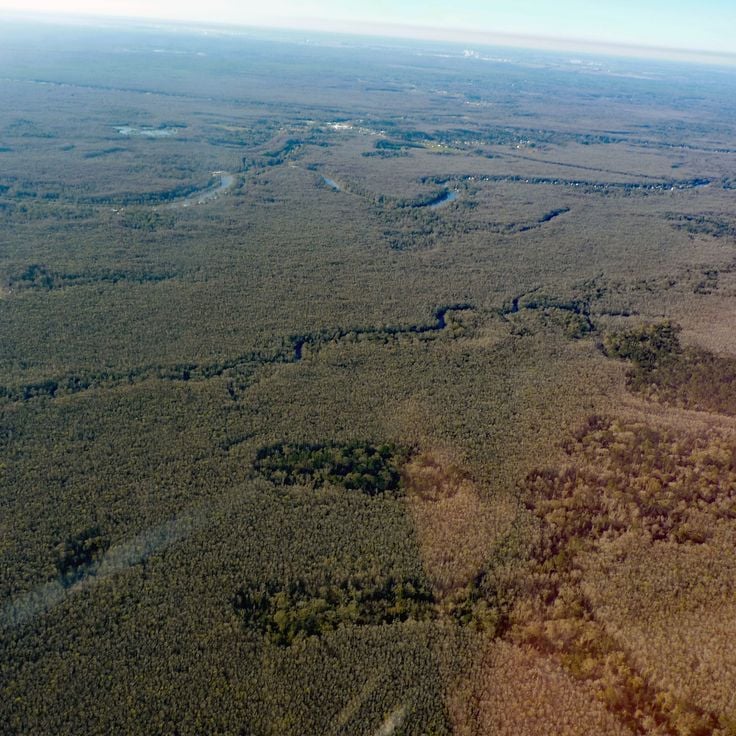
The Maurepas Swamp Wildlife Management Area is a nature reserve in Louisiana that displays the region's characteristic wetland landscapes. This swamp features extensive cypress forests and serves as habitat for numerous bird species, alligators, and other animals adapted to swamp environments. Visitors can observe native wildlife in their natural surroundings and gain insight into the ecological features that shape Louisiana's natural areas.
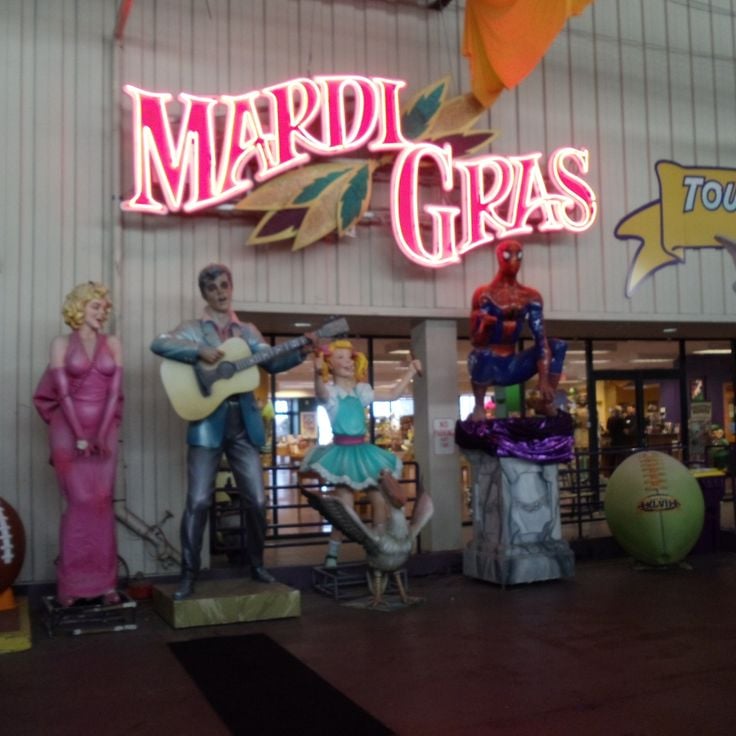
The Mardi Gras World in New Orleans is a production facility that fits into Louisiana's collection of historic sites and natural areas. Visitors can watch carnival float construction and learn how the technical manufacturing works. This workshop shows how the elaborate floats that parade through the streets during the famous carnival are created.
The R.W. Norton Art Gallery in this collection presents American and European artworks in a building surrounded by landscaped gardens featuring numerous azalea beds. Visitors can discover paintings, sculptures, and decorative arts from different periods while enjoying the natural beauty of the grounds.
The Southdown Plantation in Houma preserves the story of Louisiana's sugarcane industry through its 1859 plantation house, now operating as a museum. Inside, visitors find documents, tools, and objects from the sugar production era. The museum displays information about daily life on regional plantations during the 19th century and shows how sugarcane shaped the economy and society of Louisiana.
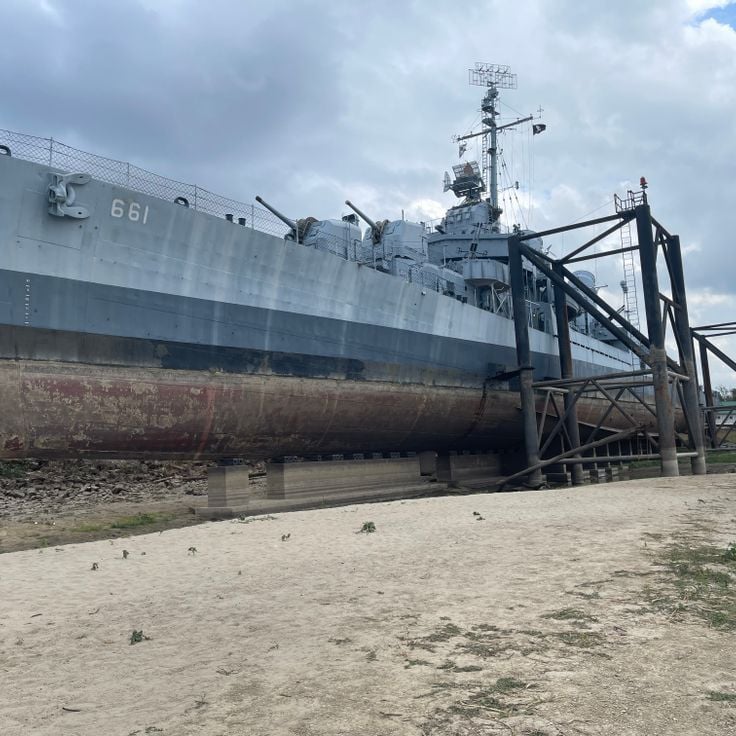
The USS Kidd Veterans Museum preserves a Fletcher-class destroyer from World War II and contributes to Louisiana's diverse heritage collection. Visitors can explore the original spaces of the ship, including the bridge, crew quarters, and engine room. The museum also displays military artifacts, uniforms, and documents related to the history of the United States Navy.
Jungle Gardens on Avery Island is a botanical garden that spans 170 acres on a natural salt dome formation. This place displays the characteristic vegetation of Louisiana through bamboo groves, native plant species, and alligators. The garden sits within a subtropical habitat that provides shelter to migratory birds during their seasonal movements. As part of this collection, Jungle Gardens documents the diverse landscapes of the region and complements the historic plantations and archaeological sites with a botanical view of Louisiana's natural heritage.
The Chauvin Art Garden contributes a modern artistic voice to Louisiana's diverse heritage documented in this collection. Over 100 concrete sculptures created by artist Kenny Hill between 2000 and 2013 line a bayou path, depicting religious themes, prophets, angels, and personal representations. Hill shaped this site as an expression of his spiritual beliefs before leaving the property. Today volunteers maintain the sculptures, which remain open to visitors.
The Germantown Settlement Museum preserves the history of German immigrants who established a religious community here in 1835. This museum maintains several original buildings from that period and displays personal belongings, tools, documents, and photographs of the settlers. The collection shows daily life and social structures of this German-speaking community in rural Louisiana during the 19th century.
The Cane River Heritage Site is part of this collection documenting Louisiana's diverse heritage. It comprises two preserved plantations with original buildings from the 1700s and 1800s. These properties showcase French colonial architecture, agricultural methods, and the daily life of Creole communities in this region of Louisiana.
The Eddie G. Robinson Museum is located on the campus of Grambling State University and documents the life and career of legendary football coach Eddie G. Robinson. The museum displays trophies, photographs, personal items, and memorabilia from his coaching career, as well as information about the many players he mentored. The collection shows his influence on college football and his role in developing numerous athletes, highlighting his legacy in sports history.
Frogmore Plantation is an active cotton plantation that demonstrates the various processing methods used in cotton production. Visitors can observe the complete production cycle, from traditional hand picking techniques to modern automated processing systems. This working plantation is part of Louisiana's collection of historic sites and provides insight into both historical and contemporary cotton farming practices in the state.
The Longfellow-Evangeline State Historic Site preserves an 18th-century estate and documents the French colonial period and Acadian settlement in Louisiana. The exhibits display authentic buildings, agricultural tools, and everyday objects used by residents of that era. The grounds include a Creole plantation and present the history of French-speaking communities in the region.
Melrose Plantation is part of this collection and documents the history of Creole culture in Louisiana. The estate was established in the 18th century and now houses an important collection of African American artworks and traditional crafts. The buildings and exhibits tell the stories of cotton farming and the people who lived and worked on the plantation.
The Old State Capitol in Baton Rouge was built in 1847 in neo-Gothic style and served as Louisiana's seat of government until 1932. Today, the building houses a museum where visitors can learn about the political history of the state, the development of local government institutions, and the major events that shaped Louisiana. This site offers a direct way to explore the political past of the state.
Poverty Point is home to one of North America's oldest settlements, where hunter-gatherer communities lived between 1700 and 1100 BCE. Six curved earthen ridges form a distinctive pattern across the site, showing careful planning and skilled construction. The archaeological evidence reveals that people here traded goods across long distances and lived in organized societies. This location offers visitors a window into Louisiana's ancient past and helps explain how early communities shaped their environment.
Rosedown Plantation is a cotton plantation established in 1835, included in this collection to preserve Louisiana's diverse heritage. The estate features a Greek Revival mansion and 28 hectares of gardens designed in the style of 19th century French and English landscape gardens. The plantation documents the lives of plantation owners and enslaved workers during the period before the American Civil War.
Shadows-on-the-Teche is a sugar cane plantation built in 1834 by David Weeks and remained in the family until 1958. The main house preserves original furniture and personal belongings from 4 generations of the Weeks family. The collection includes letters, photographs, and household documents that record life on a Louisiana plantation and connect to the state's broader heritage of colonial settlement and agricultural history.
The St. Francisville Heritage Area preserves residential buildings, churches and gardens built between the 1810s and 1860s. This collection of antebellum structures documents nineteenth-century architecture and community development in rural Louisiana. This heritage area contributes to the collection by showing how French colonial architecture blended with local traditions and how rural communities were shaped during this period.
This museum in Patterson displays historic racing aircraft from the 1930s alongside machinery and equipment that document the cypress lumber industry, which operated throughout Louisiana during the early 20th century. It contributes to the broader collection preserving Louisiana's varied heritage through plantations, museums, and natural areas.
Within this collection of Louisiana's heritage sites, Whitney Plantation serves as an educational center and memorial that documents the history of slavery. The property preserves original slave quarters, historic work buildings, and exhibits about plantation life between 1750 and 1865.
Los Adaes State Historic Site preserves the archaeological remains of an 18th-century Spanish colonial settlement. This location served as the capital of Spanish Texas from 1721 to 1773 and contains fort foundations, administrative buildings, and cultural artifacts from this period. The site documents Spanish presence in the region and contributes to understanding Louisiana's diverse heritage, which includes French colonial architecture, plantations, and archaeological sites alongside natural landscapes.
The Port Hudson State Historic Site preserves the remains of a 48-day siege from 1863, a significant event of the American Civil War. This site displays preserved defense trenches, earthworks, and fortifications built by both Confederate and Union forces. The visitor center documents the military operations and presents archaeological findings from this period.
The River Road African American Museum documents the history of African American communities along the Mississippi River from 1700 to the present day. The museum explores the lives, labor, and cultural contributions of African Americans in this region of Louisiana, serving as a key site within the collection that preserves the diverse heritage of the state across plantations, archaeological sites, and natural areas.
Fort St. Jean Baptiste State Historic Site is a reconstruction of an 18th-century French military installation that shows what colonial life was like during France's time in Louisiana. Visitors can watch historical demonstrations of how soldiers lived and worked, and see traditional crafts and techniques from that period. The fort helps you understand the French colonial presence in the region and fits into the broader story of Louisiana's history, from its earliest settlements through the centuries that followed.
Grand Isle State Park is part of this collection exploring Louisiana's diverse landscapes and heritage. The park sits on a barrier island in the Gulf of Mexico and features 2 kilometers of sandy beach. It offers designated fishing areas and several observation stations for bird watching during migration seasons. The island lies on an important migratory route for various bird species traveling between North and South America. The park showcases the coastal landscapes that shape Louisiana's character.
Tickfaw State Park within this collection represents Louisiana's characteristic wetland landscapes. The park covers wetlands featuring bald cypress and water tupelo trees. Visitors can observe native wildlife from elevated wooden boardwalks that traverse different habitats throughout the preserve.
The Louisiana State Arboretum in Ville Platte is the first arboretum established in the state and serves this collection by showcasing the region's native plant life. The grounds cover 300 acres of forest and house 150 plant species native to Louisiana. Marked trails lead visitors through different vegetation zones, offering chances to observe local flora up close. This site complements other natural areas in the collection, such as the Avery Island Botanical Garden and the bayou wetlands, while representing the state's botanical heritage.
The Jean Lafitte National Historical Park and Preserve protects six separate sites across Louisiana within this collection showcasing the state's diverse heritage. The park documents French colonial history and Cajun culture through its wetlands with swamps and bayous, historic neighborhoods in New Orleans, and prairie landscapes that reveal the natural ecosystems and cultural development of the region.
Oak Alley Plantation tells the story of Louisiana's past through a plantation established in 1839 for sugar cane farming. The main house displays Greek Revival architecture typical of the American South before the Civil War. A tree-lined avenue of about 28 mature oak trees leads to the mansion. Guided tours take visitors through the main residence and former slave quarters, revealing details about plantation life and the labor system that supported it.
The Louisiana State Cotton Museum in Lake Providence documents the history of cotton production in the region. The exhibition displays agricultural tools and machinery from different periods and explains how cotton was harvested and processed. The museum also tells the story of the economic and social changes that shaped the region between 1800 and today. It is part of a collection of museums and historic sites that explores Louisiana's diverse heritage.
The Biedenharn Museum in Monroe documents the early history of Coca-Cola bottling in the United States. Built in 1913, the building houses a collection of historical Coca-Cola bottles and original bottling equipment from the soft drink industry's pioneering days. The adjoining gardens feature roses and a variety of other plants, offering a view into how people created and maintained gardens in Louisiana during the early 20th century. Within the context of this collection, the museum preserves an important chapter of regional industrial and cultural development.
Laura Plantation was established in 1805 as a sugarcane estate and documents the history of Creole society in Louisiana and the lives of enslaved people who worked on the property. The museum preserves original buildings and presents authentic records from several generations of Creole plantation owners and their workers. This plantation contributes to the collection by offering insight into Creole culture and the often overlooked history of enslaved people, reflecting Louisiana's diverse past.
The Maurepas Swamp Wildlife Management Area is a nature reserve in Louisiana that displays the region's characteristic wetland landscapes. This swamp features extensive cypress forests and serves as habitat for numerous bird species, alligators, and other animals adapted to swamp environments. Visitors can observe native wildlife in their natural surroundings and gain insight into the ecological features that shape Louisiana's natural areas.
The Mardi Gras World in New Orleans is a production facility that fits into Louisiana's collection of historic sites and natural areas. Visitors can watch carnival float construction and learn how the technical manufacturing works. This workshop shows how the elaborate floats that parade through the streets during the famous carnival are created.
The R.W. Norton Art Gallery in this collection presents American and European artworks in a building surrounded by landscaped gardens featuring numerous azalea beds. Visitors can discover paintings, sculptures, and decorative arts from different periods while enjoying the natural beauty of the grounds.
The Southdown Plantation in Houma preserves the story of Louisiana's sugarcane industry through its 1859 plantation house, now operating as a museum. Inside, visitors find documents, tools, and objects from the sugar production era. The museum displays information about daily life on regional plantations during the 19th century and shows how sugarcane shaped the economy and society of Louisiana.
The USS Kidd Veterans Museum preserves a Fletcher-class destroyer from World War II and contributes to Louisiana's diverse heritage collection. Visitors can explore the original spaces of the ship, including the bridge, crew quarters, and engine room. The museum also displays military artifacts, uniforms, and documents related to the history of the United States Navy.
Jungle Gardens on Avery Island is a botanical garden that spans 170 acres on a natural salt dome formation. This place displays the characteristic vegetation of Louisiana through bamboo groves, native plant species, and alligators. The garden sits within a subtropical habitat that provides shelter to migratory birds during their seasonal movements. As part of this collection, Jungle Gardens documents the diverse landscapes of the region and complements the historic plantations and archaeological sites with a botanical view of Louisiana's natural heritage.
The Chauvin Art Garden contributes a modern artistic voice to Louisiana's diverse heritage documented in this collection. Over 100 concrete sculptures created by artist Kenny Hill between 2000 and 2013 line a bayou path, depicting religious themes, prophets, angels, and personal representations. Hill shaped this site as an expression of his spiritual beliefs before leaving the property. Today volunteers maintain the sculptures, which remain open to visitors.
The Germantown Settlement Museum preserves the history of German immigrants who established a religious community here in 1835. This museum maintains several original buildings from that period and displays personal belongings, tools, documents, and photographs of the settlers. The collection shows daily life and social structures of this German-speaking community in rural Louisiana during the 19th century.
The Cane River Heritage Site is part of this collection documenting Louisiana's diverse heritage. It comprises two preserved plantations with original buildings from the 1700s and 1800s. These properties showcase French colonial architecture, agricultural methods, and the daily life of Creole communities in this region of Louisiana.
The Eddie G. Robinson Museum is located on the campus of Grambling State University and documents the life and career of legendary football coach Eddie G. Robinson. The museum displays trophies, photographs, personal items, and memorabilia from his coaching career, as well as information about the many players he mentored. The collection shows his influence on college football and his role in developing numerous athletes, highlighting his legacy in sports history.
Frogmore Plantation is an active cotton plantation that demonstrates the various processing methods used in cotton production. Visitors can observe the complete production cycle, from traditional hand picking techniques to modern automated processing systems. This working plantation is part of Louisiana's collection of historic sites and provides insight into both historical and contemporary cotton farming practices in the state.
The Longfellow-Evangeline State Historic Site preserves an 18th-century estate and documents the French colonial period and Acadian settlement in Louisiana. The exhibits display authentic buildings, agricultural tools, and everyday objects used by residents of that era. The grounds include a Creole plantation and present the history of French-speaking communities in the region.
Melrose Plantation is part of this collection and documents the history of Creole culture in Louisiana. The estate was established in the 18th century and now houses an important collection of African American artworks and traditional crafts. The buildings and exhibits tell the stories of cotton farming and the people who lived and worked on the plantation.
The Old State Capitol in Baton Rouge was built in 1847 in neo-Gothic style and served as Louisiana's seat of government until 1932. Today, the building houses a museum where visitors can learn about the political history of the state, the development of local government institutions, and the major events that shaped Louisiana. This site offers a direct way to explore the political past of the state.
Poverty Point is home to one of North America's oldest settlements, where hunter-gatherer communities lived between 1700 and 1100 BCE. Six curved earthen ridges form a distinctive pattern across the site, showing careful planning and skilled construction. The archaeological evidence reveals that people here traded goods across long distances and lived in organized societies. This location offers visitors a window into Louisiana's ancient past and helps explain how early communities shaped their environment.
Rosedown Plantation is a cotton plantation established in 1835, included in this collection to preserve Louisiana's diverse heritage. The estate features a Greek Revival mansion and 28 hectares of gardens designed in the style of 19th century French and English landscape gardens. The plantation documents the lives of plantation owners and enslaved workers during the period before the American Civil War.
Shadows-on-the-Teche is a sugar cane plantation built in 1834 by David Weeks and remained in the family until 1958. The main house preserves original furniture and personal belongings from 4 generations of the Weeks family. The collection includes letters, photographs, and household documents that record life on a Louisiana plantation and connect to the state's broader heritage of colonial settlement and agricultural history.
The St. Francisville Heritage Area preserves residential buildings, churches and gardens built between the 1810s and 1860s. This collection of antebellum structures documents nineteenth-century architecture and community development in rural Louisiana. This heritage area contributes to the collection by showing how French colonial architecture blended with local traditions and how rural communities were shaped during this period.
This museum in Patterson displays historic racing aircraft from the 1930s alongside machinery and equipment that document the cypress lumber industry, which operated throughout Louisiana during the early 20th century. It contributes to the broader collection preserving Louisiana's varied heritage through plantations, museums, and natural areas.
Within this collection of Louisiana's heritage sites, Whitney Plantation serves as an educational center and memorial that documents the history of slavery. The property preserves original slave quarters, historic work buildings, and exhibits about plantation life between 1750 and 1865.
Los Adaes State Historic Site preserves the archaeological remains of an 18th-century Spanish colonial settlement. This location served as the capital of Spanish Texas from 1721 to 1773 and contains fort foundations, administrative buildings, and cultural artifacts from this period. The site documents Spanish presence in the region and contributes to understanding Louisiana's diverse heritage, which includes French colonial architecture, plantations, and archaeological sites alongside natural landscapes.
The Port Hudson State Historic Site preserves the remains of a 48-day siege from 1863, a significant event of the American Civil War. This site displays preserved defense trenches, earthworks, and fortifications built by both Confederate and Union forces. The visitor center documents the military operations and presents archaeological findings from this period.
The River Road African American Museum documents the history of African American communities along the Mississippi River from 1700 to the present day. The museum explores the lives, labor, and cultural contributions of African Americans in this region of Louisiana, serving as a key site within the collection that preserves the diverse heritage of the state across plantations, archaeological sites, and natural areas.
Fort St. Jean Baptiste State Historic Site is a reconstruction of an 18th-century French military installation that shows what colonial life was like during France's time in Louisiana. Visitors can watch historical demonstrations of how soldiers lived and worked, and see traditional crafts and techniques from that period. The fort helps you understand the French colonial presence in the region and fits into the broader story of Louisiana's history, from its earliest settlements through the centuries that followed.
Grand Isle State Park is part of this collection exploring Louisiana's diverse landscapes and heritage. The park sits on a barrier island in the Gulf of Mexico and features 2 kilometers of sandy beach. It offers designated fishing areas and several observation stations for bird watching during migration seasons. The island lies on an important migratory route for various bird species traveling between North and South America. The park showcases the coastal landscapes that shape Louisiana's character.
Tickfaw State Park within this collection represents Louisiana's characteristic wetland landscapes. The park covers wetlands featuring bald cypress and water tupelo trees. Visitors can observe native wildlife from elevated wooden boardwalks that traverse different habitats throughout the preserve.
The Louisiana State Arboretum in Ville Platte is the first arboretum established in the state and serves this collection by showcasing the region's native plant life. The grounds cover 300 acres of forest and house 150 plant species native to Louisiana. Marked trails lead visitors through different vegetation zones, offering chances to observe local flora up close. This site complements other natural areas in the collection, such as the Avery Island Botanical Garden and the bayou wetlands, while representing the state's botanical heritage.
The Jean Lafitte National Historical Park and Preserve protects six separate sites across Louisiana within this collection showcasing the state's diverse heritage. The park documents French colonial history and Cajun culture through its wetlands with swamps and bayous, historic neighborhoods in New Orleans, and prairie landscapes that reveal the natural ecosystems and cultural development of the region.
Oak Alley Plantation tells the story of Louisiana's past through a plantation established in 1839 for sugar cane farming. The main house displays Greek Revival architecture typical of the American South before the Civil War. A tree-lined avenue of about 28 mature oak trees leads to the mansion. Guided tours take visitors through the main residence and former slave quarters, revealing details about plantation life and the labor system that supported it.
The Louisiana State Cotton Museum in Lake Providence documents the history of cotton production in the region. The exhibition displays agricultural tools and machinery from different periods and explains how cotton was harvested and processed. The museum also tells the story of the economic and social changes that shaped the region between 1800 and today. It is part of a collection of museums and historic sites that explores Louisiana's diverse heritage.
The Biedenharn Museum in Monroe documents the early history of Coca-Cola bottling in the United States. Built in 1913, the building houses a collection of historical Coca-Cola bottles and original bottling equipment from the soft drink industry's pioneering days. The adjoining gardens feature roses and a variety of other plants, offering a view into how people created and maintained gardens in Louisiana during the early 20th century. Within the context of this collection, the museum preserves an important chapter of regional industrial and cultural development.
Laura Plantation was established in 1805 as a sugarcane estate and documents the history of Creole society in Louisiana and the lives of enslaved people who worked on the property. The museum preserves original buildings and presents authentic records from several generations of Creole plantation owners and their workers. This plantation contributes to the collection by offering insight into Creole culture and the often overlooked history of enslaved people, reflecting Louisiana's diverse past.
The Maurepas Swamp Wildlife Management Area is a nature reserve in Louisiana that displays the region's characteristic wetland landscapes. This swamp features extensive cypress forests and serves as habitat for numerous bird species, alligators, and other animals adapted to swamp environments. Visitors can observe native wildlife in their natural surroundings and gain insight into the ecological features that shape Louisiana's natural areas.
The Mardi Gras World in New Orleans is a production facility that fits into Louisiana's collection of historic sites and natural areas. Visitors can watch carnival float construction and learn how the technical manufacturing works. This workshop shows how the elaborate floats that parade through the streets during the famous carnival are created.
The R.W. Norton Art Gallery in this collection presents American and European artworks in a building surrounded by landscaped gardens featuring numerous azalea beds. Visitors can discover paintings, sculptures, and decorative arts from different periods while enjoying the natural beauty of the grounds.
The Southdown Plantation in Houma preserves the story of Louisiana's sugarcane industry through its 1859 plantation house, now operating as a museum. Inside, visitors find documents, tools, and objects from the sugar production era. The museum displays information about daily life on regional plantations during the 19th century and shows how sugarcane shaped the economy and society of Louisiana.
The USS Kidd Veterans Museum preserves a Fletcher-class destroyer from World War II and contributes to Louisiana's diverse heritage collection. Visitors can explore the original spaces of the ship, including the bridge, crew quarters, and engine room. The museum also displays military artifacts, uniforms, and documents related to the history of the United States Navy.