See the monuments around you in AROpen chests in the app
Around Us is built for your phone — point your camera at the streets and discover the monuments and places around you in augmented reality.Around Us is built for your phone — chests unlock when you walk, explore and capture nearby places.
Observing beetles, butterflies, and other arthropods reveals the secrets of natural places and homes.
These places let you get close to beetles, butterflies and other small creatures. You will see living insects in settings that feel natural, and also preserved collections that show how different species are built, how they behave and what they do in nature. Many of these sites teach visitors about why insects matter to forests and farms, and to people.
You can visit the Audubon Insectarium in New Orleans, where you move through 50 exhibits showing how insects fit into the world around us. In Montreal, the Insectarium brings together insects from every continent, both living and preserved. The Victoria Bug Zoo in British Columbia lets you watch beetles, stick insects and tropical butterflies move through their spaces. If you want to see large research collections, the Oxford University Museum of Natural History holds over 5 million insects from around the globe, while the Tokyo National Museum of Nature and Science focuses on Japanese species and keeps about 4 million specimens. The Australian Museum in Sydney shows insects and spiders found across Australia through scientific displays that explain their bodies and their lives.
For something different, head to Louisiana's wetlands and forests. Jean Lafitte National Historical Park opens into bayous where you can watch insects in the swamps. The Atchafalaya National Wildlife Refuge and Cameron Prairie National Wildlife Refuge shelter moths, butterflies and beetles among their wetlands and fields. These wild places show you insects as they truly live, moving and feeding and surviving in their own world.
Observing beetles, butterflies, and other arthropods reveals the secrets of natural places and homes.
These places let you get close to beetles, butterflies and other small creatures. You will see living insects in settings that feel natural, and also preserved collections that show how different species are built, how they behave and what they do in nature. Many of these sites teach visitors about why insects matter to forests and farms, and to people.
You can visit the Audubon Insectarium in New Orleans, where you move through 50 exhibits showing how insects fit into the world around us. In Montreal, the Insectarium brings together insects from every continent, both living and preserved. The Victoria Bug Zoo in British Columbia lets you watch beetles, stick insects and tropical butterflies move through their spaces. If you want to see large research collections, the Oxford University Museum of Natural History holds over 5 million insects from around the globe, while the Tokyo National Museum of Nature and Science focuses on Japanese species and keeps about 4 million specimens. The Australian Museum in Sydney shows insects and spiders found across Australia through scientific displays that explain their bodies and their lives.
For something different, head to Louisiana's wetlands and forests. Jean Lafitte National Historical Park opens into bayous where you can watch insects in the swamps. The Atchafalaya National Wildlife Refuge and Cameron Prairie National Wildlife Refuge shelter moths, butterflies and beetles among their wetlands and fields. These wild places show you insects as they truly live, moving and feeding and surviving in their own world.
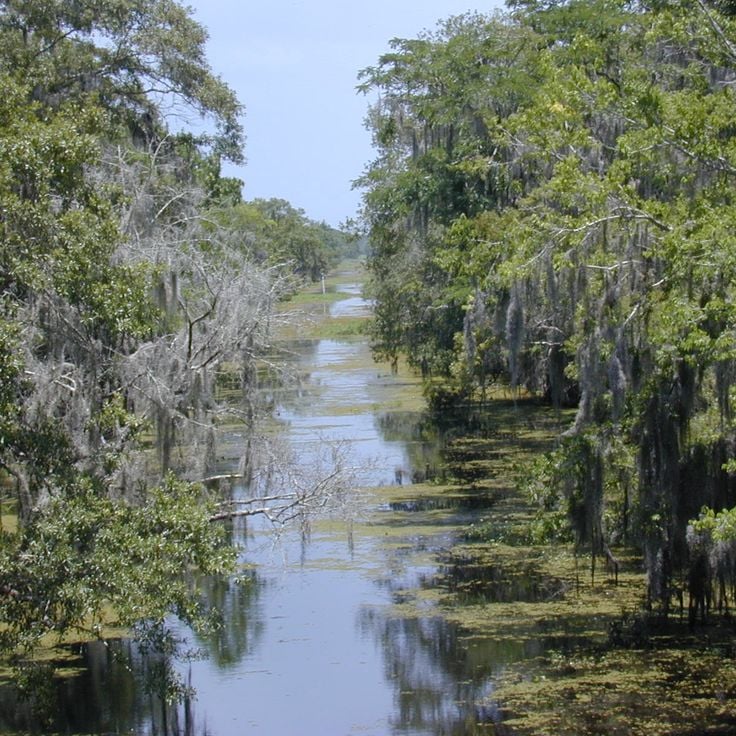
Jean Lafitte National Historical Park and Preserve sits in the Mississippi Delta and gives visitors direct access to the wetlands and bayous of the Louisiana coast. Walking through the park, you can spot beetles, dragonflies and many other invertebrates going about their lives in the water, mud and vegetation. The swampy terrain shows how insects shape the daily rhythm of a coastal ecosystem.
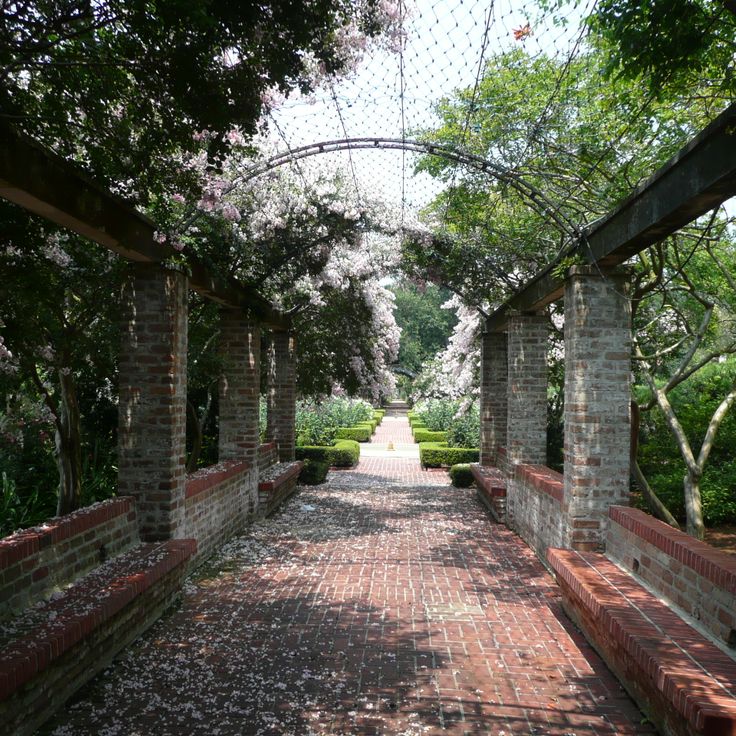
The City Park New Orleans Botanical Garden sits inside one of the city's oldest parks and lets visitors watch insects move among native and exotic trees, flowers and water plants. This garden is a good place to see how beetles, butterflies and other small creatures behave in a living setting, where plants and insects share the same space.
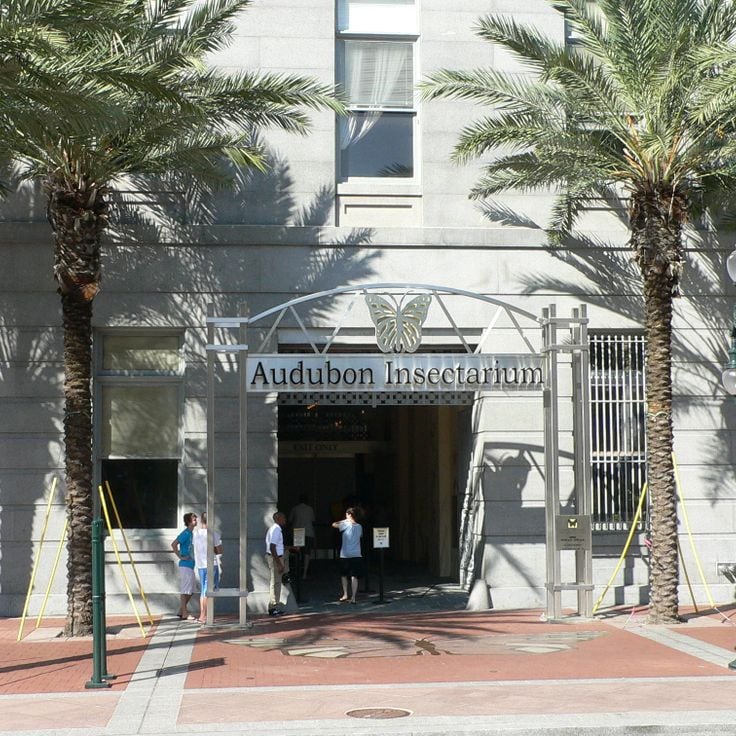
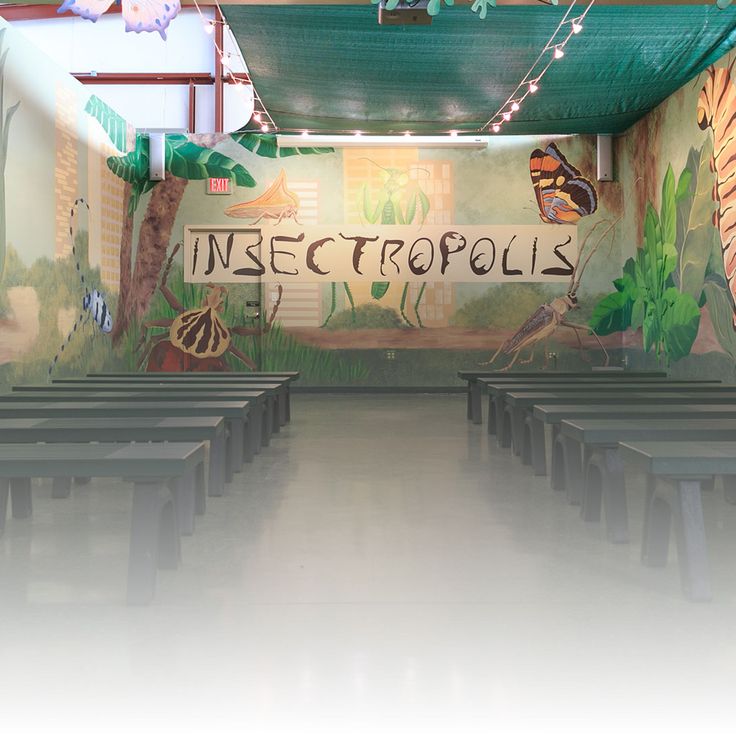
This insectarium in New Orleans presents over 50 exhibits on insect species and their role in the ecosystem. The collection at Audubon Insectarium includes live specimens and preserved animals from various taxonomic groups, including beetles, butterflies and grasshoppers. Visitors can observe insect behavior and anatomy while learning about their importance to natural cycles. The museum also operates breeding programs and documents regional insect populations.
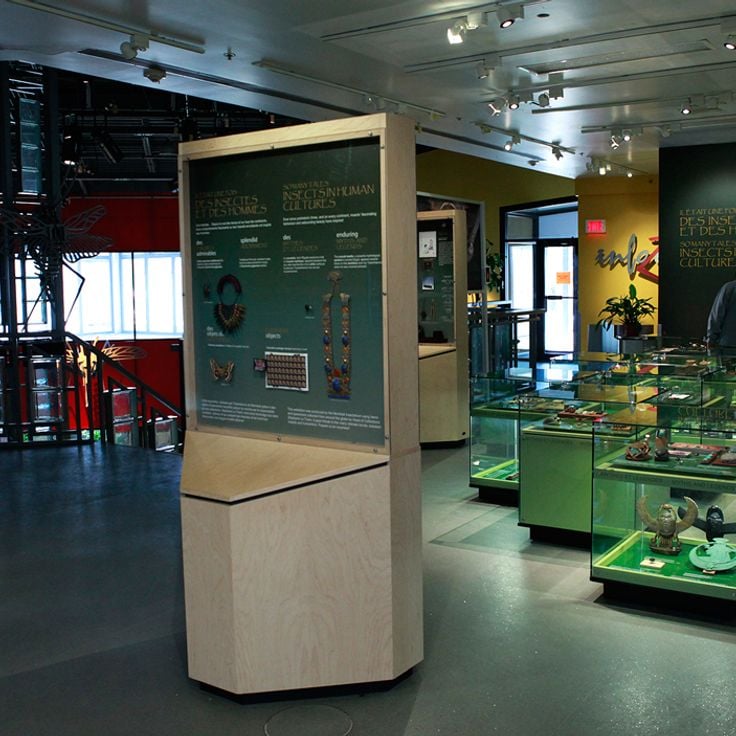
The Montreal Insectarium is a natural history museum in Montréal dedicated to insects from around the world. Visitors can observe living and preserved beetles, butterflies and other arthropods at close range, learning how these creatures behave and what roles they play in nature and agriculture. The museum pairs scientific research with educational programs that help make the world of insects accessible to all ages.
Grand Isle State Park sits along the Gulf Coast of Louisiana and offers a chance to watch insects in their native setting. The park's woodlands are home to birds, raccoons, squirrels, and a wide range of insect species. For anyone curious about small creatures, this is a good place to see how they live, feed, and interact with the world around them.
This zoo in Baton Rouge maintains an insect section featuring species from South America, Africa and Asia displayed in specially designed terrariums with naturalistic vegetation. The exhibit complements the facility's offerings with entomological education and allows visitors to observe various beetles, butterflies and other insects from different continents in a controlled environment.
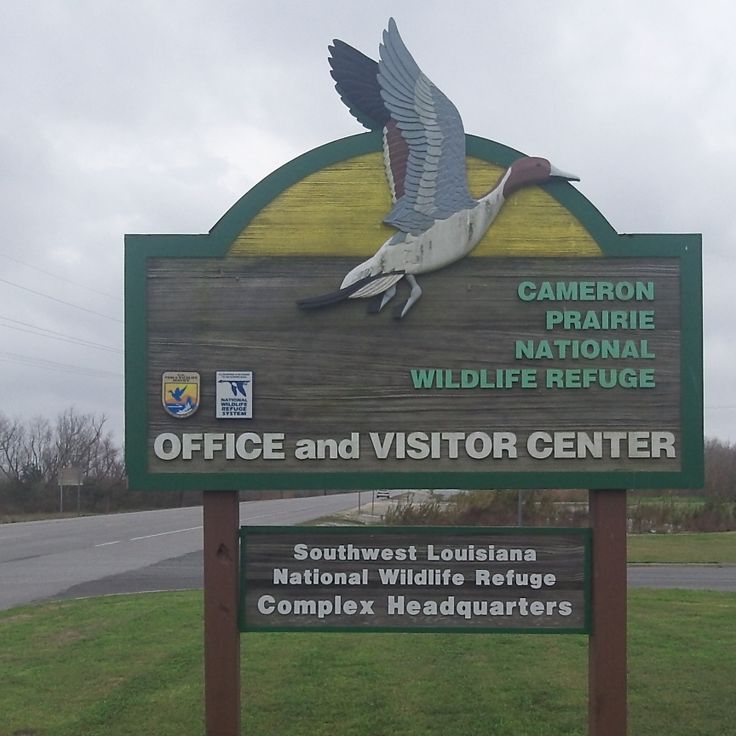
Cameron Prairie National Wildlife Refuge, near Lake Charles, is a place where wetlands and meadows come together to support a wide range of butterfly species and other insects. Visitors can watch these creatures going about their daily lives among native wildflowers, which makes this refuge a good spot to understand how insects fit into Louisiana's wetland ecosystems.
The Amsterdam Royal Zoo houses an insectarium where butterflies and other insects live among tropical plants inside a greenhouse. Visitors can watch the animals at close range in settings that resemble their natural habitats, and learn about insect life and behavior through exhibitions and educational programs on site.
This museum in Toms River displays living and preserved insects from various regions worldwide. The facility offers microscope stations for detailed observation and educational programs that teach anatomical features and behavioral patterns of different species. Visitors can study the ecological importance of beetles, butterflies and other insects through direct examination.
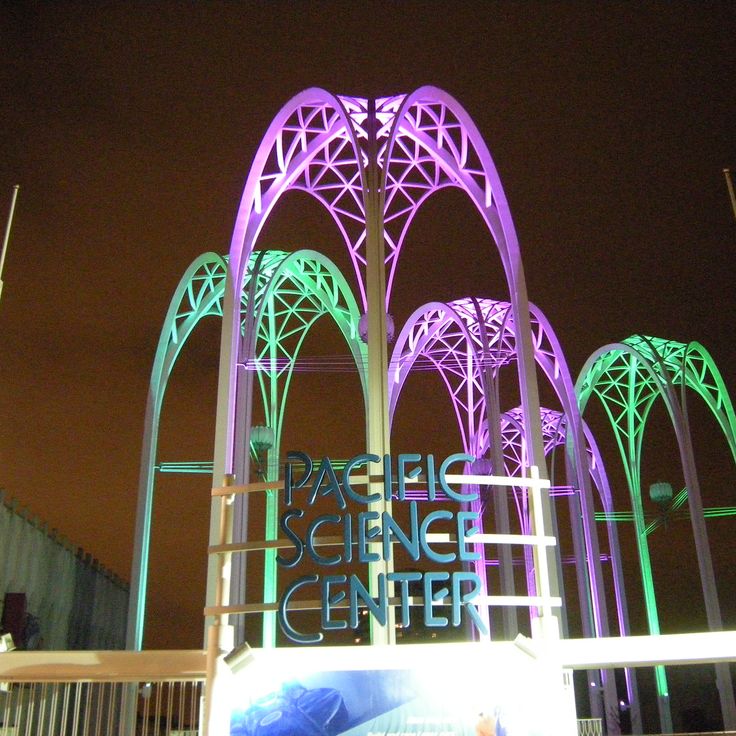
The Pacific Science Center in Seattle has a dedicated insect section where visitors can see live specimens up close. Daily presentations introduce different species and show how they behave in their natural settings. The section makes entomology approachable for all ages, explaining in plain terms why insects matter to the world around us.
The Australian Museum in Sydney presents insects and spiders from Australia through scientific collections. The exhibitions explain the anatomy and behavior of these creatures and help visitors understand the role they play in nature. The museum supports research in entomology and provides detailed information about each species on display.
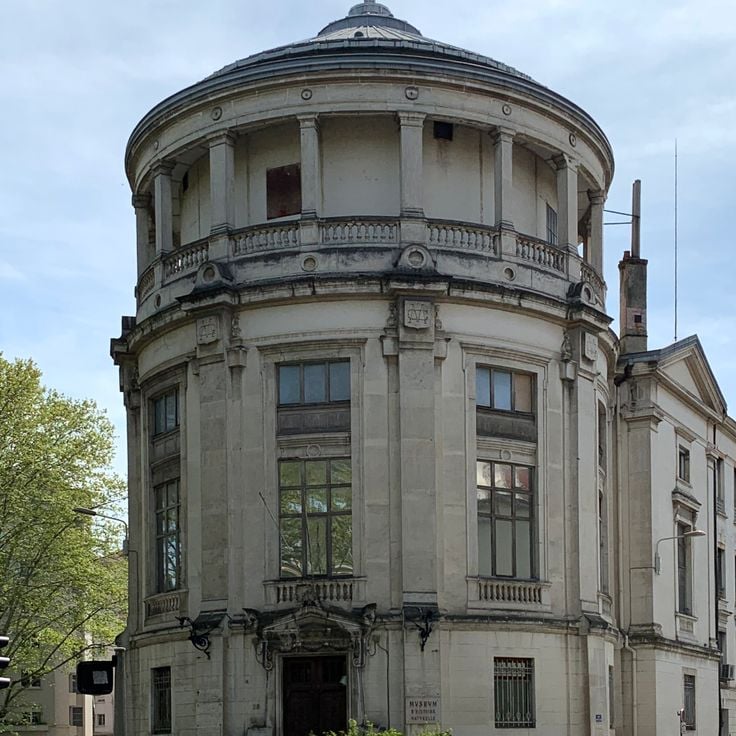
The Lyon Municipal Museum of Natural History holds one of France's largest insect collections, with around 2.5 million specimens. Beetles, butterflies and many other species are displayed in glass cases, with explanations covering body structure, behavior and the ecological role of each group. This museum is a good stop for anyone curious about insects, and it also supports research and education in entomology.
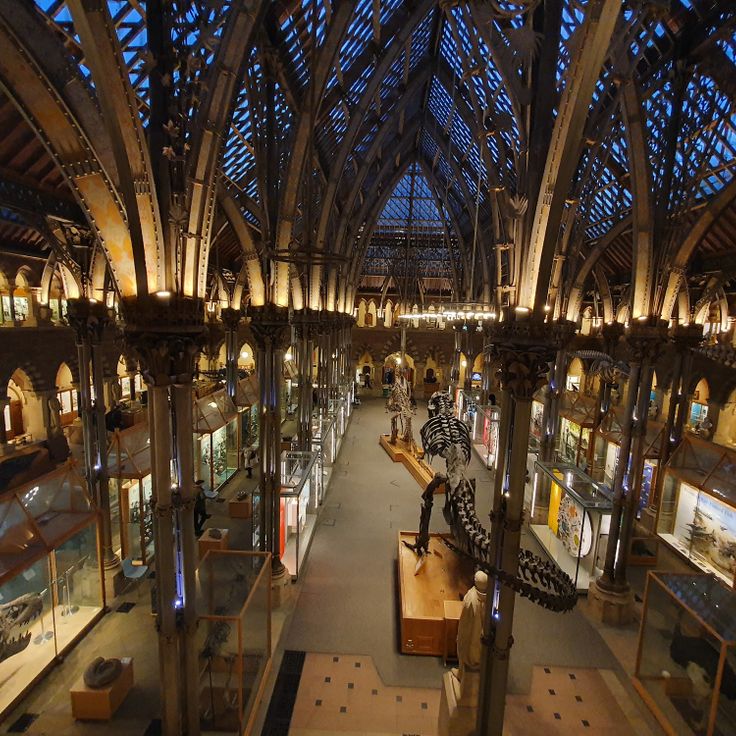
The Oxford University Museum of Natural History holds one of the largest insect collections in Europe, with over 5 million specimens gathered from across the world. Beetles, butterflies and many other species are displayed in scientific exhibits. Visitors can explore the work of active researchers and learn about the anatomy and behavior of insects, all within a setting that connects science with everyday curiosity.
The Tokyo National Museum of Nature and Science, located in Ueno, holds a collection of around 4 million insects, with a strong focus on Japanese species. Its entomology galleries show how beetles, butterflies and other insects look, behave and interact with their surroundings. Visitors can study the animals up close and learn about their role in ecosystems across Japan and beyond, making it a fitting stop for anyone drawn to the natural world of small creatures.
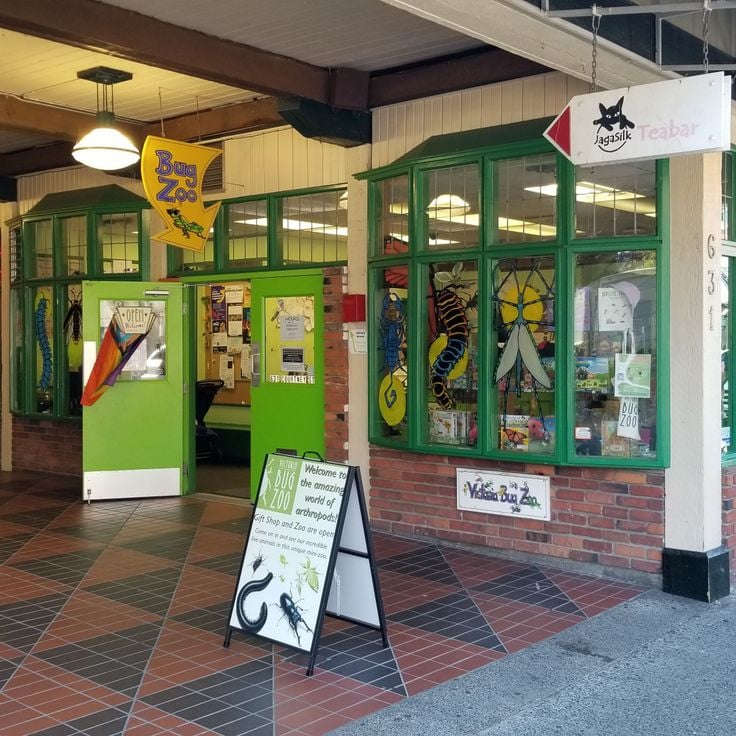
The Victoria Bug Zoo displays living insects and arthropods from around the world, including beetles, stick insects and tropical butterflies. Daily guided tours are led by knowledgeable staff who explain how these creatures behave and what makes their bodies so different from one another. This insectarium adds a hands-on and educational side to this collection of insect museums and nature centers.
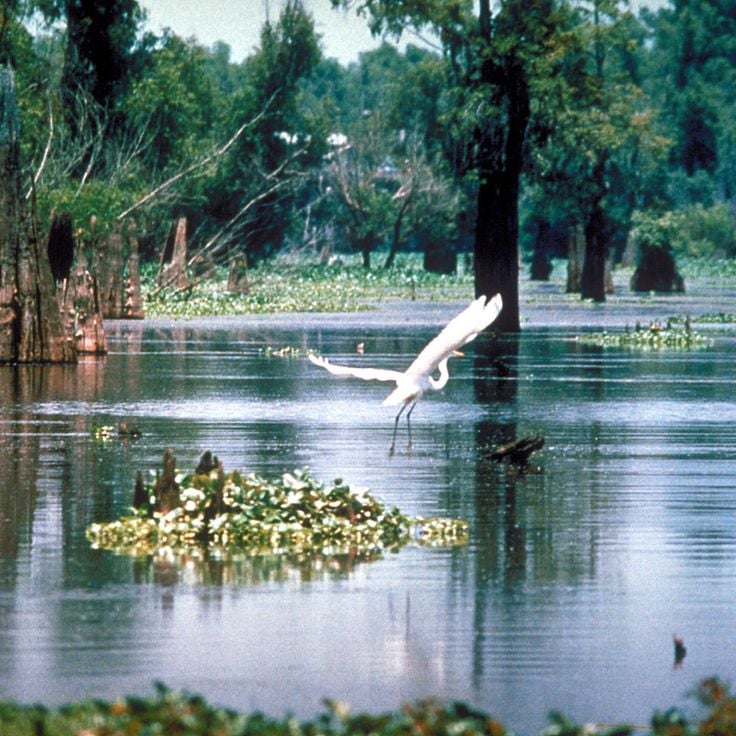
The Atchafalaya National Wildlife Refuge is a protected area in southern Louisiana where wetlands and forests shelter beetles, moths, butterflies and spiders. Visitors can walk the trails and take part in programs that explain how these invertebrates live and why they matter to the wetland ecosystem around them.
Jean Lafitte National Historical Park and Preserve sits in the Mississippi Delta and gives visitors direct access to the wetlands and bayous of the Louisiana coast. Walking through the park, you can spot beetles, dragonflies and many other invertebrates going about their lives in the water, mud and vegetation. The swampy terrain shows how insects shape the daily rhythm of a coastal ecosystem.
The City Park New Orleans Botanical Garden sits inside one of the city's oldest parks and lets visitors watch insects move among native and exotic trees, flowers and water plants. This garden is a good place to see how beetles, butterflies and other small creatures behave in a living setting, where plants and insects share the same space.
This insectarium in New Orleans presents over 50 exhibits on insect species and their role in the ecosystem. The collection at Audubon Insectarium includes live specimens and preserved animals from various taxonomic groups, including beetles, butterflies and grasshoppers. Visitors can observe insect behavior and anatomy while learning about their importance to natural cycles. The museum also operates breeding programs and documents regional insect populations.
The Montreal Insectarium is a natural history museum in Montréal dedicated to insects from around the world. Visitors can observe living and preserved beetles, butterflies and other arthropods at close range, learning how these creatures behave and what roles they play in nature and agriculture. The museum pairs scientific research with educational programs that help make the world of insects accessible to all ages.
Grand Isle State Park sits along the Gulf Coast of Louisiana and offers a chance to watch insects in their native setting. The park's woodlands are home to birds, raccoons, squirrels, and a wide range of insect species. For anyone curious about small creatures, this is a good place to see how they live, feed, and interact with the world around them.
This zoo in Baton Rouge maintains an insect section featuring species from South America, Africa and Asia displayed in specially designed terrariums with naturalistic vegetation. The exhibit complements the facility's offerings with entomological education and allows visitors to observe various beetles, butterflies and other insects from different continents in a controlled environment.
Cameron Prairie National Wildlife Refuge, near Lake Charles, is a place where wetlands and meadows come together to support a wide range of butterfly species and other insects. Visitors can watch these creatures going about their daily lives among native wildflowers, which makes this refuge a good spot to understand how insects fit into Louisiana's wetland ecosystems.
The Amsterdam Royal Zoo houses an insectarium where butterflies and other insects live among tropical plants inside a greenhouse. Visitors can watch the animals at close range in settings that resemble their natural habitats, and learn about insect life and behavior through exhibitions and educational programs on site.
This museum in Toms River displays living and preserved insects from various regions worldwide. The facility offers microscope stations for detailed observation and educational programs that teach anatomical features and behavioral patterns of different species. Visitors can study the ecological importance of beetles, butterflies and other insects through direct examination.
The Pacific Science Center in Seattle has a dedicated insect section where visitors can see live specimens up close. Daily presentations introduce different species and show how they behave in their natural settings. The section makes entomology approachable for all ages, explaining in plain terms why insects matter to the world around us.
The Australian Museum in Sydney presents insects and spiders from Australia through scientific collections. The exhibitions explain the anatomy and behavior of these creatures and help visitors understand the role they play in nature. The museum supports research in entomology and provides detailed information about each species on display.
The Lyon Municipal Museum of Natural History holds one of France's largest insect collections, with around 2.5 million specimens. Beetles, butterflies and many other species are displayed in glass cases, with explanations covering body structure, behavior and the ecological role of each group. This museum is a good stop for anyone curious about insects, and it also supports research and education in entomology.
The Oxford University Museum of Natural History holds one of the largest insect collections in Europe, with over 5 million specimens gathered from across the world. Beetles, butterflies and many other species are displayed in scientific exhibits. Visitors can explore the work of active researchers and learn about the anatomy and behavior of insects, all within a setting that connects science with everyday curiosity.
The Tokyo National Museum of Nature and Science, located in Ueno, holds a collection of around 4 million insects, with a strong focus on Japanese species. Its entomology galleries show how beetles, butterflies and other insects look, behave and interact with their surroundings. Visitors can study the animals up close and learn about their role in ecosystems across Japan and beyond, making it a fitting stop for anyone drawn to the natural world of small creatures.
The Victoria Bug Zoo displays living insects and arthropods from around the world, including beetles, stick insects and tropical butterflies. Daily guided tours are led by knowledgeable staff who explain how these creatures behave and what makes their bodies so different from one another. This insectarium adds a hands-on and educational side to this collection of insect museums and nature centers.
The Atchafalaya National Wildlife Refuge is a protected area in southern Louisiana where wetlands and forests shelter beetles, moths, butterflies and spiders. Visitors can walk the trails and take part in programs that explain how these invertebrates live and why they matter to the wetland ecosystem around them.
Jean Lafitte National Historical Park and Preserve sits in the Mississippi Delta and gives visitors direct access to the wetlands and bayous of the Louisiana coast. Walking through the park, you can spot beetles, dragonflies and many other invertebrates going about their lives in the water, mud and vegetation. The swampy terrain shows how insects shape the daily rhythm of a coastal ecosystem.
The City Park New Orleans Botanical Garden sits inside one of the city's oldest parks and lets visitors watch insects move among native and exotic trees, flowers and water plants. This garden is a good place to see how beetles, butterflies and other small creatures behave in a living setting, where plants and insects share the same space.
This insectarium in New Orleans presents over 50 exhibits on insect species and their role in the ecosystem. The collection at Audubon Insectarium includes live specimens and preserved animals from various taxonomic groups, including beetles, butterflies and grasshoppers. Visitors can observe insect behavior and anatomy while learning about their importance to natural cycles. The museum also operates breeding programs and documents regional insect populations.
The Montreal Insectarium is a natural history museum in Montréal dedicated to insects from around the world. Visitors can observe living and preserved beetles, butterflies and other arthropods at close range, learning how these creatures behave and what roles they play in nature and agriculture. The museum pairs scientific research with educational programs that help make the world of insects accessible to all ages.
Grand Isle State Park sits along the Gulf Coast of Louisiana and offers a chance to watch insects in their native setting. The park's woodlands are home to birds, raccoons, squirrels, and a wide range of insect species. For anyone curious about small creatures, this is a good place to see how they live, feed, and interact with the world around them.
This zoo in Baton Rouge maintains an insect section featuring species from South America, Africa and Asia displayed in specially designed terrariums with naturalistic vegetation. The exhibit complements the facility's offerings with entomological education and allows visitors to observe various beetles, butterflies and other insects from different continents in a controlled environment.
Cameron Prairie National Wildlife Refuge, near Lake Charles, is a place where wetlands and meadows come together to support a wide range of butterfly species and other insects. Visitors can watch these creatures going about their daily lives among native wildflowers, which makes this refuge a good spot to understand how insects fit into Louisiana's wetland ecosystems.
The Amsterdam Royal Zoo houses an insectarium where butterflies and other insects live among tropical plants inside a greenhouse. Visitors can watch the animals at close range in settings that resemble their natural habitats, and learn about insect life and behavior through exhibitions and educational programs on site.
This museum in Toms River displays living and preserved insects from various regions worldwide. The facility offers microscope stations for detailed observation and educational programs that teach anatomical features and behavioral patterns of different species. Visitors can study the ecological importance of beetles, butterflies and other insects through direct examination.
The Pacific Science Center in Seattle has a dedicated insect section where visitors can see live specimens up close. Daily presentations introduce different species and show how they behave in their natural settings. The section makes entomology approachable for all ages, explaining in plain terms why insects matter to the world around us.
The Australian Museum in Sydney presents insects and spiders from Australia through scientific collections. The exhibitions explain the anatomy and behavior of these creatures and help visitors understand the role they play in nature. The museum supports research in entomology and provides detailed information about each species on display.
The Lyon Municipal Museum of Natural History holds one of France's largest insect collections, with around 2.5 million specimens. Beetles, butterflies and many other species are displayed in glass cases, with explanations covering body structure, behavior and the ecological role of each group. This museum is a good stop for anyone curious about insects, and it also supports research and education in entomology.
The Oxford University Museum of Natural History holds one of the largest insect collections in Europe, with over 5 million specimens gathered from across the world. Beetles, butterflies and many other species are displayed in scientific exhibits. Visitors can explore the work of active researchers and learn about the anatomy and behavior of insects, all within a setting that connects science with everyday curiosity.
The Tokyo National Museum of Nature and Science, located in Ueno, holds a collection of around 4 million insects, with a strong focus on Japanese species. Its entomology galleries show how beetles, butterflies and other insects look, behave and interact with their surroundings. Visitors can study the animals up close and learn about their role in ecosystems across Japan and beyond, making it a fitting stop for anyone drawn to the natural world of small creatures.
The Victoria Bug Zoo displays living insects and arthropods from around the world, including beetles, stick insects and tropical butterflies. Daily guided tours are led by knowledgeable staff who explain how these creatures behave and what makes their bodies so different from one another. This insectarium adds a hands-on and educational side to this collection of insect museums and nature centers.
The Atchafalaya National Wildlife Refuge is a protected area in southern Louisiana where wetlands and forests shelter beetles, moths, butterflies and spiders. Visitors can walk the trails and take part in programs that explain how these invertebrates live and why they matter to the wetland ecosystem around them.
After exploring these tiny worlds, we better understand how insects shape life on Earth. Each place gives a different view of these often unseen creatures.