See the monuments around you in AROpen chests in the app
Around Us is built for your phone — point your camera at the streets and discover the monuments and places around you in augmented reality.Around Us is built for your phone — chests unlock when you walk, explore and capture nearby places.
Montreal offers its cobblestone streets, lively markets, and cultural institutions along the Saint Lawrence River.
Montreal combines historic sites and cultural institutions along the Saint Lawrence River. The city displays its religious past in structures like Notre-Dame Basilica, whose neo-gothic facade dates to the 1820s, and Saint Joseph's Oratory, a Catholic pilgrimage site on Westmount. Mount Royal rises 764 ft (233 m) above the city center, offering views across downtown and the river. Parc Jean-Drapeau spans two former Expo islands and now houses the Biosphere and the Formula 1 track Circuit Gilles-Villeneuve.
Cultural facilities include the Museum of Fine Arts, which presents Canadian and European collections, and Pointe-à-Callière, built on archaeological sites from the 17th century. Old Montreal preserves buildings from the French colonial period along cobblestone streets. The Olympic Stadium and Botanical Garden date from different 20th-century construction phases. Markets such as Jean-Talon and Atwater have sold regional produce for decades. The Quartier des Spectacles concentrates performance venues around Place des Arts, while the Underground City connects pedestrian passages beneath downtown.
Montreal offers its cobblestone streets, lively markets, and cultural institutions along the Saint Lawrence River.
Montreal combines historic sites and cultural institutions along the Saint Lawrence River. The city displays its religious past in structures like Notre-Dame Basilica, whose neo-gothic facade dates to the 1820s, and Saint Joseph's Oratory, a Catholic pilgrimage site on Westmount. Mount Royal rises 764 ft (233 m) above the city center, offering views across downtown and the river. Parc Jean-Drapeau spans two former Expo islands and now houses the Biosphere and the Formula 1 track Circuit Gilles-Villeneuve.
Cultural facilities include the Museum of Fine Arts, which presents Canadian and European collections, and Pointe-à-Callière, built on archaeological sites from the 17th century. Old Montreal preserves buildings from the French colonial period along cobblestone streets. The Olympic Stadium and Botanical Garden date from different 20th-century construction phases. Markets such as Jean-Talon and Atwater have sold regional produce for decades. The Quartier des Spectacles concentrates performance venues around Place des Arts, while the Underground City connects pedestrian passages beneath downtown.
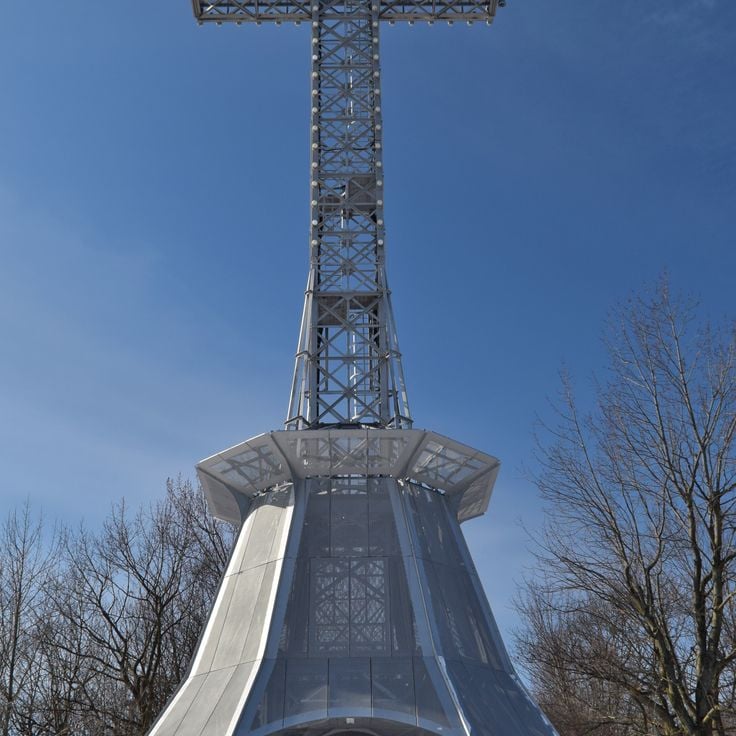
Mount Royal forms the natural centerpiece of Montreal, offering visitors several hiking trails, lookout points and gardens across a 750-foot (230-meter) hill. This park extends across a substantial portion of the city and provides views into urban life and topography. The trails wind through wooded sections and open areas that reveal different perspectives throughout the seasons. The Kondiaronk Belvedere on the eastern side presents the city panorama with the St. Lawrence River in the background. The park was designed in the late 1800s following plans by Frederick Law Olmsted, integrating recreation spaces with the natural terrain.
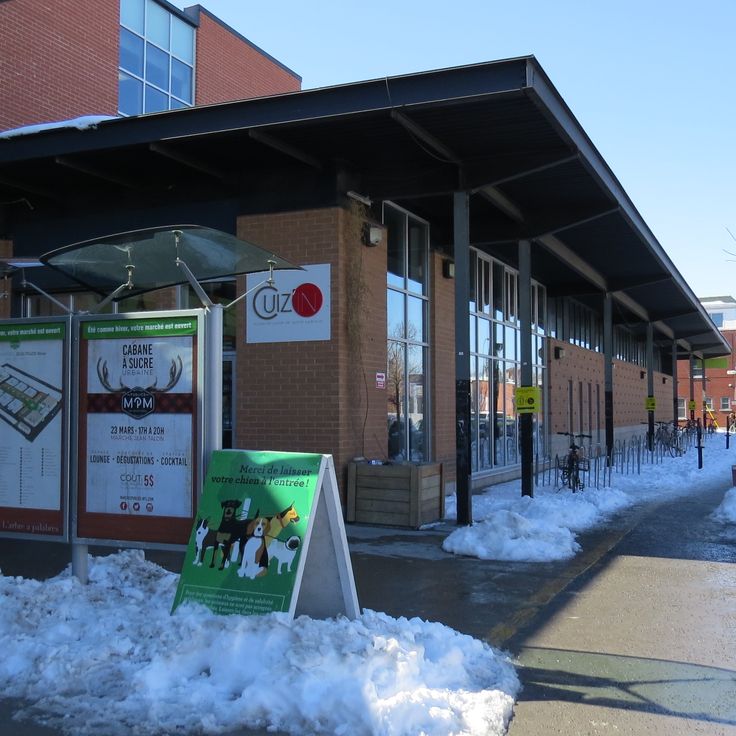
This market stands in the La Petite-Patrie district and ranks among Montreal's major venues for local food trade. More than 150 vendors sell products from Quebec, including fresh fruit, vegetables, meat, cheese and baked goods. The market has operated since 1933 and serves as a gathering place for residents and visitors. Covered sections allow trade in all weather conditions. The Jean-Talon Market demonstrates the agricultural diversity of the region and the connection between urban consumers and local producers.
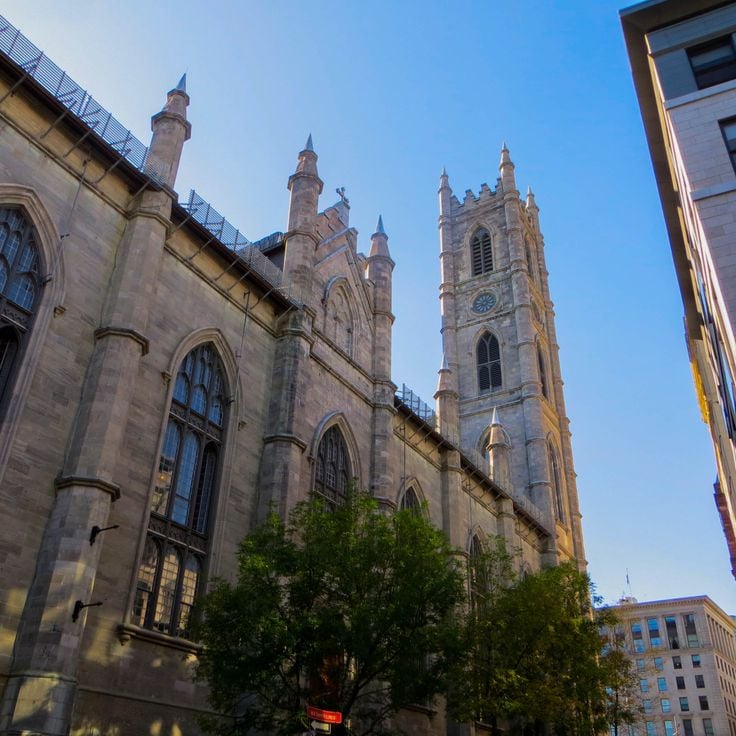
This religious site was constructed between 1824 and 1829 and represents the neo-gothic architecture that shaped Montreal. The basilica presents vaulted ceilings, colored stained glass windows, and wooden carvings that demonstrate the craftsmanship of the period. The interior stretches 226 feet (69 meters) in length and accommodates several thousand visitors. The organ with its 7,000 pipes was installed in 1891. The Chapel of the Sacred Heart, rebuilt after a fire in 1982, sits behind the main altar. This basilica stands among the landmarks that showcase Montreal's historical and cultural heritage.
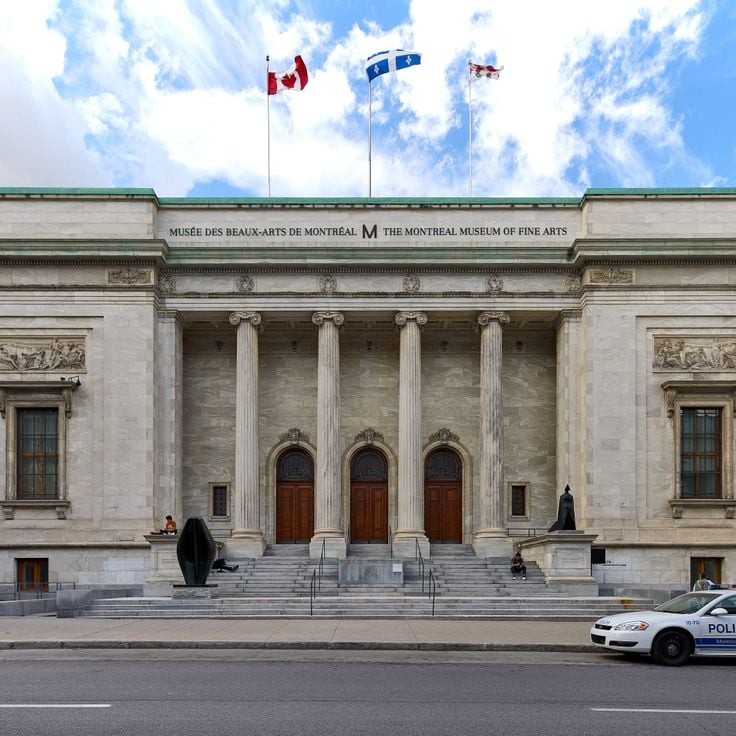
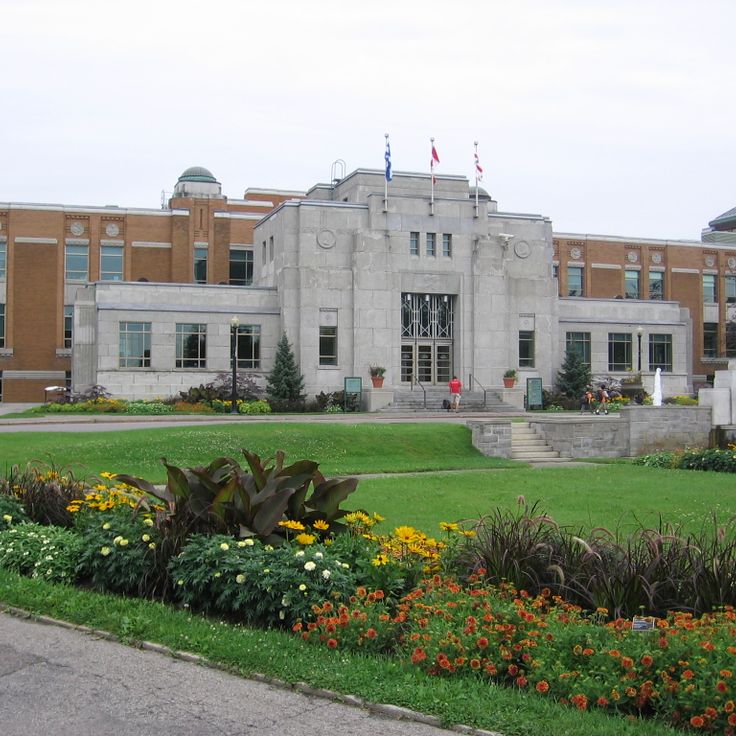
This museum preserves works by international and Canadian artists spanning five centuries. The institution was established in 1860, making it among the oldest museums in the country. Collections extend across five pavilions and include paintings, sculptures, decorative arts and contemporary installations. Holdings document artistic developments from the 16th century to the present, showing both European masterpieces and works from Quebec and other Canadian regions. The museum contributes to Montreal's cultural identity and offers changing exhibitions alongside permanent holdings.
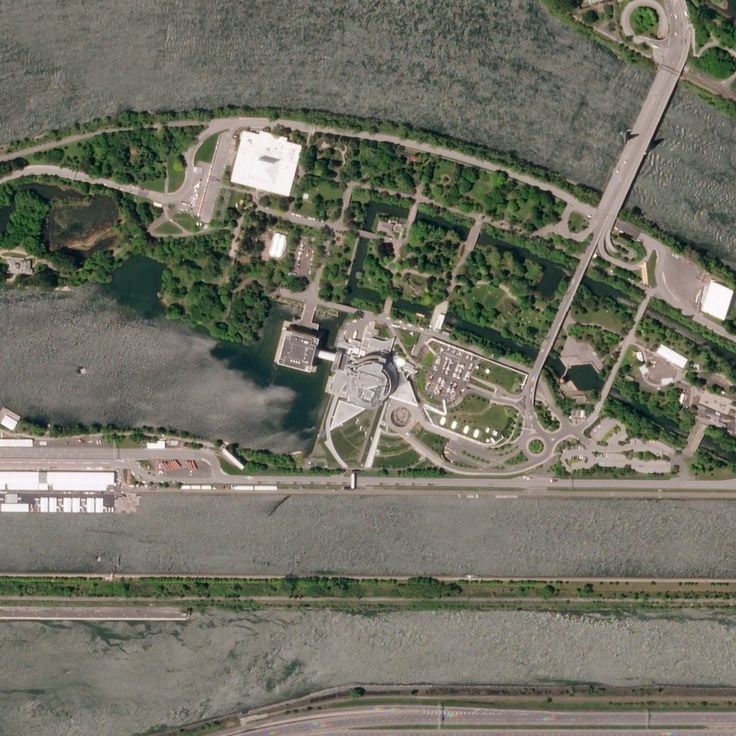
Jean-Drapeau Park covers 268 hectares (660 acres) across Sainte-Hélène and Notre-Dame islands, combining recreational areas with sports facilities as part of Montreal's public green spaces. The grounds include a swimming pool, running circuits, landscaped gardens, and cultural installations that reflect the concept of a multipurpose urban park. The park sits in the Saint Lawrence River and connects to downtown via bridges. The two islands were redeveloped for Expo 67 and have since served as a venue for festivals and sporting events.
This cultural complex in the heart of Montreal contains six performance halls that present concerts, operas, theater productions and dance performances throughout the year. Place des Arts has served as a central venue for the performing arts in the city since opening in 1963, housing several resident companies including Opéra de Montréal and Les Grands Ballets Canadiens. The complex reflects modernist design from the 1960s and occupies a convenient location in the Quartier des Spectacles, the cultural center of the city.
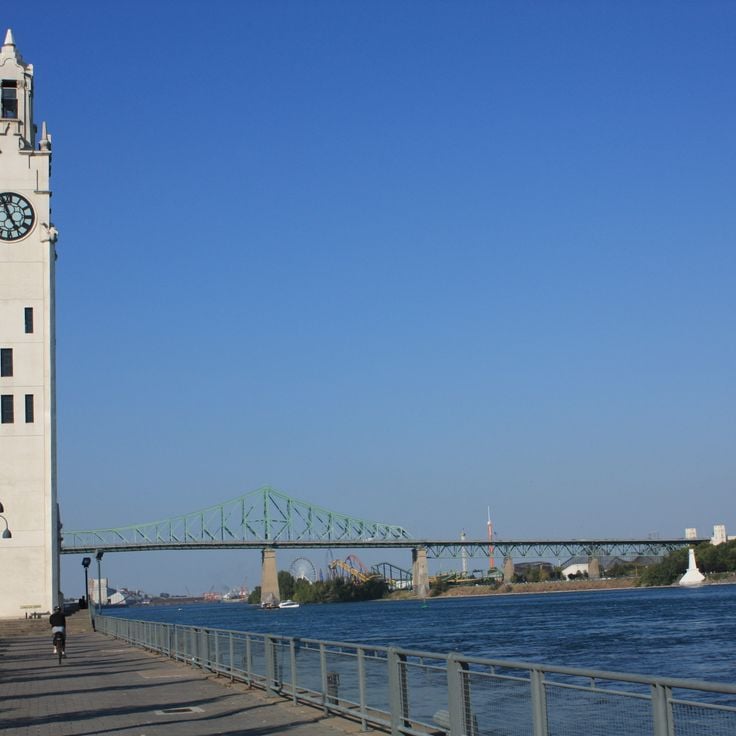
This commemorative tower marks the entrance to the Old Port and has stood on Victoria Pier since 1922. The 150-foot (45-meter) structure features a clock mechanism and honors the merchant marine sailors who lost their lives during the First World War. Visitors can climb 192 steps to the observation room, which provides views of the St. Lawrence River and harbor infrastructure. The tower represents one of the historical landmarks along Montreal's waterfront.
This racing circuit extends 2.7 miles (4.4 kilometers) across Île Notre-Dame and has hosted the Formula 1 Canadian Grand Prix annually since 1978. Named after the Canadian driver, the facility uses public roads that close during racing season. The course runs along the St. Lawrence River and includes 14 turns and a long straightaway that allows top speeds. Outside racing events, the track remains open to cyclists, joggers and visitors to Parc Jean-Drapeau.
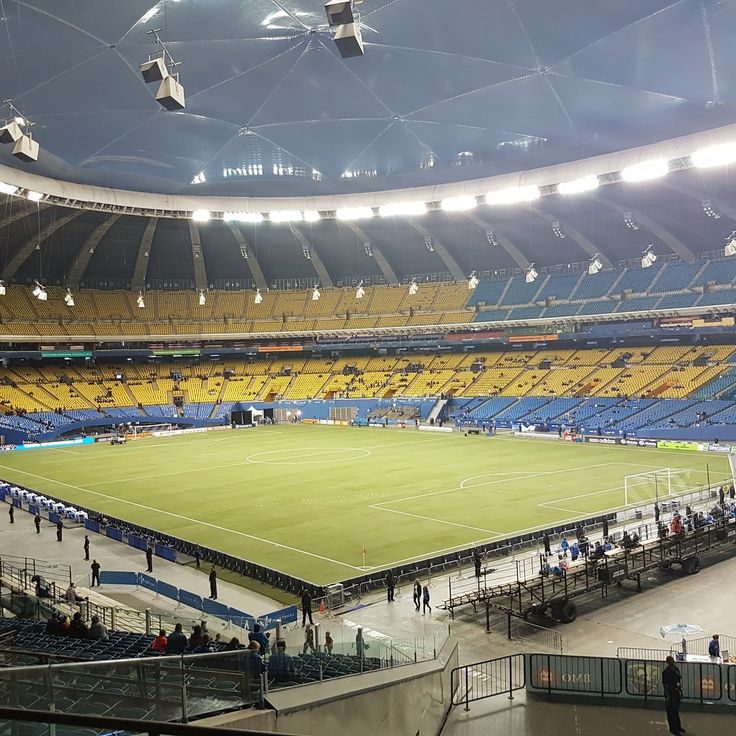
This sports stadium was built for the 1976 Summer Olympics and has since defined the city skyline with its 175-meter (574-foot) inclined tower. The venue hosted the opening and closing ceremonies as well as track and field competitions during the Games. The leaning tower, the tallest of its kind in the world, provides visitors with views across Montreal and the surrounding region. After the Olympics, the stadium served as home to professional baseball and soccer teams and remains an example of 1970s sports architecture in Canada.
The Botanical Garden holds 22,000 plant species across 185 acres (75 hectares) and ranks among Montreal's key attractions representing its cultural and scientific significance. The site encompasses several exhibition greenhouses, including Chinese and Japanese structures, along with thematic gardens such as the First Nations Garden and the Rose Garden. Established in 1931, the garden documents botanical diversity from different climate zones and continents. The facility serves both research and public education, drawing over one million visitors annually. The Main Greenhouse hosts a butterfly exhibition during autumn. The Japanese and Chinese gardens conduct seasonal festivals that present traditional garden design.
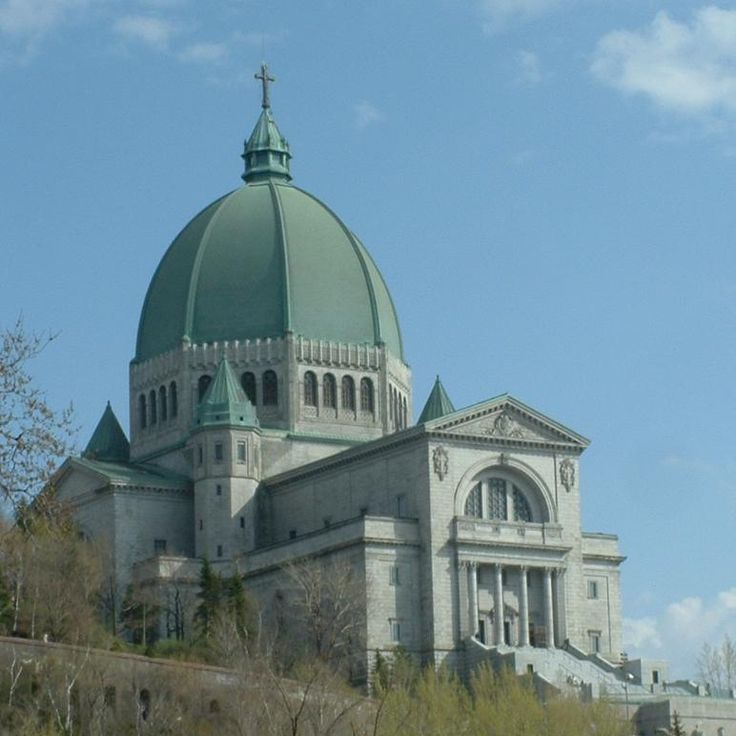
Saint Joseph's Oratory is Canada's largest church and stands on the western slope of Mount Royal. This Catholic basilica reaches 318 feet (97 meters) at its dome and overlooks Montreal. The Italian Renaissance style defines the structure, built between 1924 and 1967. Inside are a crypt, several chapels and a museum documenting the site's history. More than 280 steps lead to the main entrance, though an elevator is available. The location on Mount Royal provides views over the city. The oratory draws about two million visitors annually and serves as an important pilgrimage destination.
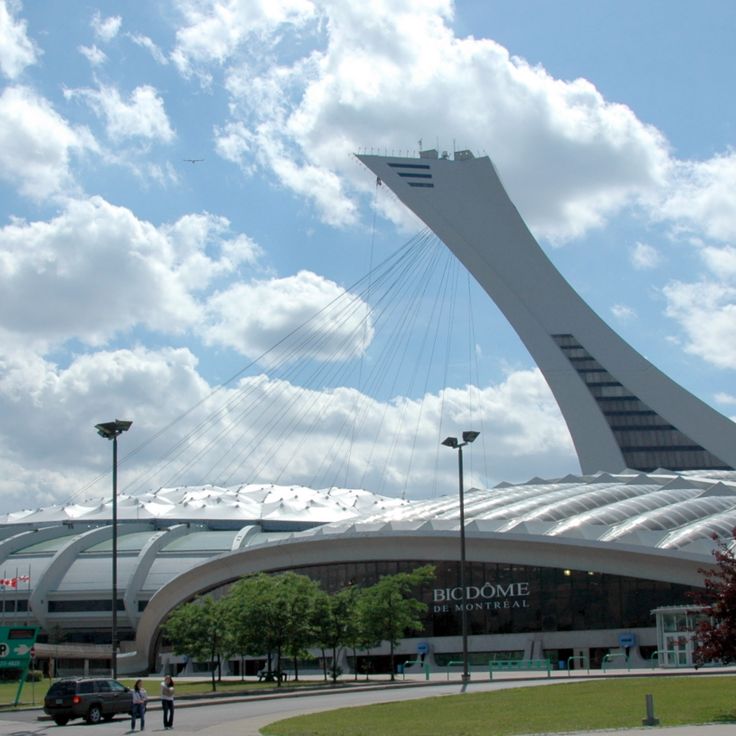
This former velodrome from the Olympic Games presents four ecosystems of the Americas in a natural science museum. The Biodome reproduces a tropical rainforest, the Laurentian Forest, the Gulf of Saint Lawrence coast and subpolar regions. The climate-controlled halls contain plant species, animals and geological formations corresponding to each habitat. Visitors walk through the recreated environments on a continuous path. The institution works on conservation and public education about North American and South American natural environments. The building was constructed in 1976 as a sports venue for the Summer Olympics and converted to a science center in 1992.
This canal was built in 1825 and extends nine miles (14 kilometers) between the Old Port and Lake Saint-Louis. The waterway played a central role in Montreal's industrial development, allowing ships to bypass the Lachine Rapids on the Saint Lawrence River. Today a bicycle path runs alongside the canal, passing five preserved locks. The former industrial area along the banks now houses residential buildings, offices and recreational facilities. The Lachine Canal documents the technical and economic history of the city.
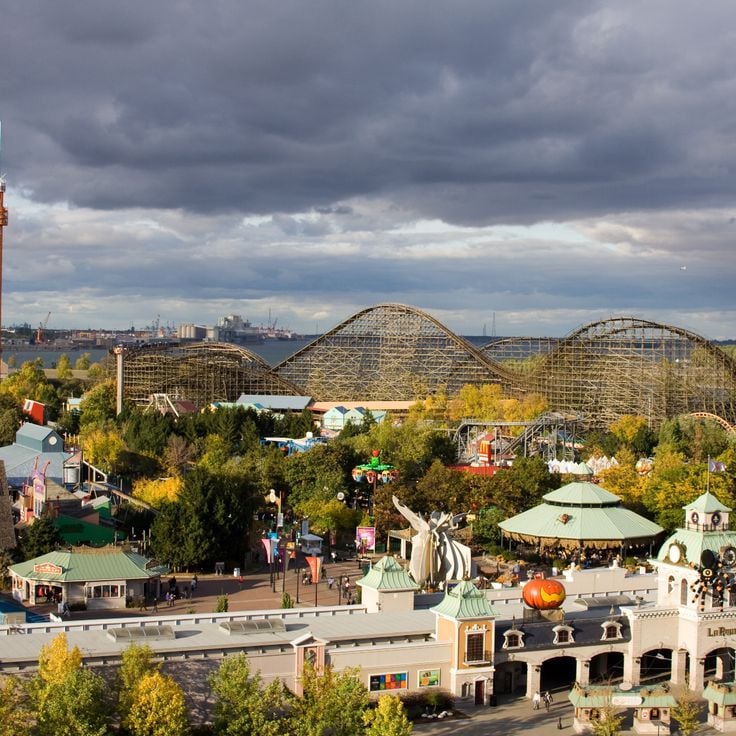
This amusement park sits on Île Sainte-Hélène and opened in 1967 for the World's Fair. La Ronde contains around forty rides, including several roller coasters that reach different speeds and heights. The grounds extend across the island site in the Saint Lawrence River and provide attractions for visitors of various ages. The park stands among the established leisure facilities in Montreal and complements the sports and recreational areas distributed across Parc Jean-Drapeau.
This central artery in downtown Montreal extends over 7 miles (11 kilometers), connecting numerous shops, shopping arcades and restaurants. Sainte-Catherine Street crosses several neighborhoods and has served as the city's main commercial corridor for decades. The streetscape alternates between department stores, smaller boutiques and dining establishments. On weekends and during summer months, portions of the street close to vehicle traffic and operate as pedestrian zones. This thoroughfare links commercial activity with the daily life of the city and reflects Montreal's role as an economic center of Quebec province.
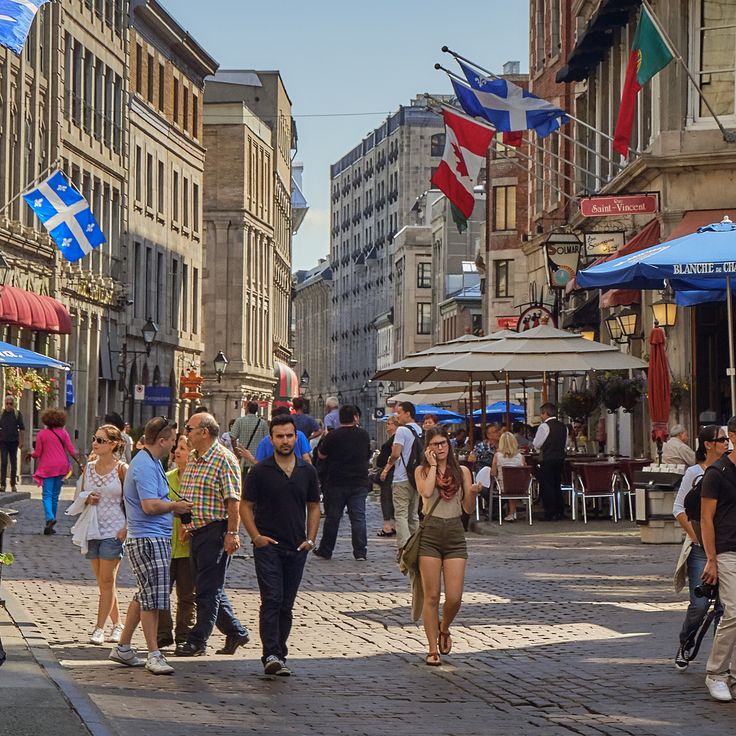
This historic district preserves the earliest urban layer of Montreal and presents the architectural fabric of the French colonial period and British rule. Old Montreal developed from its 17th-century founding on a site along the St. Lawrence River and today displays buildings spanning three centuries. The streets follow the original grid while the surviving structures include merchant houses, administrative buildings and religious institutions. The district documents the city's economic and administrative function as a port and trading center and complements Montreal's other landmarks through its direct connection to the city's history.
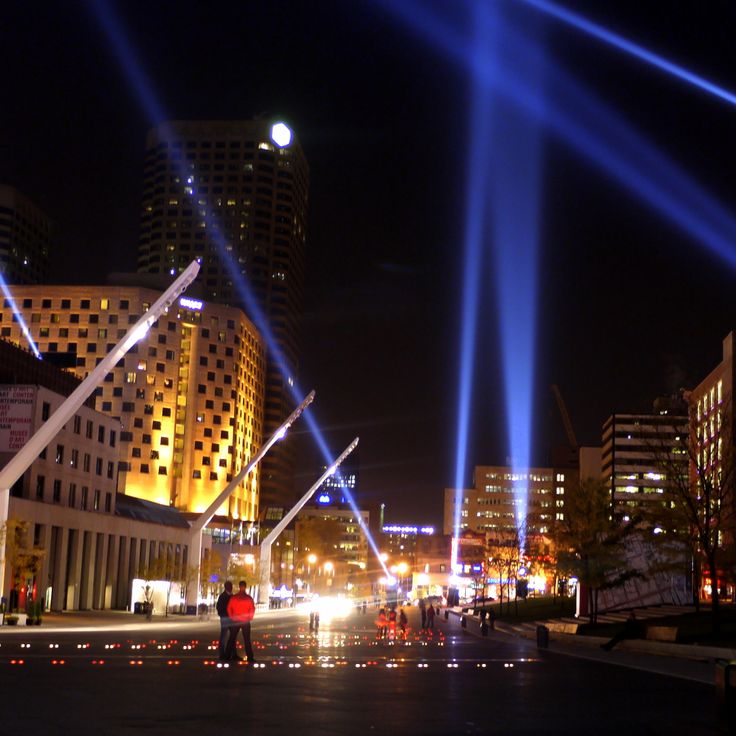
Quartier des Spectacles occupies one square kilometer (0.4 sq mi) in central Montreal and forms a cultural district with performance venues, public spaces, and lighting installations. This district incorporates Place des Arts, several theaters and concert halls, and extensive pedestrian zones. Digital projections and LED lighting mark the squares and building facades. The district hosts festivals and cultural events, complementing the historic sites of Montreal featured in this collection with a contemporary urban space for performing arts.
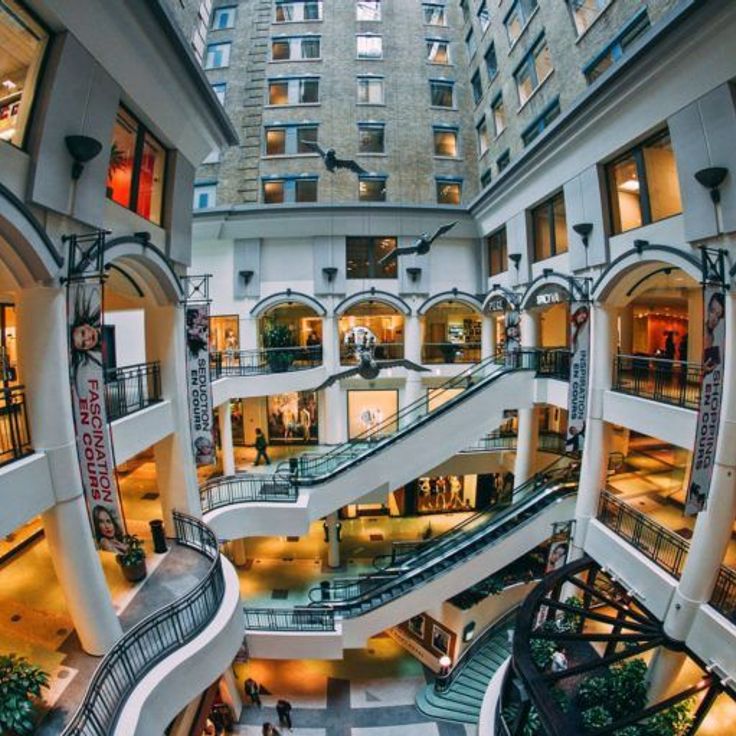
This underground network connects metro stations, shopping centers and office buildings across 32 kilometers (20 miles) of passageways beneath downtown. The system allows residents and visitors to move through the city sheltered from cold weather and precipitation. The corridors provide access to shops, restaurants, hotels and public facilities. Development began in the 1960s and has expanded steadily since then. The passages serve several hundred thousand people daily as an alternative to surface streets. The network represents a practical urban solution adapted to Montreal's climate.
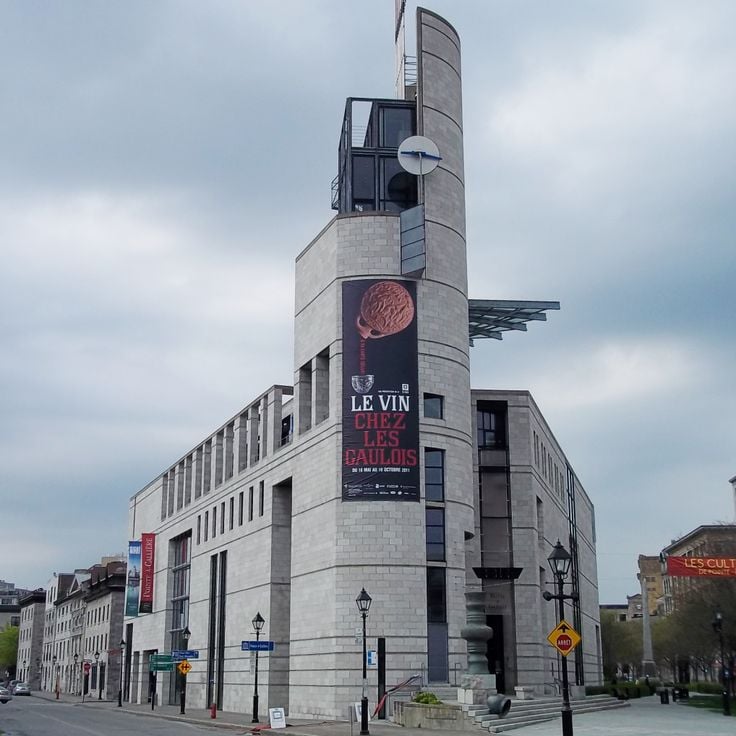
This archaeology and history museum was founded in 1992 and presents archaeological remains from the 16th century along with exhibitions on the evolution of Montreal. Pointe-à-Callière stands at the birthplace of the city, where the first European settlers established a colony in 1642. The underground galleries display foundations of historical buildings, including remnants of the first cemetery and the Royal Battery fortification. Permanent exhibitions document the history of Indigenous peoples, the French and British colonial periods, and modern urban development. The museum organizes temporary exhibitions on archaeological subjects and historical events. A multimedia tour guides visitors through different eras of the city's history. The location in the Old Port connects the museum visit with access to other historical sites in Montreal.
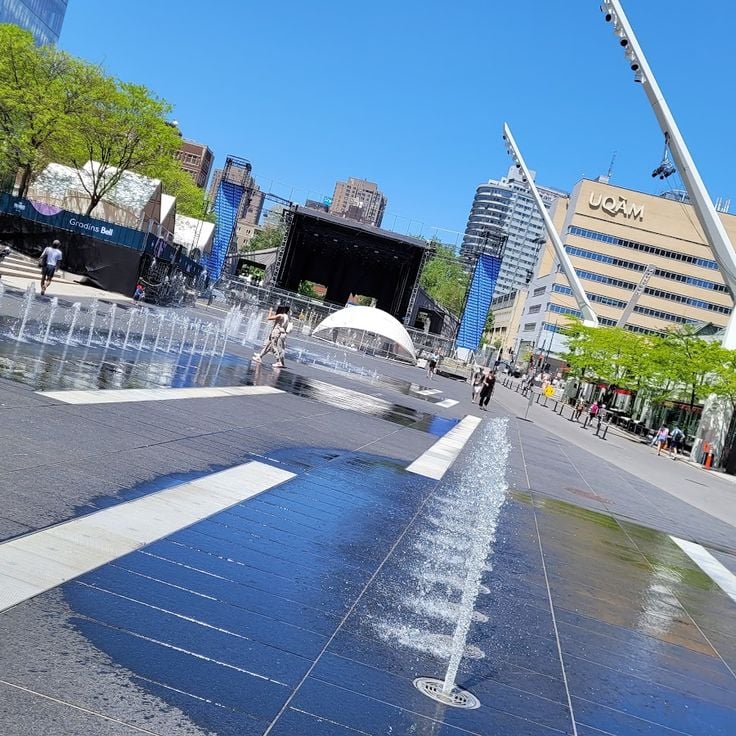
This public square sits at the heart of the Quartier des Spectacles and serves as Montreal's central outdoor venue for events and public gatherings. The space features an interactive fountain with 235 water jets that provide cooling relief in summer and choreographed water displays during events. Four beacon lights mark the square and contribute to nighttime illumination. The plaza serves as the main stage for festivals including the International Jazz Festival and Just for Laughs, drawing several million visitors annually.
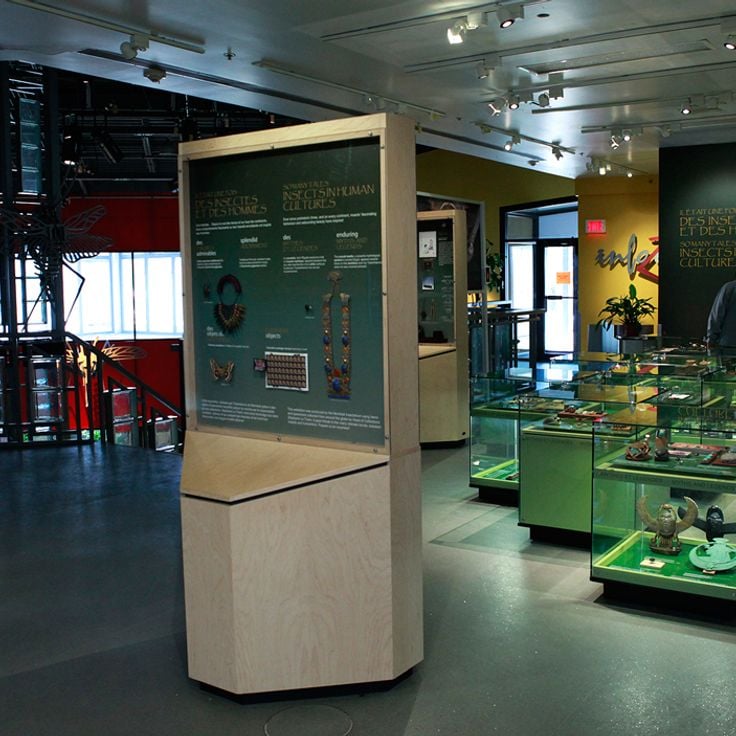
This insectarium forms part of the Space for Life complex and presents insects through living collections and preserved specimens. The institution provides knowledge about the role of insects in ecosystems and their interactions with other life forms. Exhibitions display species from different climate zones and geographic regions. The museum contributes to scientific education in Montreal and enables visitors to understand the diversity and adaptability of insects. The facility combines educational programs with research activities in the field of entomology.
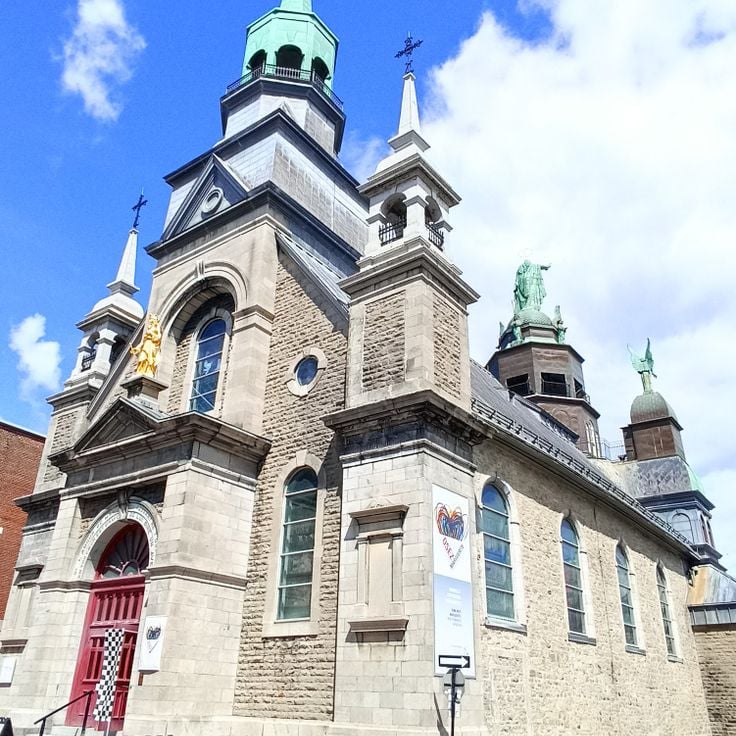
This 18th century chapel stands among Montreal's significant religious sites and reflects the influence of sailors and fishermen on the city's development. The collection of ship models suspended from the nave ceiling recalls the maritime history of the area, while an exhibit of sacred objects illustrates religious practices from past centuries. Colored stained glass illuminates the interior, and an observation point in the tower provides a view over the historic quarter and the old port.
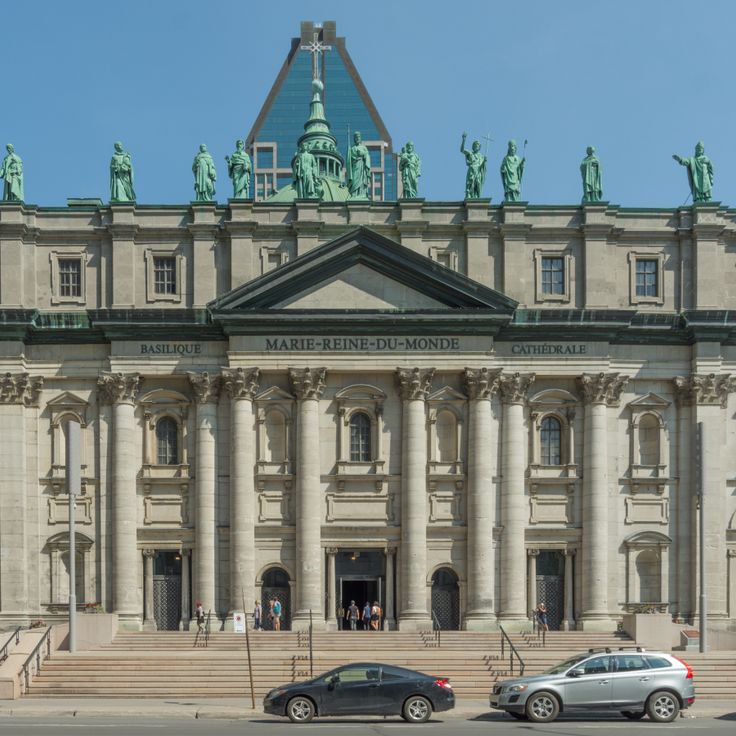
This cathedral stands in downtown Montreal and follows the design of Saint Peter's Basilica in Rome. Completed in the late 19th century, the structure presents a neo-baroque facade with a dome and roofline statues. Inside, daily masses are held in French, and several artworks recall the religious history of Quebec Province. The cathedral continues to serve as the seat of the Roman Catholic Archdiocese of Montreal and welcomes visitors during designated hours outside of services.
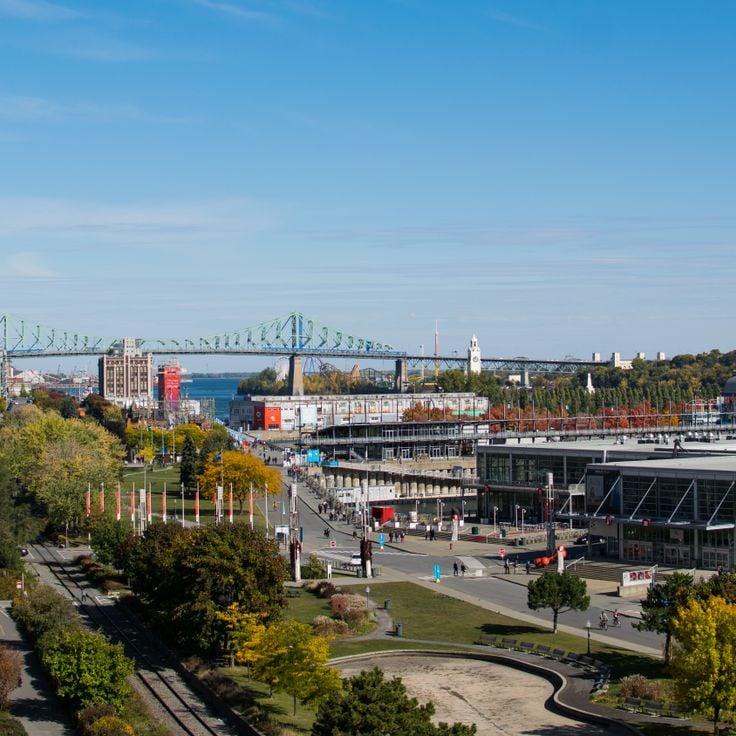
The Old Port is a historic waterfront district stretching along the St. Lawrence River, developed through the conversion of former industrial port facilities into public spaces. This district offers activities such as cycling paths, riverside walks and seasonal events. Located in central Montreal, the Old Port serves as a gateway to the adjacent Old Town and its architectural landmarks. The former warehouses and piers have been repurposed for cultural and commercial use, creating a connection between Montreal's maritime heritage and contemporary urban life. The area receives around six million visitors annually.
This cobblestone street in Montreal's old town connects the historic center to the Old Port and runs parallel to the St. Lawrence River. Saint-Paul Street preserves buildings from the 18th and 19th centuries, now housing independent shops, art galleries, and restaurants. The street formed part of the original settlement and demonstrates the city's architectural evolution. Visitors find regional crafts, contemporary works by local artists, and dining options that combine French and North American influences. The street provides access to other historic sites including Notre-Dame Basilica and Place Jacques-Cartier.
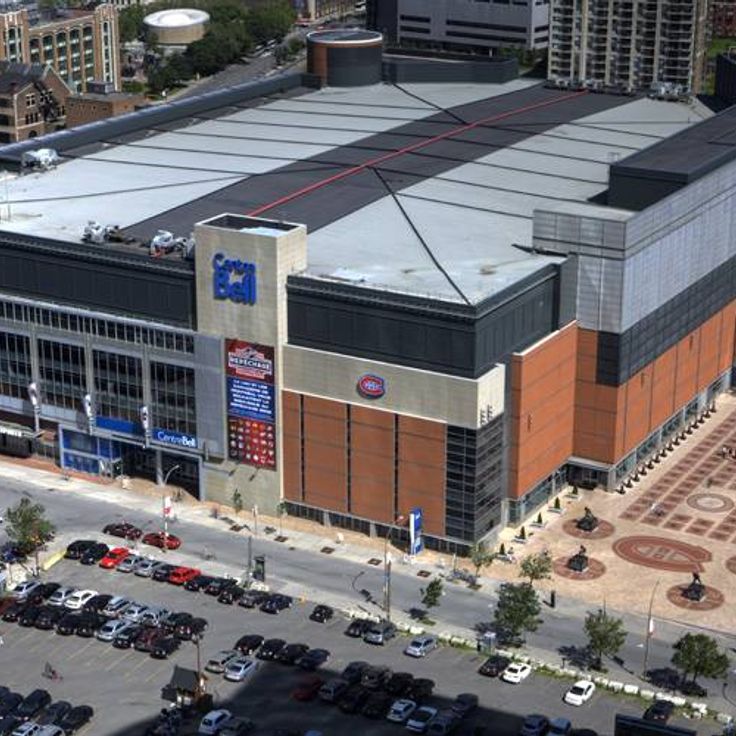
The Bell Centre is the National Hockey League's largest arena, with a capacity of 21,302 seats for hockey games, and serves as home to the Montreal Canadiens. Opened in 1996, this multipurpose venue sits in downtown Montreal and hosts sporting events, concerts and other large-scale gatherings. Guided tours provide visitors access to typically restricted areas including player dressing rooms, the press area and VIP lounges. The tour offers insight into the operations of a professional sports facility and the history of the team, which was founded in 1909 and has won 24 Stanley Cup championships.
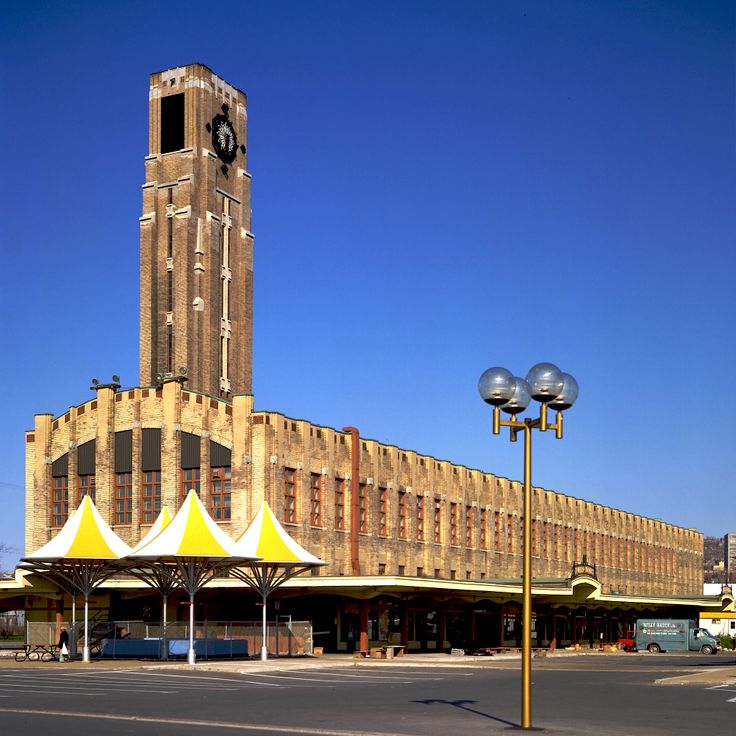
This public market along the Lachine Canal opened in 1933 and has remained a fixture for food commerce in Montreal. The Atwater Market offers regional products from Quebec, including seasonal produce, cheese, bread and meat from local suppliers. Surrounding shops and restaurants provide international cuisine. The thirties-era market building sits near the Canal de Lachine and serves as a destination for residents and travelers seeking local specialties and fresh goods.
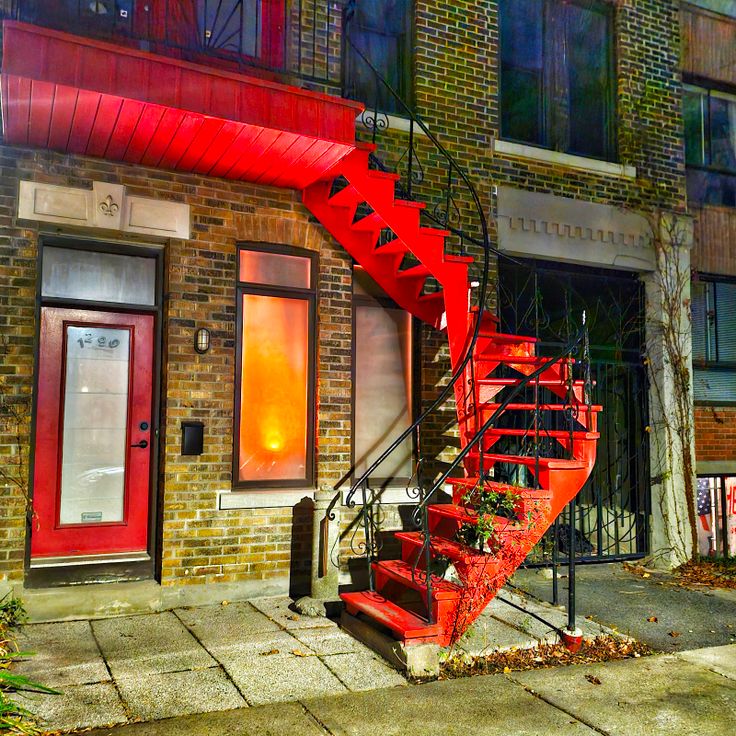
This multicultural neighborhood sits below Outremont, combining residential blocks of historic housing with contemporary shops and cultural venues. Mile End developed in the late 19th century and attracted successive waves of immigrant communities over the decades, which shaped its present character. The main streets pass through rows of homes with characteristic exterior staircases and commercial spaces housing independent bookstores, record shops, cafes and restaurants. The neighborhood has drawn artists and musicians who contribute to Montreal's cultural identity. Visitors can explore local bakeries operating traditional methods and shops offering handmade crafts and textiles.
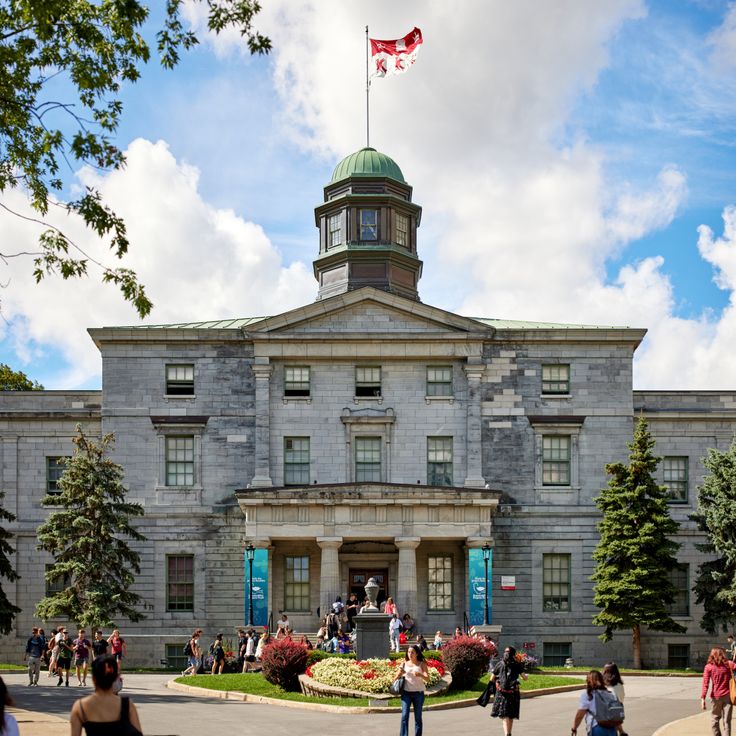
This university stands among Montreal's central educational institutions and was founded in 1821. The campus sits at the foot of Mount Royal and comprises Victorian-style buildings along with maintained green spaces. The architecture reflects the city's development during the 19th century. Visitors can walk through publicly accessible areas and view the historic structures, which have been combined with modern facilities.
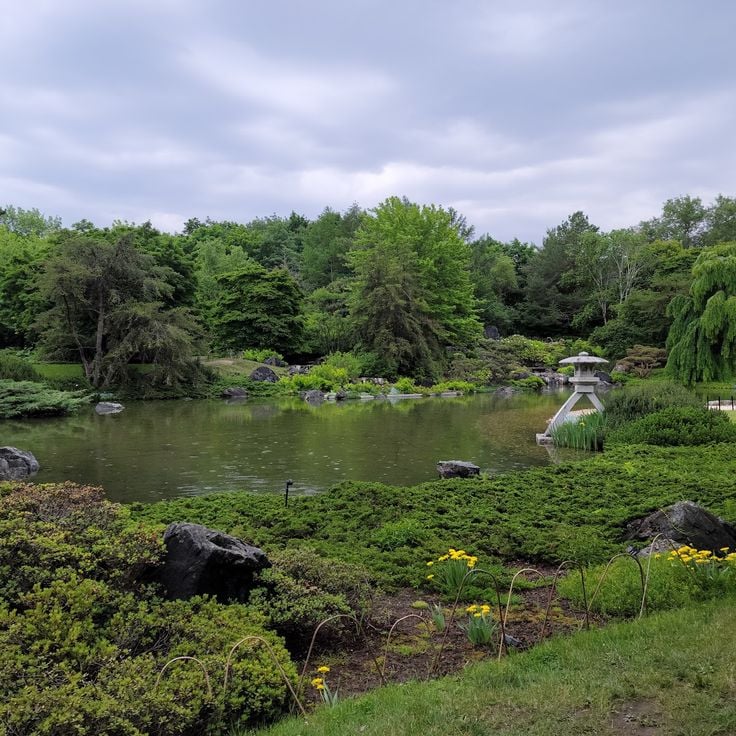
This 2.5-hectare (6.2-acre) garden within the Jardin botanique de Montréal follows the design principles of Japanese garden art. The grounds include koi ponds, wooden pavilions in traditional style, and stone lanterns positioned along winding paths. Gardeners maintain the vegetation using methods that emphasize harmony between water, stone, and plants. The garden was created in 1988 through collaboration between landscape architects from Canada and Japan. Visitors find an environment that combines contemplative settings with botanical variety, part of the attractions that extend Montreal's cultural and natural landmarks.
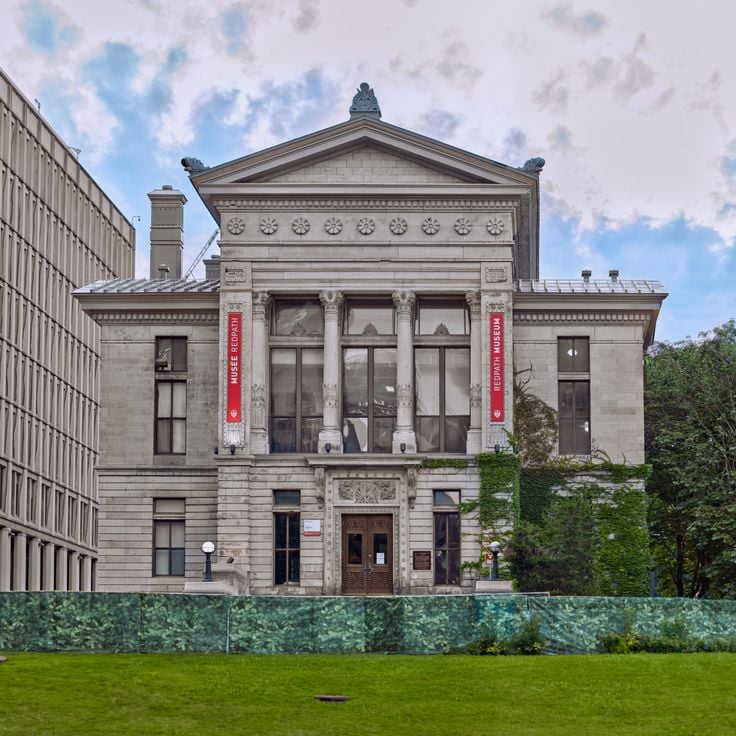
The Redpath Museum displays natural history collections across three floors. Exhibitions include preserved animal specimens, dinosaur skeletons and Egyptian artifacts. This museum belongs to McGill University and documents geological, biological and ethnological subjects. The institution serves both research and educational purposes, complementing the cultural offerings found throughout Montreal with scientific perspectives on natural history.
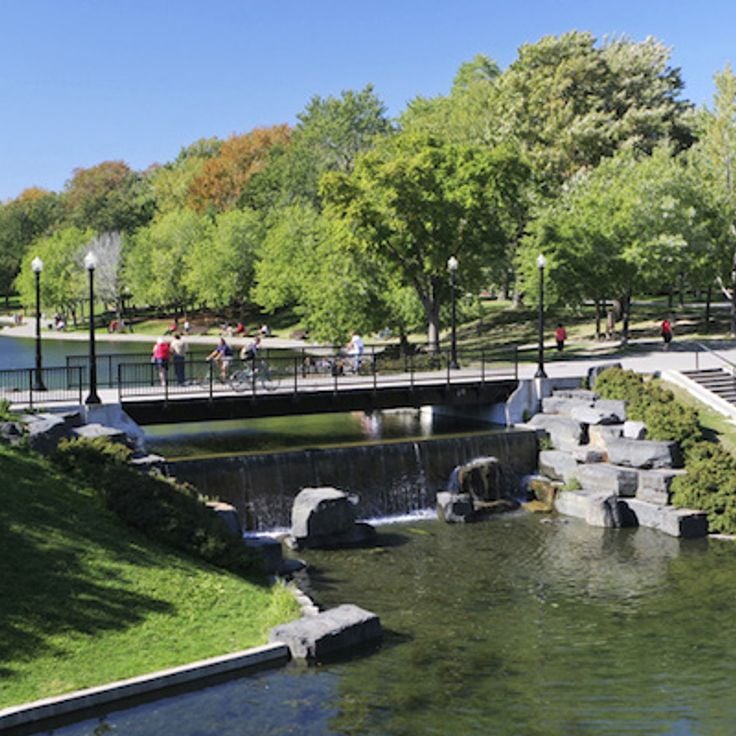
This park covers 84 acres (34 hectares) in central Montreal, providing ponds, running paths, outdoor pools, and an open-air theater. La Fontaine Park serves as a recreation area for residents and visitors, with green spaces for picnics and outdoor activities. The ponds attract pedal boaters in summer and convert to skating rinks in winter. The open-air theater hosts free performances during warmer months. Paths accommodate jogging, cycling, and walking. The park sits between the Plateau Mont-Royal and Centre-Sud neighborhoods, accessible by public transit. The grounds were established in the late 19th century and named after French writer Jean de La Fontaine. The two ponds form the central feature, surrounded by lawns and tree cover.
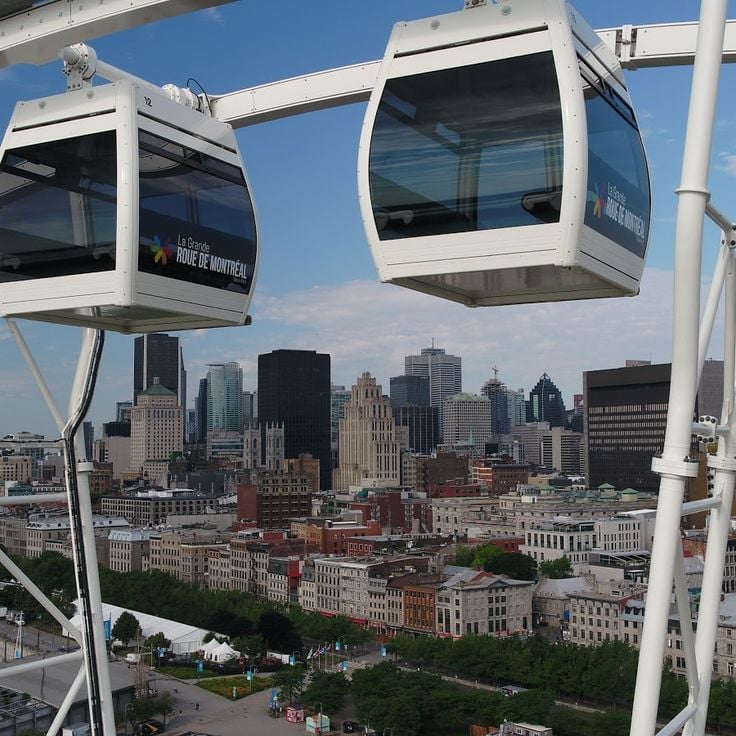
The Montreal Big Wheel stands in the Old Port and reaches a height of 60 meters. This large wheel has air-conditioned cabins offering a 360-degree view during the 15-minute ride. From the top, you can see the Saint Lawrence River, Mount Royal, and the skyscrapers of downtown. The wheel operates all year and is part of the waterfront area that has hosted visitor attractions since the neighborhood was redesigned at the end of the 20th century.
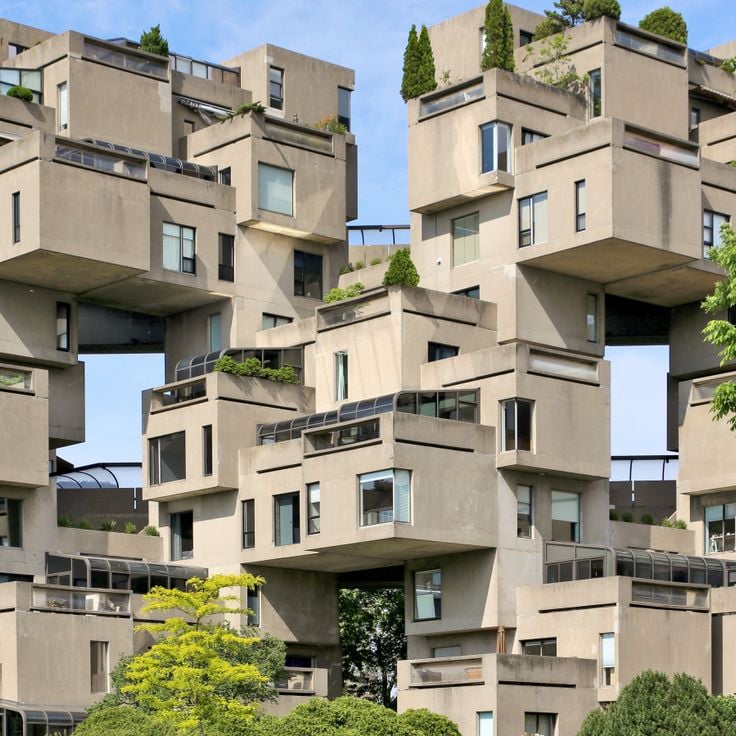
This modernist residential complex was built as an experimental design for Expo 67, presenting a construction method using 354 interconnected concrete modules. The building was conceived by Israeli-Canadian architect Moshe Safdie, who proposed an alternative vision for urban living. Each unit features private outdoor space through the staggered arrangement of the cubes. The structure stands on the shore of the Saint Lawrence River and represents an important example of brutalist architecture in Montreal. The project aimed to combine affordable housing with architectural innovation, though it evolved into high-end condominiums.
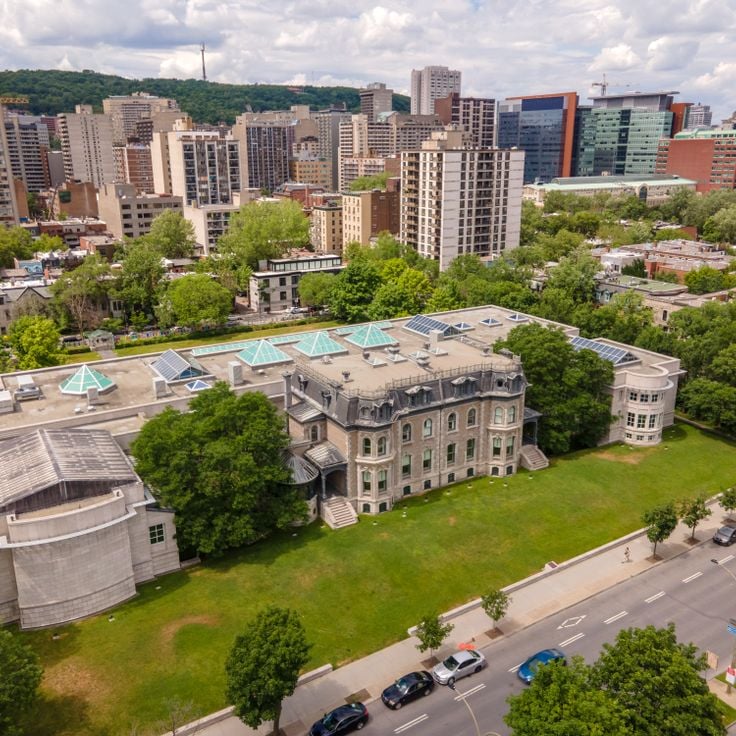
This center ranks among Montreal's principal institutions dedicated to architecture and urban studies. The Canadian Centre for Architecture occupies a historic mansion built in 1874, forming the foundation for its extensive collection. The institution presents rotating exhibitions examining architectural projects across different periods and regions. Holdings include drawings, photographs and models from notable architects. An adjoining sculpture garden complements the exhibition program. The facility combines historic structures with contemporary extensions, offering research resources for professionals and interested visitors.
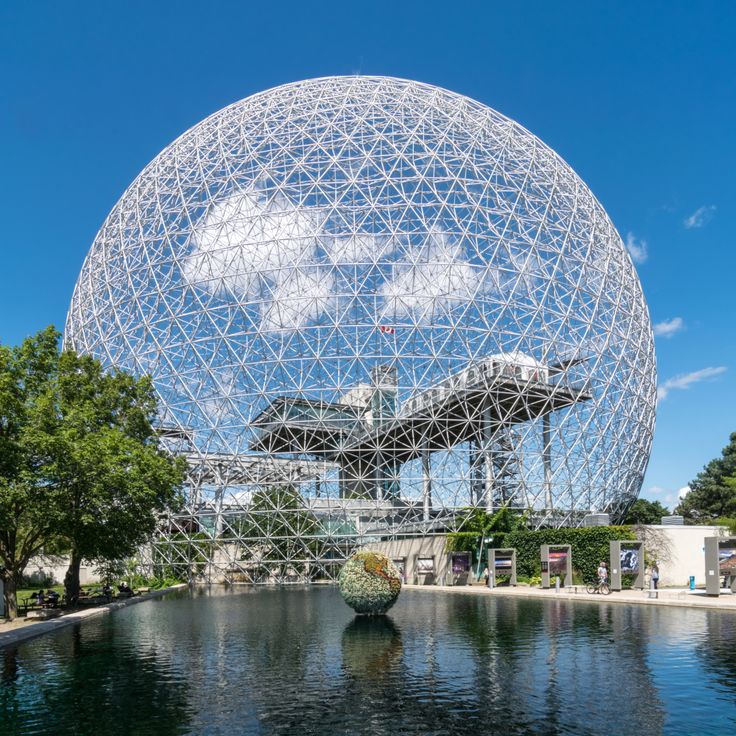
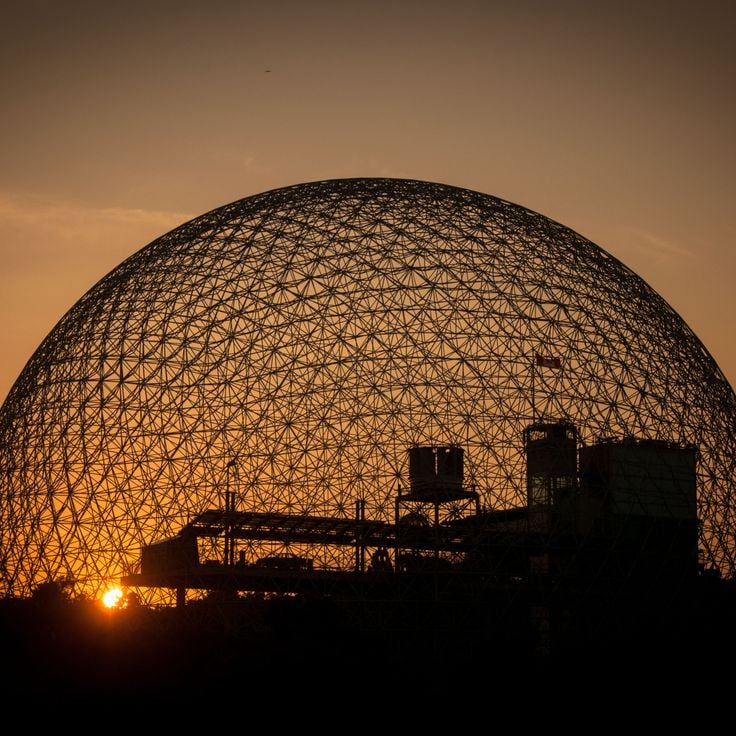
The Biosphere on Île Sainte-Hélène was built for the 1967 World's Fair as part of the American Pavilion and now houses a museum focused on environmental issues and sustainability. The geodesic dome measures 250 feet (76 meters) in diameter and 203 feet (62 meters) in height. After a fire in 1976, the steel structure remained and was reopened as an environmental museum in 1995. Exhibitions address water systems, climate change and urban ecology with particular reference to the Great Lakes and the Saint Lawrence River. The building stands within Parc Jean-Drapeau, a recreational area that also includes other remnants of Expo 67.
Mount Royal forms the natural centerpiece of Montreal, offering visitors several hiking trails, lookout points and gardens across a 750-foot (230-meter) hill. This park extends across a substantial portion of the city and provides views into urban life and topography. The trails wind through wooded sections and open areas that reveal different perspectives throughout the seasons. The Kondiaronk Belvedere on the eastern side presents the city panorama with the St. Lawrence River in the background. The park was designed in the late 1800s following plans by Frederick Law Olmsted, integrating recreation spaces with the natural terrain.
This market stands in the La Petite-Patrie district and ranks among Montreal's major venues for local food trade. More than 150 vendors sell products from Quebec, including fresh fruit, vegetables, meat, cheese and baked goods. The market has operated since 1933 and serves as a gathering place for residents and visitors. Covered sections allow trade in all weather conditions. The Jean-Talon Market demonstrates the agricultural diversity of the region and the connection between urban consumers and local producers.
This religious site was constructed between 1824 and 1829 and represents the neo-gothic architecture that shaped Montreal. The basilica presents vaulted ceilings, colored stained glass windows, and wooden carvings that demonstrate the craftsmanship of the period. The interior stretches 226 feet (69 meters) in length and accommodates several thousand visitors. The organ with its 7,000 pipes was installed in 1891. The Chapel of the Sacred Heart, rebuilt after a fire in 1982, sits behind the main altar. This basilica stands among the landmarks that showcase Montreal's historical and cultural heritage.
This museum preserves works by international and Canadian artists spanning five centuries. The institution was established in 1860, making it among the oldest museums in the country. Collections extend across five pavilions and include paintings, sculptures, decorative arts and contemporary installations. Holdings document artistic developments from the 16th century to the present, showing both European masterpieces and works from Quebec and other Canadian regions. The museum contributes to Montreal's cultural identity and offers changing exhibitions alongside permanent holdings.
Jean-Drapeau Park covers 268 hectares (660 acres) across Sainte-Hélène and Notre-Dame islands, combining recreational areas with sports facilities as part of Montreal's public green spaces. The grounds include a swimming pool, running circuits, landscaped gardens, and cultural installations that reflect the concept of a multipurpose urban park. The park sits in the Saint Lawrence River and connects to downtown via bridges. The two islands were redeveloped for Expo 67 and have since served as a venue for festivals and sporting events.
This cultural complex in the heart of Montreal contains six performance halls that present concerts, operas, theater productions and dance performances throughout the year. Place des Arts has served as a central venue for the performing arts in the city since opening in 1963, housing several resident companies including Opéra de Montréal and Les Grands Ballets Canadiens. The complex reflects modernist design from the 1960s and occupies a convenient location in the Quartier des Spectacles, the cultural center of the city.
This commemorative tower marks the entrance to the Old Port and has stood on Victoria Pier since 1922. The 150-foot (45-meter) structure features a clock mechanism and honors the merchant marine sailors who lost their lives during the First World War. Visitors can climb 192 steps to the observation room, which provides views of the St. Lawrence River and harbor infrastructure. The tower represents one of the historical landmarks along Montreal's waterfront.
This racing circuit extends 2.7 miles (4.4 kilometers) across Île Notre-Dame and has hosted the Formula 1 Canadian Grand Prix annually since 1978. Named after the Canadian driver, the facility uses public roads that close during racing season. The course runs along the St. Lawrence River and includes 14 turns and a long straightaway that allows top speeds. Outside racing events, the track remains open to cyclists, joggers and visitors to Parc Jean-Drapeau.
This sports stadium was built for the 1976 Summer Olympics and has since defined the city skyline with its 175-meter (574-foot) inclined tower. The venue hosted the opening and closing ceremonies as well as track and field competitions during the Games. The leaning tower, the tallest of its kind in the world, provides visitors with views across Montreal and the surrounding region. After the Olympics, the stadium served as home to professional baseball and soccer teams and remains an example of 1970s sports architecture in Canada.
The Botanical Garden holds 22,000 plant species across 185 acres (75 hectares) and ranks among Montreal's key attractions representing its cultural and scientific significance. The site encompasses several exhibition greenhouses, including Chinese and Japanese structures, along with thematic gardens such as the First Nations Garden and the Rose Garden. Established in 1931, the garden documents botanical diversity from different climate zones and continents. The facility serves both research and public education, drawing over one million visitors annually. The Main Greenhouse hosts a butterfly exhibition during autumn. The Japanese and Chinese gardens conduct seasonal festivals that present traditional garden design.
Saint Joseph's Oratory is Canada's largest church and stands on the western slope of Mount Royal. This Catholic basilica reaches 318 feet (97 meters) at its dome and overlooks Montreal. The Italian Renaissance style defines the structure, built between 1924 and 1967. Inside are a crypt, several chapels and a museum documenting the site's history. More than 280 steps lead to the main entrance, though an elevator is available. The location on Mount Royal provides views over the city. The oratory draws about two million visitors annually and serves as an important pilgrimage destination.
This former velodrome from the Olympic Games presents four ecosystems of the Americas in a natural science museum. The Biodome reproduces a tropical rainforest, the Laurentian Forest, the Gulf of Saint Lawrence coast and subpolar regions. The climate-controlled halls contain plant species, animals and geological formations corresponding to each habitat. Visitors walk through the recreated environments on a continuous path. The institution works on conservation and public education about North American and South American natural environments. The building was constructed in 1976 as a sports venue for the Summer Olympics and converted to a science center in 1992.
This canal was built in 1825 and extends nine miles (14 kilometers) between the Old Port and Lake Saint-Louis. The waterway played a central role in Montreal's industrial development, allowing ships to bypass the Lachine Rapids on the Saint Lawrence River. Today a bicycle path runs alongside the canal, passing five preserved locks. The former industrial area along the banks now houses residential buildings, offices and recreational facilities. The Lachine Canal documents the technical and economic history of the city.
This amusement park sits on Île Sainte-Hélène and opened in 1967 for the World's Fair. La Ronde contains around forty rides, including several roller coasters that reach different speeds and heights. The grounds extend across the island site in the Saint Lawrence River and provide attractions for visitors of various ages. The park stands among the established leisure facilities in Montreal and complements the sports and recreational areas distributed across Parc Jean-Drapeau.
This central artery in downtown Montreal extends over 7 miles (11 kilometers), connecting numerous shops, shopping arcades and restaurants. Sainte-Catherine Street crosses several neighborhoods and has served as the city's main commercial corridor for decades. The streetscape alternates between department stores, smaller boutiques and dining establishments. On weekends and during summer months, portions of the street close to vehicle traffic and operate as pedestrian zones. This thoroughfare links commercial activity with the daily life of the city and reflects Montreal's role as an economic center of Quebec province.
This historic district preserves the earliest urban layer of Montreal and presents the architectural fabric of the French colonial period and British rule. Old Montreal developed from its 17th-century founding on a site along the St. Lawrence River and today displays buildings spanning three centuries. The streets follow the original grid while the surviving structures include merchant houses, administrative buildings and religious institutions. The district documents the city's economic and administrative function as a port and trading center and complements Montreal's other landmarks through its direct connection to the city's history.
Quartier des Spectacles occupies one square kilometer (0.4 sq mi) in central Montreal and forms a cultural district with performance venues, public spaces, and lighting installations. This district incorporates Place des Arts, several theaters and concert halls, and extensive pedestrian zones. Digital projections and LED lighting mark the squares and building facades. The district hosts festivals and cultural events, complementing the historic sites of Montreal featured in this collection with a contemporary urban space for performing arts.
This underground network connects metro stations, shopping centers and office buildings across 32 kilometers (20 miles) of passageways beneath downtown. The system allows residents and visitors to move through the city sheltered from cold weather and precipitation. The corridors provide access to shops, restaurants, hotels and public facilities. Development began in the 1960s and has expanded steadily since then. The passages serve several hundred thousand people daily as an alternative to surface streets. The network represents a practical urban solution adapted to Montreal's climate.
This archaeology and history museum was founded in 1992 and presents archaeological remains from the 16th century along with exhibitions on the evolution of Montreal. Pointe-à-Callière stands at the birthplace of the city, where the first European settlers established a colony in 1642. The underground galleries display foundations of historical buildings, including remnants of the first cemetery and the Royal Battery fortification. Permanent exhibitions document the history of Indigenous peoples, the French and British colonial periods, and modern urban development. The museum organizes temporary exhibitions on archaeological subjects and historical events. A multimedia tour guides visitors through different eras of the city's history. The location in the Old Port connects the museum visit with access to other historical sites in Montreal.
This public square sits at the heart of the Quartier des Spectacles and serves as Montreal's central outdoor venue for events and public gatherings. The space features an interactive fountain with 235 water jets that provide cooling relief in summer and choreographed water displays during events. Four beacon lights mark the square and contribute to nighttime illumination. The plaza serves as the main stage for festivals including the International Jazz Festival and Just for Laughs, drawing several million visitors annually.
This insectarium forms part of the Space for Life complex and presents insects through living collections and preserved specimens. The institution provides knowledge about the role of insects in ecosystems and their interactions with other life forms. Exhibitions display species from different climate zones and geographic regions. The museum contributes to scientific education in Montreal and enables visitors to understand the diversity and adaptability of insects. The facility combines educational programs with research activities in the field of entomology.
This 18th century chapel stands among Montreal's significant religious sites and reflects the influence of sailors and fishermen on the city's development. The collection of ship models suspended from the nave ceiling recalls the maritime history of the area, while an exhibit of sacred objects illustrates religious practices from past centuries. Colored stained glass illuminates the interior, and an observation point in the tower provides a view over the historic quarter and the old port.
This cathedral stands in downtown Montreal and follows the design of Saint Peter's Basilica in Rome. Completed in the late 19th century, the structure presents a neo-baroque facade with a dome and roofline statues. Inside, daily masses are held in French, and several artworks recall the religious history of Quebec Province. The cathedral continues to serve as the seat of the Roman Catholic Archdiocese of Montreal and welcomes visitors during designated hours outside of services.
The Old Port is a historic waterfront district stretching along the St. Lawrence River, developed through the conversion of former industrial port facilities into public spaces. This district offers activities such as cycling paths, riverside walks and seasonal events. Located in central Montreal, the Old Port serves as a gateway to the adjacent Old Town and its architectural landmarks. The former warehouses and piers have been repurposed for cultural and commercial use, creating a connection between Montreal's maritime heritage and contemporary urban life. The area receives around six million visitors annually.
This cobblestone street in Montreal's old town connects the historic center to the Old Port and runs parallel to the St. Lawrence River. Saint-Paul Street preserves buildings from the 18th and 19th centuries, now housing independent shops, art galleries, and restaurants. The street formed part of the original settlement and demonstrates the city's architectural evolution. Visitors find regional crafts, contemporary works by local artists, and dining options that combine French and North American influences. The street provides access to other historic sites including Notre-Dame Basilica and Place Jacques-Cartier.
The Bell Centre is the National Hockey League's largest arena, with a capacity of 21,302 seats for hockey games, and serves as home to the Montreal Canadiens. Opened in 1996, this multipurpose venue sits in downtown Montreal and hosts sporting events, concerts and other large-scale gatherings. Guided tours provide visitors access to typically restricted areas including player dressing rooms, the press area and VIP lounges. The tour offers insight into the operations of a professional sports facility and the history of the team, which was founded in 1909 and has won 24 Stanley Cup championships.
This public market along the Lachine Canal opened in 1933 and has remained a fixture for food commerce in Montreal. The Atwater Market offers regional products from Quebec, including seasonal produce, cheese, bread and meat from local suppliers. Surrounding shops and restaurants provide international cuisine. The thirties-era market building sits near the Canal de Lachine and serves as a destination for residents and travelers seeking local specialties and fresh goods.
This multicultural neighborhood sits below Outremont, combining residential blocks of historic housing with contemporary shops and cultural venues. Mile End developed in the late 19th century and attracted successive waves of immigrant communities over the decades, which shaped its present character. The main streets pass through rows of homes with characteristic exterior staircases and commercial spaces housing independent bookstores, record shops, cafes and restaurants. The neighborhood has drawn artists and musicians who contribute to Montreal's cultural identity. Visitors can explore local bakeries operating traditional methods and shops offering handmade crafts and textiles.
This university stands among Montreal's central educational institutions and was founded in 1821. The campus sits at the foot of Mount Royal and comprises Victorian-style buildings along with maintained green spaces. The architecture reflects the city's development during the 19th century. Visitors can walk through publicly accessible areas and view the historic structures, which have been combined with modern facilities.
This 2.5-hectare (6.2-acre) garden within the Jardin botanique de Montréal follows the design principles of Japanese garden art. The grounds include koi ponds, wooden pavilions in traditional style, and stone lanterns positioned along winding paths. Gardeners maintain the vegetation using methods that emphasize harmony between water, stone, and plants. The garden was created in 1988 through collaboration between landscape architects from Canada and Japan. Visitors find an environment that combines contemplative settings with botanical variety, part of the attractions that extend Montreal's cultural and natural landmarks.
The Redpath Museum displays natural history collections across three floors. Exhibitions include preserved animal specimens, dinosaur skeletons and Egyptian artifacts. This museum belongs to McGill University and documents geological, biological and ethnological subjects. The institution serves both research and educational purposes, complementing the cultural offerings found throughout Montreal with scientific perspectives on natural history.
This park covers 84 acres (34 hectares) in central Montreal, providing ponds, running paths, outdoor pools, and an open-air theater. La Fontaine Park serves as a recreation area for residents and visitors, with green spaces for picnics and outdoor activities. The ponds attract pedal boaters in summer and convert to skating rinks in winter. The open-air theater hosts free performances during warmer months. Paths accommodate jogging, cycling, and walking. The park sits between the Plateau Mont-Royal and Centre-Sud neighborhoods, accessible by public transit. The grounds were established in the late 19th century and named after French writer Jean de La Fontaine. The two ponds form the central feature, surrounded by lawns and tree cover.
The Montreal Big Wheel stands in the Old Port and reaches a height of 60 meters. This large wheel has air-conditioned cabins offering a 360-degree view during the 15-minute ride. From the top, you can see the Saint Lawrence River, Mount Royal, and the skyscrapers of downtown. The wheel operates all year and is part of the waterfront area that has hosted visitor attractions since the neighborhood was redesigned at the end of the 20th century.
This modernist residential complex was built as an experimental design for Expo 67, presenting a construction method using 354 interconnected concrete modules. The building was conceived by Israeli-Canadian architect Moshe Safdie, who proposed an alternative vision for urban living. Each unit features private outdoor space through the staggered arrangement of the cubes. The structure stands on the shore of the Saint Lawrence River and represents an important example of brutalist architecture in Montreal. The project aimed to combine affordable housing with architectural innovation, though it evolved into high-end condominiums.
This center ranks among Montreal's principal institutions dedicated to architecture and urban studies. The Canadian Centre for Architecture occupies a historic mansion built in 1874, forming the foundation for its extensive collection. The institution presents rotating exhibitions examining architectural projects across different periods and regions. Holdings include drawings, photographs and models from notable architects. An adjoining sculpture garden complements the exhibition program. The facility combines historic structures with contemporary extensions, offering research resources for professionals and interested visitors.
The Biosphere on Île Sainte-Hélène was built for the 1967 World's Fair as part of the American Pavilion and now houses a museum focused on environmental issues and sustainability. The geodesic dome measures 250 feet (76 meters) in diameter and 203 feet (62 meters) in height. After a fire in 1976, the steel structure remained and was reopened as an environmental museum in 1995. Exhibitions address water systems, climate change and urban ecology with particular reference to the Great Lakes and the Saint Lawrence River. The building stands within Parc Jean-Drapeau, a recreational area that also includes other remnants of Expo 67.
Mount Royal forms the natural centerpiece of Montreal, offering visitors several hiking trails, lookout points and gardens across a 750-foot (230-meter) hill. This park extends across a substantial portion of the city and provides views into urban life and topography. The trails wind through wooded sections and open areas that reveal different perspectives throughout the seasons. The Kondiaronk Belvedere on the eastern side presents the city panorama with the St. Lawrence River in the background. The park was designed in the late 1800s following plans by Frederick Law Olmsted, integrating recreation spaces with the natural terrain.
This market stands in the La Petite-Patrie district and ranks among Montreal's major venues for local food trade. More than 150 vendors sell products from Quebec, including fresh fruit, vegetables, meat, cheese and baked goods. The market has operated since 1933 and serves as a gathering place for residents and visitors. Covered sections allow trade in all weather conditions. The Jean-Talon Market demonstrates the agricultural diversity of the region and the connection between urban consumers and local producers.
This religious site was constructed between 1824 and 1829 and represents the neo-gothic architecture that shaped Montreal. The basilica presents vaulted ceilings, colored stained glass windows, and wooden carvings that demonstrate the craftsmanship of the period. The interior stretches 226 feet (69 meters) in length and accommodates several thousand visitors. The organ with its 7,000 pipes was installed in 1891. The Chapel of the Sacred Heart, rebuilt after a fire in 1982, sits behind the main altar. This basilica stands among the landmarks that showcase Montreal's historical and cultural heritage.
This museum preserves works by international and Canadian artists spanning five centuries. The institution was established in 1860, making it among the oldest museums in the country. Collections extend across five pavilions and include paintings, sculptures, decorative arts and contemporary installations. Holdings document artistic developments from the 16th century to the present, showing both European masterpieces and works from Quebec and other Canadian regions. The museum contributes to Montreal's cultural identity and offers changing exhibitions alongside permanent holdings.
Jean-Drapeau Park covers 268 hectares (660 acres) across Sainte-Hélène and Notre-Dame islands, combining recreational areas with sports facilities as part of Montreal's public green spaces. The grounds include a swimming pool, running circuits, landscaped gardens, and cultural installations that reflect the concept of a multipurpose urban park. The park sits in the Saint Lawrence River and connects to downtown via bridges. The two islands were redeveloped for Expo 67 and have since served as a venue for festivals and sporting events.
This cultural complex in the heart of Montreal contains six performance halls that present concerts, operas, theater productions and dance performances throughout the year. Place des Arts has served as a central venue for the performing arts in the city since opening in 1963, housing several resident companies including Opéra de Montréal and Les Grands Ballets Canadiens. The complex reflects modernist design from the 1960s and occupies a convenient location in the Quartier des Spectacles, the cultural center of the city.
This commemorative tower marks the entrance to the Old Port and has stood on Victoria Pier since 1922. The 150-foot (45-meter) structure features a clock mechanism and honors the merchant marine sailors who lost their lives during the First World War. Visitors can climb 192 steps to the observation room, which provides views of the St. Lawrence River and harbor infrastructure. The tower represents one of the historical landmarks along Montreal's waterfront.
This racing circuit extends 2.7 miles (4.4 kilometers) across Île Notre-Dame and has hosted the Formula 1 Canadian Grand Prix annually since 1978. Named after the Canadian driver, the facility uses public roads that close during racing season. The course runs along the St. Lawrence River and includes 14 turns and a long straightaway that allows top speeds. Outside racing events, the track remains open to cyclists, joggers and visitors to Parc Jean-Drapeau.
This sports stadium was built for the 1976 Summer Olympics and has since defined the city skyline with its 175-meter (574-foot) inclined tower. The venue hosted the opening and closing ceremonies as well as track and field competitions during the Games. The leaning tower, the tallest of its kind in the world, provides visitors with views across Montreal and the surrounding region. After the Olympics, the stadium served as home to professional baseball and soccer teams and remains an example of 1970s sports architecture in Canada.
The Botanical Garden holds 22,000 plant species across 185 acres (75 hectares) and ranks among Montreal's key attractions representing its cultural and scientific significance. The site encompasses several exhibition greenhouses, including Chinese and Japanese structures, along with thematic gardens such as the First Nations Garden and the Rose Garden. Established in 1931, the garden documents botanical diversity from different climate zones and continents. The facility serves both research and public education, drawing over one million visitors annually. The Main Greenhouse hosts a butterfly exhibition during autumn. The Japanese and Chinese gardens conduct seasonal festivals that present traditional garden design.
Saint Joseph's Oratory is Canada's largest church and stands on the western slope of Mount Royal. This Catholic basilica reaches 318 feet (97 meters) at its dome and overlooks Montreal. The Italian Renaissance style defines the structure, built between 1924 and 1967. Inside are a crypt, several chapels and a museum documenting the site's history. More than 280 steps lead to the main entrance, though an elevator is available. The location on Mount Royal provides views over the city. The oratory draws about two million visitors annually and serves as an important pilgrimage destination.
This former velodrome from the Olympic Games presents four ecosystems of the Americas in a natural science museum. The Biodome reproduces a tropical rainforest, the Laurentian Forest, the Gulf of Saint Lawrence coast and subpolar regions. The climate-controlled halls contain plant species, animals and geological formations corresponding to each habitat. Visitors walk through the recreated environments on a continuous path. The institution works on conservation and public education about North American and South American natural environments. The building was constructed in 1976 as a sports venue for the Summer Olympics and converted to a science center in 1992.
This canal was built in 1825 and extends nine miles (14 kilometers) between the Old Port and Lake Saint-Louis. The waterway played a central role in Montreal's industrial development, allowing ships to bypass the Lachine Rapids on the Saint Lawrence River. Today a bicycle path runs alongside the canal, passing five preserved locks. The former industrial area along the banks now houses residential buildings, offices and recreational facilities. The Lachine Canal documents the technical and economic history of the city.
This amusement park sits on Île Sainte-Hélène and opened in 1967 for the World's Fair. La Ronde contains around forty rides, including several roller coasters that reach different speeds and heights. The grounds extend across the island site in the Saint Lawrence River and provide attractions for visitors of various ages. The park stands among the established leisure facilities in Montreal and complements the sports and recreational areas distributed across Parc Jean-Drapeau.
This central artery in downtown Montreal extends over 7 miles (11 kilometers), connecting numerous shops, shopping arcades and restaurants. Sainte-Catherine Street crosses several neighborhoods and has served as the city's main commercial corridor for decades. The streetscape alternates between department stores, smaller boutiques and dining establishments. On weekends and during summer months, portions of the street close to vehicle traffic and operate as pedestrian zones. This thoroughfare links commercial activity with the daily life of the city and reflects Montreal's role as an economic center of Quebec province.
This historic district preserves the earliest urban layer of Montreal and presents the architectural fabric of the French colonial period and British rule. Old Montreal developed from its 17th-century founding on a site along the St. Lawrence River and today displays buildings spanning three centuries. The streets follow the original grid while the surviving structures include merchant houses, administrative buildings and religious institutions. The district documents the city's economic and administrative function as a port and trading center and complements Montreal's other landmarks through its direct connection to the city's history.
Quartier des Spectacles occupies one square kilometer (0.4 sq mi) in central Montreal and forms a cultural district with performance venues, public spaces, and lighting installations. This district incorporates Place des Arts, several theaters and concert halls, and extensive pedestrian zones. Digital projections and LED lighting mark the squares and building facades. The district hosts festivals and cultural events, complementing the historic sites of Montreal featured in this collection with a contemporary urban space for performing arts.
This underground network connects metro stations, shopping centers and office buildings across 32 kilometers (20 miles) of passageways beneath downtown. The system allows residents and visitors to move through the city sheltered from cold weather and precipitation. The corridors provide access to shops, restaurants, hotels and public facilities. Development began in the 1960s and has expanded steadily since then. The passages serve several hundred thousand people daily as an alternative to surface streets. The network represents a practical urban solution adapted to Montreal's climate.
This archaeology and history museum was founded in 1992 and presents archaeological remains from the 16th century along with exhibitions on the evolution of Montreal. Pointe-à-Callière stands at the birthplace of the city, where the first European settlers established a colony in 1642. The underground galleries display foundations of historical buildings, including remnants of the first cemetery and the Royal Battery fortification. Permanent exhibitions document the history of Indigenous peoples, the French and British colonial periods, and modern urban development. The museum organizes temporary exhibitions on archaeological subjects and historical events. A multimedia tour guides visitors through different eras of the city's history. The location in the Old Port connects the museum visit with access to other historical sites in Montreal.
This public square sits at the heart of the Quartier des Spectacles and serves as Montreal's central outdoor venue for events and public gatherings. The space features an interactive fountain with 235 water jets that provide cooling relief in summer and choreographed water displays during events. Four beacon lights mark the square and contribute to nighttime illumination. The plaza serves as the main stage for festivals including the International Jazz Festival and Just for Laughs, drawing several million visitors annually.
This insectarium forms part of the Space for Life complex and presents insects through living collections and preserved specimens. The institution provides knowledge about the role of insects in ecosystems and their interactions with other life forms. Exhibitions display species from different climate zones and geographic regions. The museum contributes to scientific education in Montreal and enables visitors to understand the diversity and adaptability of insects. The facility combines educational programs with research activities in the field of entomology.
This 18th century chapel stands among Montreal's significant religious sites and reflects the influence of sailors and fishermen on the city's development. The collection of ship models suspended from the nave ceiling recalls the maritime history of the area, while an exhibit of sacred objects illustrates religious practices from past centuries. Colored stained glass illuminates the interior, and an observation point in the tower provides a view over the historic quarter and the old port.
This cathedral stands in downtown Montreal and follows the design of Saint Peter's Basilica in Rome. Completed in the late 19th century, the structure presents a neo-baroque facade with a dome and roofline statues. Inside, daily masses are held in French, and several artworks recall the religious history of Quebec Province. The cathedral continues to serve as the seat of the Roman Catholic Archdiocese of Montreal and welcomes visitors during designated hours outside of services.
The Old Port is a historic waterfront district stretching along the St. Lawrence River, developed through the conversion of former industrial port facilities into public spaces. This district offers activities such as cycling paths, riverside walks and seasonal events. Located in central Montreal, the Old Port serves as a gateway to the adjacent Old Town and its architectural landmarks. The former warehouses and piers have been repurposed for cultural and commercial use, creating a connection between Montreal's maritime heritage and contemporary urban life. The area receives around six million visitors annually.
This cobblestone street in Montreal's old town connects the historic center to the Old Port and runs parallel to the St. Lawrence River. Saint-Paul Street preserves buildings from the 18th and 19th centuries, now housing independent shops, art galleries, and restaurants. The street formed part of the original settlement and demonstrates the city's architectural evolution. Visitors find regional crafts, contemporary works by local artists, and dining options that combine French and North American influences. The street provides access to other historic sites including Notre-Dame Basilica and Place Jacques-Cartier.
The Bell Centre is the National Hockey League's largest arena, with a capacity of 21,302 seats for hockey games, and serves as home to the Montreal Canadiens. Opened in 1996, this multipurpose venue sits in downtown Montreal and hosts sporting events, concerts and other large-scale gatherings. Guided tours provide visitors access to typically restricted areas including player dressing rooms, the press area and VIP lounges. The tour offers insight into the operations of a professional sports facility and the history of the team, which was founded in 1909 and has won 24 Stanley Cup championships.
This public market along the Lachine Canal opened in 1933 and has remained a fixture for food commerce in Montreal. The Atwater Market offers regional products from Quebec, including seasonal produce, cheese, bread and meat from local suppliers. Surrounding shops and restaurants provide international cuisine. The thirties-era market building sits near the Canal de Lachine and serves as a destination for residents and travelers seeking local specialties and fresh goods.
This multicultural neighborhood sits below Outremont, combining residential blocks of historic housing with contemporary shops and cultural venues. Mile End developed in the late 19th century and attracted successive waves of immigrant communities over the decades, which shaped its present character. The main streets pass through rows of homes with characteristic exterior staircases and commercial spaces housing independent bookstores, record shops, cafes and restaurants. The neighborhood has drawn artists and musicians who contribute to Montreal's cultural identity. Visitors can explore local bakeries operating traditional methods and shops offering handmade crafts and textiles.
This university stands among Montreal's central educational institutions and was founded in 1821. The campus sits at the foot of Mount Royal and comprises Victorian-style buildings along with maintained green spaces. The architecture reflects the city's development during the 19th century. Visitors can walk through publicly accessible areas and view the historic structures, which have been combined with modern facilities.
This 2.5-hectare (6.2-acre) garden within the Jardin botanique de Montréal follows the design principles of Japanese garden art. The grounds include koi ponds, wooden pavilions in traditional style, and stone lanterns positioned along winding paths. Gardeners maintain the vegetation using methods that emphasize harmony between water, stone, and plants. The garden was created in 1988 through collaboration between landscape architects from Canada and Japan. Visitors find an environment that combines contemplative settings with botanical variety, part of the attractions that extend Montreal's cultural and natural landmarks.
The Redpath Museum displays natural history collections across three floors. Exhibitions include preserved animal specimens, dinosaur skeletons and Egyptian artifacts. This museum belongs to McGill University and documents geological, biological and ethnological subjects. The institution serves both research and educational purposes, complementing the cultural offerings found throughout Montreal with scientific perspectives on natural history.
This park covers 84 acres (34 hectares) in central Montreal, providing ponds, running paths, outdoor pools, and an open-air theater. La Fontaine Park serves as a recreation area for residents and visitors, with green spaces for picnics and outdoor activities. The ponds attract pedal boaters in summer and convert to skating rinks in winter. The open-air theater hosts free performances during warmer months. Paths accommodate jogging, cycling, and walking. The park sits between the Plateau Mont-Royal and Centre-Sud neighborhoods, accessible by public transit. The grounds were established in the late 19th century and named after French writer Jean de La Fontaine. The two ponds form the central feature, surrounded by lawns and tree cover.
The Montreal Big Wheel stands in the Old Port and reaches a height of 60 meters. This large wheel has air-conditioned cabins offering a 360-degree view during the 15-minute ride. From the top, you can see the Saint Lawrence River, Mount Royal, and the skyscrapers of downtown. The wheel operates all year and is part of the waterfront area that has hosted visitor attractions since the neighborhood was redesigned at the end of the 20th century.
This modernist residential complex was built as an experimental design for Expo 67, presenting a construction method using 354 interconnected concrete modules. The building was conceived by Israeli-Canadian architect Moshe Safdie, who proposed an alternative vision for urban living. Each unit features private outdoor space through the staggered arrangement of the cubes. The structure stands on the shore of the Saint Lawrence River and represents an important example of brutalist architecture in Montreal. The project aimed to combine affordable housing with architectural innovation, though it evolved into high-end condominiums.
This center ranks among Montreal's principal institutions dedicated to architecture and urban studies. The Canadian Centre for Architecture occupies a historic mansion built in 1874, forming the foundation for its extensive collection. The institution presents rotating exhibitions examining architectural projects across different periods and regions. Holdings include drawings, photographs and models from notable architects. An adjoining sculpture garden complements the exhibition program. The facility combines historic structures with contemporary extensions, offering research resources for professionals and interested visitors.
The Biosphere on Île Sainte-Hélène was built for the 1967 World's Fair as part of the American Pavilion and now houses a museum focused on environmental issues and sustainability. The geodesic dome measures 250 feet (76 meters) in diameter and 203 feet (62 meters) in height. After a fire in 1976, the steel structure remained and was reopened as an environmental museum in 1995. Exhibitions address water systems, climate change and urban ecology with particular reference to the Great Lakes and the Saint Lawrence River. The building stands within Parc Jean-Drapeau, a recreational area that also includes other remnants of Expo 67.
Montreal is best discovered by strolling through its neighborhoods. Old Montreal immerses you in history with its cobblestone streets and colonial buildings. Mount Royal offers views of the city and the river from its trails. Before leaving, check the opening hours of museums and markets, which vary by season. Feel free to explore the small galleries on the side streets, which are often more welcoming than the big tourist spaces.