Montreal Biodome, Indoor nature museum in Mercier-Hochelaga-Maisonneuve, Canada
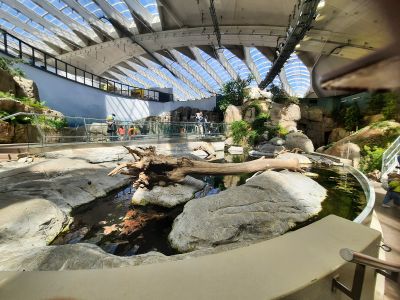
Montreal Biodome is an indoor nature center in Mercier-Hochelaga-Maisonneuve, Canada, that recreates four distinct ecosystems within a single building. The zones feature a tropical rainforest with warm humid air, a Laurentian forest with temperate conditions, the marine life of the Saint Lawrence estuary, and sub-polar regions with cooler climates.
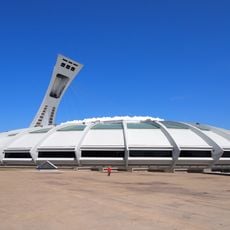
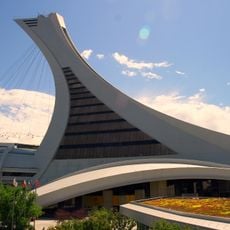
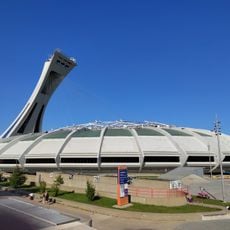
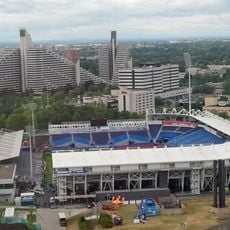
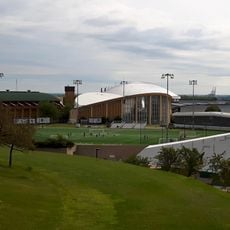
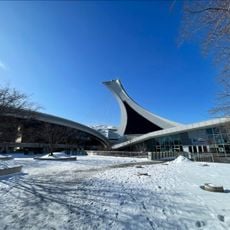
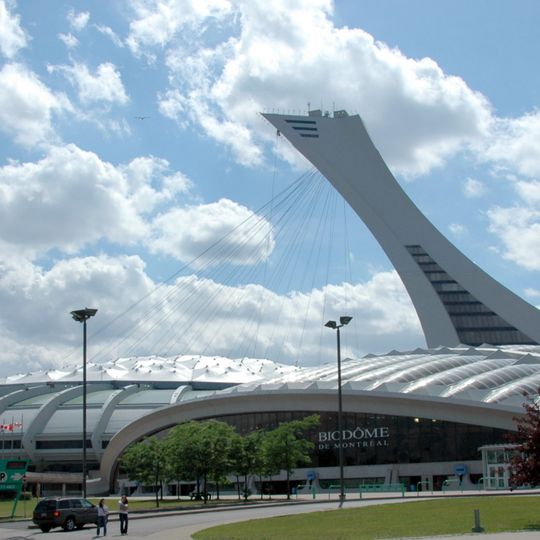
French architect Roger Taillibert designed the building as a velodrome with 2,600 seats for the 1976 Olympics, hosting track cycling and judo. Construction began in August 1973 and it opened in April 1976. After a 1988 feasibility study, work to convert it began in 1989, and it reopened as the Biodome on June 18, 1992.
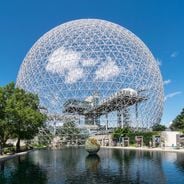
The Biodome is one of five facilities in Space for Life, Canada's largest natural science museum complex, with the Insectarium, Botanical Garden, Biosphere and Rio Tinto Alcan Planetarium. Its name combines "bio" and "dome", referring to the former velodrome's shell. A 500-metre route passes through airlocks called ecotransits that separate the climates.
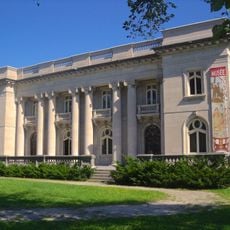
The entrance is located on Pierre-de Coubertin Avenue in a complex that is part of a larger museum group. Temperature and humidity vary considerably between zones, so wearing layers is recommended.
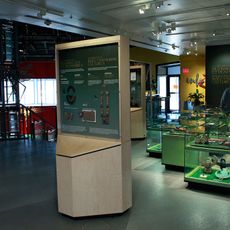
Researchers discovered two new species within the exhibits, including a mite in the simulated river mouth area. The other was a bacterium found in the water treatment system.
The community of curious travelers
AroundUs brings together thousands of curated places, local tips, and hidden gems, enriched daily by 93,342 contributors worldwide.