See the monuments around you in AROpen chests in the app
Around Us is built for your phone — point your camera at the streets and discover the monuments and places around you in augmented reality.Around Us is built for your phone — chests unlock when you walk, explore and capture nearby places.
Expo 67 left a lasting mark on Montreal, with several architectural structures still standing decades after the World Fair closed. The exhibition, held on islands in the Saint Lawrence River, attracted more than 50 million visitors and marked a turning point in the city's development. Many of the original pavilions were demolished or repurposed after the event ended, but several structures remain and continue to serve the city in different capacities. This collection includes individual buildings and entire areas that emerged from the World Fair.
Among the preserved structures are the geodesic dome of the Biosphere, the experimental Habitat 67 housing complex designed by Moshe Safdie, the former French Pavilion now housing the Montreal Casino, and Alexander Calder's "Three Disks" sculpture. The La Ronde amusement park opened as part of Expo 67 and continues to operate today. The grounds within what is now Parc Jean-Drapeau also include Place des Nations, the Circuit Gilles Villeneuve racing track, and various gardens and bridges built for the World Fair. These sites offer insight into the architectural visions of the 1960s and demonstrate how a World Fair can permanently reshape a city.
Expo 67 left a lasting mark on Montreal, with several architectural structures still standing decades after the World Fair closed. The exhibition, held on islands in the Saint Lawrence River, attracted more than 50 million visitors and marked a turning point in the city's development. Many of the original pavilions were demolished or repurposed after the event ended, but several structures remain and continue to serve the city in different capacities. This collection includes individual buildings and entire areas that emerged from the World Fair.
Among the preserved structures are the geodesic dome of the Biosphere, the experimental Habitat 67 housing complex designed by Moshe Safdie, the former French Pavilion now housing the Montreal Casino, and Alexander Calder's "Three Disks" sculpture. The La Ronde amusement park opened as part of Expo 67 and continues to operate today. The grounds within what is now Parc Jean-Drapeau also include Place des Nations, the Circuit Gilles Villeneuve racing track, and various gardens and bridges built for the World Fair. These sites offer insight into the architectural visions of the 1960s and demonstrate how a World Fair can permanently reshape a city.
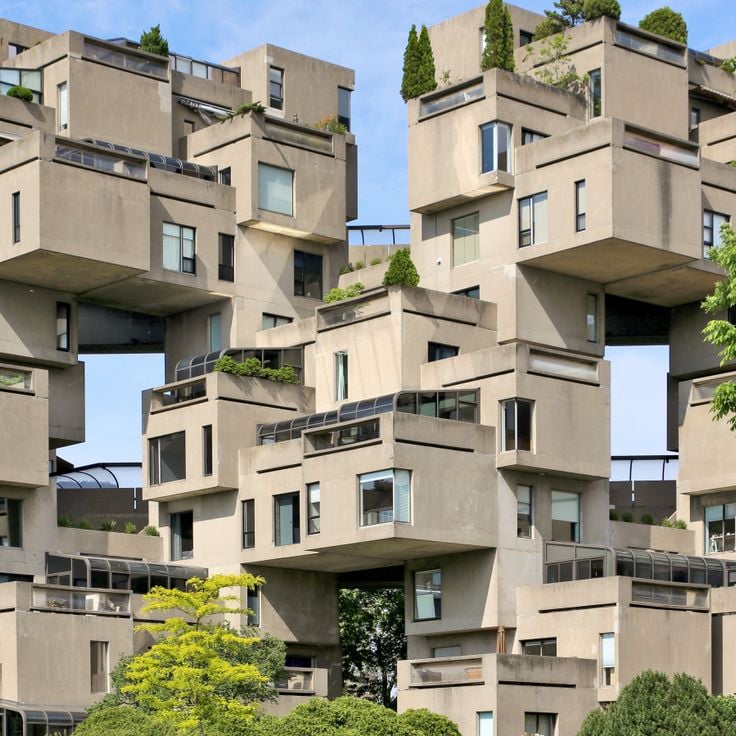
This modular housing complex was designed and built by architect Moshe Safdie for the 1967 World Exhibition. The structure consists of 354 prefabricated concrete modules assembled into 146 residential units. Each unit has a private terrace on the roof of the unit below. The building rises in a pyramid shape along the Saint Lawrence River shore on Île Notre-Dame. The complex remains as an inhabited residential building, demonstrating the experimental architectural approaches presented during Expo 67.
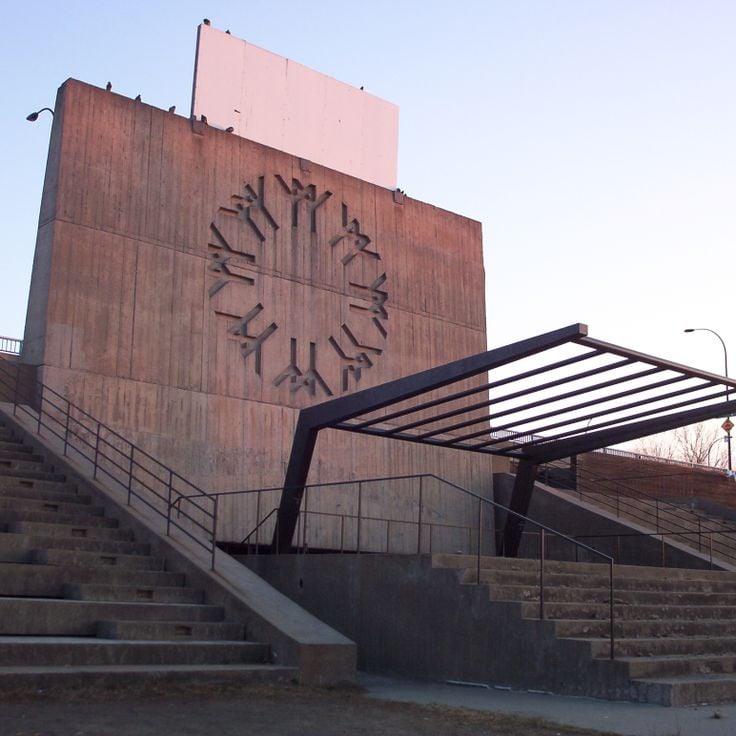
This central plaza of Expo 67 served as the venue for ceremonies and performances from participating nations during the World Fair. Place des Nations formed the ceremonial heart of the exhibition, where official receptions took place and national pavilions presented their cultural programs. The plaza hosted daily flag-raising ceremonies for participating countries and provided a central stage for international performances throughout the six-month exposition. Today, this location recalls the diplomatic and cultural significance of Expo 67 among the preserved architectural structures of the World Fair in Montreal.
The island contains several structures from the 1967 World's Fair and forms a central part of Montreal's Expo 67 architectural heritage. The Casino de Montréal in the former Quebec Pavilion and the La Ronde amusement park represent major structures on Saint Helen's Island. The island sits in the Saint Lawrence River and connects to the mainland by bridges. The Musée Stewart in the arsenal building presents Montreal's history and New France. The preservation of these structures documents the World's Fair's urban influence on Montreal.
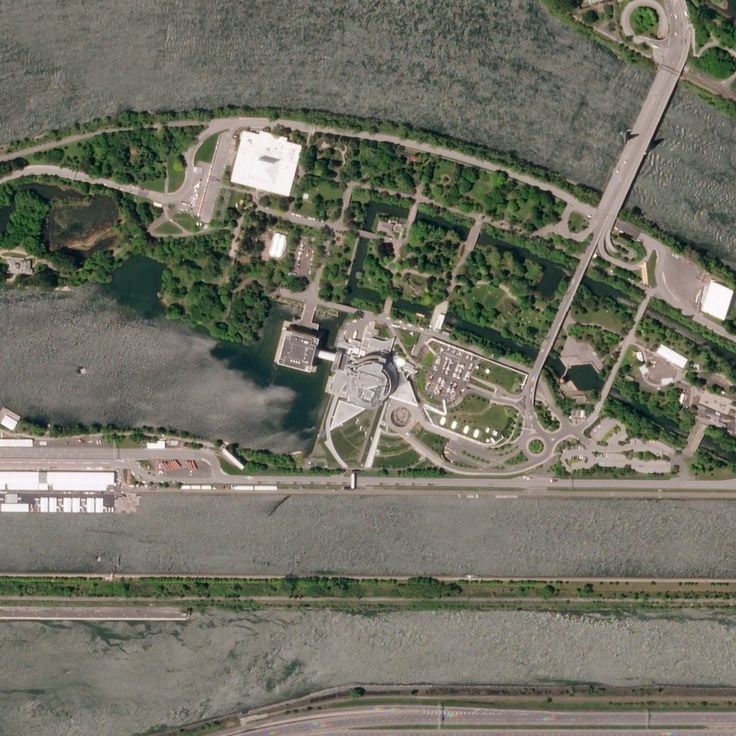
This park spans two islands and preserves numerous structures from Expo 67, which established Montreal as a venue of international significance. The grounds include Circuit Gilles Villeneuve, which hosts Formula One races each year, along with a public swimming pool and an extensive network of cycling paths. Visitors will find both preserved World Fair pavilions and modern recreational facilities that connect the historical legacy with contemporary use.
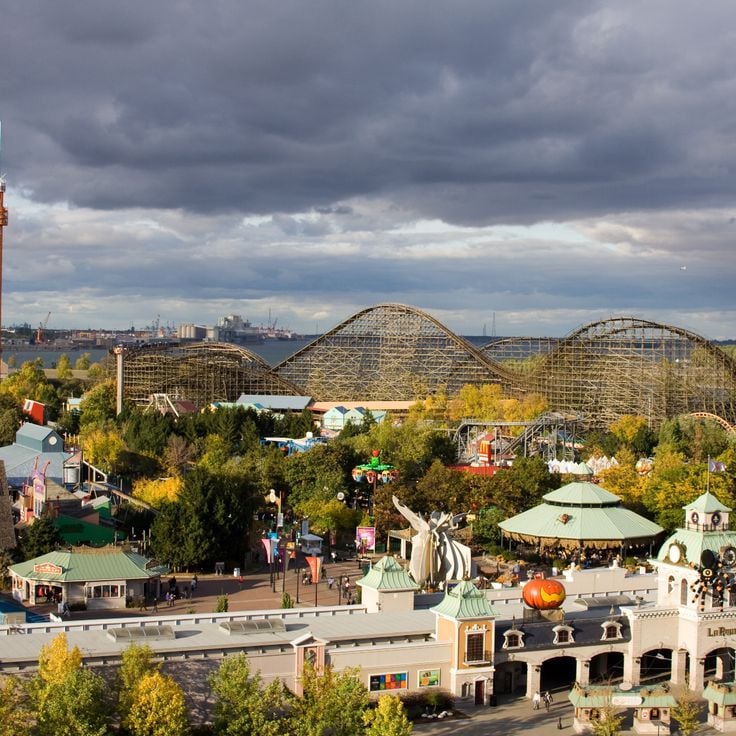
This amusement park opened in 1967 as part of the World Exhibition on Île Sainte-Hélène, serving as the entertainment grounds for Expo 67. The facility remained in operation after the exhibition closed, maintaining its original vision as a modern leisure destination from the 1960s. Six Flags now manages 40 rides and attractions on the site, including several roller coasters and traditional amusement park installations. La Ronde remains one of the most visible remnants of the World's Fair in Montreal, demonstrating the lasting influence of Expo 67 on the city's recreational infrastructure.
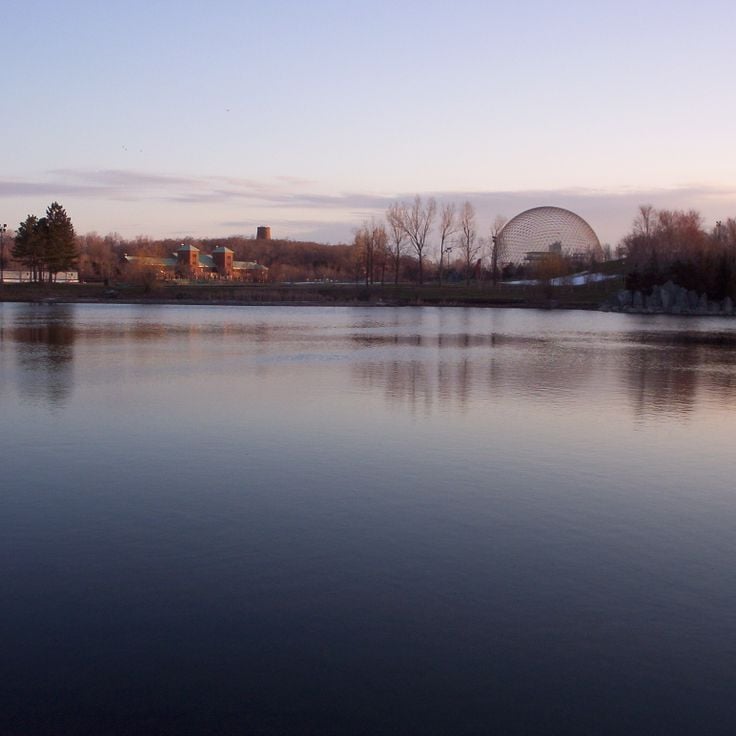
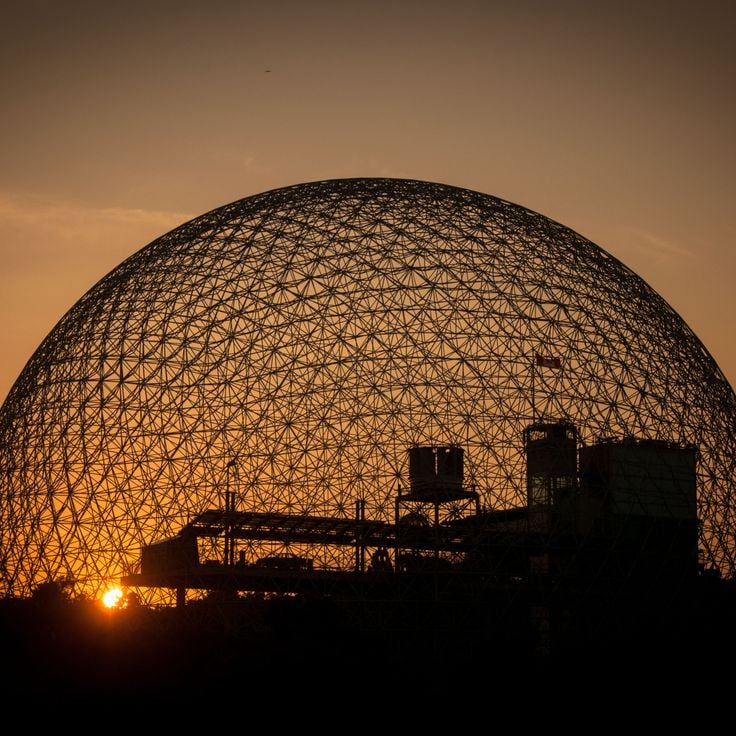
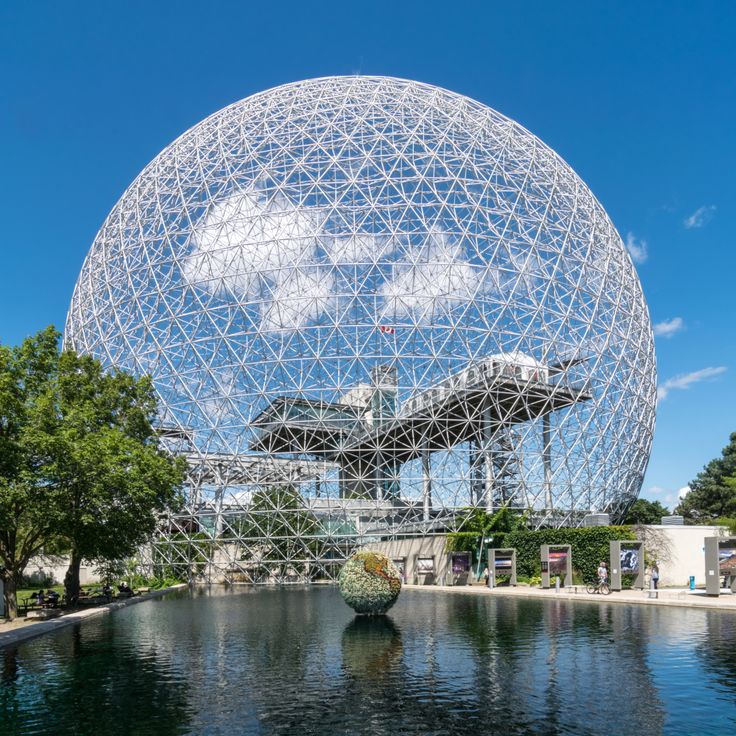
This pavilion at Expo 67 was a geodesic dome designed by Buckminster Fuller. The structure stood 250 feet (76 meters) high with a diameter of 203 feet (62 meters) and served as Canada's primary contribution to the World's Fair. After a fire in 1976 damaged the acrylic exterior, the outer skin was removed and the building was later rebuilt as the Biosphere environmental museum. This structure remains one of the most recognizable examples of the experimental architecture that Montreal inherited from Expo 67.
This former exhibition pavilion was converted into Casino de Montreal in 1993. Located on Île Notre-Dame, the building was originally constructed for Expo 67 and represented the Province of Quebec during the international fair. The conversion to a casino preserved the architectural structure as a functional part of the city's World Fair heritage. This building joins the Biosphere, Habitat 67 residential complex and other preserved elements as evidence of Expo 67's lasting influence on Montreal's architectural landscape and urban development.
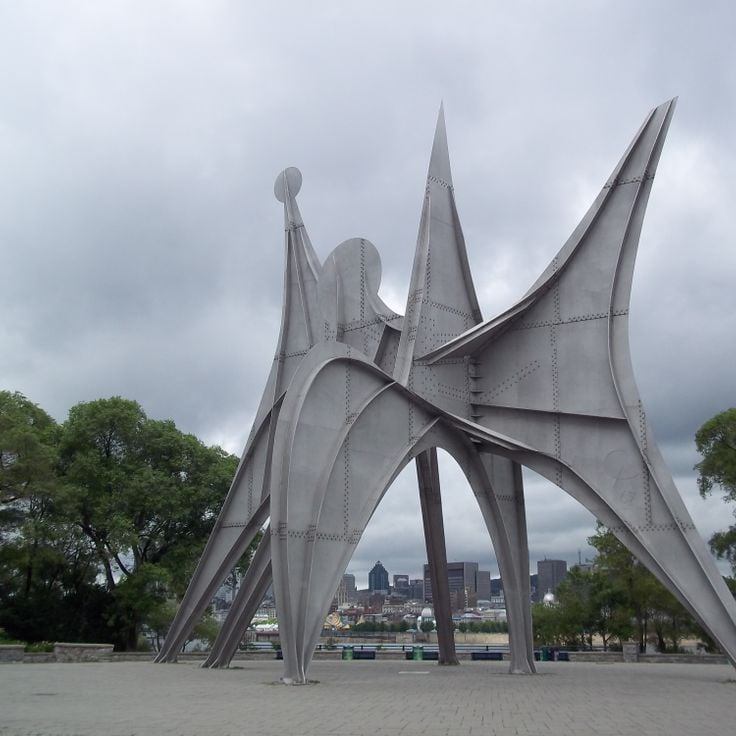
This 21-meter (70-foot) steel sculpture by Alexander Calder weighs 40 tons and stands in Parc Jean-Drapeau as a preserved element of Expo 67. The work belongs to the architectural and artistic legacy left by the World Fair that shaped Montreal's cityscape. The massive sculpture demonstrates Calder's characteristic approach to monumental outdoor art and forms part of the cultural heritage that the international exhibition left in the city.
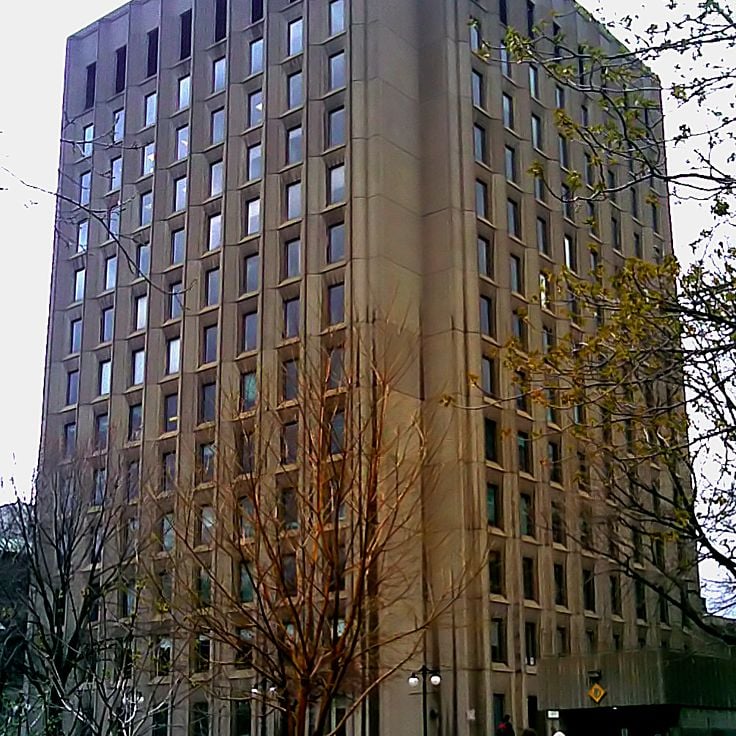
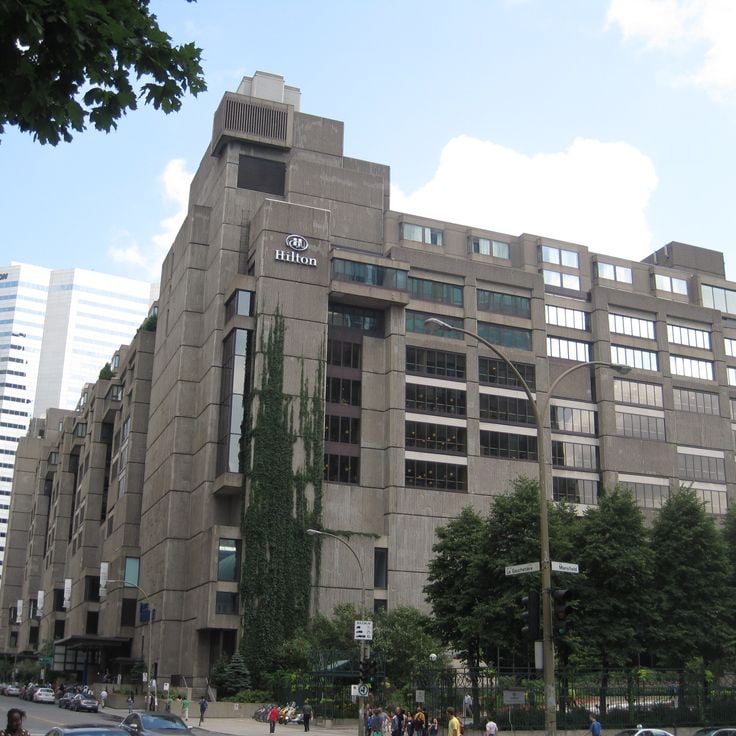
This concrete and glass structure was completed in 1967 in the business district, embodying the architectural ambitions of Expo 67 in Montreal. Place Bonaventure houses 288 hotel rooms and a convention center within a massive complex that also includes commercial spaces and offices. The structure rises over several floors and demonstrates the era's approach to multifunctional urban centers. The building stands as a direct result of the urban development spurred by the World's Fair.
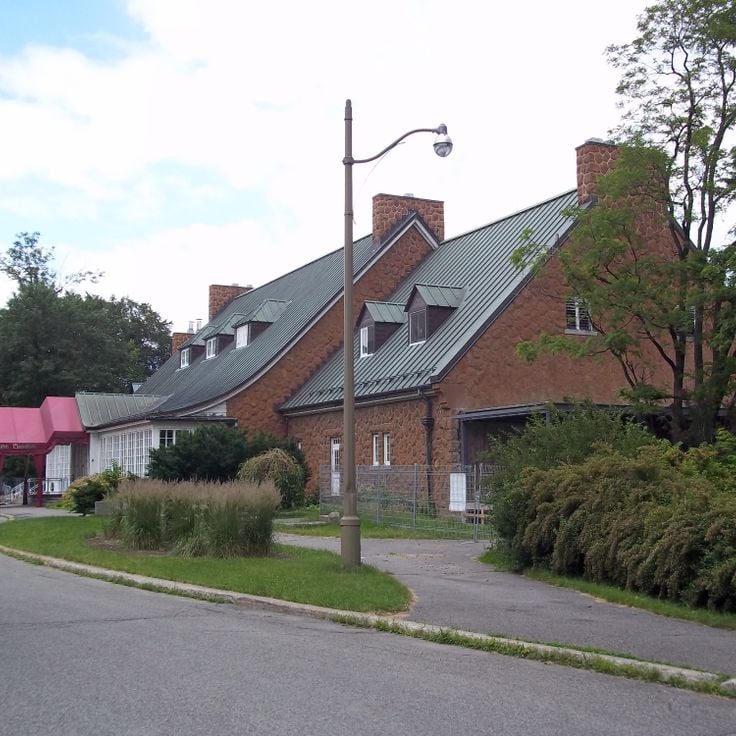
This restaurant on Île Sainte-Hélène was originally designed as a venue for Expo 67 and named after city founder Hélène Boullé. Restaurant Hélène-de-Champlain combines French cuisine with local ingredients in a building that emerged from the World's Fair. The interior spaces preserve architectural elements from the 1960s, while the terraces overlook the St. Lawrence River and Montreal skyline. The location within Île Sainte-Hélène park makes this restaurant one of the remaining culinary legacies of the 1967 World's Fair, continuing to draw visitors to the island.
This motorsport racing track on Île Notre-Dame forms part of the Expo 67 architectural legacy in Montreal. The circuit was built on the grounds of the World's Fair and has hosted the Canadian Grand Prix since 1978. The course runs for 2.71 miles (4.36 kilometers) across the man-made island that was expanded for Expo 67. Named after the Canadian Formula One driver, the track combines the technical demands of motorsport with the urban infrastructure that emerged from the World's Fair. The layout includes 14 turns and ranks among the few permanent racing circuits in North America that regularly host international motorsport events.
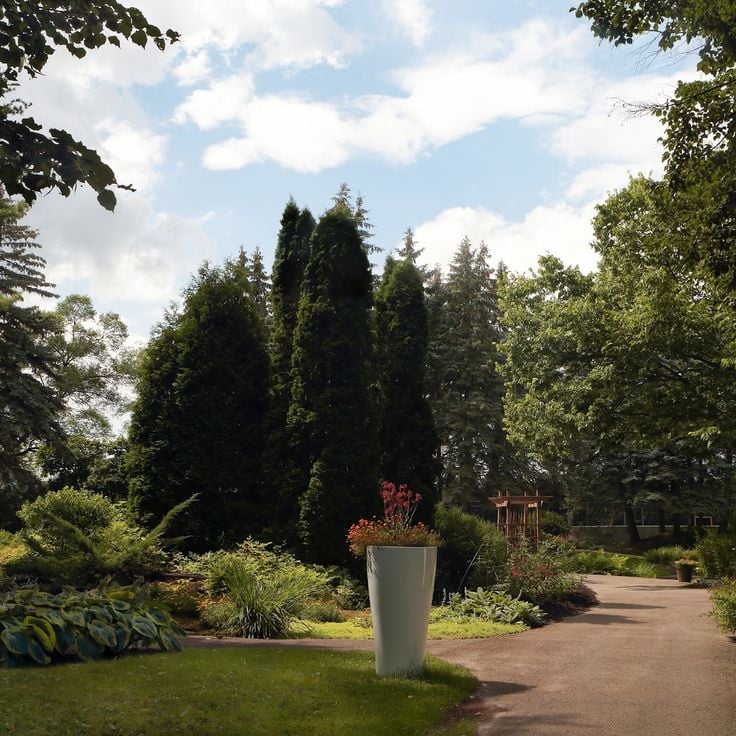
This garden served as Canada's official contribution to the 1967 World's Fair. The grounds showcased the country's natural diversity through regional plantings and landscape design reflecting different climatic zones across Canada. Following the conclusion of Expo 67, the Jardin du Canada remained as part of the architectural and landscape legacy this international exhibition left in Montreal, complementing structures such as the Biosphere and the Habitat 67 residential complex.
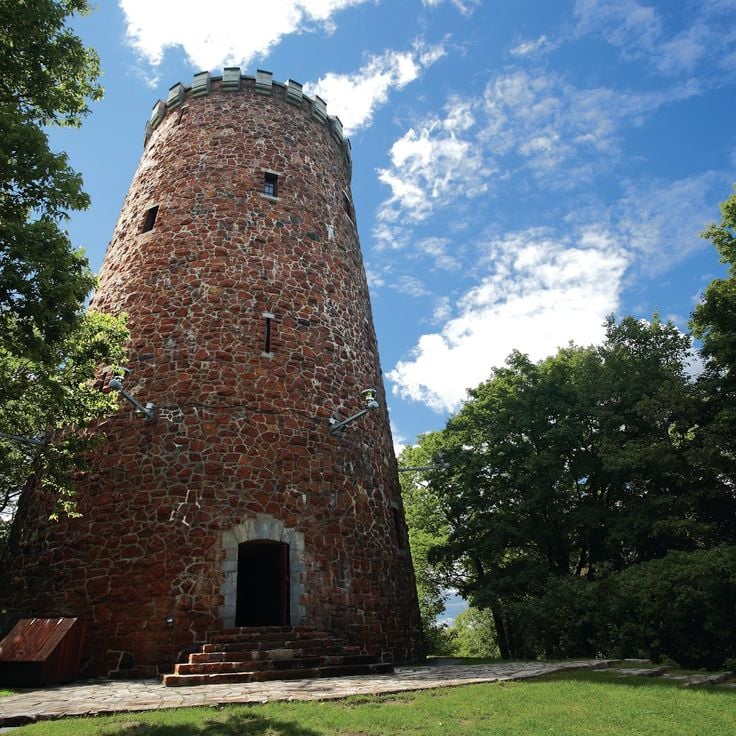
This defensive tower on the south shore of the St. Lawrence River across from Quebec City was built between 1865 and 1872 as part of a British fortification system. The octagonal brick and stone structure belongs to a series of martello-style towers constructed during the political tensions of the 1860s. The Tower of Lévis documents 19th-century military architecture in Canada and complements the architectural legacy of the region already represented by the Expo 67 structures in Montreal.
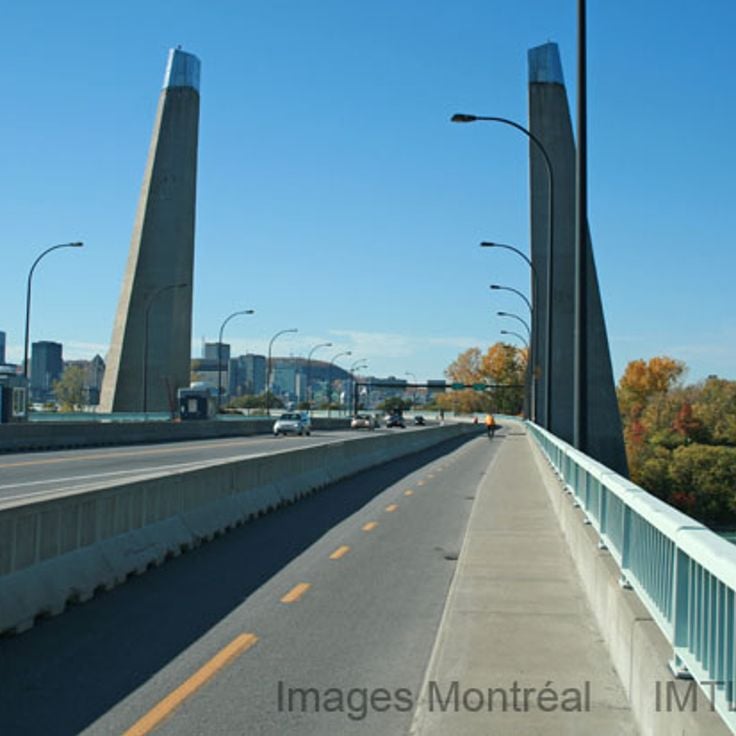
This bridge connects Île Sainte-Hélène to the Montreal mainland and was completed in 1965 in preparation for Expo 67. The Pont de la Concorde was originally built as a temporary steel structure, served as a main traffic artery during the World's Fair, and remained as a permanent link. The bridge provides essential access to the preserved Expo structures on the island, allowing visitors to reach the Biosphere, La Ronde, and other exhibition remnants.
This modular housing complex was designed and built by architect Moshe Safdie for the 1967 World Exhibition. The structure consists of 354 prefabricated concrete modules assembled into 146 residential units. Each unit has a private terrace on the roof of the unit below. The building rises in a pyramid shape along the Saint Lawrence River shore on Île Notre-Dame. The complex remains as an inhabited residential building, demonstrating the experimental architectural approaches presented during Expo 67.
This central plaza of Expo 67 served as the venue for ceremonies and performances from participating nations during the World Fair. Place des Nations formed the ceremonial heart of the exhibition, where official receptions took place and national pavilions presented their cultural programs. The plaza hosted daily flag-raising ceremonies for participating countries and provided a central stage for international performances throughout the six-month exposition. Today, this location recalls the diplomatic and cultural significance of Expo 67 among the preserved architectural structures of the World Fair in Montreal.
The island contains several structures from the 1967 World's Fair and forms a central part of Montreal's Expo 67 architectural heritage. The Casino de Montréal in the former Quebec Pavilion and the La Ronde amusement park represent major structures on Saint Helen's Island. The island sits in the Saint Lawrence River and connects to the mainland by bridges. The Musée Stewart in the arsenal building presents Montreal's history and New France. The preservation of these structures documents the World's Fair's urban influence on Montreal.
This park spans two islands and preserves numerous structures from Expo 67, which established Montreal as a venue of international significance. The grounds include Circuit Gilles Villeneuve, which hosts Formula One races each year, along with a public swimming pool and an extensive network of cycling paths. Visitors will find both preserved World Fair pavilions and modern recreational facilities that connect the historical legacy with contemporary use.
This amusement park opened in 1967 as part of the World Exhibition on Île Sainte-Hélène, serving as the entertainment grounds for Expo 67. The facility remained in operation after the exhibition closed, maintaining its original vision as a modern leisure destination from the 1960s. Six Flags now manages 40 rides and attractions on the site, including several roller coasters and traditional amusement park installations. La Ronde remains one of the most visible remnants of the World's Fair in Montreal, demonstrating the lasting influence of Expo 67 on the city's recreational infrastructure.
This pavilion at Expo 67 was a geodesic dome designed by Buckminster Fuller. The structure stood 250 feet (76 meters) high with a diameter of 203 feet (62 meters) and served as Canada's primary contribution to the World's Fair. After a fire in 1976 damaged the acrylic exterior, the outer skin was removed and the building was later rebuilt as the Biosphere environmental museum. This structure remains one of the most recognizable examples of the experimental architecture that Montreal inherited from Expo 67.
This former exhibition pavilion was converted into Casino de Montreal in 1993. Located on Île Notre-Dame, the building was originally constructed for Expo 67 and represented the Province of Quebec during the international fair. The conversion to a casino preserved the architectural structure as a functional part of the city's World Fair heritage. This building joins the Biosphere, Habitat 67 residential complex and other preserved elements as evidence of Expo 67's lasting influence on Montreal's architectural landscape and urban development.
This 21-meter (70-foot) steel sculpture by Alexander Calder weighs 40 tons and stands in Parc Jean-Drapeau as a preserved element of Expo 67. The work belongs to the architectural and artistic legacy left by the World Fair that shaped Montreal's cityscape. The massive sculpture demonstrates Calder's characteristic approach to monumental outdoor art and forms part of the cultural heritage that the international exhibition left in the city.
This concrete and glass structure was completed in 1967 in the business district, embodying the architectural ambitions of Expo 67 in Montreal. Place Bonaventure houses 288 hotel rooms and a convention center within a massive complex that also includes commercial spaces and offices. The structure rises over several floors and demonstrates the era's approach to multifunctional urban centers. The building stands as a direct result of the urban development spurred by the World's Fair.
This restaurant on Île Sainte-Hélène was originally designed as a venue for Expo 67 and named after city founder Hélène Boullé. Restaurant Hélène-de-Champlain combines French cuisine with local ingredients in a building that emerged from the World's Fair. The interior spaces preserve architectural elements from the 1960s, while the terraces overlook the St. Lawrence River and Montreal skyline. The location within Île Sainte-Hélène park makes this restaurant one of the remaining culinary legacies of the 1967 World's Fair, continuing to draw visitors to the island.
This motorsport racing track on Île Notre-Dame forms part of the Expo 67 architectural legacy in Montreal. The circuit was built on the grounds of the World's Fair and has hosted the Canadian Grand Prix since 1978. The course runs for 2.71 miles (4.36 kilometers) across the man-made island that was expanded for Expo 67. Named after the Canadian Formula One driver, the track combines the technical demands of motorsport with the urban infrastructure that emerged from the World's Fair. The layout includes 14 turns and ranks among the few permanent racing circuits in North America that regularly host international motorsport events.
This garden served as Canada's official contribution to the 1967 World's Fair. The grounds showcased the country's natural diversity through regional plantings and landscape design reflecting different climatic zones across Canada. Following the conclusion of Expo 67, the Jardin du Canada remained as part of the architectural and landscape legacy this international exhibition left in Montreal, complementing structures such as the Biosphere and the Habitat 67 residential complex.
This defensive tower on the south shore of the St. Lawrence River across from Quebec City was built between 1865 and 1872 as part of a British fortification system. The octagonal brick and stone structure belongs to a series of martello-style towers constructed during the political tensions of the 1860s. The Tower of Lévis documents 19th-century military architecture in Canada and complements the architectural legacy of the region already represented by the Expo 67 structures in Montreal.
This bridge connects Île Sainte-Hélène to the Montreal mainland and was completed in 1965 in preparation for Expo 67. The Pont de la Concorde was originally built as a temporary steel structure, served as a main traffic artery during the World's Fair, and remained as a permanent link. The bridge provides essential access to the preserved Expo structures on the island, allowing visitors to reach the Biosphere, La Ronde, and other exhibition remnants.
This modular housing complex was designed and built by architect Moshe Safdie for the 1967 World Exhibition. The structure consists of 354 prefabricated concrete modules assembled into 146 residential units. Each unit has a private terrace on the roof of the unit below. The building rises in a pyramid shape along the Saint Lawrence River shore on Île Notre-Dame. The complex remains as an inhabited residential building, demonstrating the experimental architectural approaches presented during Expo 67.
This central plaza of Expo 67 served as the venue for ceremonies and performances from participating nations during the World Fair. Place des Nations formed the ceremonial heart of the exhibition, where official receptions took place and national pavilions presented their cultural programs. The plaza hosted daily flag-raising ceremonies for participating countries and provided a central stage for international performances throughout the six-month exposition. Today, this location recalls the diplomatic and cultural significance of Expo 67 among the preserved architectural structures of the World Fair in Montreal.
The island contains several structures from the 1967 World's Fair and forms a central part of Montreal's Expo 67 architectural heritage. The Casino de Montréal in the former Quebec Pavilion and the La Ronde amusement park represent major structures on Saint Helen's Island. The island sits in the Saint Lawrence River and connects to the mainland by bridges. The Musée Stewart in the arsenal building presents Montreal's history and New France. The preservation of these structures documents the World's Fair's urban influence on Montreal.
This park spans two islands and preserves numerous structures from Expo 67, which established Montreal as a venue of international significance. The grounds include Circuit Gilles Villeneuve, which hosts Formula One races each year, along with a public swimming pool and an extensive network of cycling paths. Visitors will find both preserved World Fair pavilions and modern recreational facilities that connect the historical legacy with contemporary use.
This amusement park opened in 1967 as part of the World Exhibition on Île Sainte-Hélène, serving as the entertainment grounds for Expo 67. The facility remained in operation after the exhibition closed, maintaining its original vision as a modern leisure destination from the 1960s. Six Flags now manages 40 rides and attractions on the site, including several roller coasters and traditional amusement park installations. La Ronde remains one of the most visible remnants of the World's Fair in Montreal, demonstrating the lasting influence of Expo 67 on the city's recreational infrastructure.
This pavilion at Expo 67 was a geodesic dome designed by Buckminster Fuller. The structure stood 250 feet (76 meters) high with a diameter of 203 feet (62 meters) and served as Canada's primary contribution to the World's Fair. After a fire in 1976 damaged the acrylic exterior, the outer skin was removed and the building was later rebuilt as the Biosphere environmental museum. This structure remains one of the most recognizable examples of the experimental architecture that Montreal inherited from Expo 67.
This former exhibition pavilion was converted into Casino de Montreal in 1993. Located on Île Notre-Dame, the building was originally constructed for Expo 67 and represented the Province of Quebec during the international fair. The conversion to a casino preserved the architectural structure as a functional part of the city's World Fair heritage. This building joins the Biosphere, Habitat 67 residential complex and other preserved elements as evidence of Expo 67's lasting influence on Montreal's architectural landscape and urban development.
This 21-meter (70-foot) steel sculpture by Alexander Calder weighs 40 tons and stands in Parc Jean-Drapeau as a preserved element of Expo 67. The work belongs to the architectural and artistic legacy left by the World Fair that shaped Montreal's cityscape. The massive sculpture demonstrates Calder's characteristic approach to monumental outdoor art and forms part of the cultural heritage that the international exhibition left in the city.
This concrete and glass structure was completed in 1967 in the business district, embodying the architectural ambitions of Expo 67 in Montreal. Place Bonaventure houses 288 hotel rooms and a convention center within a massive complex that also includes commercial spaces and offices. The structure rises over several floors and demonstrates the era's approach to multifunctional urban centers. The building stands as a direct result of the urban development spurred by the World's Fair.
This restaurant on Île Sainte-Hélène was originally designed as a venue for Expo 67 and named after city founder Hélène Boullé. Restaurant Hélène-de-Champlain combines French cuisine with local ingredients in a building that emerged from the World's Fair. The interior spaces preserve architectural elements from the 1960s, while the terraces overlook the St. Lawrence River and Montreal skyline. The location within Île Sainte-Hélène park makes this restaurant one of the remaining culinary legacies of the 1967 World's Fair, continuing to draw visitors to the island.
This motorsport racing track on Île Notre-Dame forms part of the Expo 67 architectural legacy in Montreal. The circuit was built on the grounds of the World's Fair and has hosted the Canadian Grand Prix since 1978. The course runs for 2.71 miles (4.36 kilometers) across the man-made island that was expanded for Expo 67. Named after the Canadian Formula One driver, the track combines the technical demands of motorsport with the urban infrastructure that emerged from the World's Fair. The layout includes 14 turns and ranks among the few permanent racing circuits in North America that regularly host international motorsport events.
This garden served as Canada's official contribution to the 1967 World's Fair. The grounds showcased the country's natural diversity through regional plantings and landscape design reflecting different climatic zones across Canada. Following the conclusion of Expo 67, the Jardin du Canada remained as part of the architectural and landscape legacy this international exhibition left in Montreal, complementing structures such as the Biosphere and the Habitat 67 residential complex.
This defensive tower on the south shore of the St. Lawrence River across from Quebec City was built between 1865 and 1872 as part of a British fortification system. The octagonal brick and stone structure belongs to a series of martello-style towers constructed during the political tensions of the 1860s. The Tower of Lévis documents 19th-century military architecture in Canada and complements the architectural legacy of the region already represented by the Expo 67 structures in Montreal.
This bridge connects Île Sainte-Hélène to the Montreal mainland and was completed in 1965 in preparation for Expo 67. The Pont de la Concorde was originally built as a temporary steel structure, served as a main traffic artery during the World's Fair, and remained as a permanent link. The bridge provides essential access to the preserved Expo structures on the island, allowing visitors to reach the Biosphere, La Ronde, and other exhibition remnants.