See the monuments around you in AROpen chests in the app
Around Us is built for your phone — point your camera at the streets and discover the monuments and places around you in augmented reality.Around Us is built for your phone — chests unlock when you walk, explore and capture nearby places.
Historic sites in New Orleans: churches, museums and creole heritage
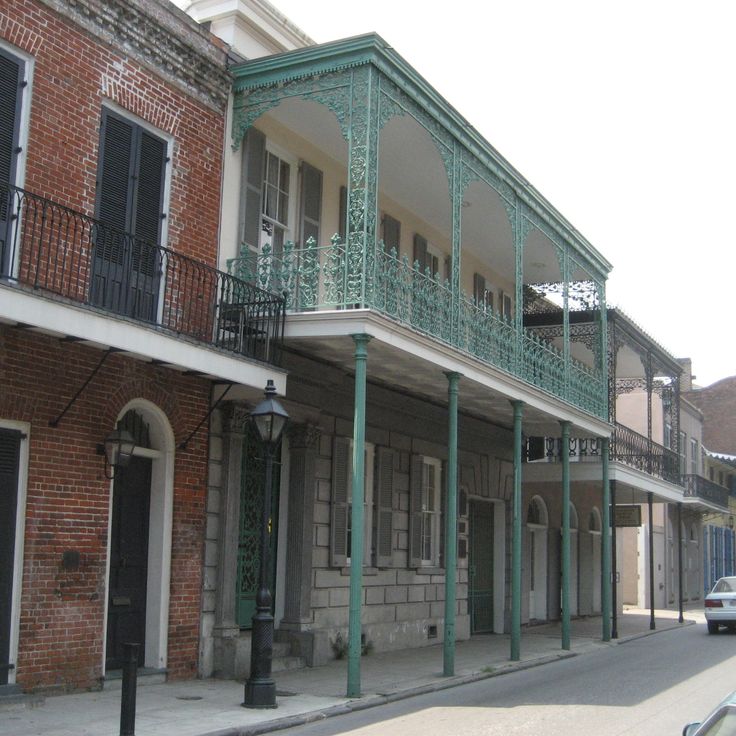
New Orleans tells its story through churches, museums and buildings that show its long past. Walking through the city streets, you see how different groups have left their mark. Irish immigrants brought their traditions, African culture added to the music and arts, and each period shaped the style of the buildings. From the colorful-walled churches to the old houses in the Vieux Carré, these places show how the city grew little by little, welcoming people from all around.
The historic sites in New Orleans invite you to see this history firsthand. You can visit Saint Patrick's Church, look at the old facades of the Beauregard-Keyes house, hear jazz stories at the dedicated museum, or be surprised by the collections at the Cabildo and Presbytère. The Congo Square, the Little Theater in Vieux Carré, and other sites keep alive the memories of the people who lived and shaped this city. Each visit helps you understand how New Orleans became what it is today.
Historic sites in New Orleans: churches, museums and creole heritage
New Orleans tells its story through churches, museums and buildings that show its long past. Walking through the city streets, you see how different groups have left their mark. Irish immigrants brought their traditions, African culture added to the music and arts, and each period shaped the style of the buildings. From the colorful-walled churches to the old houses in the Vieux Carré, these places show how the city grew little by little, welcoming people from all around.
The historic sites in New Orleans invite you to see this history firsthand. You can visit Saint Patrick's Church, look at the old facades of the Beauregard-Keyes house, hear jazz stories at the dedicated museum, or be surprised by the collections at the Cabildo and Presbytère. The Congo Square, the Little Theater in Vieux Carré, and other sites keep alive the memories of the people who lived and shaped this city. Each visit helps you understand how New Orleans became what it is today.
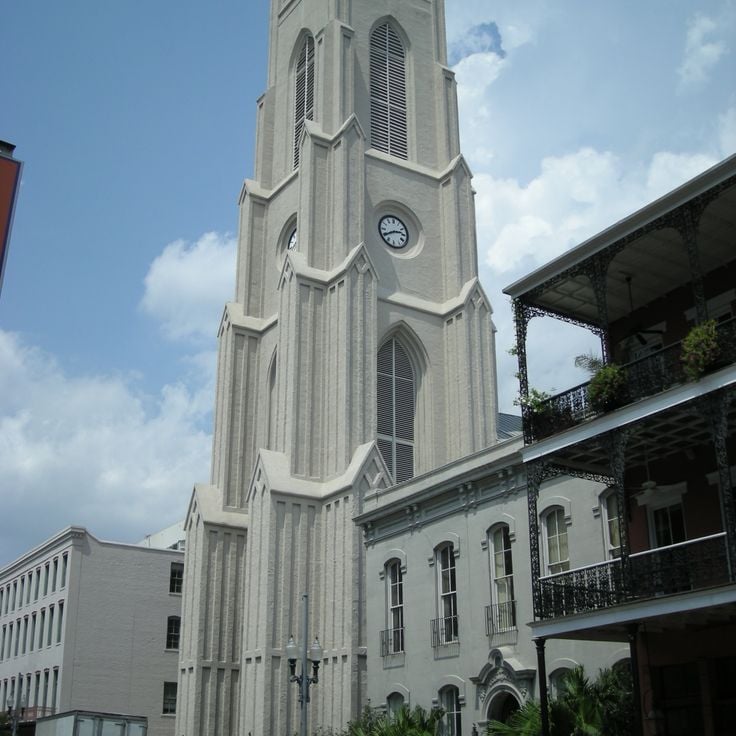
This Roman Catholic church from the 19th century shows a mix of Irish and American architecture. The stained glass windows are original to the building. Saint-Patrick tells the story of the Irish community that settled in New Orleans and shaped the city through its structure and decoration.
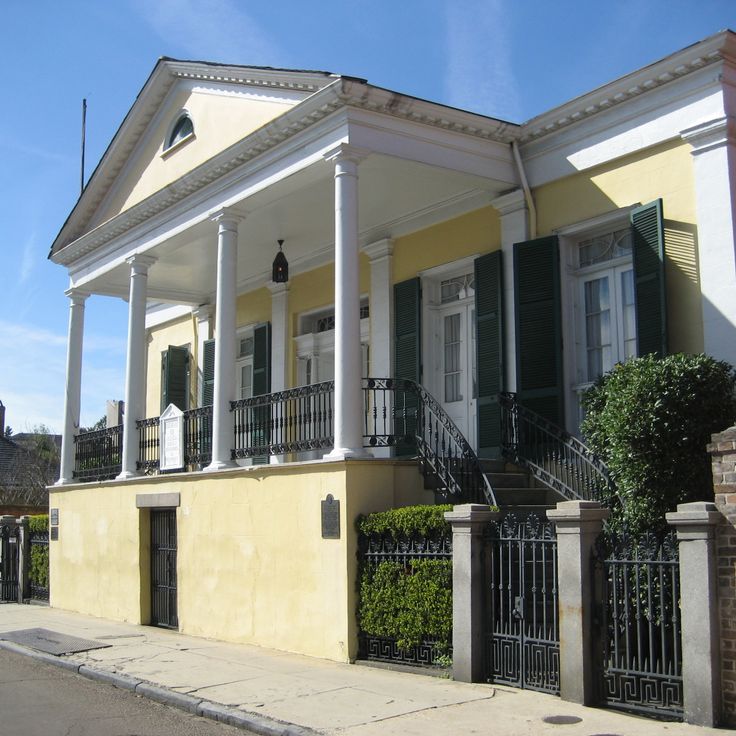
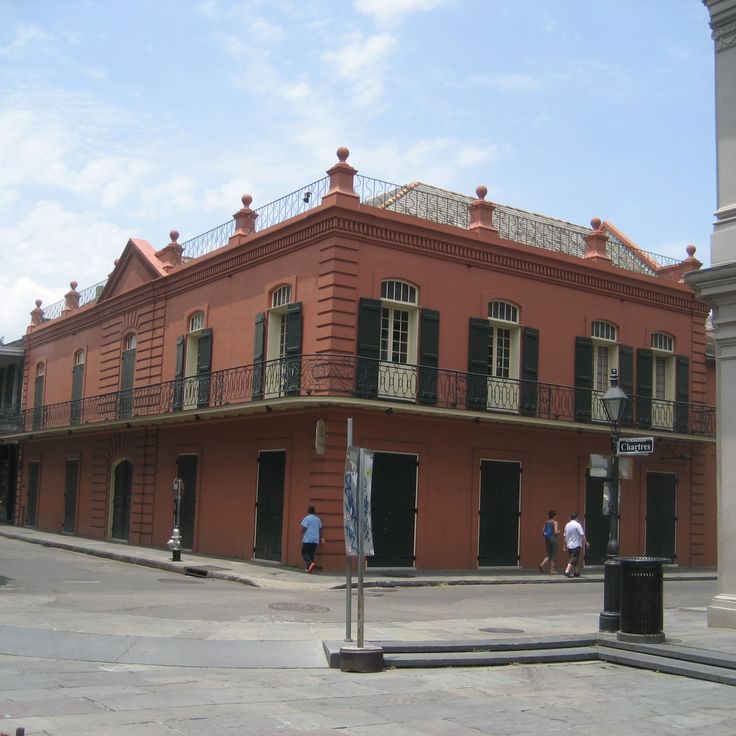
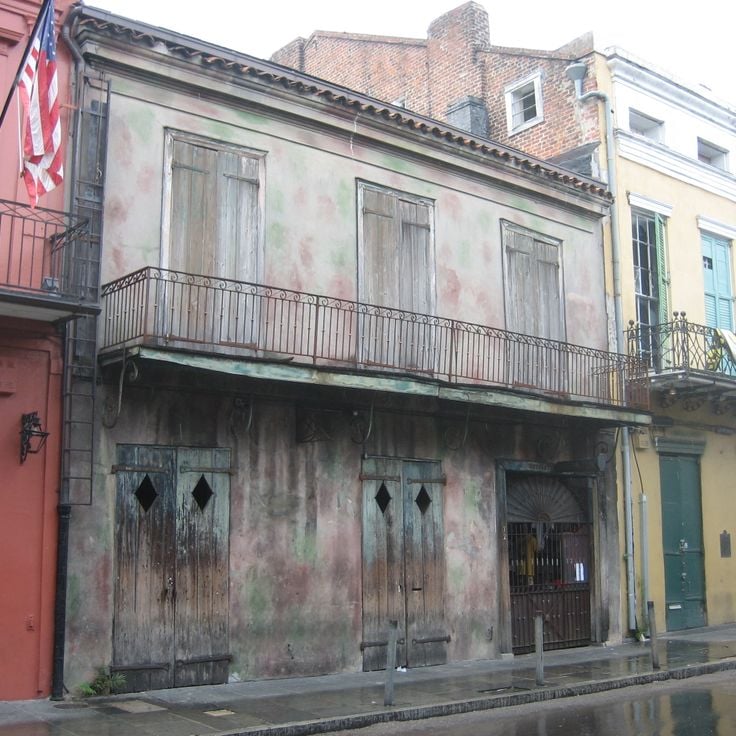
Built in 1826, the Beauregard-Keyles House shows the French colonial design that shaped New Orleans architecture. Inside, you find furniture and objects from the 19th century that tell you how people lived during that time. Walking through the rooms, you see how a wealthy family furnished their home and what daily life looked like in the city's past. The house sits in the Vieux Carré and connects you to the many stories woven into New Orleans history.
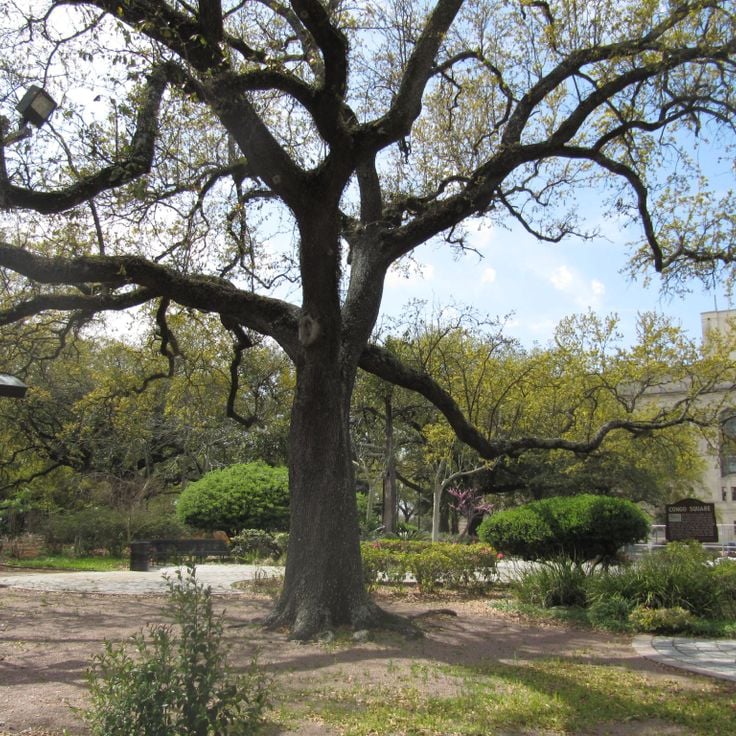
Congo Square was a gathering place in 19th-century New Orleans where enslaved African people came together to practice their traditional music and dances. This space held deep meaning for the African community in the city, allowing them to keep their cultural practices alive. The music and artistic expressions that flourished here became foundational to jazz and other art forms that would define New Orleans. Congo Square stands as a reminder of how communities preserved their identity and shaped the city's cultural character even in the most difficult circumstances.
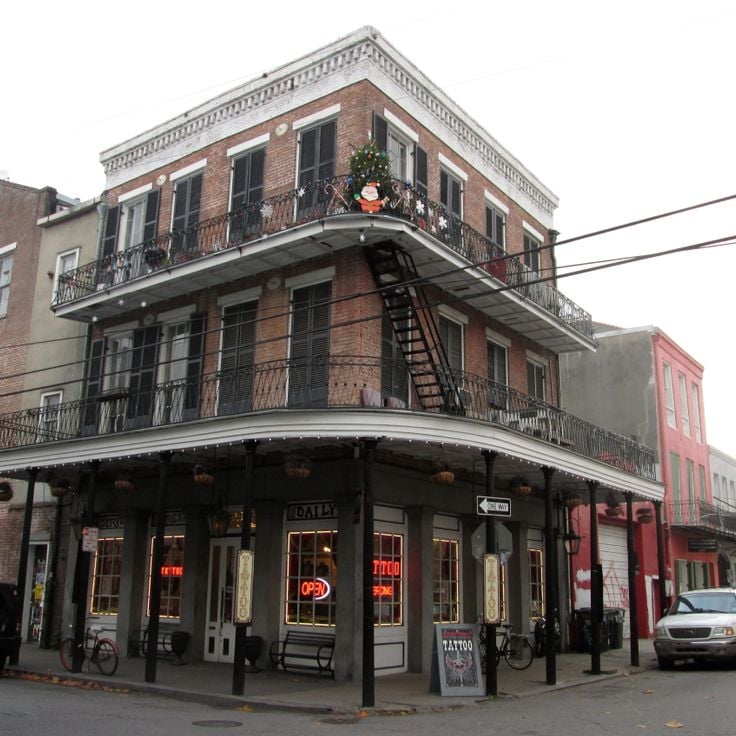
The Petit Théâtre du Vieux Carré is a theater that has been located in a historic building in the French Quarter since 1916. It presents local productions and has been closely tied to the city's artistic development. The theater reflects the creative energy that has shaped New Orleans across generations. Visitors can see how theater and performance are part of the city's cultural identity, much like the music and arts that come alive in the streets.
This museum in the city displays instruments, recordings, and documents that trace the development of jazz from its origins to today. A visit helps you understand how this music form was born in New Orleans and made the city famous around the world. Through the exhibits, you can see how African rhythms, European harmonies, and Creole influences came together to create something entirely new. The museum shows how deeply jazz has shaped the life and identity of New Orleans.
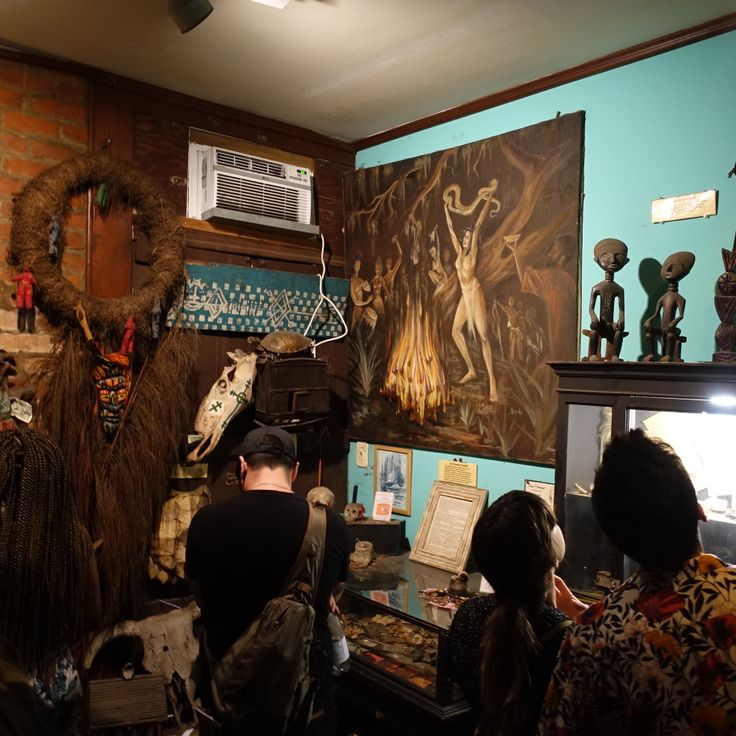
The Historical Voodoo Museum in New Orleans displays the history and practices of Voodoo in Louisiana and the Caribbean. The collection includes artifacts and exhibitions that show how this tradition developed from African roots to modern times. Visitors can learn how Voodoo became part of the city's cultural identity and continues to shape the community.
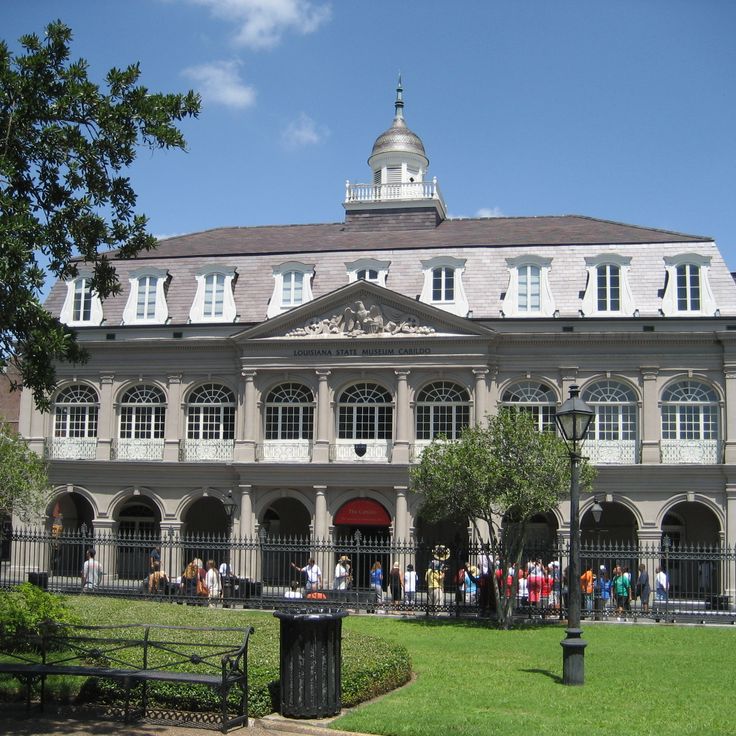
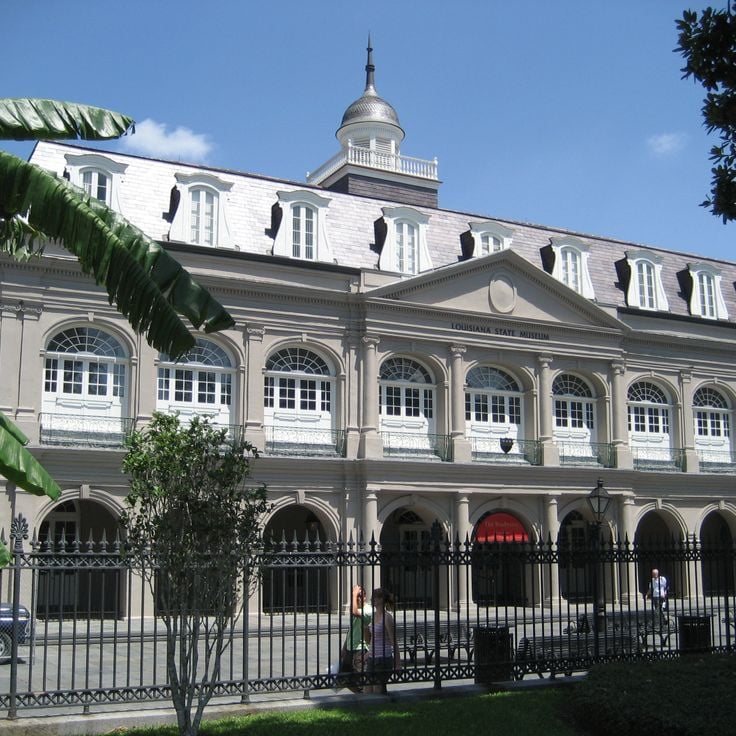
The Cabildo is a Spanish colonial building from the 18th century in New Orleans. The treaties for the Louisiana Purchase were signed here in 1803. The building shows the city's history through its architecture and the events that took place within its walls. Visitors can walk through the rooms where important decisions were made that shaped the future of the region.
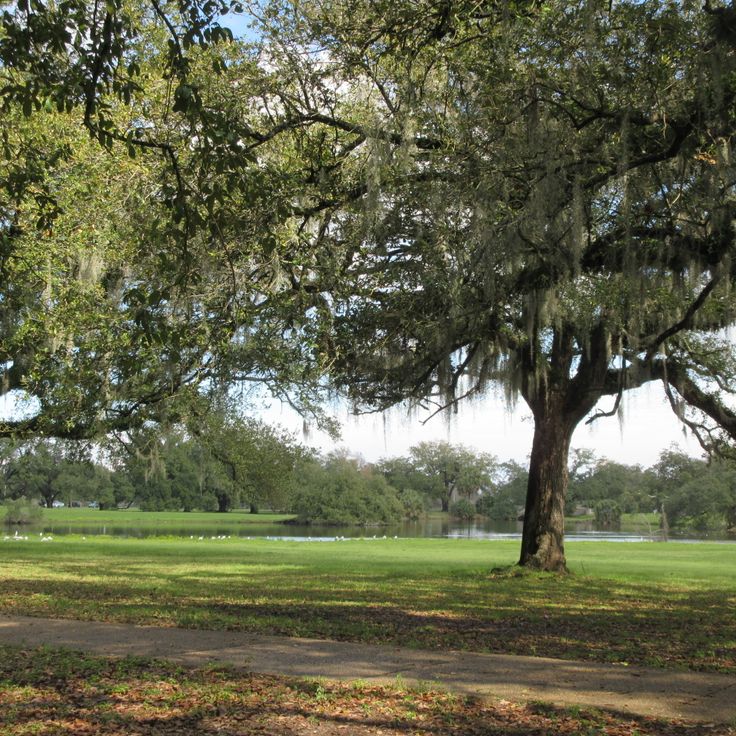
City Park is a large green space in New Orleans that stretches across hundreds of acres near the city center. Visitors find here old oak trees that provide shade and peaceful paths for walking. Several attractions sit within the park: an art museum displaying works from different periods and cultures, a botanical garden featuring plants from around the world, and an amusement park with rides and games. The park serves as a gathering place where locals and tourists spend time outdoors, enjoy nature, or explore art and gardens.
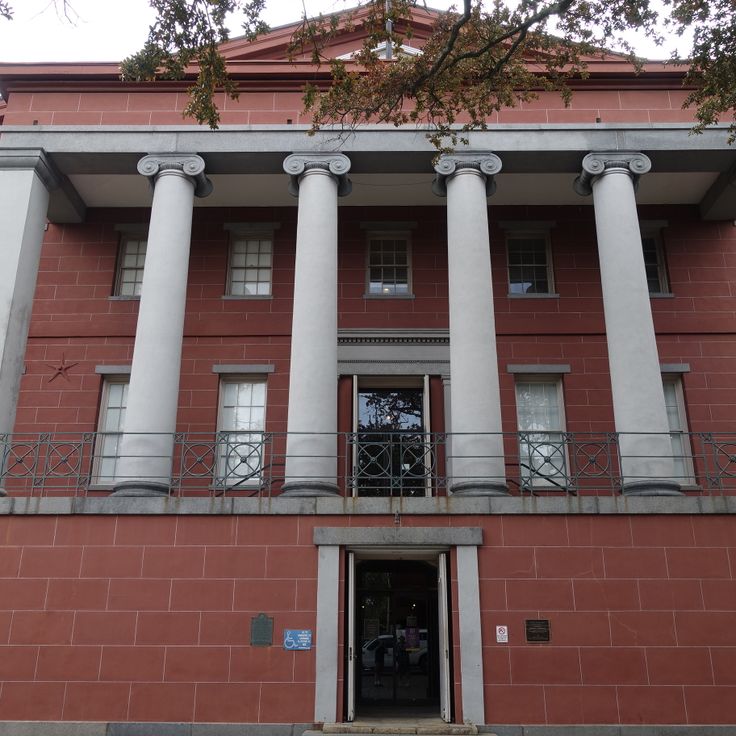
The Presbytère is a museum in the French Quarter that preserves the history of New Orleans Carnival. Its collections feature costumes, masks, and documents spanning several centuries. Visitors can see how Carnival celebrations evolved over time and what role they played in the city's culture. The building itself is part of this story, reflecting the different communities that shaped the festival.
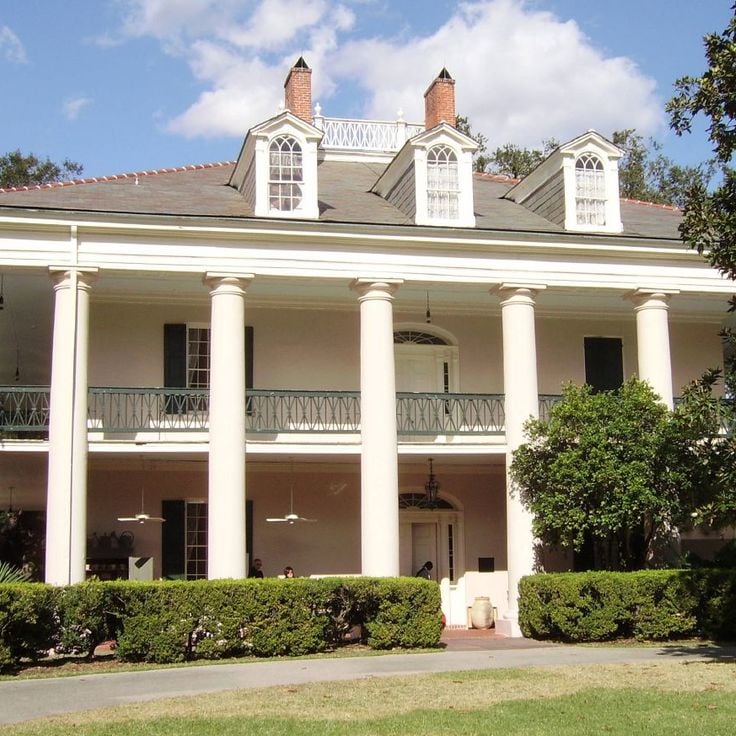
Magnolia Plantation shows how agriculture shaped the region in the 19th century. On this estate you can see cotton fields and pecan groves that reflect the economic life of the area. The place gives you a sense of how people lived and worked here, and connects to New Orleans' history, which was shaped by many different communities and cultures.
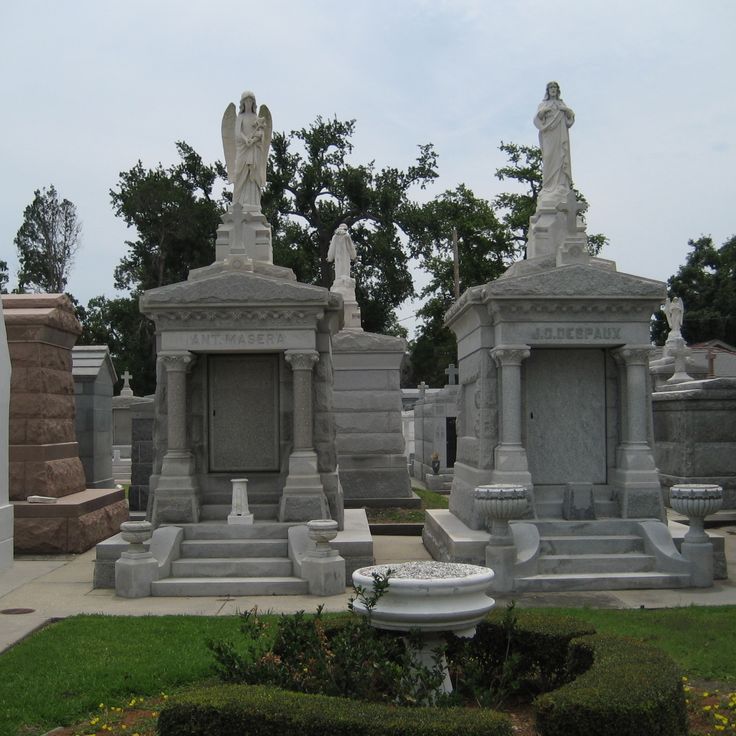
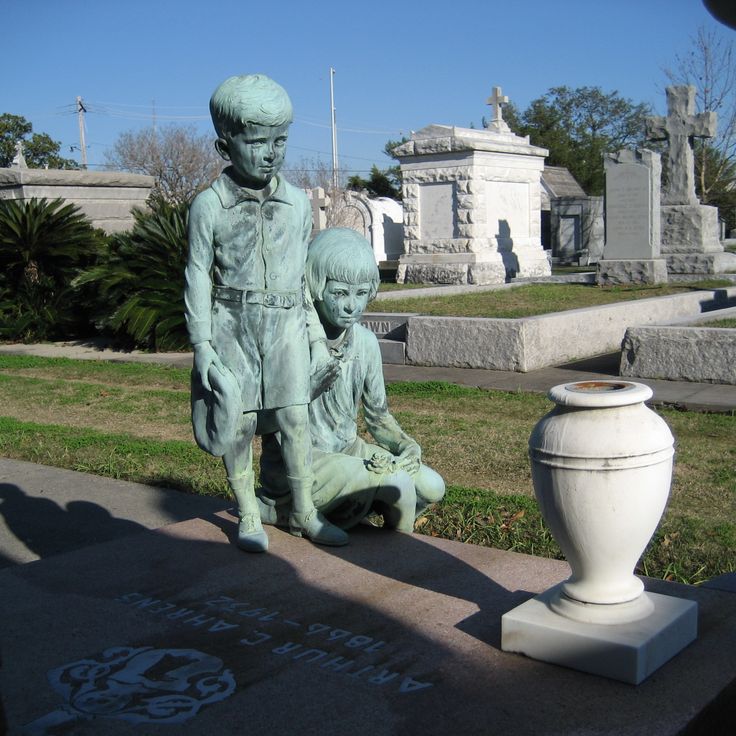
St. Louis Cemetery No. 3 is a burial ground established in 1854 that holds deep connections to New Orleans' past. The graves, crypts, and mausoleums display the Creole style that defines the city. Walking among the rows of tombstones, you see how families honored their dead across generations. The architecture of these burial structures speaks to the people who built New Orleans - from merchants to musicians. The cemetery grounds themselves form an open record of the city's history, with each grave marker holding a story.
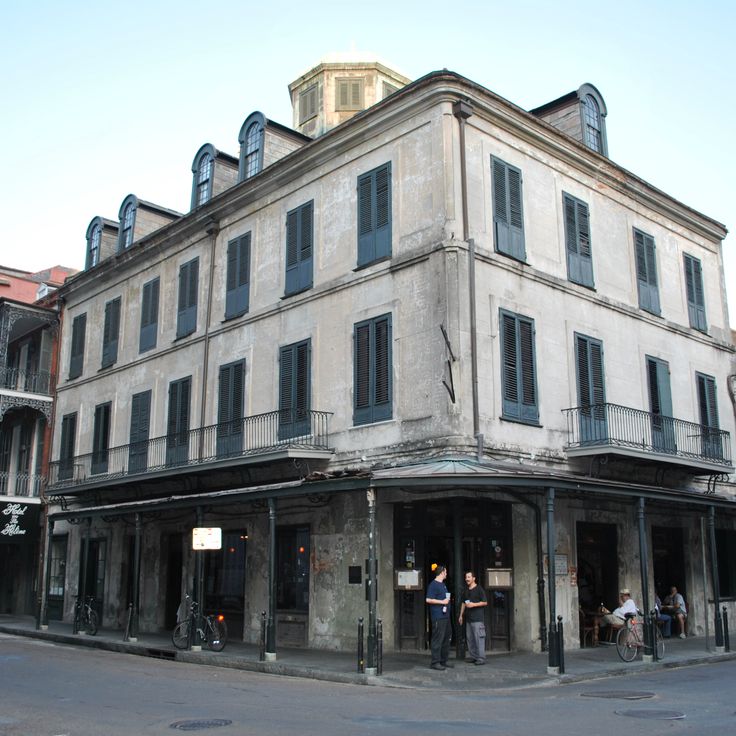
The Napoleon House is a building from 1797 in the heart of New Orleans. In its historic rooms, you can enjoy traditional Creole dishes and local drinks. This house shows how the city preserves its past by creating spaces where history and everyday life come together. The rooms tell stories of different eras and the people who lived here.
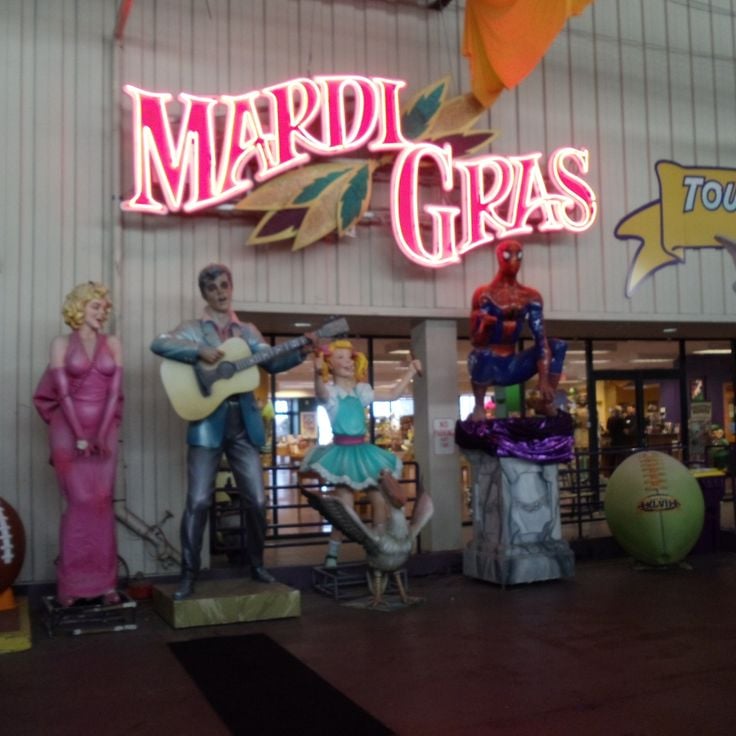
Mardi Gras World is a production facility and museum dedicated to the carnival traditions of New Orleans. Visitors can see the enormous parade floats, costumes, and masks that define the city's most famous celebration. What makes this place special is the chance to watch craftspeople at work throughout the year as they build the floats. It offers a direct look at the artistry and skill behind one of the most important events in the city's calendar.
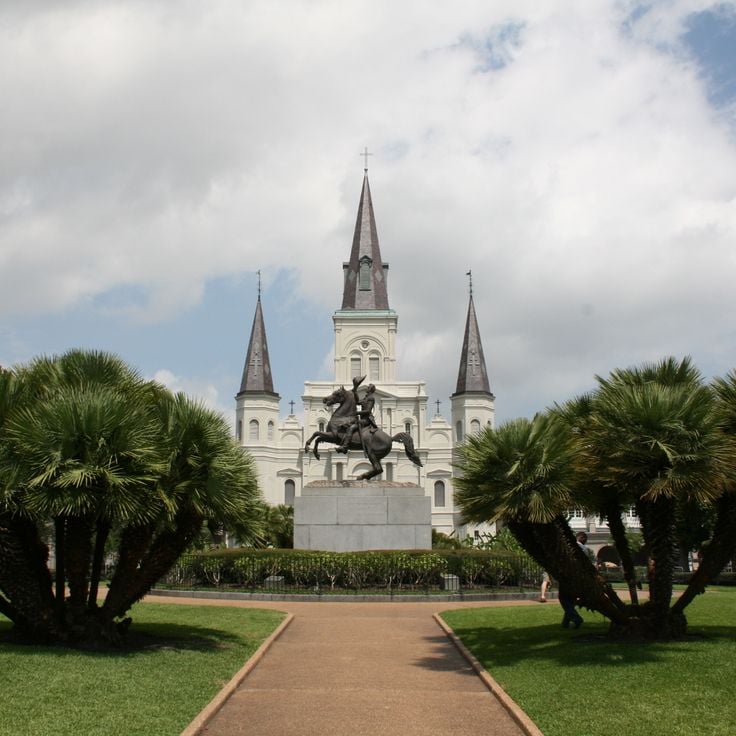
Jackson Square is a historic park in New Orleans where the Louisiana Purchase was finalized in 1803. The square sits at the heart of the French Quarter and is anchored by the impressive St. Louis Cathedral. Around the square are museums, old buildings, and art galleries that reflect the city's history. Visitors can understand how this moment shaped the course of American history and witness how New Orleans grew from that turning point.
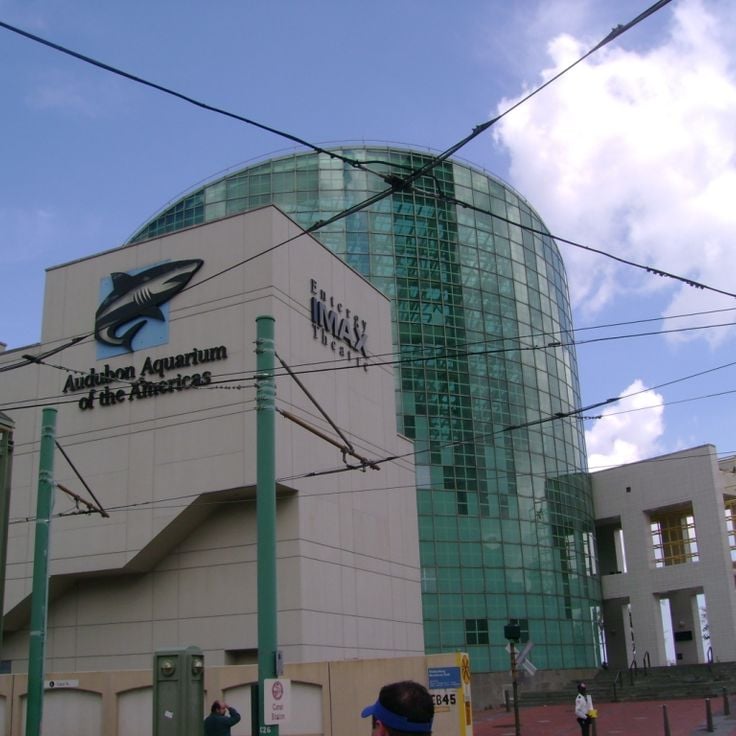
The Audubon Aquarium of the Americas showcases the diversity of sea creatures from North and South America. With thousands of fish, sharks, and other animals, it offers visitors a window into the ecosystems of American waters. The Gulf of Mexico region and the Amazon area are specially highlighted. You can experience the power and beauty of these underwater worlds firsthand and understand why these habitats matter.
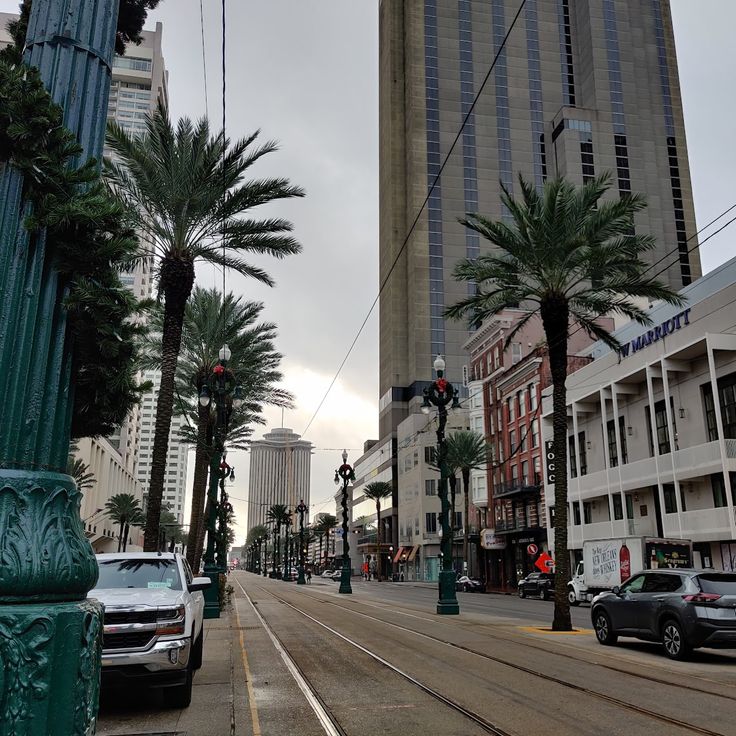
The St. Charles Avenue Streetcar is a classic ride that takes you past historic homes and the architectural heritage of New Orleans. This streetcar connects different parts of the city and shows how the city developed over generations. The ride itself is part of the city's story - old cars run on tracks that have been in use for decades. As you pass by, you see the houses, trees, and streets that shape this distinctive city.
Rue Frenchmen is a street in New Orleans where live music fills the air every night. Jazz, blues, and reggae pour out from clubs and spill onto the sidewalks. The street shows how music is woven into the everyday life of the city and how communities gather to share their musical traditions. Walking here, you hear different styles and see how musicians and audiences keep these sounds alive, making it clear why music matters so much to this place.
Preservation Hall is a place devoted to keeping traditional jazz alive. Visitors can hear live music that shows the roots of jazz as it developed in New Orleans. The musicians play the styles that came from this city before jazz became known around the world. The building is simple and not fancy, but that is part of what makes it real. You sit close to the musicians and experience how this music actually sounds when played the way it was meant to be.
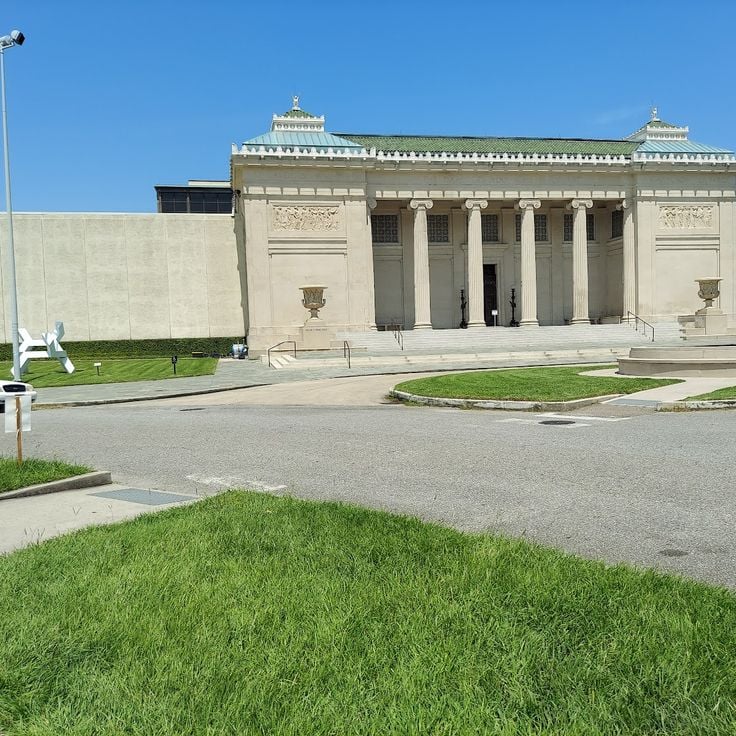
The New Orleans Museum of Art holds works spanning many periods of art history. The collection ranges from paintings and sculptures of the Renaissance to contemporary pieces. Visitors can explore how artistic styles have changed across centuries. The museum also preserves works that reflect the region's history and culture, including pieces by local artists who express the city's cultural diversity.
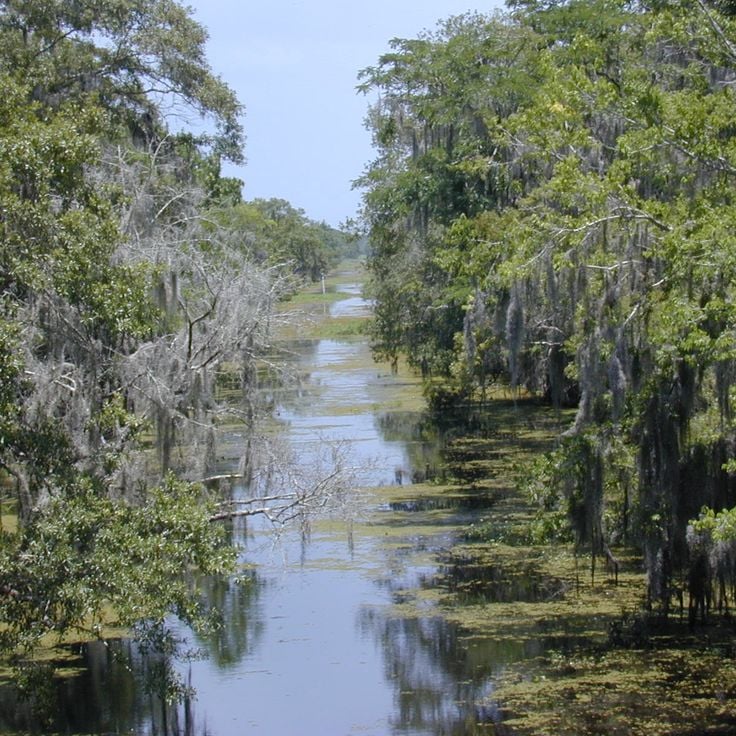
The Jean Lafitte Historic Park and National Reserve protects the natural and cultural history of the Mississippi Delta region. This place shows how nature and people live together in this distinctive landscape. You can walk through the wetlands, see old buildings from past times, and learn about the cultures that made their home here. The park tells the story of African, Creole, and French influences that shaped this region. Visitors discover how Delta communities built their world with water, plants, and animals.
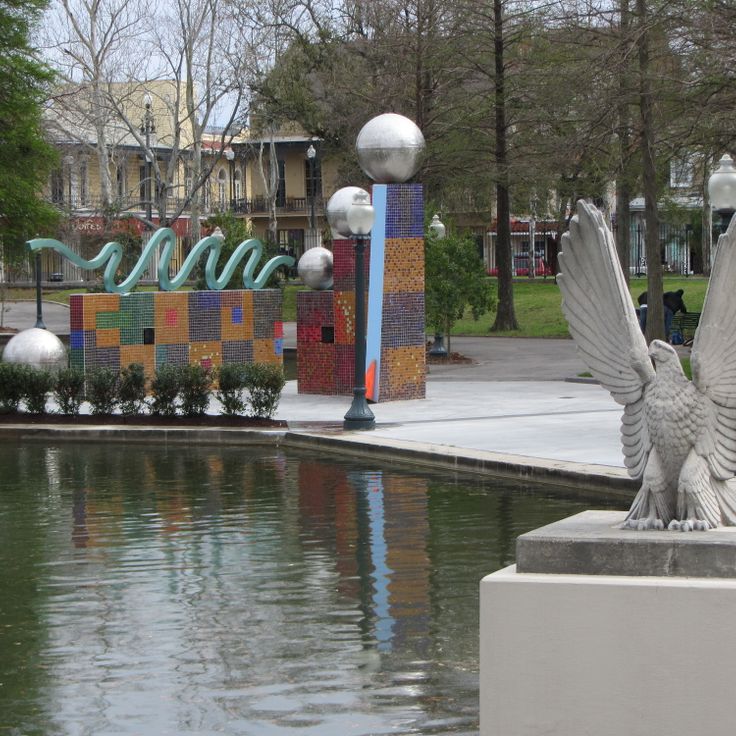
Louis Armstrong Park sits where jazz and history meet. This park was named after the legendary jazz musician and invites you to discover the connection between music and public space. Here you will find sculptures that commemorate important moments and an amphitheater where performances take place. The park shows how the city honors and preserves its musical roots. As you walk through the paths, you feel the significance of Louis Armstrong to New Orleans and its music.
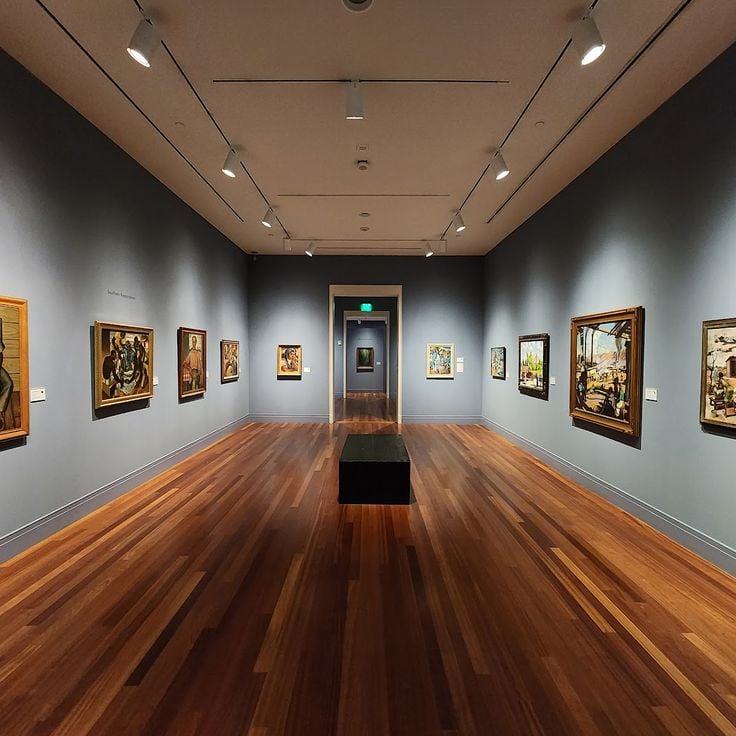
The Ogden Museum of Southern Art in this city displays artwork from the American South. It focuses on visual culture and shows how artists have expressed the history and life of this region. The museum preserves paintings, sculptures, and other artistic works that offer insight into the development of Southern artistic tradition. Visitors can see here how the artistic voice of the South has evolved across generations.
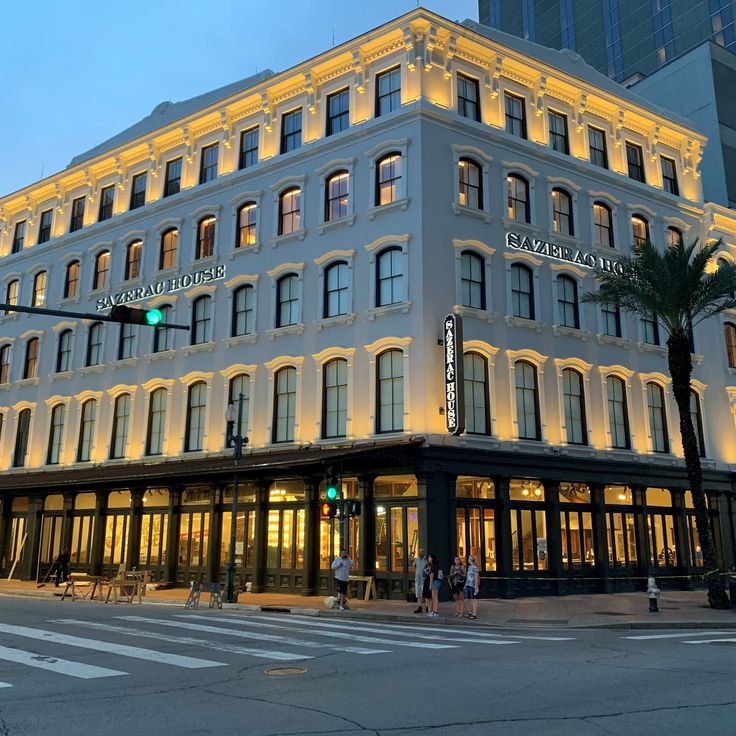
This house tells the story of cocktails that shaped the city. Here you can explore how these drinks came to life and what role they played in New Orleans culture. The exhibits show the people who created them and the places where they were enjoyed. You learn how cocktails connected to the city's music, celebrations, and everyday life.
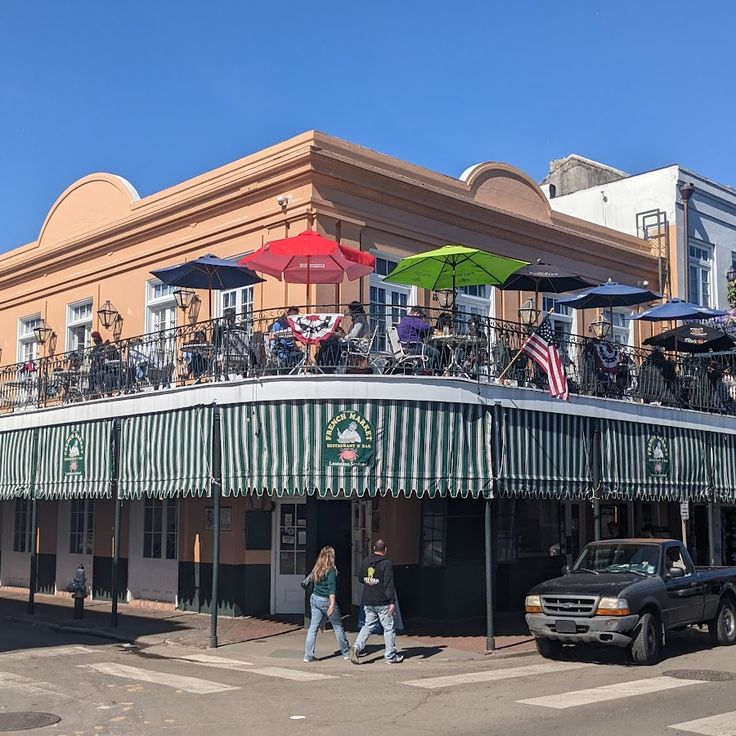
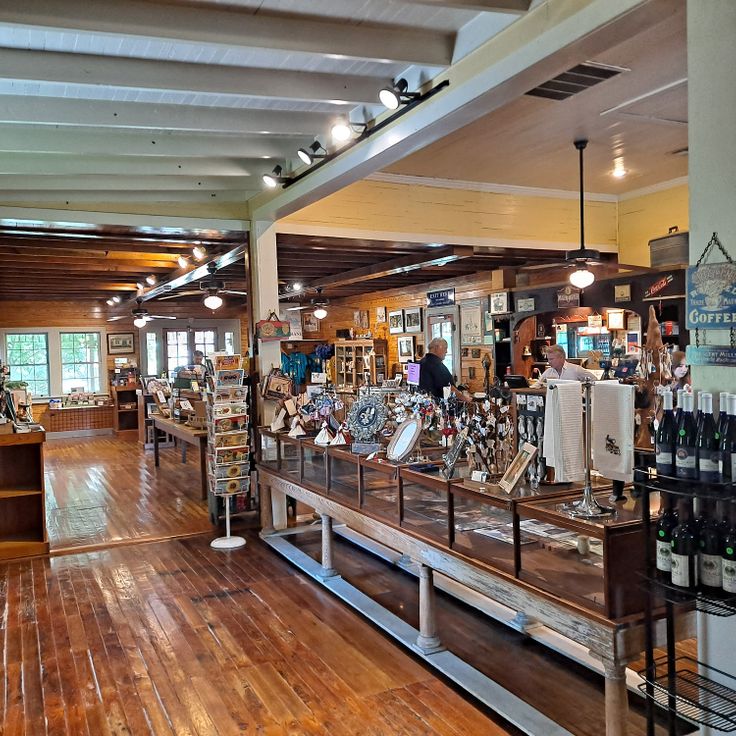
The Boutiques de la Colonnade are part of the French Market of New Orleans and reflect the long history of trade and daily life in this city. This historic market shows how people have exchanged food, handcrafted goods, and local products here for many generations. The stalls and shops tell of the different communities that shaped this place - from French settlers to the many groups who came later. When you walk through the colonnade, you can still see today how this market remains the heart of the Vieux Carre, where people gather to trade and keep their city's traditions alive.
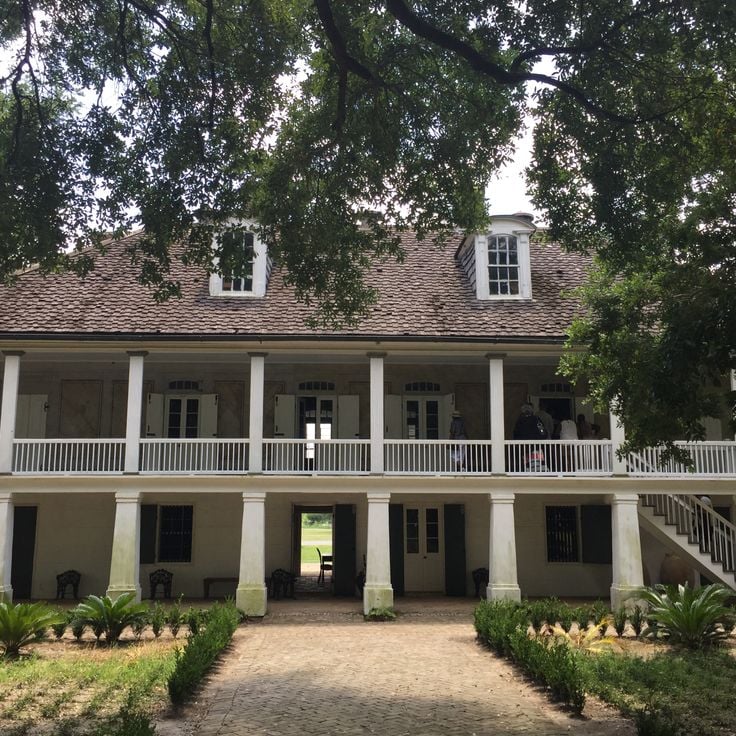
The Whitney Plantation is a historical site in the New Orleans region that explores the history of slavery through preserved buildings and memorials. Walking through the grounds, visitors encounter spaces that honor the lives and experiences of those who were enslaved there. The site helps people understand how slavery shaped the region and city. The Whitney Plantation offers a direct way to learn about this difficult chapter of American history.
Laura Plantation shows the life of a Creole family through guided tours in the original buildings. This place is part of New Orleans history, where many different cultures left their mark. The plantation tells the story of people who came from everywhere and shaped the city, from African culture to Irish traditions. Visitors can learn how Creoles lived in Louisiana and how their homes and stories remain preserved today.
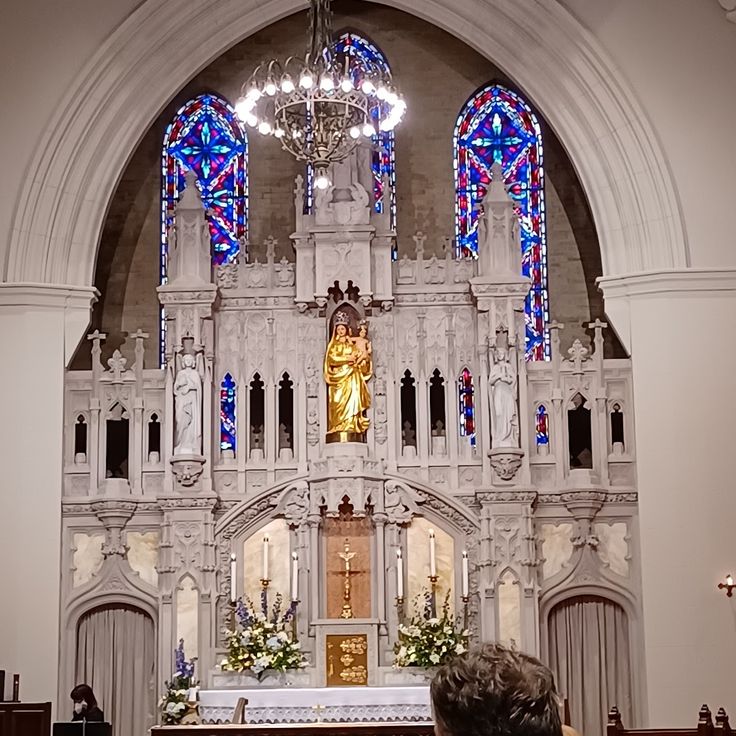
The National Sanctuary of Notre-Dame du Prompt Secours in New Orleans is a Catholic sanctuary connected to the prayers of people during battles and disasters. This sanctuary shows how the city's faithful sought protection and hope in difficult times. The building's architecture reflects the religious devotion that has lived in this city across generations. Visitors can understand the role that faith has played in New Orleans' history.
Metairie Cemetery tells the story of New Orleans through its elaborate tombs and statues. People from many communities rest here: Irish, African, Creole, and others. The tombs speak of the different religions and cultures that shaped the city. Walking through the rows of graves, you see how rich and diverse life in this city has been. Each tomb is different and shows what mattered to the people buried there.
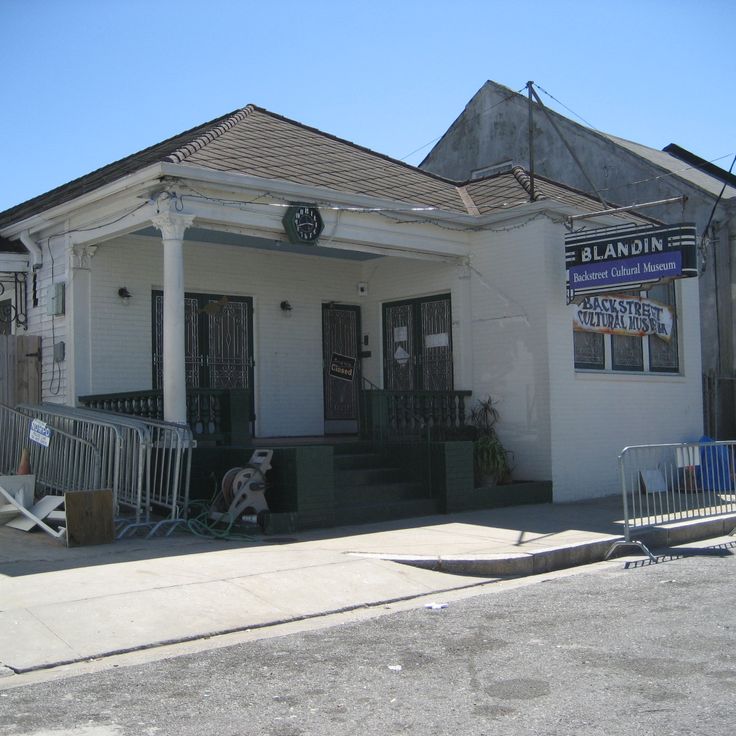
The Backstreet Cultural Museum displays the living culture of the communities that shape New Orleans festivals. The museum documents the traditions of Creoles, African Americans, and other groups whose celebrations and art have defined the city. Visitors can see original costumes, masks, and objects worn during the famous parades and celebrations. The museum tells the stories of people who passed down their culture and how these festivals became an important part of New Orleans' identity.
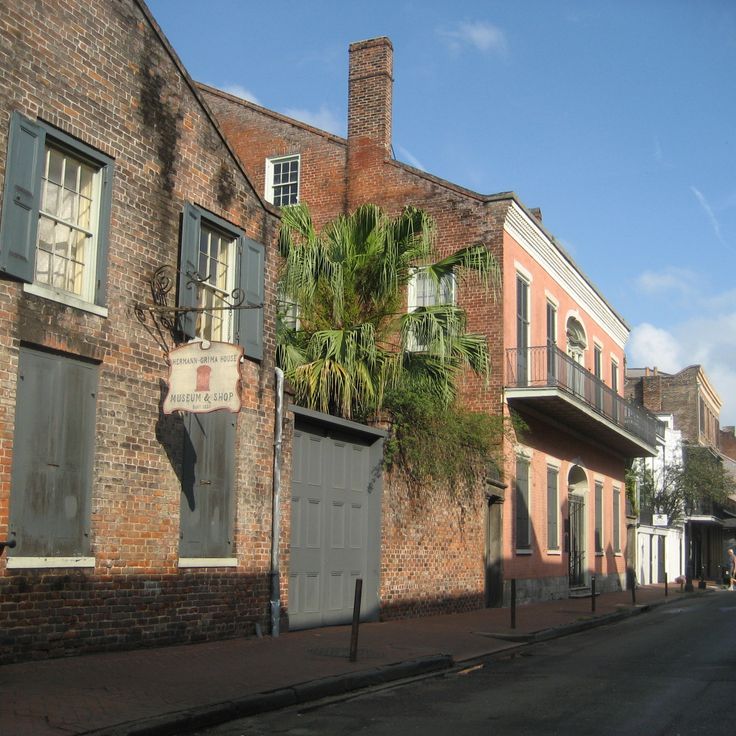
The Hermann-Grima House shows how people lived in New Orleans during the 1800s. This carefully restored home opens a window into daily life from the past. As you walk through the rooms, you see how families arranged their homes and what they used in their everyday routines. The kitchen reveals how meals were prepared, bedrooms show where people rested, and parlors display how residents entertained and spent time together. Furnishings and objects throughout the house tell the story of the people who called this place home and the way they lived their lives.
Gallier House is a Victorian residence that shows how wealthy families lived in New Orleans during the 19th century. Its architecture reflects building styles that combined European and American influences. The interior spaces preserve furniture, decoration, and everyday objects from that era. Visitors can see how this family used their rooms and what value they placed on craftsmanship and design.
This Roman Catholic church from the 19th century shows a mix of Irish and American architecture. The stained glass windows are original to the building. Saint-Patrick tells the story of the Irish community that settled in New Orleans and shaped the city through its structure and decoration.
Built in 1826, the Beauregard-Keyles House shows the French colonial design that shaped New Orleans architecture. Inside, you find furniture and objects from the 19th century that tell you how people lived during that time. Walking through the rooms, you see how a wealthy family furnished their home and what daily life looked like in the city's past. The house sits in the Vieux Carré and connects you to the many stories woven into New Orleans history.
Congo Square was a gathering place in 19th-century New Orleans where enslaved African people came together to practice their traditional music and dances. This space held deep meaning for the African community in the city, allowing them to keep their cultural practices alive. The music and artistic expressions that flourished here became foundational to jazz and other art forms that would define New Orleans. Congo Square stands as a reminder of how communities preserved their identity and shaped the city's cultural character even in the most difficult circumstances.
The Petit Théâtre du Vieux Carré is a theater that has been located in a historic building in the French Quarter since 1916. It presents local productions and has been closely tied to the city's artistic development. The theater reflects the creative energy that has shaped New Orleans across generations. Visitors can see how theater and performance are part of the city's cultural identity, much like the music and arts that come alive in the streets.
This museum in the city displays instruments, recordings, and documents that trace the development of jazz from its origins to today. A visit helps you understand how this music form was born in New Orleans and made the city famous around the world. Through the exhibits, you can see how African rhythms, European harmonies, and Creole influences came together to create something entirely new. The museum shows how deeply jazz has shaped the life and identity of New Orleans.
The Historical Voodoo Museum in New Orleans displays the history and practices of Voodoo in Louisiana and the Caribbean. The collection includes artifacts and exhibitions that show how this tradition developed from African roots to modern times. Visitors can learn how Voodoo became part of the city's cultural identity and continues to shape the community.
The Cabildo is a Spanish colonial building from the 18th century in New Orleans. The treaties for the Louisiana Purchase were signed here in 1803. The building shows the city's history through its architecture and the events that took place within its walls. Visitors can walk through the rooms where important decisions were made that shaped the future of the region.
City Park is a large green space in New Orleans that stretches across hundreds of acres near the city center. Visitors find here old oak trees that provide shade and peaceful paths for walking. Several attractions sit within the park: an art museum displaying works from different periods and cultures, a botanical garden featuring plants from around the world, and an amusement park with rides and games. The park serves as a gathering place where locals and tourists spend time outdoors, enjoy nature, or explore art and gardens.
The Presbytère is a museum in the French Quarter that preserves the history of New Orleans Carnival. Its collections feature costumes, masks, and documents spanning several centuries. Visitors can see how Carnival celebrations evolved over time and what role they played in the city's culture. The building itself is part of this story, reflecting the different communities that shaped the festival.
Magnolia Plantation shows how agriculture shaped the region in the 19th century. On this estate you can see cotton fields and pecan groves that reflect the economic life of the area. The place gives you a sense of how people lived and worked here, and connects to New Orleans' history, which was shaped by many different communities and cultures.
St. Louis Cemetery No. 3 is a burial ground established in 1854 that holds deep connections to New Orleans' past. The graves, crypts, and mausoleums display the Creole style that defines the city. Walking among the rows of tombstones, you see how families honored their dead across generations. The architecture of these burial structures speaks to the people who built New Orleans - from merchants to musicians. The cemetery grounds themselves form an open record of the city's history, with each grave marker holding a story.
The Napoleon House is a building from 1797 in the heart of New Orleans. In its historic rooms, you can enjoy traditional Creole dishes and local drinks. This house shows how the city preserves its past by creating spaces where history and everyday life come together. The rooms tell stories of different eras and the people who lived here.
Mardi Gras World is a production facility and museum dedicated to the carnival traditions of New Orleans. Visitors can see the enormous parade floats, costumes, and masks that define the city's most famous celebration. What makes this place special is the chance to watch craftspeople at work throughout the year as they build the floats. It offers a direct look at the artistry and skill behind one of the most important events in the city's calendar.
Jackson Square is a historic park in New Orleans where the Louisiana Purchase was finalized in 1803. The square sits at the heart of the French Quarter and is anchored by the impressive St. Louis Cathedral. Around the square are museums, old buildings, and art galleries that reflect the city's history. Visitors can understand how this moment shaped the course of American history and witness how New Orleans grew from that turning point.
The Audubon Aquarium of the Americas showcases the diversity of sea creatures from North and South America. With thousands of fish, sharks, and other animals, it offers visitors a window into the ecosystems of American waters. The Gulf of Mexico region and the Amazon area are specially highlighted. You can experience the power and beauty of these underwater worlds firsthand and understand why these habitats matter.
The St. Charles Avenue Streetcar is a classic ride that takes you past historic homes and the architectural heritage of New Orleans. This streetcar connects different parts of the city and shows how the city developed over generations. The ride itself is part of the city's story - old cars run on tracks that have been in use for decades. As you pass by, you see the houses, trees, and streets that shape this distinctive city.
Rue Frenchmen is a street in New Orleans where live music fills the air every night. Jazz, blues, and reggae pour out from clubs and spill onto the sidewalks. The street shows how music is woven into the everyday life of the city and how communities gather to share their musical traditions. Walking here, you hear different styles and see how musicians and audiences keep these sounds alive, making it clear why music matters so much to this place.
Preservation Hall is a place devoted to keeping traditional jazz alive. Visitors can hear live music that shows the roots of jazz as it developed in New Orleans. The musicians play the styles that came from this city before jazz became known around the world. The building is simple and not fancy, but that is part of what makes it real. You sit close to the musicians and experience how this music actually sounds when played the way it was meant to be.
The New Orleans Museum of Art holds works spanning many periods of art history. The collection ranges from paintings and sculptures of the Renaissance to contemporary pieces. Visitors can explore how artistic styles have changed across centuries. The museum also preserves works that reflect the region's history and culture, including pieces by local artists who express the city's cultural diversity.
The Jean Lafitte Historic Park and National Reserve protects the natural and cultural history of the Mississippi Delta region. This place shows how nature and people live together in this distinctive landscape. You can walk through the wetlands, see old buildings from past times, and learn about the cultures that made their home here. The park tells the story of African, Creole, and French influences that shaped this region. Visitors discover how Delta communities built their world with water, plants, and animals.
Louis Armstrong Park sits where jazz and history meet. This park was named after the legendary jazz musician and invites you to discover the connection between music and public space. Here you will find sculptures that commemorate important moments and an amphitheater where performances take place. The park shows how the city honors and preserves its musical roots. As you walk through the paths, you feel the significance of Louis Armstrong to New Orleans and its music.
The Ogden Museum of Southern Art in this city displays artwork from the American South. It focuses on visual culture and shows how artists have expressed the history and life of this region. The museum preserves paintings, sculptures, and other artistic works that offer insight into the development of Southern artistic tradition. Visitors can see here how the artistic voice of the South has evolved across generations.
This house tells the story of cocktails that shaped the city. Here you can explore how these drinks came to life and what role they played in New Orleans culture. The exhibits show the people who created them and the places where they were enjoyed. You learn how cocktails connected to the city's music, celebrations, and everyday life.
The Boutiques de la Colonnade are part of the French Market of New Orleans and reflect the long history of trade and daily life in this city. This historic market shows how people have exchanged food, handcrafted goods, and local products here for many generations. The stalls and shops tell of the different communities that shaped this place - from French settlers to the many groups who came later. When you walk through the colonnade, you can still see today how this market remains the heart of the Vieux Carre, where people gather to trade and keep their city's traditions alive.
The Whitney Plantation is a historical site in the New Orleans region that explores the history of slavery through preserved buildings and memorials. Walking through the grounds, visitors encounter spaces that honor the lives and experiences of those who were enslaved there. The site helps people understand how slavery shaped the region and city. The Whitney Plantation offers a direct way to learn about this difficult chapter of American history.
Laura Plantation shows the life of a Creole family through guided tours in the original buildings. This place is part of New Orleans history, where many different cultures left their mark. The plantation tells the story of people who came from everywhere and shaped the city, from African culture to Irish traditions. Visitors can learn how Creoles lived in Louisiana and how their homes and stories remain preserved today.
The National Sanctuary of Notre-Dame du Prompt Secours in New Orleans is a Catholic sanctuary connected to the prayers of people during battles and disasters. This sanctuary shows how the city's faithful sought protection and hope in difficult times. The building's architecture reflects the religious devotion that has lived in this city across generations. Visitors can understand the role that faith has played in New Orleans' history.
Metairie Cemetery tells the story of New Orleans through its elaborate tombs and statues. People from many communities rest here: Irish, African, Creole, and others. The tombs speak of the different religions and cultures that shaped the city. Walking through the rows of graves, you see how rich and diverse life in this city has been. Each tomb is different and shows what mattered to the people buried there.
The Backstreet Cultural Museum displays the living culture of the communities that shape New Orleans festivals. The museum documents the traditions of Creoles, African Americans, and other groups whose celebrations and art have defined the city. Visitors can see original costumes, masks, and objects worn during the famous parades and celebrations. The museum tells the stories of people who passed down their culture and how these festivals became an important part of New Orleans' identity.
The Hermann-Grima House shows how people lived in New Orleans during the 1800s. This carefully restored home opens a window into daily life from the past. As you walk through the rooms, you see how families arranged their homes and what they used in their everyday routines. The kitchen reveals how meals were prepared, bedrooms show where people rested, and parlors display how residents entertained and spent time together. Furnishings and objects throughout the house tell the story of the people who called this place home and the way they lived their lives.
Gallier House is a Victorian residence that shows how wealthy families lived in New Orleans during the 19th century. Its architecture reflects building styles that combined European and American influences. The interior spaces preserve furniture, decoration, and everyday objects from that era. Visitors can see how this family used their rooms and what value they placed on craftsmanship and design.
This Roman Catholic church from the 19th century shows a mix of Irish and American architecture. The stained glass windows are original to the building. Saint-Patrick tells the story of the Irish community that settled in New Orleans and shaped the city through its structure and decoration.
Built in 1826, the Beauregard-Keyles House shows the French colonial design that shaped New Orleans architecture. Inside, you find furniture and objects from the 19th century that tell you how people lived during that time. Walking through the rooms, you see how a wealthy family furnished their home and what daily life looked like in the city's past. The house sits in the Vieux Carré and connects you to the many stories woven into New Orleans history.
Congo Square was a gathering place in 19th-century New Orleans where enslaved African people came together to practice their traditional music and dances. This space held deep meaning for the African community in the city, allowing them to keep their cultural practices alive. The music and artistic expressions that flourished here became foundational to jazz and other art forms that would define New Orleans. Congo Square stands as a reminder of how communities preserved their identity and shaped the city's cultural character even in the most difficult circumstances.
The Petit Théâtre du Vieux Carré is a theater that has been located in a historic building in the French Quarter since 1916. It presents local productions and has been closely tied to the city's artistic development. The theater reflects the creative energy that has shaped New Orleans across generations. Visitors can see how theater and performance are part of the city's cultural identity, much like the music and arts that come alive in the streets.
This museum in the city displays instruments, recordings, and documents that trace the development of jazz from its origins to today. A visit helps you understand how this music form was born in New Orleans and made the city famous around the world. Through the exhibits, you can see how African rhythms, European harmonies, and Creole influences came together to create something entirely new. The museum shows how deeply jazz has shaped the life and identity of New Orleans.
The Historical Voodoo Museum in New Orleans displays the history and practices of Voodoo in Louisiana and the Caribbean. The collection includes artifacts and exhibitions that show how this tradition developed from African roots to modern times. Visitors can learn how Voodoo became part of the city's cultural identity and continues to shape the community.
The Cabildo is a Spanish colonial building from the 18th century in New Orleans. The treaties for the Louisiana Purchase were signed here in 1803. The building shows the city's history through its architecture and the events that took place within its walls. Visitors can walk through the rooms where important decisions were made that shaped the future of the region.
City Park is a large green space in New Orleans that stretches across hundreds of acres near the city center. Visitors find here old oak trees that provide shade and peaceful paths for walking. Several attractions sit within the park: an art museum displaying works from different periods and cultures, a botanical garden featuring plants from around the world, and an amusement park with rides and games. The park serves as a gathering place where locals and tourists spend time outdoors, enjoy nature, or explore art and gardens.
The Presbytère is a museum in the French Quarter that preserves the history of New Orleans Carnival. Its collections feature costumes, masks, and documents spanning several centuries. Visitors can see how Carnival celebrations evolved over time and what role they played in the city's culture. The building itself is part of this story, reflecting the different communities that shaped the festival.
Magnolia Plantation shows how agriculture shaped the region in the 19th century. On this estate you can see cotton fields and pecan groves that reflect the economic life of the area. The place gives you a sense of how people lived and worked here, and connects to New Orleans' history, which was shaped by many different communities and cultures.
St. Louis Cemetery No. 3 is a burial ground established in 1854 that holds deep connections to New Orleans' past. The graves, crypts, and mausoleums display the Creole style that defines the city. Walking among the rows of tombstones, you see how families honored their dead across generations. The architecture of these burial structures speaks to the people who built New Orleans - from merchants to musicians. The cemetery grounds themselves form an open record of the city's history, with each grave marker holding a story.
The Napoleon House is a building from 1797 in the heart of New Orleans. In its historic rooms, you can enjoy traditional Creole dishes and local drinks. This house shows how the city preserves its past by creating spaces where history and everyday life come together. The rooms tell stories of different eras and the people who lived here.
Mardi Gras World is a production facility and museum dedicated to the carnival traditions of New Orleans. Visitors can see the enormous parade floats, costumes, and masks that define the city's most famous celebration. What makes this place special is the chance to watch craftspeople at work throughout the year as they build the floats. It offers a direct look at the artistry and skill behind one of the most important events in the city's calendar.
Jackson Square is a historic park in New Orleans where the Louisiana Purchase was finalized in 1803. The square sits at the heart of the French Quarter and is anchored by the impressive St. Louis Cathedral. Around the square are museums, old buildings, and art galleries that reflect the city's history. Visitors can understand how this moment shaped the course of American history and witness how New Orleans grew from that turning point.
The Audubon Aquarium of the Americas showcases the diversity of sea creatures from North and South America. With thousands of fish, sharks, and other animals, it offers visitors a window into the ecosystems of American waters. The Gulf of Mexico region and the Amazon area are specially highlighted. You can experience the power and beauty of these underwater worlds firsthand and understand why these habitats matter.
The St. Charles Avenue Streetcar is a classic ride that takes you past historic homes and the architectural heritage of New Orleans. This streetcar connects different parts of the city and shows how the city developed over generations. The ride itself is part of the city's story - old cars run on tracks that have been in use for decades. As you pass by, you see the houses, trees, and streets that shape this distinctive city.
Rue Frenchmen is a street in New Orleans where live music fills the air every night. Jazz, blues, and reggae pour out from clubs and spill onto the sidewalks. The street shows how music is woven into the everyday life of the city and how communities gather to share their musical traditions. Walking here, you hear different styles and see how musicians and audiences keep these sounds alive, making it clear why music matters so much to this place.
Preservation Hall is a place devoted to keeping traditional jazz alive. Visitors can hear live music that shows the roots of jazz as it developed in New Orleans. The musicians play the styles that came from this city before jazz became known around the world. The building is simple and not fancy, but that is part of what makes it real. You sit close to the musicians and experience how this music actually sounds when played the way it was meant to be.
The New Orleans Museum of Art holds works spanning many periods of art history. The collection ranges from paintings and sculptures of the Renaissance to contemporary pieces. Visitors can explore how artistic styles have changed across centuries. The museum also preserves works that reflect the region's history and culture, including pieces by local artists who express the city's cultural diversity.
The Jean Lafitte Historic Park and National Reserve protects the natural and cultural history of the Mississippi Delta region. This place shows how nature and people live together in this distinctive landscape. You can walk through the wetlands, see old buildings from past times, and learn about the cultures that made their home here. The park tells the story of African, Creole, and French influences that shaped this region. Visitors discover how Delta communities built their world with water, plants, and animals.
Louis Armstrong Park sits where jazz and history meet. This park was named after the legendary jazz musician and invites you to discover the connection between music and public space. Here you will find sculptures that commemorate important moments and an amphitheater where performances take place. The park shows how the city honors and preserves its musical roots. As you walk through the paths, you feel the significance of Louis Armstrong to New Orleans and its music.
The Ogden Museum of Southern Art in this city displays artwork from the American South. It focuses on visual culture and shows how artists have expressed the history and life of this region. The museum preserves paintings, sculptures, and other artistic works that offer insight into the development of Southern artistic tradition. Visitors can see here how the artistic voice of the South has evolved across generations.
This house tells the story of cocktails that shaped the city. Here you can explore how these drinks came to life and what role they played in New Orleans culture. The exhibits show the people who created them and the places where they were enjoyed. You learn how cocktails connected to the city's music, celebrations, and everyday life.
The Boutiques de la Colonnade are part of the French Market of New Orleans and reflect the long history of trade and daily life in this city. This historic market shows how people have exchanged food, handcrafted goods, and local products here for many generations. The stalls and shops tell of the different communities that shaped this place - from French settlers to the many groups who came later. When you walk through the colonnade, you can still see today how this market remains the heart of the Vieux Carre, where people gather to trade and keep their city's traditions alive.
The Whitney Plantation is a historical site in the New Orleans region that explores the history of slavery through preserved buildings and memorials. Walking through the grounds, visitors encounter spaces that honor the lives and experiences of those who were enslaved there. The site helps people understand how slavery shaped the region and city. The Whitney Plantation offers a direct way to learn about this difficult chapter of American history.
Laura Plantation shows the life of a Creole family through guided tours in the original buildings. This place is part of New Orleans history, where many different cultures left their mark. The plantation tells the story of people who came from everywhere and shaped the city, from African culture to Irish traditions. Visitors can learn how Creoles lived in Louisiana and how their homes and stories remain preserved today.
The National Sanctuary of Notre-Dame du Prompt Secours in New Orleans is a Catholic sanctuary connected to the prayers of people during battles and disasters. This sanctuary shows how the city's faithful sought protection and hope in difficult times. The building's architecture reflects the religious devotion that has lived in this city across generations. Visitors can understand the role that faith has played in New Orleans' history.
Metairie Cemetery tells the story of New Orleans through its elaborate tombs and statues. People from many communities rest here: Irish, African, Creole, and others. The tombs speak of the different religions and cultures that shaped the city. Walking through the rows of graves, you see how rich and diverse life in this city has been. Each tomb is different and shows what mattered to the people buried there.
The Backstreet Cultural Museum displays the living culture of the communities that shape New Orleans festivals. The museum documents the traditions of Creoles, African Americans, and other groups whose celebrations and art have defined the city. Visitors can see original costumes, masks, and objects worn during the famous parades and celebrations. The museum tells the stories of people who passed down their culture and how these festivals became an important part of New Orleans' identity.
The Hermann-Grima House shows how people lived in New Orleans during the 1800s. This carefully restored home opens a window into daily life from the past. As you walk through the rooms, you see how families arranged their homes and what they used in their everyday routines. The kitchen reveals how meals were prepared, bedrooms show where people rested, and parlors display how residents entertained and spent time together. Furnishings and objects throughout the house tell the story of the people who called this place home and the way they lived their lives.
Gallier House is a Victorian residence that shows how wealthy families lived in New Orleans during the 19th century. Its architecture reflects building styles that combined European and American influences. The interior spaces preserve furniture, decoration, and everyday objects from that era. Visitors can see how this family used their rooms and what value they placed on craftsmanship and design.