Tourist sites in Louisiana: historic neighborhoods, plantations, and natural areas
Louisiana blends old neighborhoods, plantation houses, and diverse natural landscapes. The French Quarter of New Orleans keeps its 18th-century Spanish colonial architecture, with wrought-iron balconies and lively streets where jazz and the sounds of passersby fill the air. In Baton Rouge, the USS Kidd remembers World War II, while in Lafayette, the Vermilionville Museum celebrates the lives of early Acadian settlers with demonstrations of traditional crafts and cooking.
Plantations like Laura or Rosedown open their doors to tell the rich story of the South, with restored outbuildings and gardens where time seems to stand still. Along the Gulf of Mexico, Holly Beach attracts families who come to swim, fish, or collect shells. Everywhere, Louisiana culture is part of daily life, seen in festivals like Mardi Gras with its parades filling the streets, in spicy dishes served in local restaurants, and in the music that accompanies every moment of the day.
Tourist sites in Louisiana: historic neighborhoods, plantations, and natural areas
Louisiana blends old neighborhoods, plantation houses, and diverse natural landscapes. The French Quarter of New Orleans keeps its 18th-century Spanish colonial architecture, with wrought-iron balconies and lively streets where jazz and the sounds of passersby fill the air. In Baton Rouge, the USS Kidd remembers World War II, while in Lafayette, the Vermilionville Museum celebrates the lives of early Acadian settlers with demonstrations of traditional crafts and cooking.
Plantations like Laura or Rosedown open their doors to tell the rich story of the South, with restored outbuildings and gardens where time seems to stand still. Along the Gulf of Mexico, Holly Beach attracts families who come to swim, fish, or collect shells. Everywhere, Louisiana culture is part of daily life, seen in festivals like Mardi Gras with its parades filling the streets, in spicy dishes served in local restaurants, and in the music that accompanies every moment of the day.
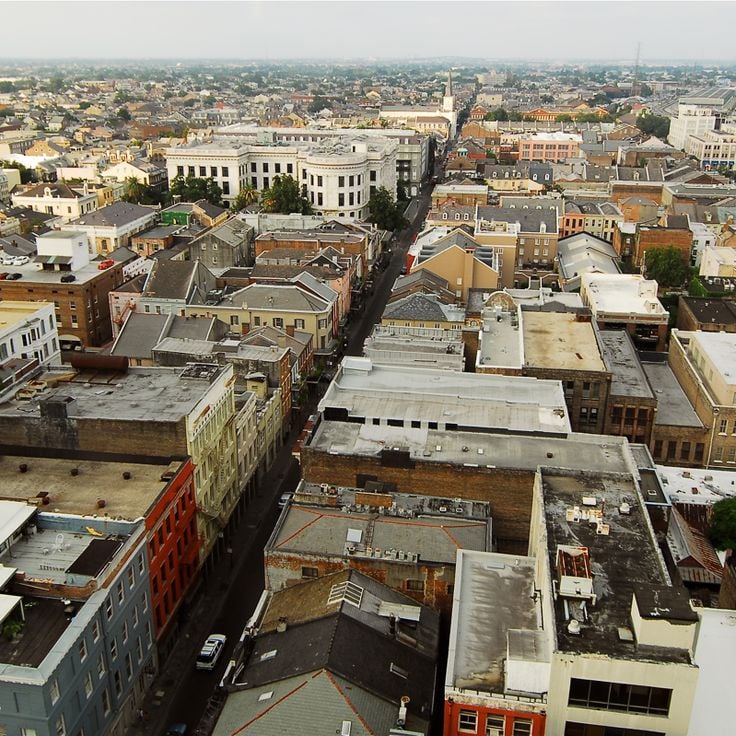
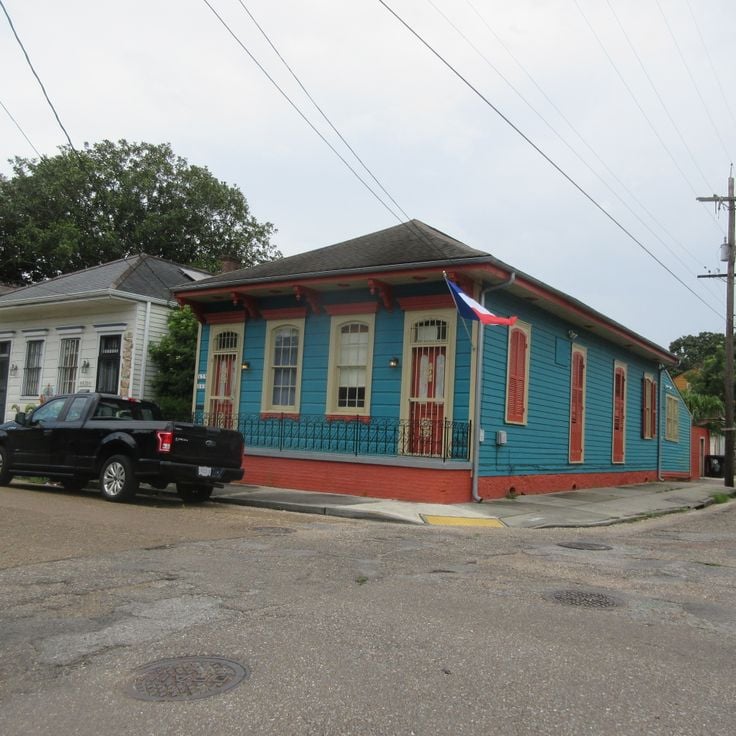
The French Quarter is the oldest neighborhood in New Orleans, founded in 1718. After two fires in the 18th century, it was rebuilt with Spanish colonial architecture. The multi-story buildings have wrought iron balconies, interior courtyards, and tile roofs. Bourbon Street comes alive at night, with bars and clubs where jazz, blues, and other music styles fill the air. At Jackson Square, street musicians perform, painters display their work, and fortune tellers read palms. In the narrow streets, the smell of Creole cooking drifts from small restaurants. During the day, people walk through the streets, browsing antique shops and art galleries. The atmosphere is warm and humid, especially in summer. The Quarter lives through its music, its food, and its history.
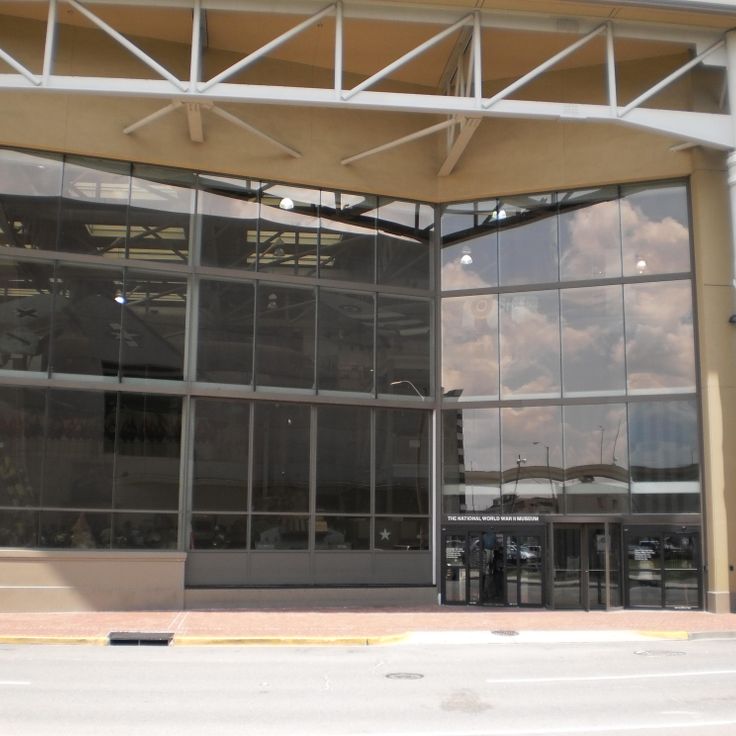
This museum gathers evidence from World War Two and displays tanks, jeeps, weapons, uniforms, and everyday objects carried by soldiers. Visitors walk through reconstructed battlefields, listen to recordings from veterans, and follow the path of American troops from the Normandy landings to the German surrender. The exhibition spreads across several buildings and remembers the men and women who fought on the front lines or supported the war effort at home.
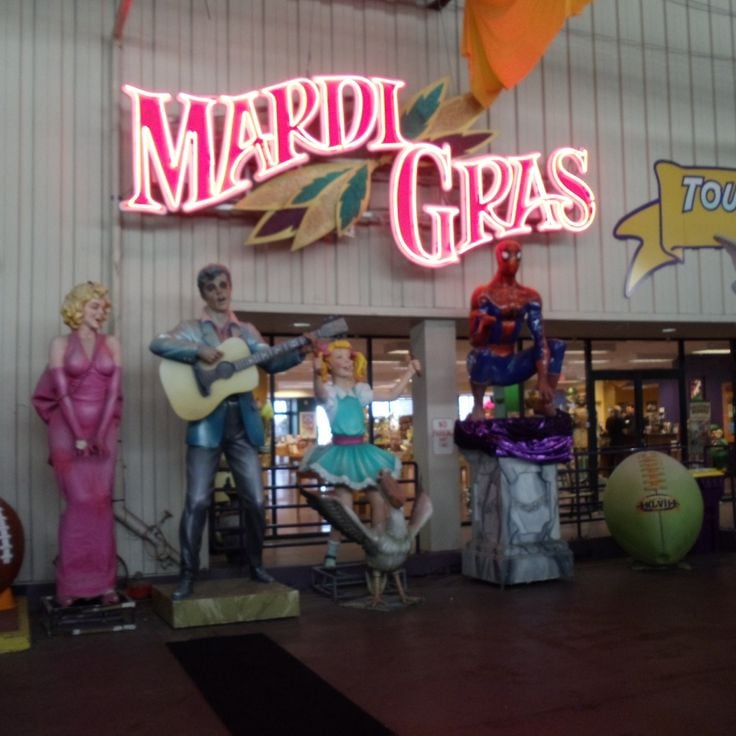
Mardi Gras transforms the streets of New Orleans into an open celebration, where decorated floats roll by, masked performers dance in bright costumes, and brass bands play. From balconies, participants toss strings of beads into the crowd, while the streets fill with people who join in, eat, and listen to music late into the night. The celebration happens before Lent and draws families and visitors who come to enjoy the spectacle and the atmosphere.
Melrose Plantation was built in 1833 and consists of a main house, several outbuildings and gardens. Visitors walk through rooms furnished with pieces from that era. Some buildings display works by local artists on the walls. The property shows how a plantation was organized in the 19th century. You see the living quarters of the owners, the kitchen in a separate structure and the workers' accommodations. Guides explain daily life on the estate and the history of the Natchitoches region.
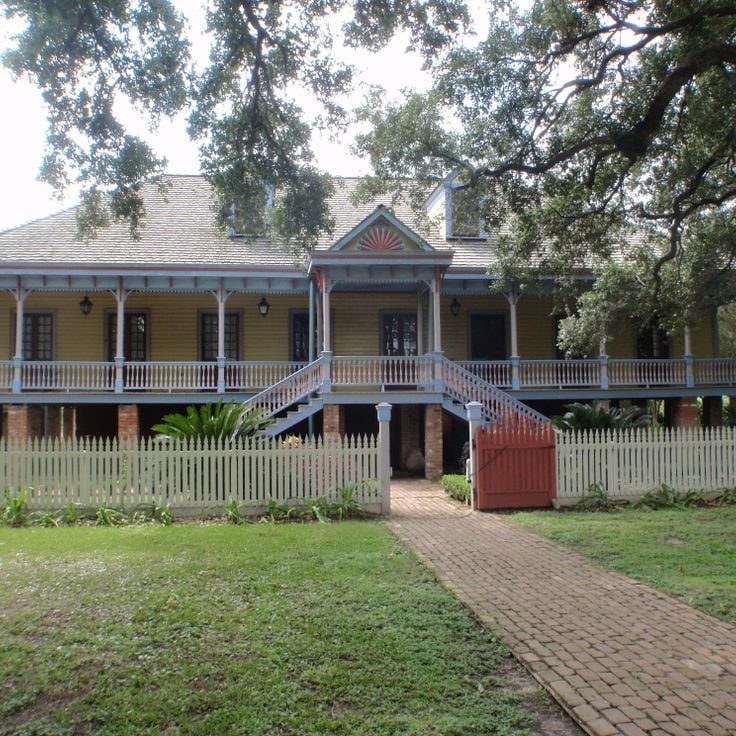
The Plantation Laura is a yellow wooden house from 1805 that shows how life unfolded on a Creole plantation. The guided tours walk through the main house rooms, the slave quarters and the gardens where oak trees provide shade. Four generations of a Creole family lived here, and their stories offer insight into the society of the 19th century. The buildings are painted in bright colors, and the wooden galleries face the fields along the Mississippi River. Visitors learn how daily life on the plantation took place, how enslaved people worked and lived, and what role women played in managing the estate. The site is located in Vacherie, about one hour from New Orleans, and presents a direct picture of the complex history of the American South.
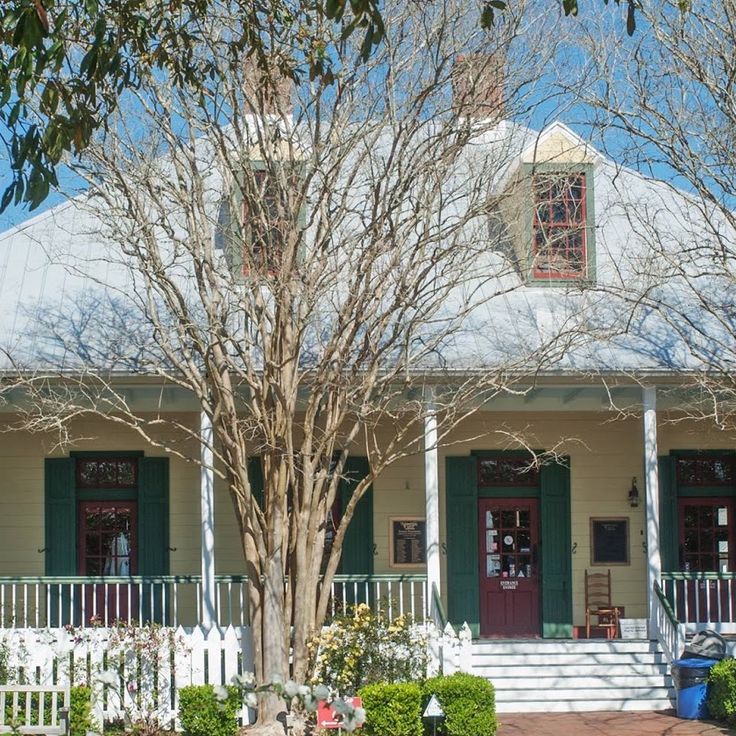
This folk life museum features restored buildings dating from 1765 to 1890. Artisans demonstrate traditional skills such as blacksmithing, weaving, or carving, which the early Acadian settlers in Louisiana practiced. Visitors also watch demonstrations of music and cooking methods typical of this period and community. The houses, workshops, and public spaces offer a glimpse into the daily life of the first generations who settled here and preserved their French language and traditions.
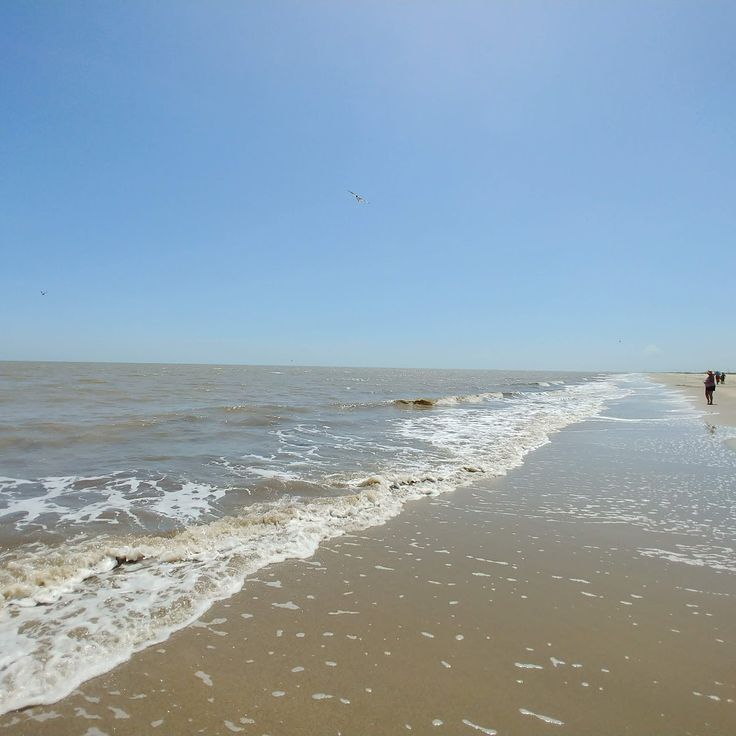
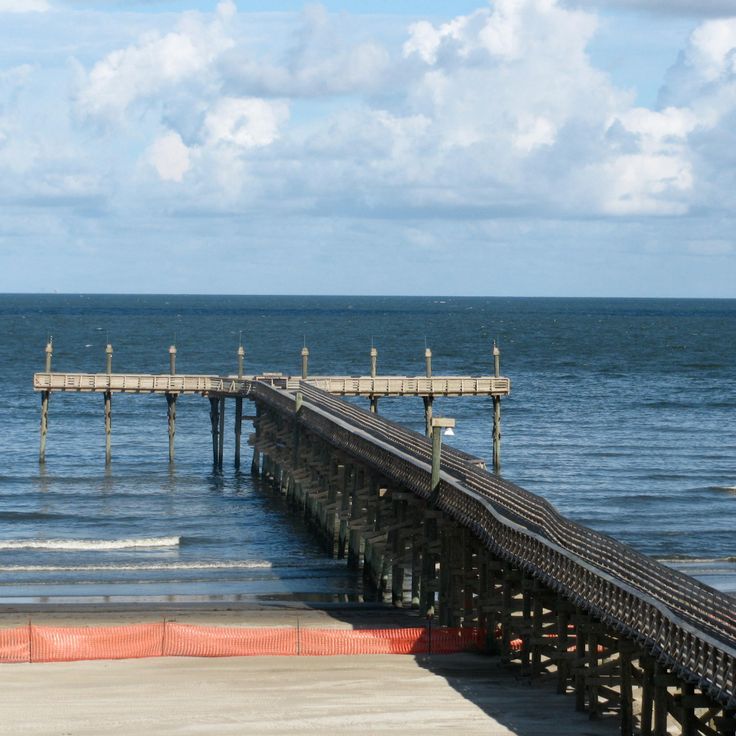
Holly Beach sits along the Gulf of Mexico and draws visitors year-round who come to swim in the warm water, fish from the shore, or gather shells scattered across the sand. The beach has firm, dark sand and calm, shallow water that stretches far before deepening. Camping areas line the coast with hookups for RVs and basic facilities for tents. Families often spend several days here, setting up campers or tents right by the water and watching the sunset over the gulf each evening. On weekends, many Louisianans from nearby towns arrive to relax and breathe the salt air.
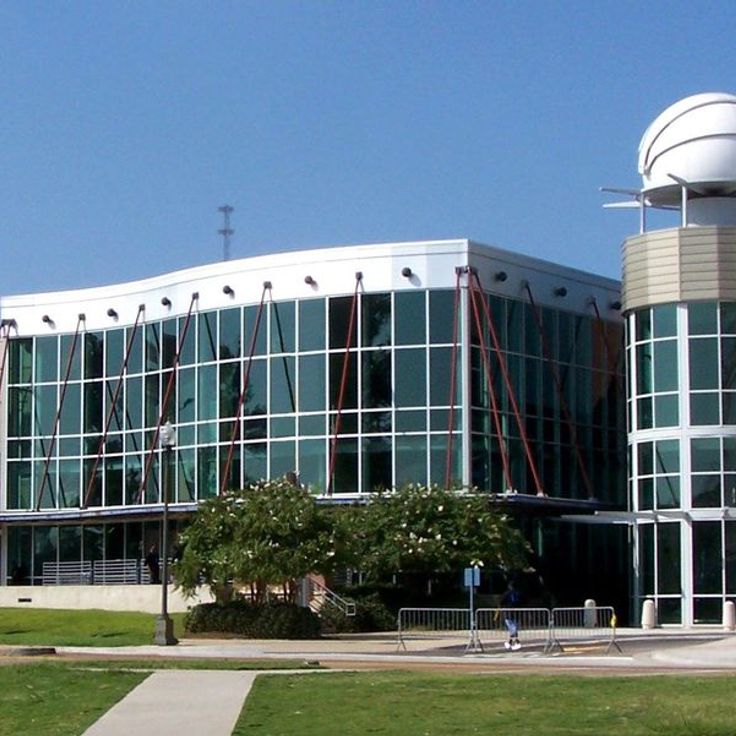
The Centre de découverte Sci-Port in Shreveport combines science and hands-on learning in an interactive museum. Visitors walk through rooms with experiments in physics, biology, and technology, while children operate stations and test devices themselves. A planetarium shows the night sky and explains constellations, planets, and the movement of celestial bodies. In the space exploration area, models of rockets and satellites trace the history of reaching beyond Earth. Robotics workshops invite guests to build and program small machines, while other stations demonstrate chemical reactions or explain how engines work. An IMAX theater with a large dome projects films about nature, technology, and distant lands onto a curved screen that surrounds the audience. The museum serves families, school groups, and anyone curious about how natural laws operate in daily life. The atmosphere is lively, with the sounds of running experiments and conversations between children and parents learning together.
This World War II destroyer sits along the Mississippi and shows in its passageways, cabins, and on deck how the crew lived on board. You walk through narrow corridors, look at the guns, the radio equipment, and the sailors' bunks. Photographs, uniforms, and personal items from the soldiers tell about daily life at sea. The memorial honors veterans from Louisiana who served in different wars. You feel the tightness of the spaces and the weight of the responsibility that rested on the shoulders of the men who worked and slept here.
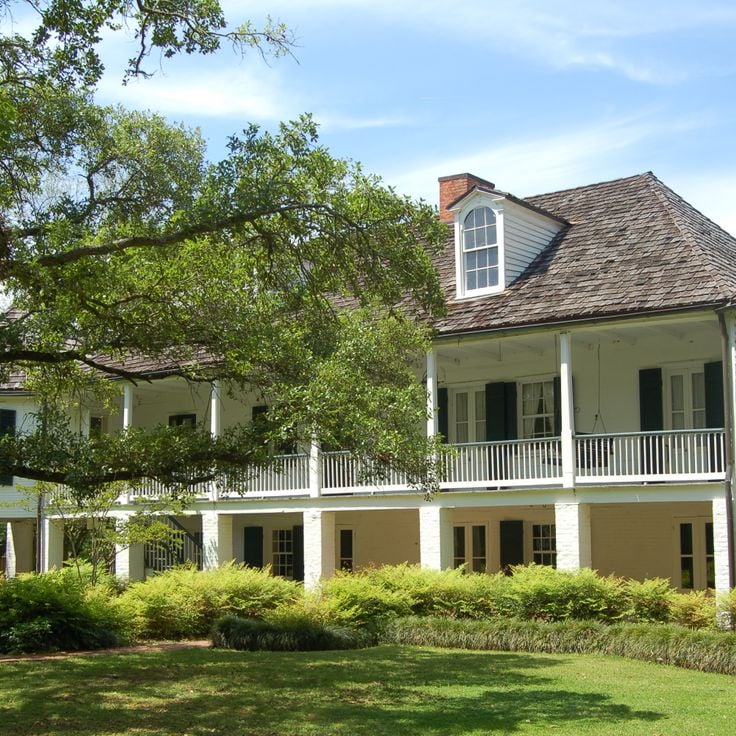
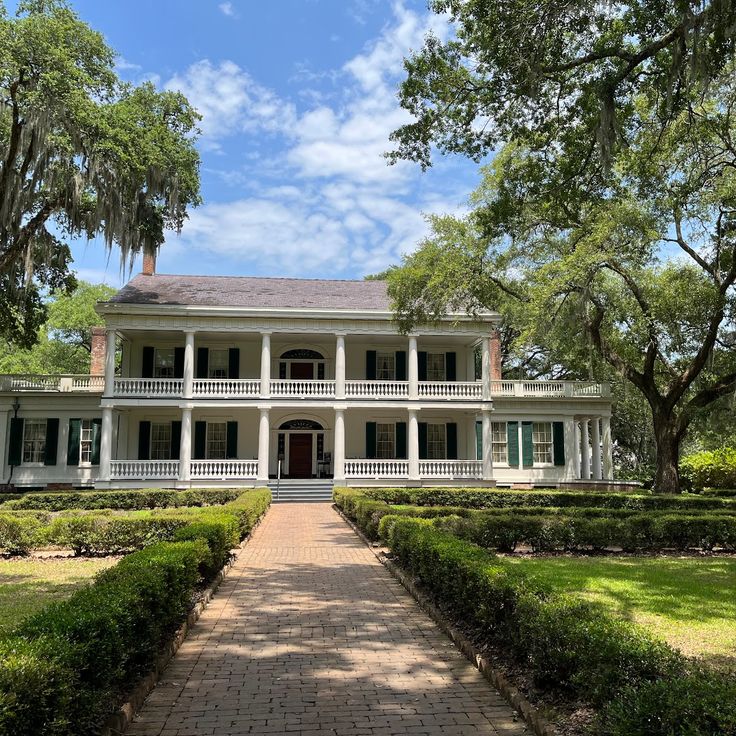
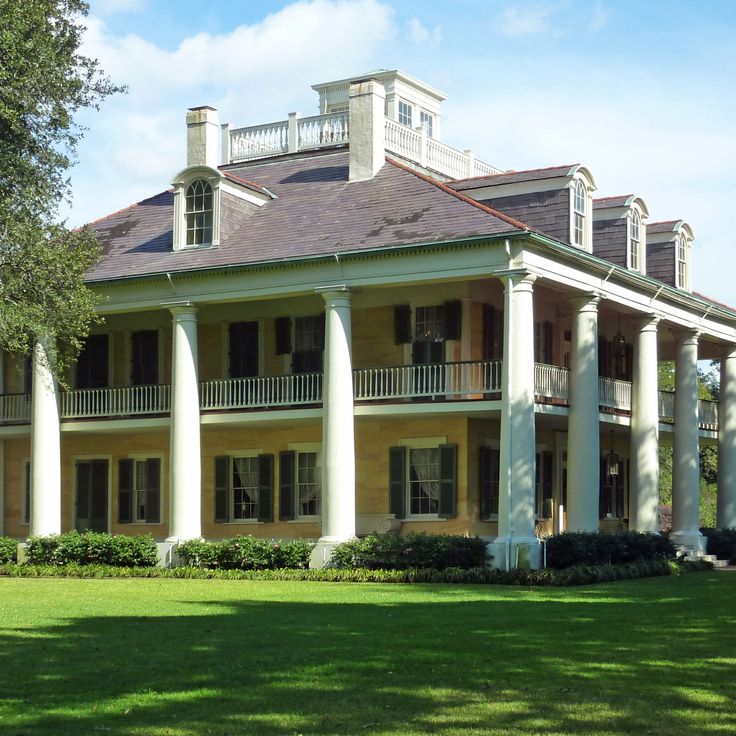
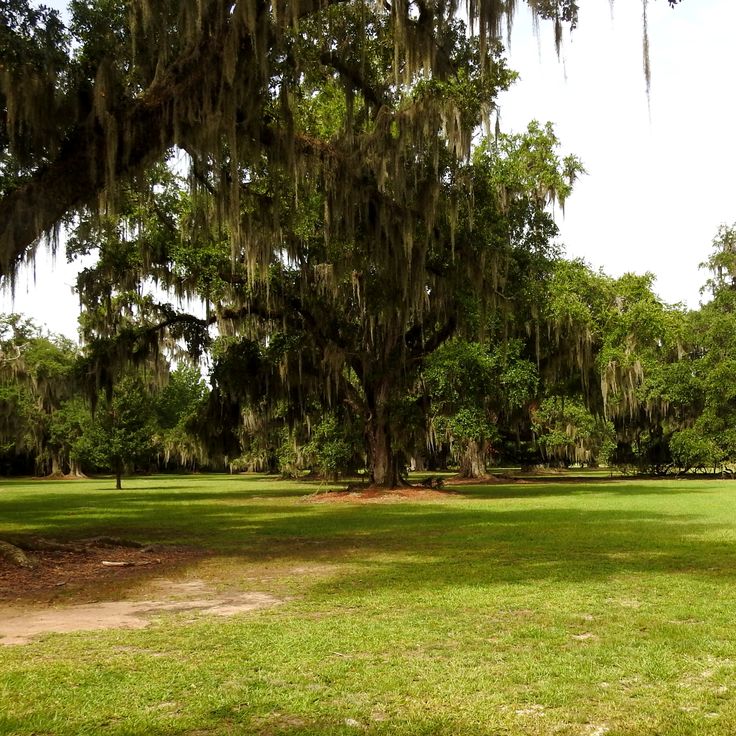
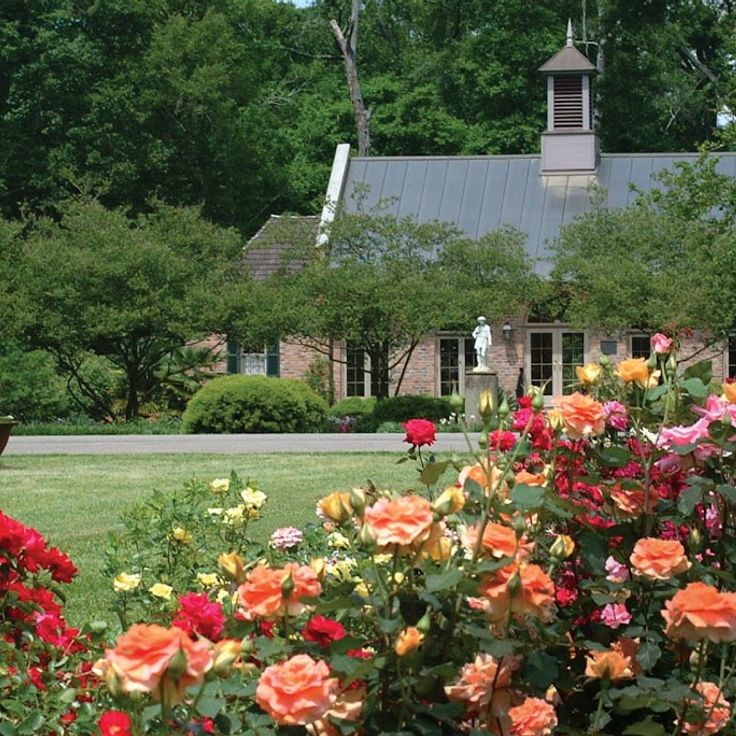
This plantation from 1835 preserves its furnishings from before the Civil War, with furniture and household items used by the residents. The gardens follow a formal style of French inspiration, with paths lined by oaks, fountains and statues distributed among rose beds and azaleas. The arrangement of buildings shows how a cotton plantation in 19th-century Louisiana was organized. Visitors walk through the rooms of the main house, where portraits, mirrors and china have remained in place, then explore the outdoor spaces that extend over about 28 hectares (roughly 69 acres).
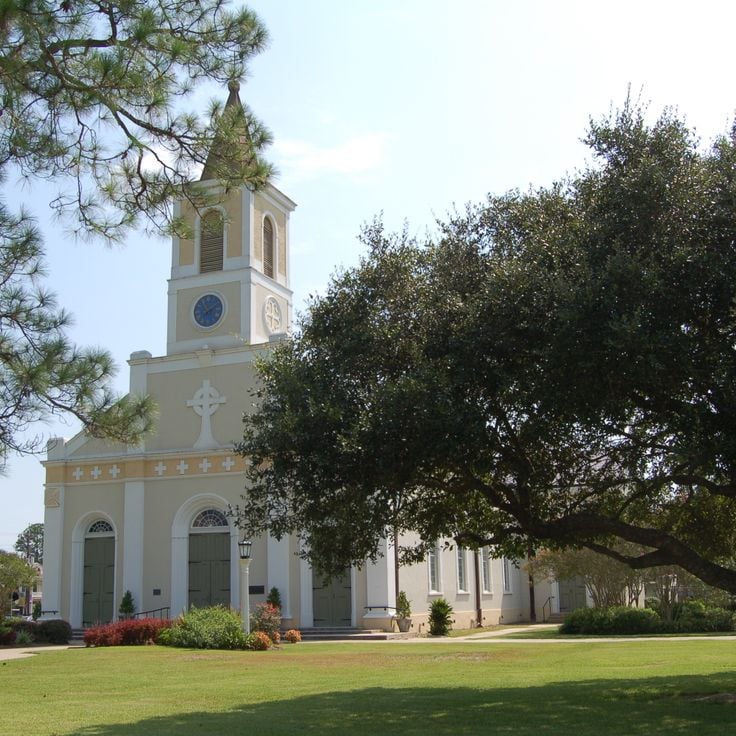
St. Martin de Tours Catholic Church has stood in St. Martinville since 1836 and shows the religious architecture of the French colonial period. Inside, painted frescoes hang on the walls, and religious objects from the early Catholic communities of the area are displayed in the side aisles. Parishioners attend services, and visitors walk through the aisles to see the decoration and the wooden pews. The building is part of the religious heritage of the region and recalls the time when the Acadians settled in Louisiana.
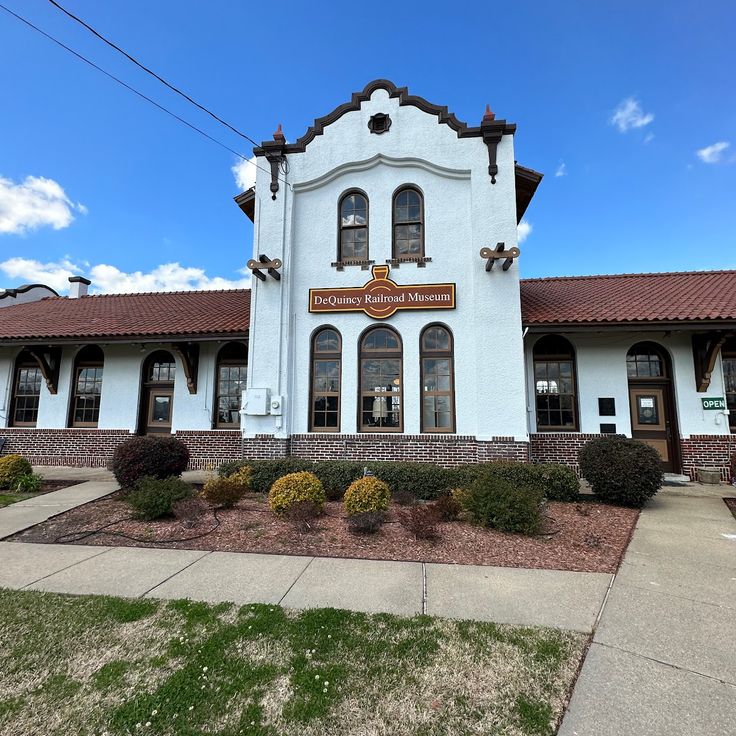
The Musée Ferroviaire de DeQuincy occupies a train depot from 1923 and gathers objects from Louisiana's railroad history. The rooms display tools, photographs and various pieces of equipment that document how trains and stations operated. Visitors can see souvenirs from railroad workers and travelers, offering a glimpse into the daily life of this transport world. The building itself stands as an example of the architecture of that time.
This state park stretches over seven miles of beach along the Gulf of Mexico and offers several fishing piers and observation platforms where visitors can watch the horizon and the water. Families come here to swim in the shallow surf, walk along the shore, or watch birds that rest along the coast. The campground has sites with direct views of the sea, and in the morning you hear the waves and the calls of gulls. Fishermen spend entire days on the piers, anglers cast their lines, and children collect shells that wash up on the sand. The wind carries the scent of salt, and the sun turns the sand pale. In the evening the sky over the water turns pink and orange as crickets begin to chirp in the dunes.
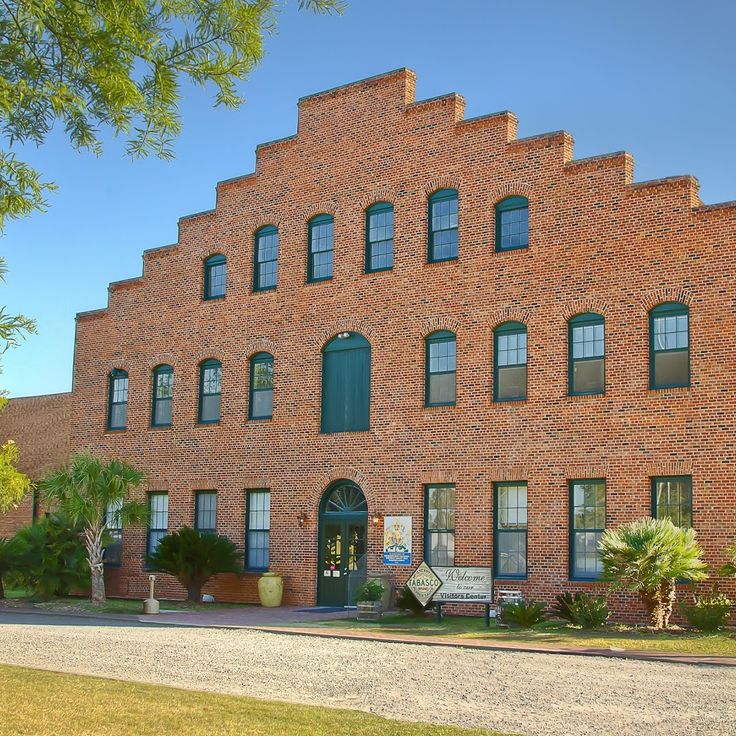
This production facility shows the complete manufacturing process of Tabasco sauce, from growing chili peppers to bottling. The site includes a museum and a 170-acre (69-hectare) garden with native plants that visitors can walk through. Inside the rooms, the air smells of vinegar and fermented peppers, while outside, rows of chili plants grow at different stages of ripeness. The museum explains the McIlhenny family history and displays old tools, labels, and advertising materials. Tours follow the path of red peppers that age in oak barrels for up to three years before being processed into the hot sauce that has been made here since the 19th century.
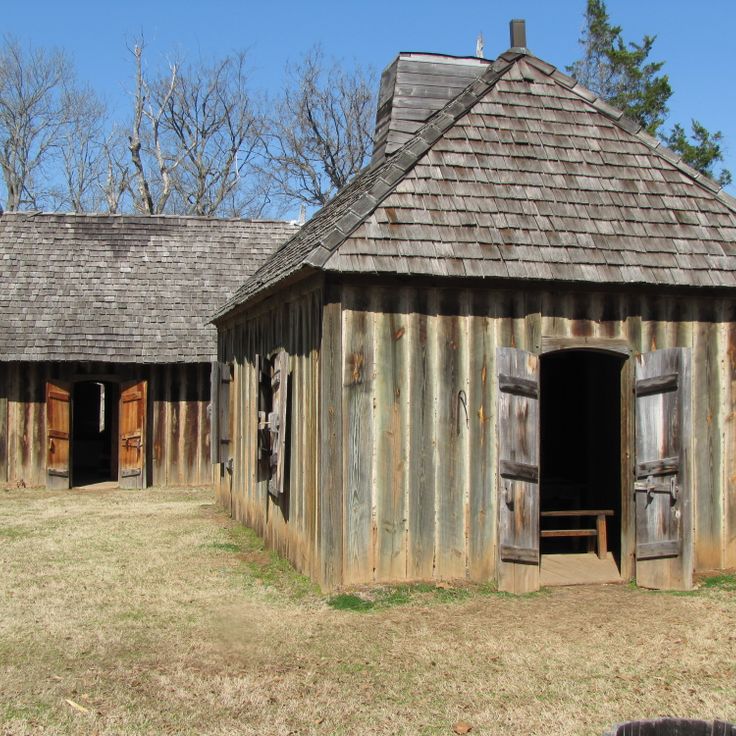
Fort Saint Jean Baptiste was rebuilt in the style of 1732 and shows buildings and objects from the French colonial period. Guides in historical clothing walk through the grounds and explain how soldiers and civilians lived here in the 18th century. Visitors see sleeping quarters, storage rooms, and the fortifications that protected this frontier outpost. In the courtyard, crafts like blacksmithing or weaving are sometimes demonstrated, and visitors can ask questions about the daily life of the people who lived here.
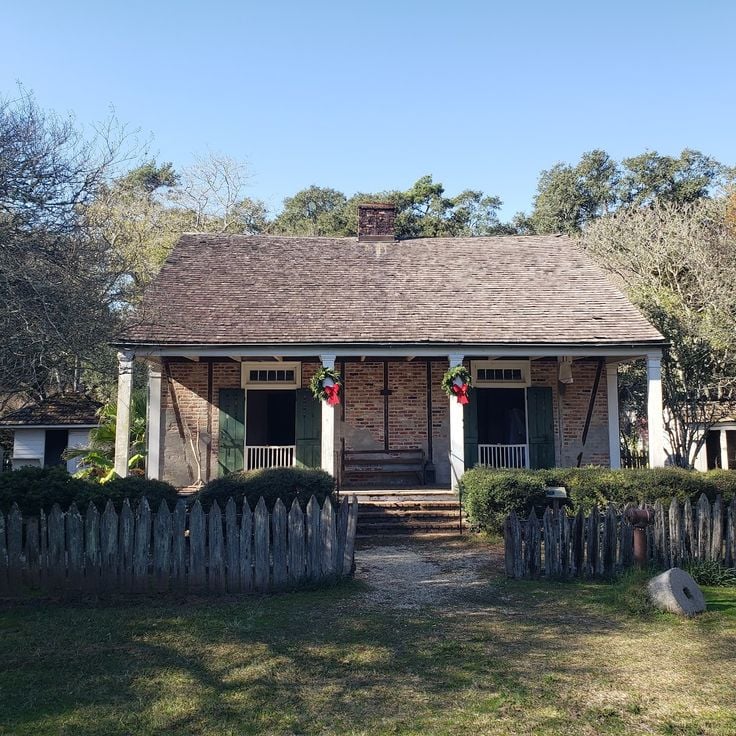
This open-air museum gathers more than 30 buildings from the time before industrialization in Louisiana. Visitors walk among rural houses, barns and workshops dating from the 19th century, brought here from different parts of the state. The wooden structures with their wide porches and simple furnishings give a sense of everyday life for settlers, craftspeople and farm workers. Tools for fieldwork, old equipment and household objects sit in the rooms or under the eaves. The grounds are quiet and surrounded by trees, allowing visitors to move at their own pace from one building to the next, looking through windows or open doors.
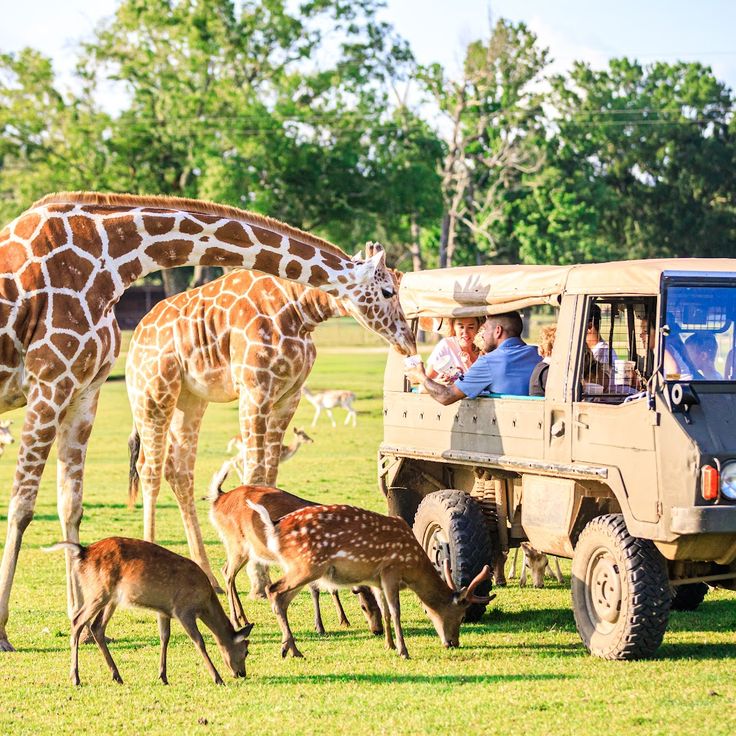
The Global Wildlife Center in Folsom protects over 4,000 animals from endangered species across 900 acres (365 hectares). Visitors ride in open wagons through the grounds, where antelopes, giraffes, zebras, and other species live in large enclosures that mimic their natural habitats. The animals often approach the vehicles, allowing people to observe and sometimes feed them from just a few feet away. Guides explain the conservation programs and the behavior of different species. The center is about an hour's drive north of New Orleans, set in a wooded area. Families with children can spend half a day here, seeing animals that have become rare in the wild.
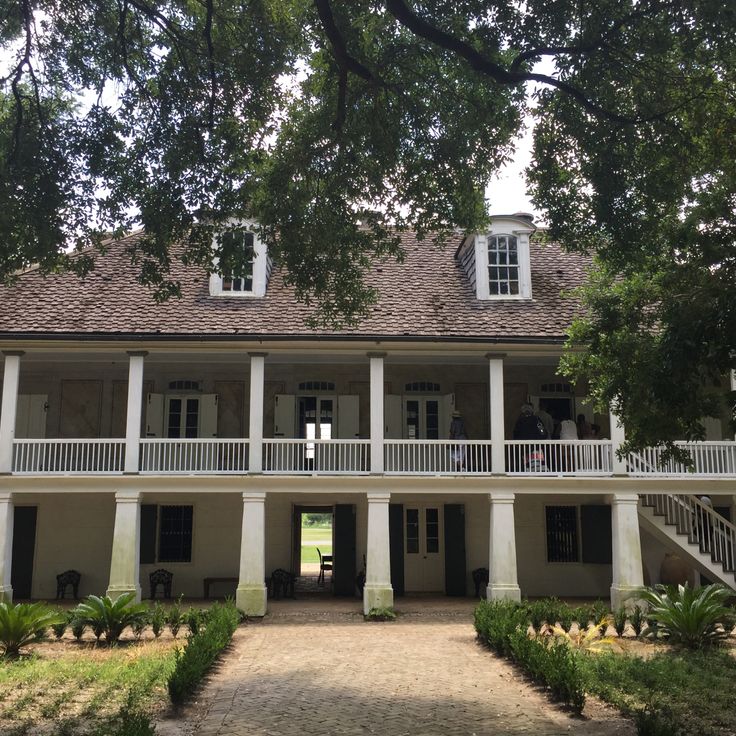
This antebellum property from the 1840s focuses on the lives of enslaved people who lived and worked here. The tour takes visitors through restored slave quarters, work cabins, and fields, while exhibits present personal stories and documents. A memorial displays the names of thousands of enslaved individuals who lived in Louisiana. Guides emphasize the daily life of the African and African American community, their labor in the sugarcane fields, and family ties. The main house is not the focus. Whitney is among the few sites in the South that address slavery in depth.
This street runs through the French Quarter and keeps the atmosphere of the 1800s with its iron balconies hanging over the sidewalks. On the ground floors, antique shops line up one after another, with dealers displaying furniture, porcelain, and old prints. Art galleries show works by local painters and photographers. Restaurants serve Creole cooking in rooms with tall ceilings and French doors. During the day, visitors walk between the storefronts, and in the evening live music from nearby venues fills the air. The buildings mostly date from around 1800, when Spanish and French influences shaped the architecture. Each block carries its own mix of shops, cafés, and apartments that shape daily life in the quarter.
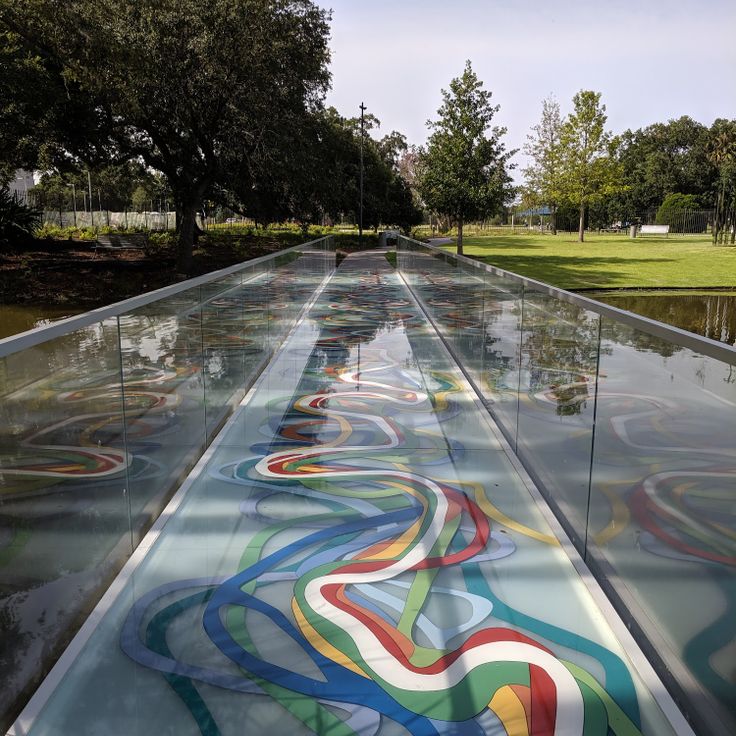
The NOMA Besthoff Sculpture Garden spreads through City Park in New Orleans and brings together more than 90 modern and contemporary sculptures among old live oaks and quiet lagoons. Visitors follow winding footpaths that pass bronze figures, abstract compositions, and organic forms, while the branches of centuries-old trees provide shade. The atmosphere is relaxed: families walk slowly, students sit on benches looking at the works, children discover the shapes. The garden is free to enter and opens directly from the museum. You can linger here, enjoy the silence, and experience the connection between art and nature that defines this place.
This manor was built in 1840 and contains furniture from that period. Inside, exhibits explain the sugar production that once took place here. The gardens cover about thirty-eight acres and are planted with native species from the region. You can walk along pathways, between old trees and maintained flowerbeds. The architecture is typical of Southern homes before the Civil War, with columns and porches. Visitors can walk through rooms that hold furniture and objects from the 19th century.
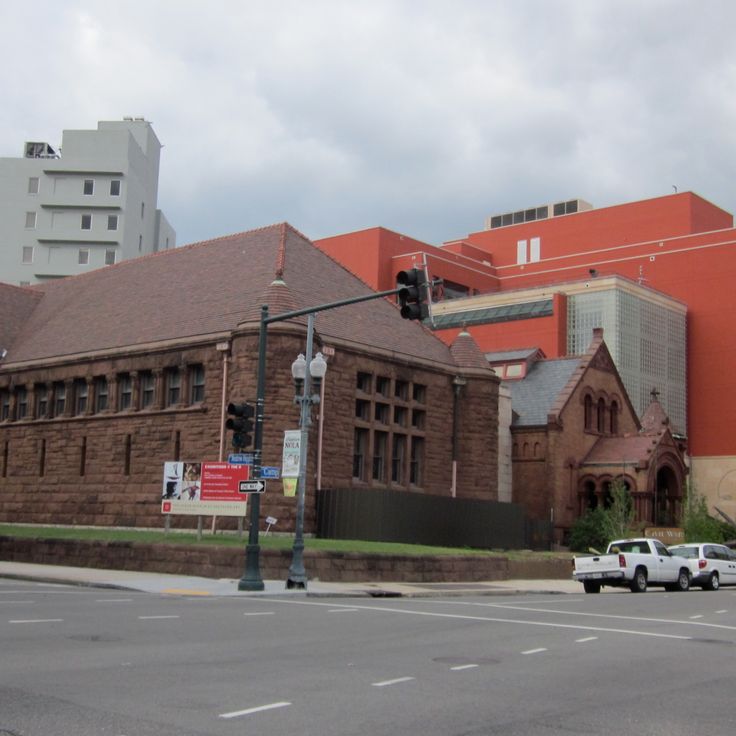
The Ogden Museum of Southern Art gathers works by artists from the American South, from 19th-century paintings to contemporary installations. The galleries display landscapes, portraits and scenes of daily life from the region, alongside temporary exhibitions that explore different styles and periods. On certain evenings, live music fills the courtyard as local bands perform, and visitors move between the exhibition halls. The building itself combines a historic brick facade with modern glass and steel extensions, where natural light filters through the galleries and casts shifting shadows on the artworks.
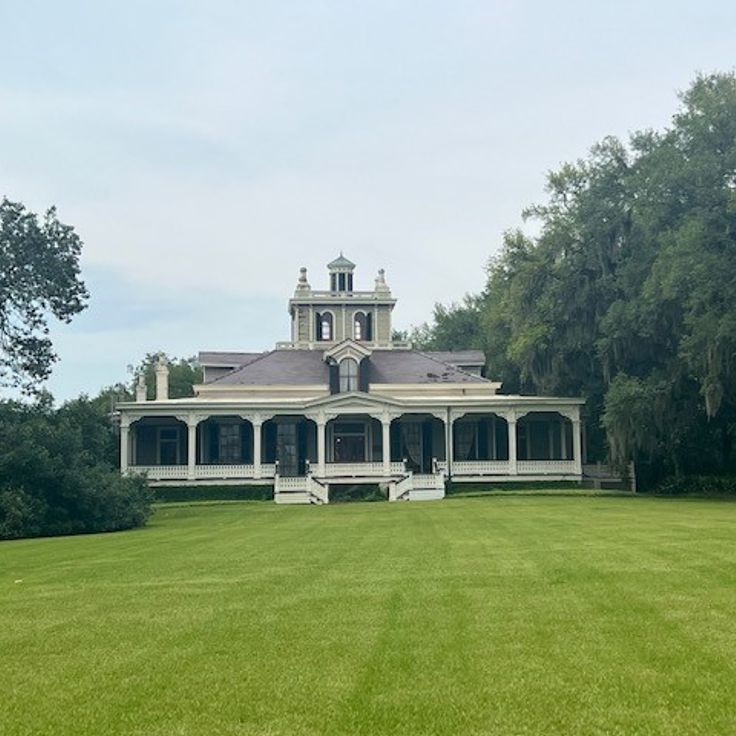
These gardens stretch across ten hectares along the shore of Lake Peigneur, combining native and exotic plants around an old mansion dating from the early 20th century. Visitors encounter free-roaming peacocks that wander among the flower beds and can gaze out over the still water from several vantage points. The paths wind through deep shade beneath old oaks and then emerge into sunny areas where water lilies float on the surface of small ponds. The estate preserves the atmosphere of a Southern country residence where nature has gradually reclaimed the formal structures.
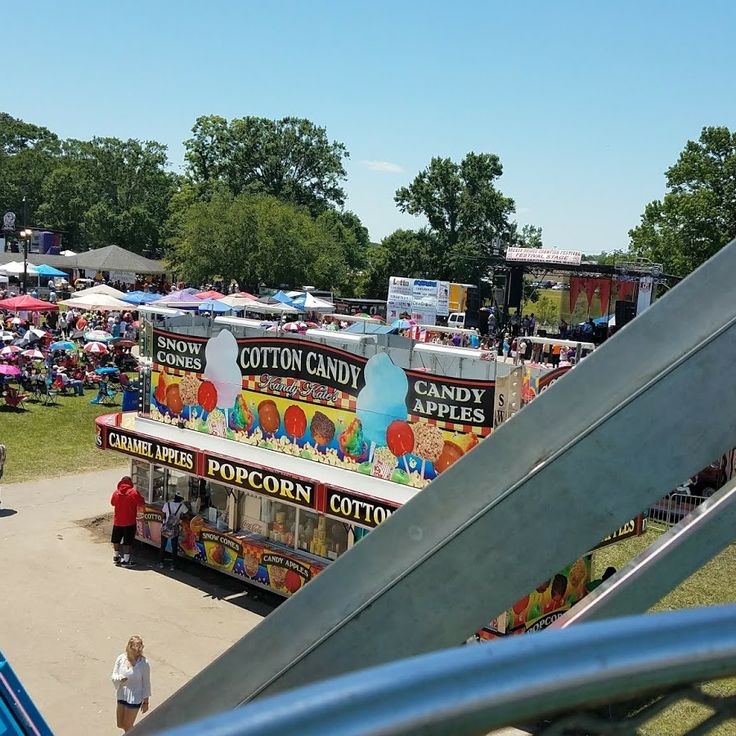
The Festival de l'Écrevisse draws visitors to Breaux Bridge each May to taste crawfish prepared in different ways. Bands play Cajun music on several stages while couples dance in the square. Cooks show how to boil the shellfish over open fires, and the air fills with the smell of spices and fried fish. Families sit at long tables, cracking shells and talking in French and English. The festival lasts several days and brings the whole town together.
Fontainebleau State Park sits on the shore of Lake Pontchartrain and stretches across woods, marshes, and sandy areas. Visitors swim at the shallow beach, hike on trails through the trees, or walk the boardwalk that runs over the water. Families camp under the oaks, children play in the splash area, and fishermen cast their lines. The park preserves remnants of an old 19th-century sugar mill, its ruins standing among the greenery. Birds pass over the wetlands, and on quiet afternoons you hear only the breeze and the lapping of the lake.
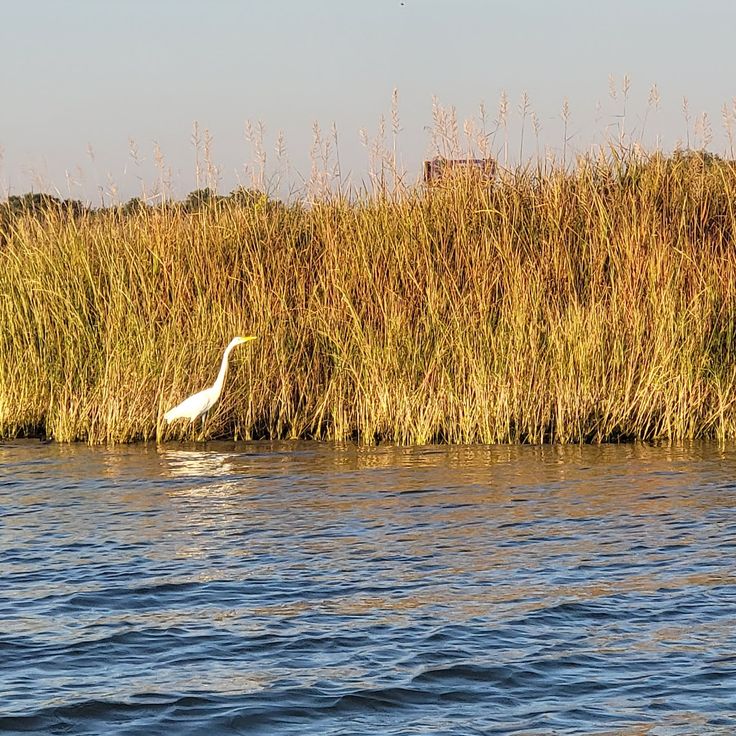
Bayou Sauvage is an urban wildlife area within New Orleans, covering marshes and waterways where alligators sun themselves on the banks. Herons, ibises, and other water birds nest among the cypress trees, while fish move through the shallow channels. Trails run along the canals, where anglers cast their lines and families walk in the quiet of the wetlands. The refuge sits just a few miles from downtown, and on calm days the sky reflects in the dark water of the bayous.
The Musée et Jardins Burden is a research facility with botanical gardens that cover 440 acres. Visitors walk between rose beds, native plants, and tree collections arranged by theme. A plantation house from the 19th century stands in the middle of the grounds and shows how wealthy families lived in the countryside. Inside, furniture and everyday objects from that time are on display. Buildings host workshops on traditional farming methods, gardening, and composting. The University of Louisiana uses the site for experiments with new plant varieties. Children learn in school programs how vegetables grow and why bees matter. On weekends, families come to picnic under old oaks or walk along the paths.
This center in Lafayette tells the story of the Acadians who arrived from Canada in the 18th century. Inside, everyday objects, old tools and historical documents show how these settlers preserved their language and traditions. Talks and events bring music and storytelling together, connecting past and present. Visitors walk through the rooms and discover how Acadian culture remains alive in Louisiana today.
The French Quarter is the oldest neighborhood in New Orleans, founded in 1718. After two fires in the 18th century, it was rebuilt with Spanish colonial architecture. The multi-story buildings have wrought iron balconies, interior courtyards, and tile roofs. Bourbon Street comes alive at night, with bars and clubs where jazz, blues, and other music styles fill the air. At Jackson Square, street musicians perform, painters display their work, and fortune tellers read palms. In the narrow streets, the smell of Creole cooking drifts from small restaurants. During the day, people walk through the streets, browsing antique shops and art galleries. The atmosphere is warm and humid, especially in summer. The Quarter lives through its music, its food, and its history.
This museum gathers evidence from World War Two and displays tanks, jeeps, weapons, uniforms, and everyday objects carried by soldiers. Visitors walk through reconstructed battlefields, listen to recordings from veterans, and follow the path of American troops from the Normandy landings to the German surrender. The exhibition spreads across several buildings and remembers the men and women who fought on the front lines or supported the war effort at home.
Mardi Gras transforms the streets of New Orleans into an open celebration, where decorated floats roll by, masked performers dance in bright costumes, and brass bands play. From balconies, participants toss strings of beads into the crowd, while the streets fill with people who join in, eat, and listen to music late into the night. The celebration happens before Lent and draws families and visitors who come to enjoy the spectacle and the atmosphere.
Melrose Plantation was built in 1833 and consists of a main house, several outbuildings and gardens. Visitors walk through rooms furnished with pieces from that era. Some buildings display works by local artists on the walls. The property shows how a plantation was organized in the 19th century. You see the living quarters of the owners, the kitchen in a separate structure and the workers' accommodations. Guides explain daily life on the estate and the history of the Natchitoches region.
The Plantation Laura is a yellow wooden house from 1805 that shows how life unfolded on a Creole plantation. The guided tours walk through the main house rooms, the slave quarters and the gardens where oak trees provide shade. Four generations of a Creole family lived here, and their stories offer insight into the society of the 19th century. The buildings are painted in bright colors, and the wooden galleries face the fields along the Mississippi River. Visitors learn how daily life on the plantation took place, how enslaved people worked and lived, and what role women played in managing the estate. The site is located in Vacherie, about one hour from New Orleans, and presents a direct picture of the complex history of the American South.
This folk life museum features restored buildings dating from 1765 to 1890. Artisans demonstrate traditional skills such as blacksmithing, weaving, or carving, which the early Acadian settlers in Louisiana practiced. Visitors also watch demonstrations of music and cooking methods typical of this period and community. The houses, workshops, and public spaces offer a glimpse into the daily life of the first generations who settled here and preserved their French language and traditions.
Holly Beach sits along the Gulf of Mexico and draws visitors year-round who come to swim in the warm water, fish from the shore, or gather shells scattered across the sand. The beach has firm, dark sand and calm, shallow water that stretches far before deepening. Camping areas line the coast with hookups for RVs and basic facilities for tents. Families often spend several days here, setting up campers or tents right by the water and watching the sunset over the gulf each evening. On weekends, many Louisianans from nearby towns arrive to relax and breathe the salt air.
The Centre de découverte Sci-Port in Shreveport combines science and hands-on learning in an interactive museum. Visitors walk through rooms with experiments in physics, biology, and technology, while children operate stations and test devices themselves. A planetarium shows the night sky and explains constellations, planets, and the movement of celestial bodies. In the space exploration area, models of rockets and satellites trace the history of reaching beyond Earth. Robotics workshops invite guests to build and program small machines, while other stations demonstrate chemical reactions or explain how engines work. An IMAX theater with a large dome projects films about nature, technology, and distant lands onto a curved screen that surrounds the audience. The museum serves families, school groups, and anyone curious about how natural laws operate in daily life. The atmosphere is lively, with the sounds of running experiments and conversations between children and parents learning together.
This World War II destroyer sits along the Mississippi and shows in its passageways, cabins, and on deck how the crew lived on board. You walk through narrow corridors, look at the guns, the radio equipment, and the sailors' bunks. Photographs, uniforms, and personal items from the soldiers tell about daily life at sea. The memorial honors veterans from Louisiana who served in different wars. You feel the tightness of the spaces and the weight of the responsibility that rested on the shoulders of the men who worked and slept here.
This plantation from 1835 preserves its furnishings from before the Civil War, with furniture and household items used by the residents. The gardens follow a formal style of French inspiration, with paths lined by oaks, fountains and statues distributed among rose beds and azaleas. The arrangement of buildings shows how a cotton plantation in 19th-century Louisiana was organized. Visitors walk through the rooms of the main house, where portraits, mirrors and china have remained in place, then explore the outdoor spaces that extend over about 28 hectares (roughly 69 acres).
St. Martin de Tours Catholic Church has stood in St. Martinville since 1836 and shows the religious architecture of the French colonial period. Inside, painted frescoes hang on the walls, and religious objects from the early Catholic communities of the area are displayed in the side aisles. Parishioners attend services, and visitors walk through the aisles to see the decoration and the wooden pews. The building is part of the religious heritage of the region and recalls the time when the Acadians settled in Louisiana.
The Musée Ferroviaire de DeQuincy occupies a train depot from 1923 and gathers objects from Louisiana's railroad history. The rooms display tools, photographs and various pieces of equipment that document how trains and stations operated. Visitors can see souvenirs from railroad workers and travelers, offering a glimpse into the daily life of this transport world. The building itself stands as an example of the architecture of that time.
This state park stretches over seven miles of beach along the Gulf of Mexico and offers several fishing piers and observation platforms where visitors can watch the horizon and the water. Families come here to swim in the shallow surf, walk along the shore, or watch birds that rest along the coast. The campground has sites with direct views of the sea, and in the morning you hear the waves and the calls of gulls. Fishermen spend entire days on the piers, anglers cast their lines, and children collect shells that wash up on the sand. The wind carries the scent of salt, and the sun turns the sand pale. In the evening the sky over the water turns pink and orange as crickets begin to chirp in the dunes.
This production facility shows the complete manufacturing process of Tabasco sauce, from growing chili peppers to bottling. The site includes a museum and a 170-acre (69-hectare) garden with native plants that visitors can walk through. Inside the rooms, the air smells of vinegar and fermented peppers, while outside, rows of chili plants grow at different stages of ripeness. The museum explains the McIlhenny family history and displays old tools, labels, and advertising materials. Tours follow the path of red peppers that age in oak barrels for up to three years before being processed into the hot sauce that has been made here since the 19th century.
Fort Saint Jean Baptiste was rebuilt in the style of 1732 and shows buildings and objects from the French colonial period. Guides in historical clothing walk through the grounds and explain how soldiers and civilians lived here in the 18th century. Visitors see sleeping quarters, storage rooms, and the fortifications that protected this frontier outpost. In the courtyard, crafts like blacksmithing or weaving are sometimes demonstrated, and visitors can ask questions about the daily life of the people who lived here.
This open-air museum gathers more than 30 buildings from the time before industrialization in Louisiana. Visitors walk among rural houses, barns and workshops dating from the 19th century, brought here from different parts of the state. The wooden structures with their wide porches and simple furnishings give a sense of everyday life for settlers, craftspeople and farm workers. Tools for fieldwork, old equipment and household objects sit in the rooms or under the eaves. The grounds are quiet and surrounded by trees, allowing visitors to move at their own pace from one building to the next, looking through windows or open doors.
The Global Wildlife Center in Folsom protects over 4,000 animals from endangered species across 900 acres (365 hectares). Visitors ride in open wagons through the grounds, where antelopes, giraffes, zebras, and other species live in large enclosures that mimic their natural habitats. The animals often approach the vehicles, allowing people to observe and sometimes feed them from just a few feet away. Guides explain the conservation programs and the behavior of different species. The center is about an hour's drive north of New Orleans, set in a wooded area. Families with children can spend half a day here, seeing animals that have become rare in the wild.
This antebellum property from the 1840s focuses on the lives of enslaved people who lived and worked here. The tour takes visitors through restored slave quarters, work cabins, and fields, while exhibits present personal stories and documents. A memorial displays the names of thousands of enslaved individuals who lived in Louisiana. Guides emphasize the daily life of the African and African American community, their labor in the sugarcane fields, and family ties. The main house is not the focus. Whitney is among the few sites in the South that address slavery in depth.
This street runs through the French Quarter and keeps the atmosphere of the 1800s with its iron balconies hanging over the sidewalks. On the ground floors, antique shops line up one after another, with dealers displaying furniture, porcelain, and old prints. Art galleries show works by local painters and photographers. Restaurants serve Creole cooking in rooms with tall ceilings and French doors. During the day, visitors walk between the storefronts, and in the evening live music from nearby venues fills the air. The buildings mostly date from around 1800, when Spanish and French influences shaped the architecture. Each block carries its own mix of shops, cafés, and apartments that shape daily life in the quarter.
The NOMA Besthoff Sculpture Garden spreads through City Park in New Orleans and brings together more than 90 modern and contemporary sculptures among old live oaks and quiet lagoons. Visitors follow winding footpaths that pass bronze figures, abstract compositions, and organic forms, while the branches of centuries-old trees provide shade. The atmosphere is relaxed: families walk slowly, students sit on benches looking at the works, children discover the shapes. The garden is free to enter and opens directly from the museum. You can linger here, enjoy the silence, and experience the connection between art and nature that defines this place.
This manor was built in 1840 and contains furniture from that period. Inside, exhibits explain the sugar production that once took place here. The gardens cover about thirty-eight acres and are planted with native species from the region. You can walk along pathways, between old trees and maintained flowerbeds. The architecture is typical of Southern homes before the Civil War, with columns and porches. Visitors can walk through rooms that hold furniture and objects from the 19th century.
The Ogden Museum of Southern Art gathers works by artists from the American South, from 19th-century paintings to contemporary installations. The galleries display landscapes, portraits and scenes of daily life from the region, alongside temporary exhibitions that explore different styles and periods. On certain evenings, live music fills the courtyard as local bands perform, and visitors move between the exhibition halls. The building itself combines a historic brick facade with modern glass and steel extensions, where natural light filters through the galleries and casts shifting shadows on the artworks.
These gardens stretch across ten hectares along the shore of Lake Peigneur, combining native and exotic plants around an old mansion dating from the early 20th century. Visitors encounter free-roaming peacocks that wander among the flower beds and can gaze out over the still water from several vantage points. The paths wind through deep shade beneath old oaks and then emerge into sunny areas where water lilies float on the surface of small ponds. The estate preserves the atmosphere of a Southern country residence where nature has gradually reclaimed the formal structures.
The Festival de l'Écrevisse draws visitors to Breaux Bridge each May to taste crawfish prepared in different ways. Bands play Cajun music on several stages while couples dance in the square. Cooks show how to boil the shellfish over open fires, and the air fills with the smell of spices and fried fish. Families sit at long tables, cracking shells and talking in French and English. The festival lasts several days and brings the whole town together.
Fontainebleau State Park sits on the shore of Lake Pontchartrain and stretches across woods, marshes, and sandy areas. Visitors swim at the shallow beach, hike on trails through the trees, or walk the boardwalk that runs over the water. Families camp under the oaks, children play in the splash area, and fishermen cast their lines. The park preserves remnants of an old 19th-century sugar mill, its ruins standing among the greenery. Birds pass over the wetlands, and on quiet afternoons you hear only the breeze and the lapping of the lake.
Bayou Sauvage is an urban wildlife area within New Orleans, covering marshes and waterways where alligators sun themselves on the banks. Herons, ibises, and other water birds nest among the cypress trees, while fish move through the shallow channels. Trails run along the canals, where anglers cast their lines and families walk in the quiet of the wetlands. The refuge sits just a few miles from downtown, and on calm days the sky reflects in the dark water of the bayous.
The Musée et Jardins Burden is a research facility with botanical gardens that cover 440 acres. Visitors walk between rose beds, native plants, and tree collections arranged by theme. A plantation house from the 19th century stands in the middle of the grounds and shows how wealthy families lived in the countryside. Inside, furniture and everyday objects from that time are on display. Buildings host workshops on traditional farming methods, gardening, and composting. The University of Louisiana uses the site for experiments with new plant varieties. Children learn in school programs how vegetables grow and why bees matter. On weekends, families come to picnic under old oaks or walk along the paths.
This center in Lafayette tells the story of the Acadians who arrived from Canada in the 18th century. Inside, everyday objects, old tools and historical documents show how these settlers preserved their language and traditions. Talks and events bring music and storytelling together, connecting past and present. Visitors walk through the rooms and discover how Acadian culture remains alive in Louisiana today.
The French Quarter is the oldest neighborhood in New Orleans, founded in 1718. After two fires in the 18th century, it was rebuilt with Spanish colonial architecture. The multi-story buildings have wrought iron balconies, interior courtyards, and tile roofs. Bourbon Street comes alive at night, with bars and clubs where jazz, blues, and other music styles fill the air. At Jackson Square, street musicians perform, painters display their work, and fortune tellers read palms. In the narrow streets, the smell of Creole cooking drifts from small restaurants. During the day, people walk through the streets, browsing antique shops and art galleries. The atmosphere is warm and humid, especially in summer. The Quarter lives through its music, its food, and its history.
This museum gathers evidence from World War Two and displays tanks, jeeps, weapons, uniforms, and everyday objects carried by soldiers. Visitors walk through reconstructed battlefields, listen to recordings from veterans, and follow the path of American troops from the Normandy landings to the German surrender. The exhibition spreads across several buildings and remembers the men and women who fought on the front lines or supported the war effort at home.
Mardi Gras transforms the streets of New Orleans into an open celebration, where decorated floats roll by, masked performers dance in bright costumes, and brass bands play. From balconies, participants toss strings of beads into the crowd, while the streets fill with people who join in, eat, and listen to music late into the night. The celebration happens before Lent and draws families and visitors who come to enjoy the spectacle and the atmosphere.
Melrose Plantation was built in 1833 and consists of a main house, several outbuildings and gardens. Visitors walk through rooms furnished with pieces from that era. Some buildings display works by local artists on the walls. The property shows how a plantation was organized in the 19th century. You see the living quarters of the owners, the kitchen in a separate structure and the workers' accommodations. Guides explain daily life on the estate and the history of the Natchitoches region.
The Plantation Laura is a yellow wooden house from 1805 that shows how life unfolded on a Creole plantation. The guided tours walk through the main house rooms, the slave quarters and the gardens where oak trees provide shade. Four generations of a Creole family lived here, and their stories offer insight into the society of the 19th century. The buildings are painted in bright colors, and the wooden galleries face the fields along the Mississippi River. Visitors learn how daily life on the plantation took place, how enslaved people worked and lived, and what role women played in managing the estate. The site is located in Vacherie, about one hour from New Orleans, and presents a direct picture of the complex history of the American South.
This folk life museum features restored buildings dating from 1765 to 1890. Artisans demonstrate traditional skills such as blacksmithing, weaving, or carving, which the early Acadian settlers in Louisiana practiced. Visitors also watch demonstrations of music and cooking methods typical of this period and community. The houses, workshops, and public spaces offer a glimpse into the daily life of the first generations who settled here and preserved their French language and traditions.
Holly Beach sits along the Gulf of Mexico and draws visitors year-round who come to swim in the warm water, fish from the shore, or gather shells scattered across the sand. The beach has firm, dark sand and calm, shallow water that stretches far before deepening. Camping areas line the coast with hookups for RVs and basic facilities for tents. Families often spend several days here, setting up campers or tents right by the water and watching the sunset over the gulf each evening. On weekends, many Louisianans from nearby towns arrive to relax and breathe the salt air.
The Centre de découverte Sci-Port in Shreveport combines science and hands-on learning in an interactive museum. Visitors walk through rooms with experiments in physics, biology, and technology, while children operate stations and test devices themselves. A planetarium shows the night sky and explains constellations, planets, and the movement of celestial bodies. In the space exploration area, models of rockets and satellites trace the history of reaching beyond Earth. Robotics workshops invite guests to build and program small machines, while other stations demonstrate chemical reactions or explain how engines work. An IMAX theater with a large dome projects films about nature, technology, and distant lands onto a curved screen that surrounds the audience. The museum serves families, school groups, and anyone curious about how natural laws operate in daily life. The atmosphere is lively, with the sounds of running experiments and conversations between children and parents learning together.
This World War II destroyer sits along the Mississippi and shows in its passageways, cabins, and on deck how the crew lived on board. You walk through narrow corridors, look at the guns, the radio equipment, and the sailors' bunks. Photographs, uniforms, and personal items from the soldiers tell about daily life at sea. The memorial honors veterans from Louisiana who served in different wars. You feel the tightness of the spaces and the weight of the responsibility that rested on the shoulders of the men who worked and slept here.
This plantation from 1835 preserves its furnishings from before the Civil War, with furniture and household items used by the residents. The gardens follow a formal style of French inspiration, with paths lined by oaks, fountains and statues distributed among rose beds and azaleas. The arrangement of buildings shows how a cotton plantation in 19th-century Louisiana was organized. Visitors walk through the rooms of the main house, where portraits, mirrors and china have remained in place, then explore the outdoor spaces that extend over about 28 hectares (roughly 69 acres).
St. Martin de Tours Catholic Church has stood in St. Martinville since 1836 and shows the religious architecture of the French colonial period. Inside, painted frescoes hang on the walls, and religious objects from the early Catholic communities of the area are displayed in the side aisles. Parishioners attend services, and visitors walk through the aisles to see the decoration and the wooden pews. The building is part of the religious heritage of the region and recalls the time when the Acadians settled in Louisiana.
The Musée Ferroviaire de DeQuincy occupies a train depot from 1923 and gathers objects from Louisiana's railroad history. The rooms display tools, photographs and various pieces of equipment that document how trains and stations operated. Visitors can see souvenirs from railroad workers and travelers, offering a glimpse into the daily life of this transport world. The building itself stands as an example of the architecture of that time.
This state park stretches over seven miles of beach along the Gulf of Mexico and offers several fishing piers and observation platforms where visitors can watch the horizon and the water. Families come here to swim in the shallow surf, walk along the shore, or watch birds that rest along the coast. The campground has sites with direct views of the sea, and in the morning you hear the waves and the calls of gulls. Fishermen spend entire days on the piers, anglers cast their lines, and children collect shells that wash up on the sand. The wind carries the scent of salt, and the sun turns the sand pale. In the evening the sky over the water turns pink and orange as crickets begin to chirp in the dunes.
This production facility shows the complete manufacturing process of Tabasco sauce, from growing chili peppers to bottling. The site includes a museum and a 170-acre (69-hectare) garden with native plants that visitors can walk through. Inside the rooms, the air smells of vinegar and fermented peppers, while outside, rows of chili plants grow at different stages of ripeness. The museum explains the McIlhenny family history and displays old tools, labels, and advertising materials. Tours follow the path of red peppers that age in oak barrels for up to three years before being processed into the hot sauce that has been made here since the 19th century.
Fort Saint Jean Baptiste was rebuilt in the style of 1732 and shows buildings and objects from the French colonial period. Guides in historical clothing walk through the grounds and explain how soldiers and civilians lived here in the 18th century. Visitors see sleeping quarters, storage rooms, and the fortifications that protected this frontier outpost. In the courtyard, crafts like blacksmithing or weaving are sometimes demonstrated, and visitors can ask questions about the daily life of the people who lived here.
This open-air museum gathers more than 30 buildings from the time before industrialization in Louisiana. Visitors walk among rural houses, barns and workshops dating from the 19th century, brought here from different parts of the state. The wooden structures with their wide porches and simple furnishings give a sense of everyday life for settlers, craftspeople and farm workers. Tools for fieldwork, old equipment and household objects sit in the rooms or under the eaves. The grounds are quiet and surrounded by trees, allowing visitors to move at their own pace from one building to the next, looking through windows or open doors.
The Global Wildlife Center in Folsom protects over 4,000 animals from endangered species across 900 acres (365 hectares). Visitors ride in open wagons through the grounds, where antelopes, giraffes, zebras, and other species live in large enclosures that mimic their natural habitats. The animals often approach the vehicles, allowing people to observe and sometimes feed them from just a few feet away. Guides explain the conservation programs and the behavior of different species. The center is about an hour's drive north of New Orleans, set in a wooded area. Families with children can spend half a day here, seeing animals that have become rare in the wild.
This antebellum property from the 1840s focuses on the lives of enslaved people who lived and worked here. The tour takes visitors through restored slave quarters, work cabins, and fields, while exhibits present personal stories and documents. A memorial displays the names of thousands of enslaved individuals who lived in Louisiana. Guides emphasize the daily life of the African and African American community, their labor in the sugarcane fields, and family ties. The main house is not the focus. Whitney is among the few sites in the South that address slavery in depth.
This street runs through the French Quarter and keeps the atmosphere of the 1800s with its iron balconies hanging over the sidewalks. On the ground floors, antique shops line up one after another, with dealers displaying furniture, porcelain, and old prints. Art galleries show works by local painters and photographers. Restaurants serve Creole cooking in rooms with tall ceilings and French doors. During the day, visitors walk between the storefronts, and in the evening live music from nearby venues fills the air. The buildings mostly date from around 1800, when Spanish and French influences shaped the architecture. Each block carries its own mix of shops, cafés, and apartments that shape daily life in the quarter.
The NOMA Besthoff Sculpture Garden spreads through City Park in New Orleans and brings together more than 90 modern and contemporary sculptures among old live oaks and quiet lagoons. Visitors follow winding footpaths that pass bronze figures, abstract compositions, and organic forms, while the branches of centuries-old trees provide shade. The atmosphere is relaxed: families walk slowly, students sit on benches looking at the works, children discover the shapes. The garden is free to enter and opens directly from the museum. You can linger here, enjoy the silence, and experience the connection between art and nature that defines this place.
This manor was built in 1840 and contains furniture from that period. Inside, exhibits explain the sugar production that once took place here. The gardens cover about thirty-eight acres and are planted with native species from the region. You can walk along pathways, between old trees and maintained flowerbeds. The architecture is typical of Southern homes before the Civil War, with columns and porches. Visitors can walk through rooms that hold furniture and objects from the 19th century.
The Ogden Museum of Southern Art gathers works by artists from the American South, from 19th-century paintings to contemporary installations. The galleries display landscapes, portraits and scenes of daily life from the region, alongside temporary exhibitions that explore different styles and periods. On certain evenings, live music fills the courtyard as local bands perform, and visitors move between the exhibition halls. The building itself combines a historic brick facade with modern glass and steel extensions, where natural light filters through the galleries and casts shifting shadows on the artworks.
These gardens stretch across ten hectares along the shore of Lake Peigneur, combining native and exotic plants around an old mansion dating from the early 20th century. Visitors encounter free-roaming peacocks that wander among the flower beds and can gaze out over the still water from several vantage points. The paths wind through deep shade beneath old oaks and then emerge into sunny areas where water lilies float on the surface of small ponds. The estate preserves the atmosphere of a Southern country residence where nature has gradually reclaimed the formal structures.
The Festival de l'Écrevisse draws visitors to Breaux Bridge each May to taste crawfish prepared in different ways. Bands play Cajun music on several stages while couples dance in the square. Cooks show how to boil the shellfish over open fires, and the air fills with the smell of spices and fried fish. Families sit at long tables, cracking shells and talking in French and English. The festival lasts several days and brings the whole town together.
Fontainebleau State Park sits on the shore of Lake Pontchartrain and stretches across woods, marshes, and sandy areas. Visitors swim at the shallow beach, hike on trails through the trees, or walk the boardwalk that runs over the water. Families camp under the oaks, children play in the splash area, and fishermen cast their lines. The park preserves remnants of an old 19th-century sugar mill, its ruins standing among the greenery. Birds pass over the wetlands, and on quiet afternoons you hear only the breeze and the lapping of the lake.
Bayou Sauvage is an urban wildlife area within New Orleans, covering marshes and waterways where alligators sun themselves on the banks. Herons, ibises, and other water birds nest among the cypress trees, while fish move through the shallow channels. Trails run along the canals, where anglers cast their lines and families walk in the quiet of the wetlands. The refuge sits just a few miles from downtown, and on calm days the sky reflects in the dark water of the bayous.
The Musée et Jardins Burden is a research facility with botanical gardens that cover 440 acres. Visitors walk between rose beds, native plants, and tree collections arranged by theme. A plantation house from the 19th century stands in the middle of the grounds and shows how wealthy families lived in the countryside. Inside, furniture and everyday objects from that time are on display. Buildings host workshops on traditional farming methods, gardening, and composting. The University of Louisiana uses the site for experiments with new plant varieties. Children learn in school programs how vegetables grow and why bees matter. On weekends, families come to picnic under old oaks or walk along the paths.
This center in Lafayette tells the story of the Acadians who arrived from Canada in the 18th century. Inside, everyday objects, old tools and historical documents show how these settlers preserved their language and traditions. Talks and events bring music and storytelling together, connecting past and present. Visitors walk through the rooms and discover how Acadian culture remains alive in Louisiana today.