Laura Plantation, Historic plantation in St. James Parish, Louisiana, United States
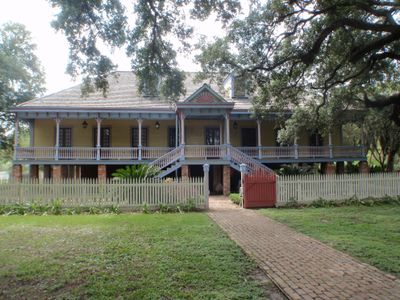
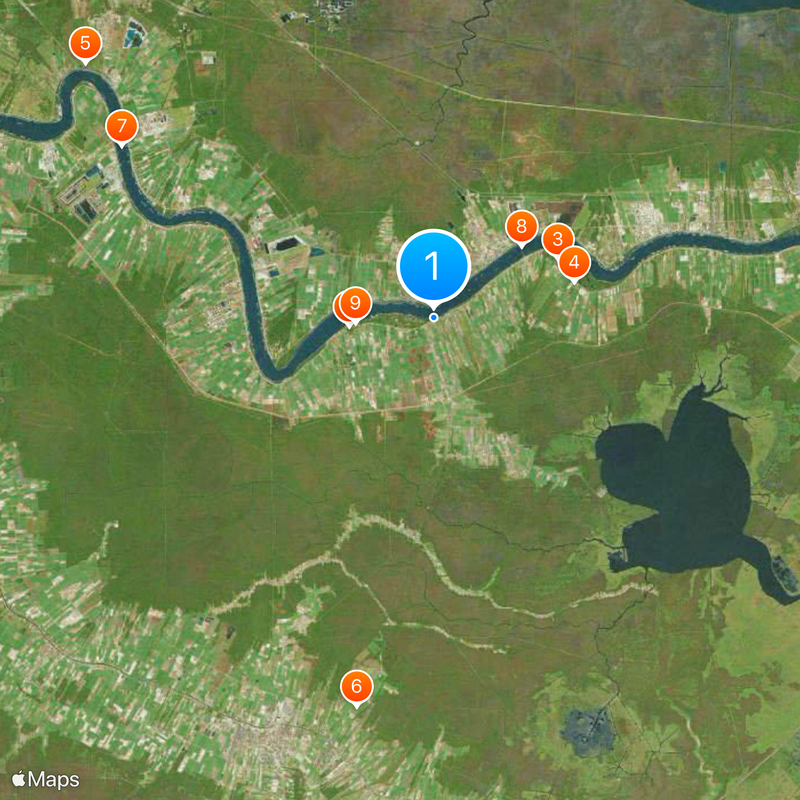
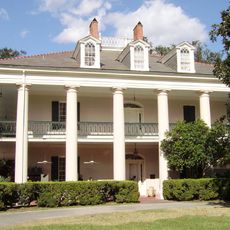
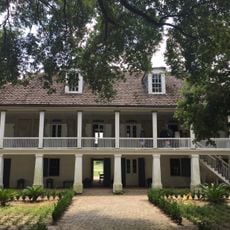
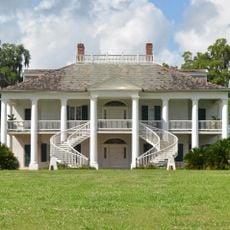
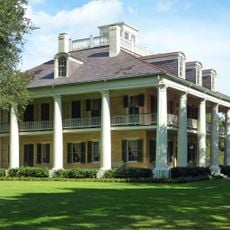
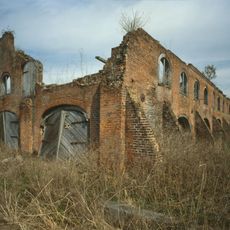
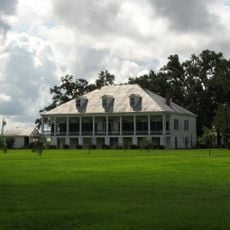
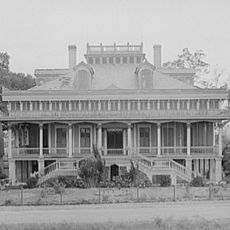
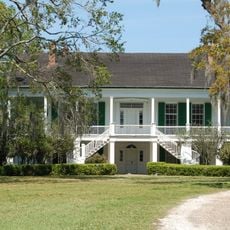
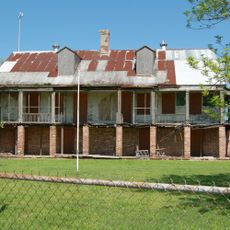
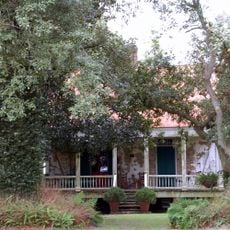
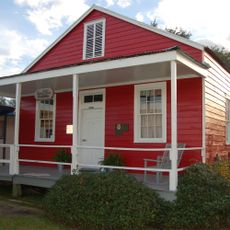
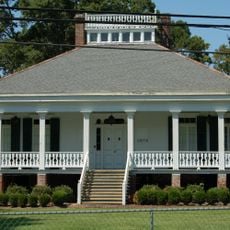
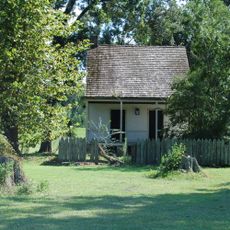
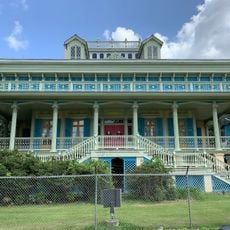
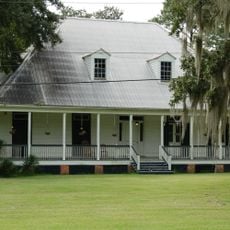
Laura Plantation is a historic site in St. James Parish, Louisiana, featuring a Creole-style main house, six preserved cabins where enslaved people lived, and several outbuildings on grounds near the Mississippi River. The structures sit on land once used for sugar production and now offer insight into the daily life and working conditions of a Creole plantation.
Guillaume Duparc founded the property in 1804 after petitioning Thomas Jefferson for land rights during the Louisiana Purchase and built the main house between 1804 and 1805. Later generations continued to run the sugar operation until economic shifts in the late 19th century forced the family to sell.
The name comes from Laura Locoul Gore, who inherited management and whose writings record several generations of family life. Tours work with these personal accounts to explain how Creole families organized their sugar operations and how enslaved people lived under those conditions.
Visitors explore the grounds through guided tours that cover the restored main house, quarters where enslaved people lived, and the gardens. Tours typically last about an hour and a half and run daily, with comfortable shoes recommended as part of the tour takes place outdoors.
Scholar Alcée Fortier gathered Creole versions of Br'er Rabbit stories on the grounds in the 1870s, told by formerly enslaved people. These oral traditions provided early documented examples of African American folklore in Louisiana and later influenced the wider spread of these tales in American literature.
The community of curious travelers
AroundUs brings together thousands of curated places, local tips, and hidden gems, enriched daily by 92,307 contributors worldwide.