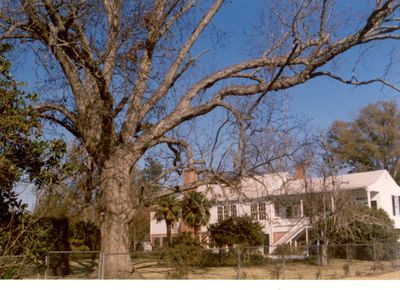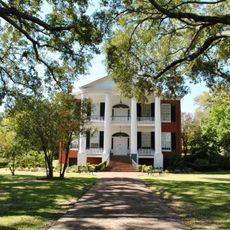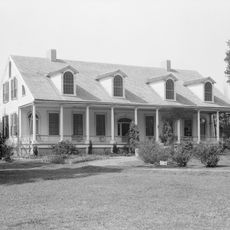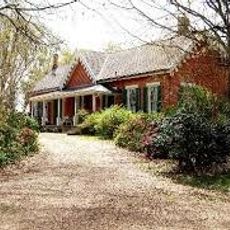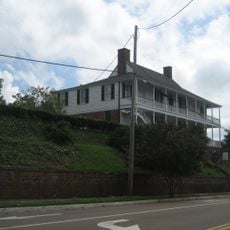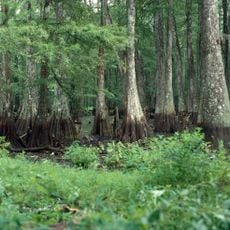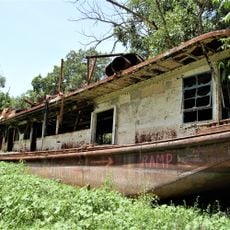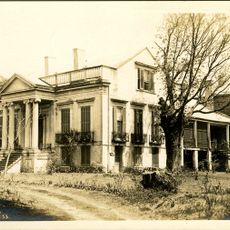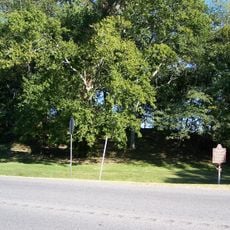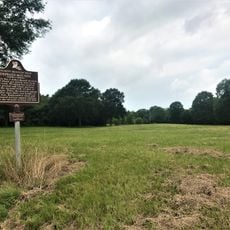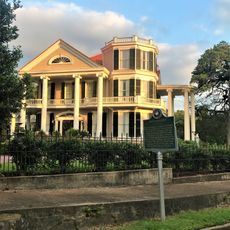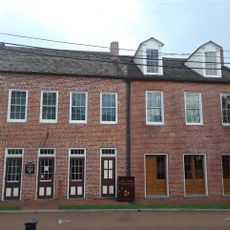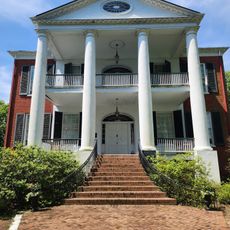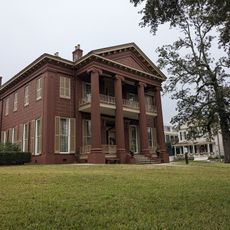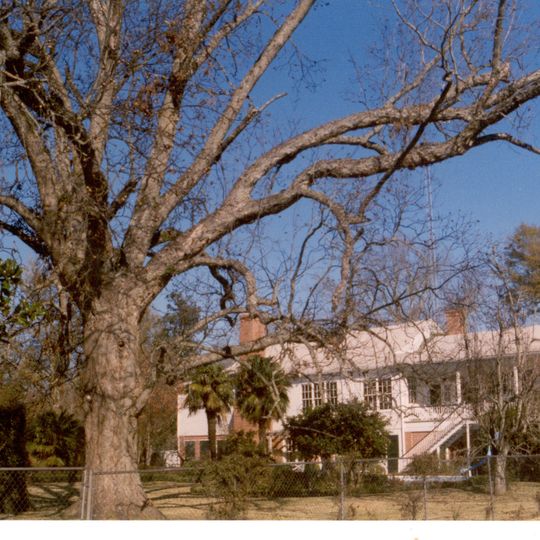
Frogmore Plantation, Greek Revival plantation near Ferriday, Louisiana.
Frogmore Plantation is a historic property in Louisiana with structures spanning different periods of agricultural operation and development. The grounds feature a cotton gin building, main house, and other associated structures that illustrate how the site functioned across its history.
The property was established around 1843 and later became a site of military activity during the Civil War, when Union forces occupied and utilized the land. This period left its mark on the development of the plantation after the conflict ended.
The layout and structures reveal how agricultural life was organized across the site, showing the physical separation of different spaces and functions. The preserved buildings offer insight into the daily routines of those who lived and worked here.
The site is accessible for self-guided exploration or organized tours through its buildings and grounds. Wear comfortable walking shoes since you will spend time outdoors, and be prepared for the warm and humid climate typical of Louisiana summers.
The plantation continues to operate a functioning cotton mill with historical machinery that remains in active use. This ongoing production transforms the site into a working museum where visitors can see processes that would otherwise only exist in the past.
Location: Louisiana
Architectural style: Greek Revival architecture
GPS coordinates: 31.59444,-91.67167
Latest update: December 6, 2025 17:42
Louisiana preserves a diverse heritage through its plantations, museums, and natural areas. This collection includes sites where French colonial architecture can be seen along the Cane River, plantation buildings like Melrose and Frogmore that reflect cotton farming and African-American history, and the archaeological site of Poverty Point with its mounds dating to 1700 BC. Museums record the settlement of German communities in Germantown, Acadian culture, and the political history of the state at the old Capitol in Baton Rouge. Gardens and parks provide access to the region's characteristic landscapes. Avery Island Botanical Garden features 70 hectares of vegetation on a natural salt dome, while the bayou wetlands host a variety of wildlife. Places like the Chauvin Art Garden add a modern aspect with sculptures along a waterway. This route allows exploration of different periods in Louisiana's history, from pre-Columbian cultures to developments in the 20th century.
Fort Rosalie
25.1 km
Natchez Bluffs and Under-the-Hill Historic District
23.6 km
Natchez–Vidalia Bridge
24.3 km
Rosalie Mansion
25.3 km
Troyville Earthworks
14.1 km
Magnolia Bluffs Casino
25.5 km
The Briars
24.4 km
Glenfield Plantation
24.9 km
House on Ellicott's Hill
25.7 km
Bayou Cocodrie National Wildlife Refuge
6.1 km
Mamie S. Barrett
22 km
Richmond
25.5 km
Natchez Museum of African American History and Culture
25.7 km
Commercial Bank and Banker's House
25.6 km
Frogmore Mound Site
1.1 km
DePrato Mounds
9.7 km
Ravenna
25.7 km
William Johnson House
25.5 km
Smith-Bontura-Evans House
25.5 km
Ravennaside
25.5 km
Van Court Town House
25.4 km
Downriver Residential Historic District
25.5 km
Concordia Parish Courthouse
23.3 km
Catahoula Parish Courthouse
24.3 km
Zappe Boarding House
12.2 km
Rosalie Mansion and Gardens
25.3 km
Magnolia Hall
25.7 km
Arcade Theater
18.6 kmReviews
Visited this place? Tap the stars to rate it and share your experience / photos with the community! Try now! You can cancel it anytime.
Discover hidden gems everywhere you go!
From secret cafés to breathtaking viewpoints, skip the crowded tourist spots and find places that match your style. Our app makes it easy with voice search, smart filtering, route optimization, and insider tips from travelers worldwide. Download now for the complete mobile experience.
A unique approach to discovering new places❞
— Le Figaro
All the places worth exploring❞
— France Info
A tailor-made excursion in just a few clicks❞
— 20 Minutes