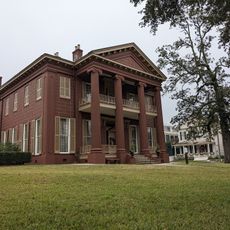
Troyville Earthworks, Archaeological site in Jonesville, Louisiana.
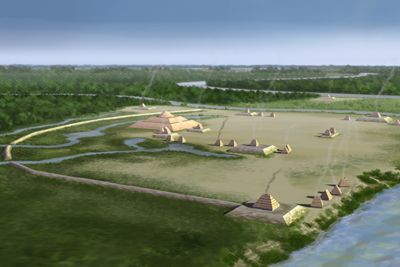
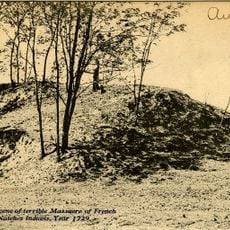
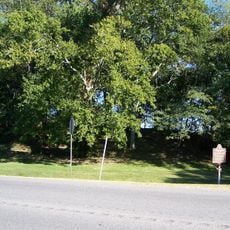
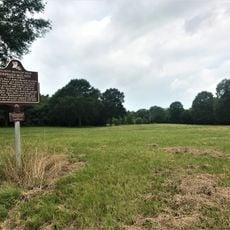
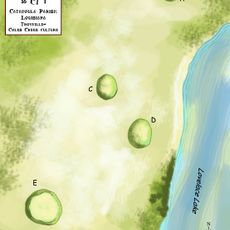
Troyville Earthworks is an archaeological site in Jonesville, Louisiana, with nine platform mounds and a perimeter embankment built before 700 CE. The largest, Mound 5, once stood 82 feet (25 m) tall with three levels; today it is only 3 feet (0.91 m) high after its fill was removed for a bridge approach in 1931. The mounds are scattered along streets near the confluence of the Tensas, Ouachita, and Little Rivers.
The site dates from 100 BCE to 700 CE, spanning the Baytown to Troyville-Coles Creek periods, and is the type site for the Troyville culture of the lower Ouachita and Tensas valleys. Its Great Mound, 25 m tall, was the second tallest pre-Columbian mound in North America. In 1931 most of its mass was removed for bridge approach fill, leaving it 0.9 m high.
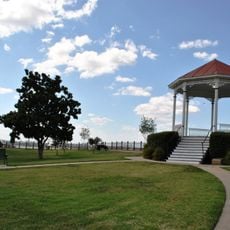
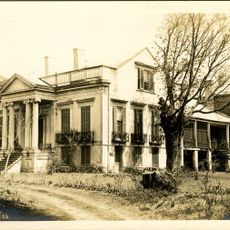
The name comes from the Troy Plantation, part of a Spanish land grant of 1,000 acres made to John Hebrard in 1786. A cemetery established on one of the smaller mounds can still be seen on the grounds of the local Methodist Church.
The mounds are located along Willow Street and Second Street in Jonesville and are best explored on foot. Informational markers at several points around town help orient visitors and explain how the different parts of the site relate to each other.
The builders used layers of woven cane matting, palmetto fibers, and wooden planks stacked together to give the mounds their strength. This layering method acted almost like reinforcement, which helps explain why portions of the structures have lasted so long.
The community of curious travelers
AroundUs brings together thousands of curated places, local tips, and hidden gems, enriched daily by 94,696 contributors worldwide.